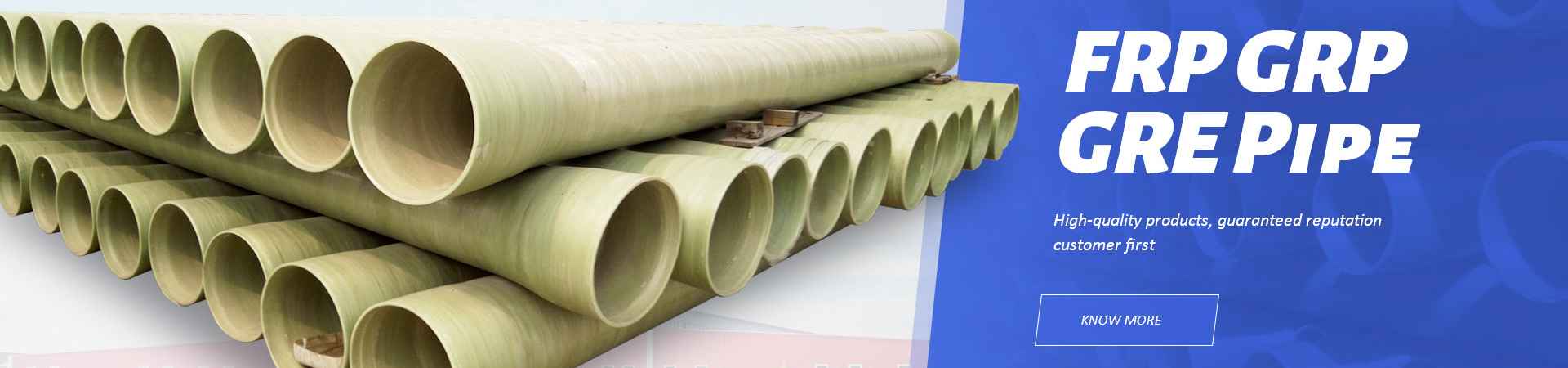

Choosing the right material for an industrial waste gas treatment system is an important engineering decision. Among the available options, the FRP Scrubber Tower and the PP Scrubber Tower are two of the most widely used solutions because both provide excellent resistance to corrosive gases and chemical solutions. As a result, many engineers and purchasing managers search for FRP vs PP Tower when evaluating equipment for new projects or plant upgrades.
Although these two materials are often considered alternatives, they are designed with different engineering principles. Their performance varies in terms of structural strength, operating temperature, corrosion resistance, manufacturing flexibility, and long-term reliability. Selecting the appropriate material requires more than comparing product specifications or purchase prices. The decision should be based on actual process conditions, expected operating life, and the overall design of the waste gas treatment system.
This guide explains the key differences between FRP Scrubber Tower and PP Scrubber Tower from an engineering perspective, helping industrial users choose the most suitable solution for reliable and efficient exhaust gas treatment.
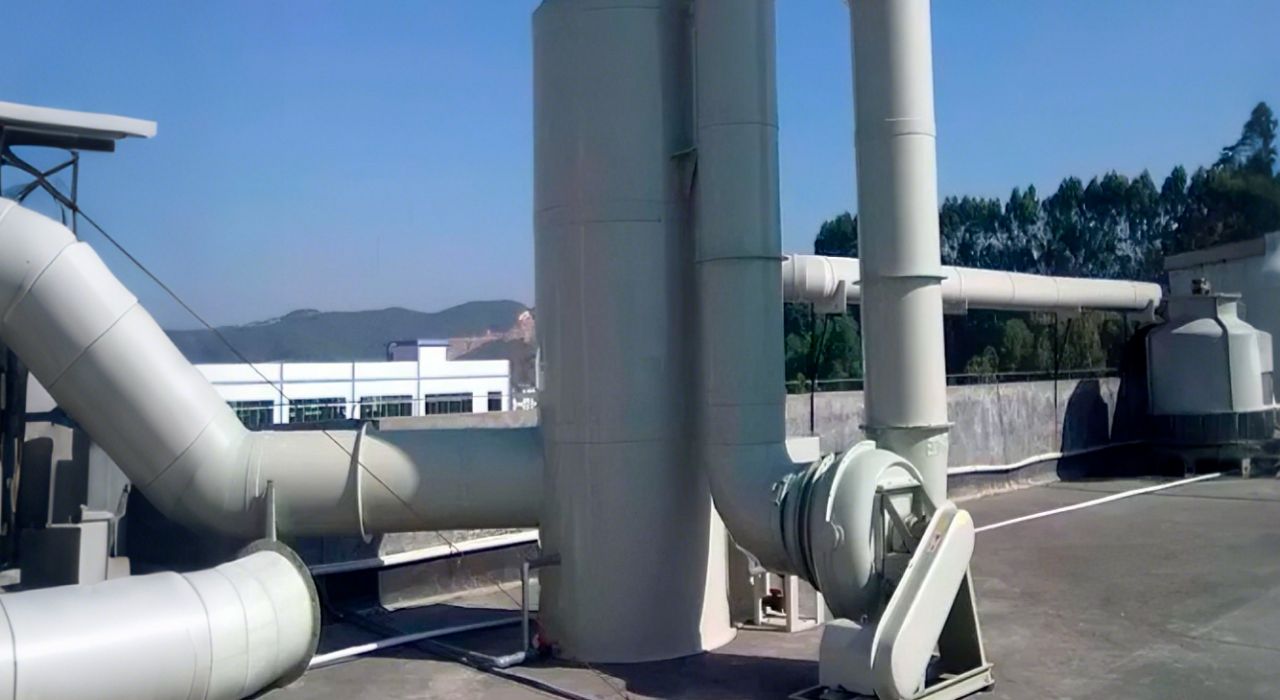
The primary difference between an FRP Scrubber Tower and a PP Scrubber Tower lies in the materials themselves. FRP, or Fiberglass Reinforced Plastic, is a composite material consisting of fiberglass reinforcement embedded in a corrosion-resistant resin matrix. The fiberglass provides structural strength, while the resin protects the equipment from chemical attack. By adjusting the resin formulation and laminate structure, manufacturers can tailor the tower to different operating environments.
Polypropylene, commonly referred to as PP, is a thermoplastic material with excellent chemical stability and low density. Unlike FRP, PP relies entirely on the plastic material itself for both structural support and corrosion resistance. Its lightweight nature simplifies fabrication and installation while offering good resistance to many industrial chemicals.
Although both materials are widely used in waste gas treatment equipment, they behave differently when exposed to changing temperatures, mechanical loads, and continuous industrial operation. Understanding these differences is the first step toward selecting the right tower for a specific application.
Corrosion resistance is one of the main reasons why both FRP Scrubber Tower and PP Scrubber Tower are widely used in chemical industries. However, corrosion performance should always be evaluated according to the actual process rather than considering one material universally superior.
PP provides reliable resistance to many acids, alkalis, and common chemical solutions. Under relatively stable operating conditions, it maintains consistent chemical performance and is capable of handling a wide range of industrial exhaust gases.
An FRP Scrubber Tower offers greater flexibility because different resin systems can be selected for different chemical environments. Vinyl ester, epoxy, and other specialized resins provide varying levels of resistance to aggressive acids, solvents, oxidizing chemicals, and mixed exhaust streams. This flexibility allows FRP equipment to be optimized for demanding production environments where gas composition may vary over time.
For facilities operating continuously under complex chemical conditions, the ability to customize corrosion resistance often becomes a significant advantage during long-term operation.
Material selection influences not only corrosion resistance but also structural performance. Industrial scrubber towers must support packing materials, spray systems, circulation liquid, access platforms, and external loads while maintaining dimensional stability throughout years of operation.
The composite structure of an FRP Scrubber Tower provides high mechanical strength without excessive weight. Fiberglass reinforcement enables the equipment to maintain rigidity even in larger diameters or taller tower configurations. This becomes increasingly important for industrial projects processing high gas volumes or requiring larger packing sections.
A PP Scrubber Tower benefits from lightweight construction, making transportation and installation relatively convenient. However, as equipment dimensions increase, additional structural reinforcement may be necessary to maintain stability. Material deformation under long-term loading and elevated temperatures must also be considered during engineering design.
For projects involving large equipment or continuous production, structural performance often becomes as important as corrosion resistance.
Operating temperature is another important consideration when comparing FRP vs PP Tower solutions.
Polypropylene performs well under normal industrial temperatures, but its mechanical properties gradually change as operating temperatures increase. Prolonged exposure to elevated temperatures may influence dimensional stability and reduce structural rigidity, particularly in larger equipment.
An FRP Scrubber Tower can be engineered with resin systems designed for higher operating temperatures and fluctuating process conditions. This provides greater flexibility for industries where exhaust temperatures vary during production or where operating conditions cannot always remain constant.
In addition to temperature, long-term operating stability should also be considered. Industrial waste gas treatment equipment often runs continuously for many years. Selecting a material capable of maintaining both structural integrity and corrosion resistance throughout this period contributes directly to equipment reliability.
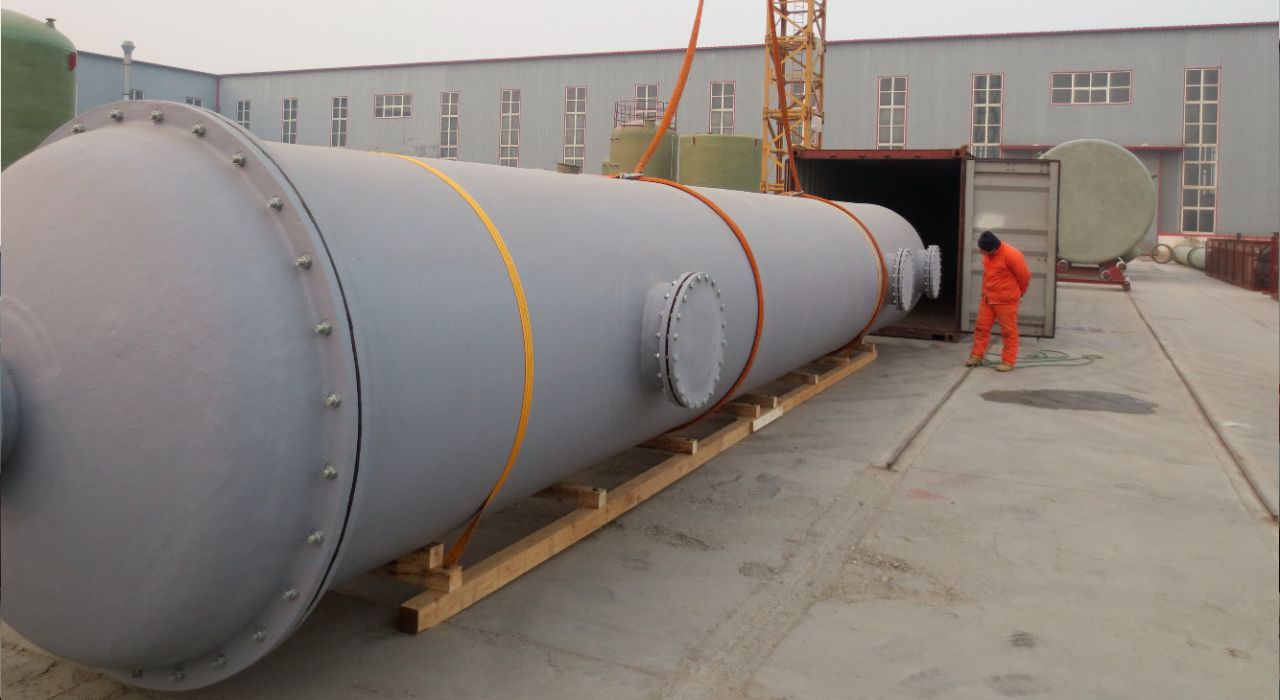
Many buyers focus first on equipment price when comparing an FRP Scrubber Tower with a PP Scrubber Tower, but the purchase price represents only one part of the total investment.
PP equipment generally offers a lower initial manufacturing cost because the material is lightweight and relatively easy to fabricate. For projects with moderate operating requirements, this can provide a practical and economical solution.
An FRP Scrubber Tower usually requires a higher initial investment because of fiberglass reinforcement, resin selection, and more complex manufacturing processes. However, industrial equipment is expected to operate for many years, making lifecycle cost a more meaningful evaluation than purchase price alone.
Maintenance frequency, production downtime, replacement intervals, and operating reliability all contribute to the total ownership cost. A tower that maintains stable performance with fewer interruptions may generate greater economic value throughout its service life, even if its initial purchase price is higher.
For this reason, experienced engineers often evaluate equipment from a long-term operational perspective rather than focusing only on the quotation.
Material selection is only one part of a successful waste gas treatment system. The overall engineering design has an equally important influence on absorption efficiency and operational reliability.
The effectiveness of either an FRP Scrubber Tower or a PP Scrubber Tower depends on the internal process design. Packing selection, spray distribution, liquid circulation, gas velocity, residence time, and pressure drop all determine how efficiently contaminants are transferred from the gas phase into the absorbent solution.
Even high-quality materials cannot compensate for poor engineering design. Uneven liquid distribution, insufficient packing height, or excessive pressure drop may significantly reduce treatment performance regardless of whether the tower is manufactured from FRP or PP.
For industrial projects, selecting an experienced manufacturer with strong engineering capability is often more important than selecting the material itself.
Selecting between an FRP Scrubber Tower and a PP Scrubber Tower should always begin with a thorough evaluation of the process conditions. Gas composition, airflow volume, operating temperature, chemical concentration, expected service life, and maintenance strategy all influence the final decision.
Rather than viewing FRP vs PP Tower as a simple comparison between two materials, engineers should consider the complete waste gas treatment system. The most effective solution is the one that combines suitable material selection with proper process design and reliable manufacturing quality.
A professional supplier should evaluate operating requirements, recommend an appropriate tower configuration, and optimize the internal design according to the specific application. This integrated engineering approach helps ensure stable environmental performance while reducing long-term operating costs.
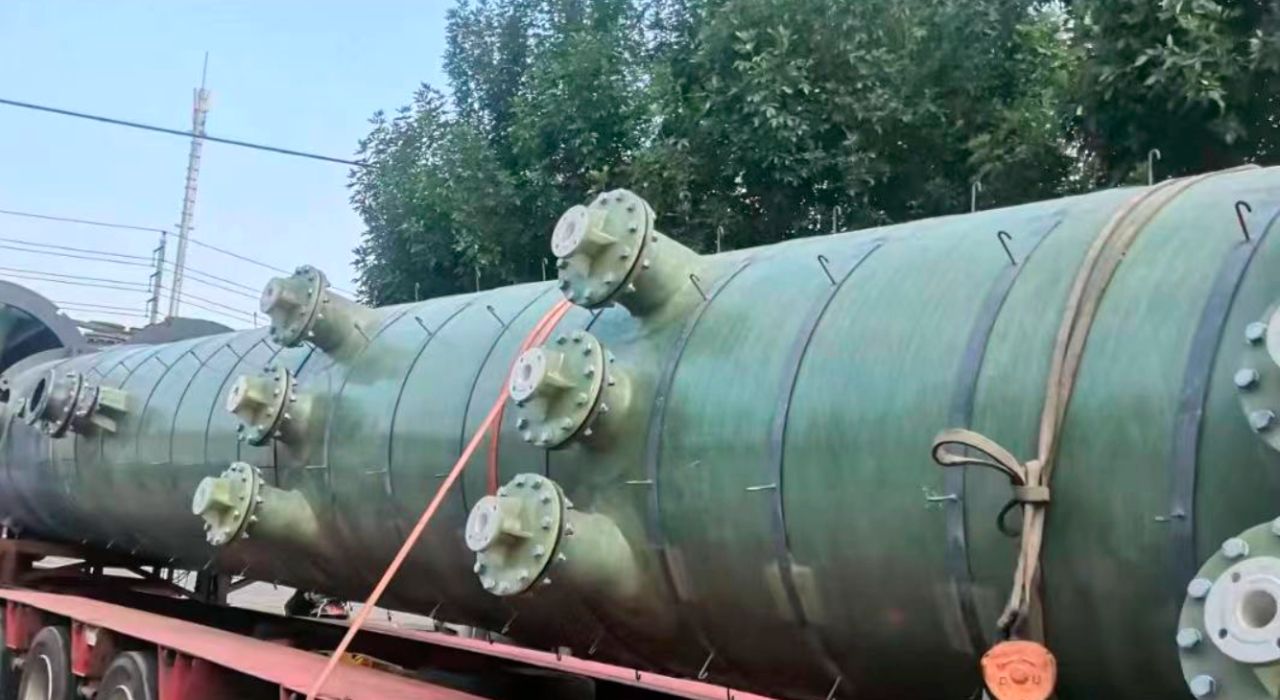
Both FRP Scrubber Tower and PP Scrubber Tower provide effective solutions for industrial waste gas treatment, but they are designed for different engineering requirements. PP offers lightweight construction and reliable chemical resistance under many standard operating conditions, while FRP provides greater structural strength, higher design flexibility, and improved long-term reliability for demanding industrial environments.
When evaluating FRP vs PP Tower, companies should look beyond initial purchase price and consider process conditions, equipment design, maintenance requirements, and lifecycle value. A properly engineered system, supported by suitable material selection, will deliver stable operation, reliable emission control, and long-term economic benefits throughout the entire service life of the equipment.