
Selecting the right material for an industrial absorption tower is a key decision that affects equipment reliability, maintenance costs, and long-term operating performance. When designing a waste gas treatment system, engineers often compare FRP Tower vs Stainless Steel because both materials are widely used in chemical processing and environmental protection applications.
Although stainless steel offers excellent mechanical strength and durability, it is not always the best choice for highly corrosive environments. Industrial exhaust gases may contain hydrochloric acid (HCl), sulfuric acid mist, chlorine, hydrogen fluoride (HF), and other aggressive chemicals that can cause pitting, crevice corrosion, or stress corrosion cracking over time, even in high-grade stainless steel.
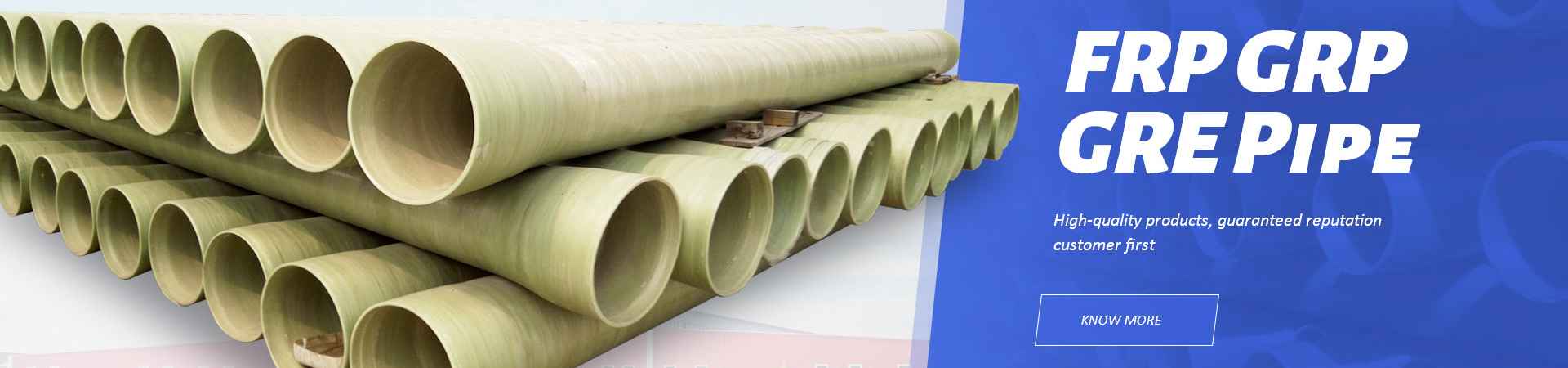
An FRP Tower provides a different solution by combining fiberglass reinforcement with corrosion-resistant resin systems. This composite structure delivers excellent chemical compatibility, reliable structural performance, and long service life under harsh operating conditions. Different resin systems can also be selected to match specific chemical environments, making FRP a highly effective Corrosion Resistant Tower for industrial waste gas treatment.
This article compares FRP Tower vs Stainless Steel in terms of corrosion resistance, mechanical performance, maintenance requirements, chemical compatibility, and lifecycle cost, helping engineers and equipment buyers choose the most suitable material for their applications.
Although both materials are used for industrial equipment, they perform differently because they are built on completely different engineering principles.
A stainless steel tower relies on chromium-rich alloy layers to resist corrosion. Grades such as 304 and 316 stainless steel provide good durability in many industrial environments and are widely used for water treatment, food processing, and general manufacturing applications.
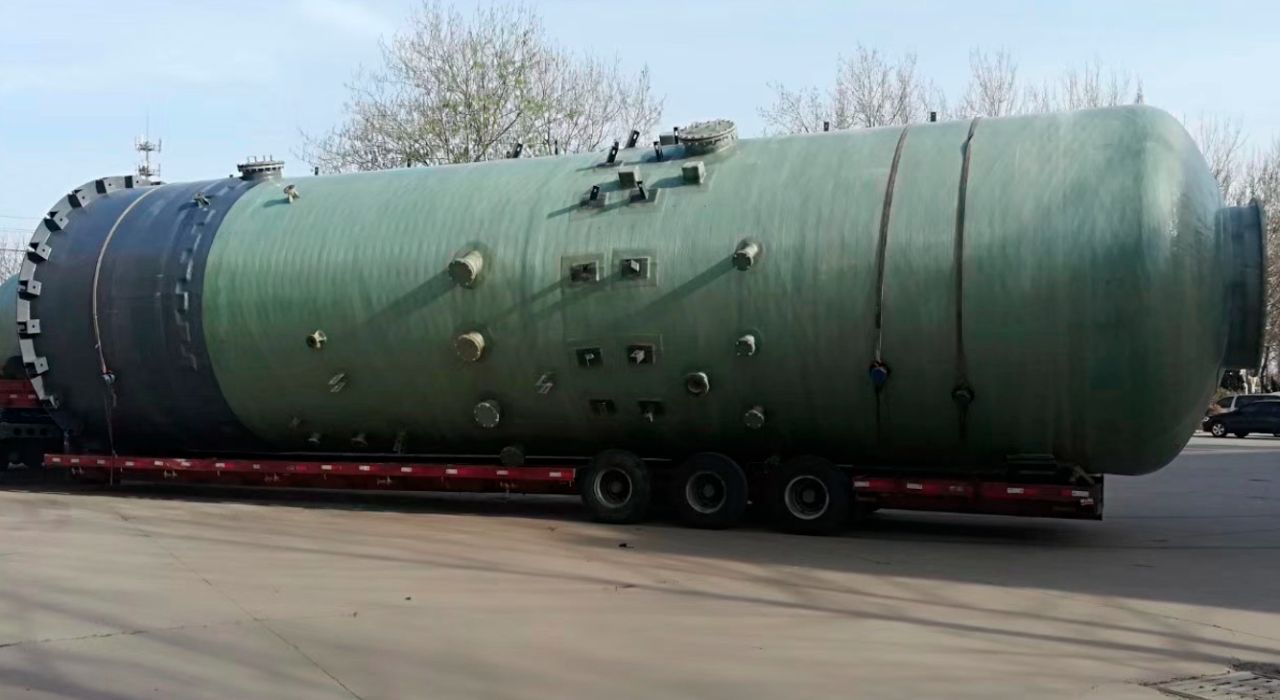
An FRP absorption tower uses fiberglass reinforcement combined with corrosion-resistant resin. The fiberglass provides structural strength, while the resin protects the equipment from aggressive chemicals. Different resin systems can be selected according to the process environment, allowing the tower to be engineered specifically for acidic, alkaline, or mixed chemical conditions.
This difference means that material selection should always be based on the actual operating environment rather than assuming one material is universally better.
Corrosion resistance is often the deciding factor when comparing FRP Tower vs Stainless Steel.
Stainless steel performs well in clean environments and with many neutral process media. However, industrial waste gas treatment frequently involves chlorides, acid mist, chlorine compounds, and highly concentrated chemical vapors. These substances can damage the passive oxide layer that protects stainless steel, leading to localized corrosion over time.
Even stainless steel grades with improved corrosion resistance may require careful control of operating conditions to maintain long-term reliability. High temperatures, fluctuating chemical concentrations, and continuous exposure to aggressive media can accelerate material degradation.
An FRP tower approaches corrosion protection differently. Since the resin system itself provides chemical resistance, the material does not depend on a passive metal surface for protection. Resin formulations can be matched to specific chemicals, allowing the equipment to maintain stable performance in environments where metal corrosion is difficult to control.
For many chemical plants, this flexibility is one of the primary reasons why FRP has become a preferred Corrosion Resistant Tower solution.
Mechanical strength is another important consideration during equipment selection.
Stainless steel offers excellent rigidity and impact resistance. It performs well under heavy mechanical loading and is suitable for applications requiring high structural strength or elevated internal pressure.
An FRP absorption tower also provides high structural performance through fiberglass reinforcement while maintaining a relatively low overall weight. Modern FRP manufacturing techniques allow large industrial towers to achieve excellent stiffness with reduced transportation and installation loads.
For atmospheric absorption towers used in waste gas treatment, both materials can satisfy structural requirements when properly designed. The selection therefore depends more on process conditions than on strength alone.
Maintenance costs become increasingly important throughout the operating life of industrial equipment.
A stainless steel tower generally requires periodic inspection to monitor corrosion, weld conditions, surface damage, and areas exposed to aggressive chemicals. If localized corrosion develops, repairs may involve welding, polishing, or component replacement.
An FRP tower typically requires less structural maintenance because corrosion resistance is integrated into the composite material itself. Routine maintenance focuses mainly on packing, spray nozzles, circulation pumps, mist eliminators, and other process components rather than the tower shell.
Reducing maintenance interruptions helps improve plant availability while lowering long-term operating costs.
Industrial exhaust gases rarely contain only one chemical component. Mixed gas streams often include acids, alkalis, moisture, solvents, and oxidizing compounds.
This is where chemical compatibility becomes especially important.
Stainless steel performs well with many chemicals but has limitations when exposed to chloride-rich environments or certain strong acids. Material selection often requires careful review of corrosion data for each individual application.
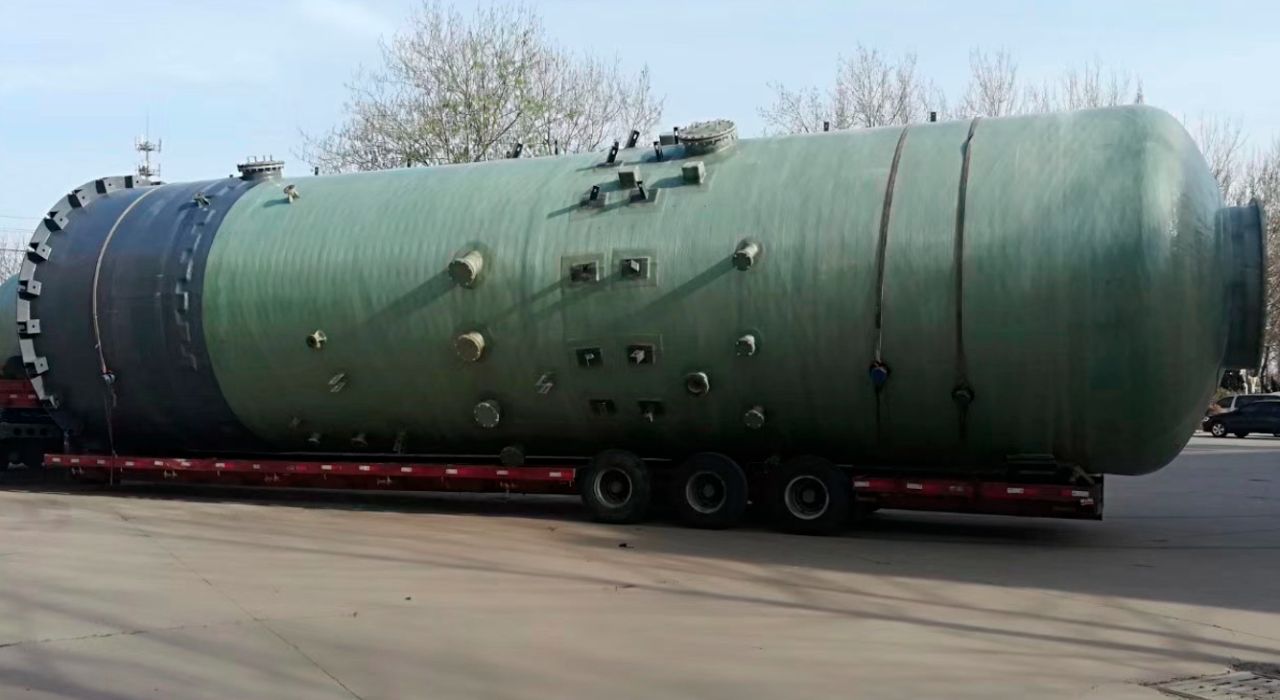
FRP provides greater flexibility because resin systems can be selected according to the expected chemical exposure. Engineers can choose resin formulations specifically developed for hydrochloric acid, sulfuric acid, chlorine-containing gases, or other aggressive industrial media.
This ability to customize chemical resistance allows FRP equipment to adapt to a wider variety of waste gas treatment processes.
The purchase price of equipment represents only part of the total investment.
A stainless steel tower may appear competitive during initial procurement, but lifecycle cost also includes maintenance, repairs, downtime, replacement components, and expected service life.
An FRP tower may require a similar or slightly higher initial investment depending on project specifications, but its resistance to aggressive corrosion often reduces maintenance frequency throughout operation.
For continuous industrial production, minimizing unexpected shutdowns can produce significant economic benefits. Lower maintenance requirements and longer service intervals frequently offset the initial equipment investment over time.
For this reason, many engineering companies evaluate FRP Tower vs Stainless Steel based on total ownership cost rather than purchase price alone.
There is no universal answer because every industrial project has different operating requirements.
Where process conditions are relatively mild and chemical exposure is limited, stainless steel remains a reliable engineering material with excellent mechanical performance.
However, when waste gas contains highly corrosive chemicals, operates continuously, or requires long-term resistance against aggressive media, an FRP absorption tower often provides greater operational reliability and lower maintenance requirements.
The final decision should be based on chemical compatibility, operating temperature, maintenance strategy, service life expectations, and overall project economics rather than material preference alone.
The comparison between FRP Tower vs Stainless Steel is not simply a comparison between composite materials and metals. It is a comparison of two different engineering approaches to corrosion protection.
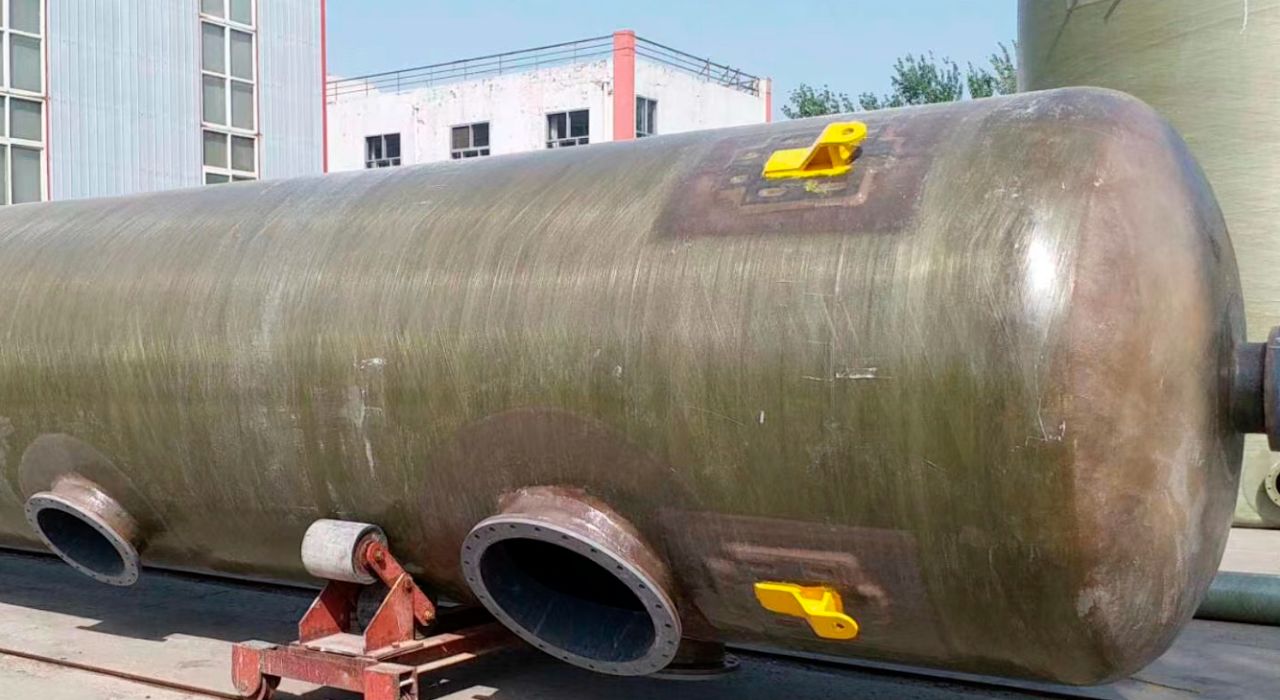
Stainless steel offers excellent structural strength and performs well in many industrial environments. An FRP absorption tower provides outstanding corrosion resistance, flexible material selection, and lower long-term maintenance under aggressive chemical conditions.
For industrial waste gas treatment systems, selecting the right Corrosion Resistant Tower requires evaluating the complete operating environment, expected service life, maintenance strategy, and lifecycle cost. By considering these factors together, engineers can choose a solution that delivers reliable performance and long-term value rather than focusing only on the initial purchase price.