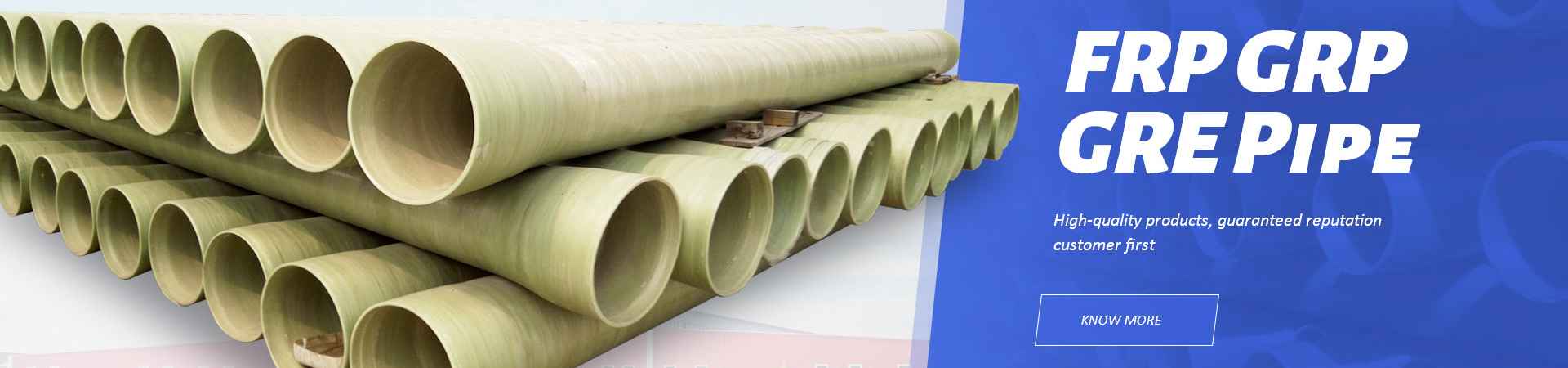

An FRP Absorption Tower is designed to provide stable waste gas treatment under corrosive industrial conditions, but improper operation, fouling, equipment wear, and process changes can gradually affect its performance. Common FRP Scrubber Problems may appear as reduced absorption efficiency, rising pressure drop, unstable liquid distribution, packing blockage, corrosion damage, or fan overload.
Effective Absorption Tower Troubleshooting requires more than correcting the visible symptom. Operators need to understand how gas flow, liquid circulation, packing condition, chemical concentration, and auxiliary equipment affect one another. This guide explains the most common problems and practical solutions for maintaining reliable absorption performance.
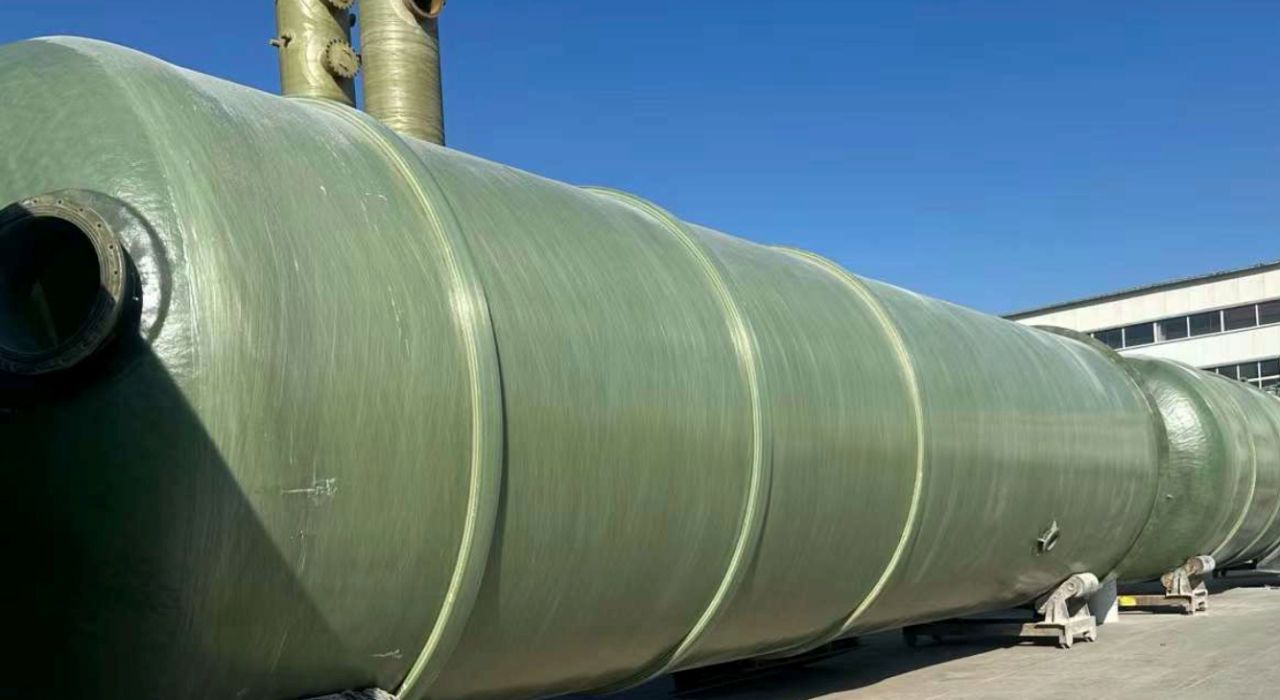
Low absorption efficiency is one of the most common FRP Scrubber Problems in industrial waste gas treatment systems. The problem is usually noticed when outlet pollutant concentrations increase even though the circulation pump and fan continue to operate normally.
Several conditions can cause this problem. Excessive gas flow may reduce contact time, while insufficient circulation liquid can leave parts of the packing poorly wetted. Incorrect absorbent concentration or unstable pH can also reduce the chemical reaction needed to remove pollutants.
During Absorption Tower Troubleshooting, operators should compare the actual gas flow, liquid circulation rate, absorbent concentration, temperature, and outlet emission data with the original design conditions. Packing should also be checked for fouling or damage because reduced contact area can significantly affect absorption performance.
The solution may involve adjusting the circulation flow, correcting chemical dosing, cleaning the packing, or reducing excessive gas velocity. If operating conditions have changed significantly since commissioning, the tower may also require engineering adjustment.
Excessive pressure drop is another important FRP Scrubber Problem because it increases fan load and energy consumption while potentially reducing the amount of gas that can pass through the system.
Packing blockage is one of the most common causes. Dust, crystallized salts, suspended solids, and chemical deposits can gradually accumulate between packing elements and restrict airflow. A contaminated mist eliminator or blocked duct can create similar symptoms.
Operators should monitor pressure drop regularly and compare current readings with normal operating values. A gradual increase usually indicates fouling, while a sudden increase may suggest severe blockage or an abnormal airflow condition.
The recommended solution is to inspect the packing, mist eliminator, inlet duct, and outlet section. Tower Cleaning can restore airflow when deposits are responsible for the increased resistance. If the packing has become permanently deformed or heavily contaminated, replacement may be necessary.
Uniform liquid distribution is essential for maintaining effective gas-liquid contact. When spray nozzles become blocked, worn, or damaged, some sections of the packing may receive insufficient liquid while other areas receive excessive flow.
This type of uneven distribution can cause localized dry areas and reduce the effective contact area inside the tower. As a result, the absorption efficiency may decrease even though the total circulation flow appears normal.
For Absorption Tower Troubleshooting, operators should inspect spray nozzles, headers, valves, circulation pumps, and liquid pressure. The spray pattern should be checked whenever possible to confirm that the packing is being wetted evenly.
Cleaning blocked nozzles is often sufficient to restore performance. However, worn nozzles should be replaced, and unstable pump operation should be corrected to prevent the problem from returning.
Packing blockage is especially common when the treated gas contains dust, oil, suspended particles, or reaction by-products. Over time, these materials can accumulate on the packing surface and restrict both gas and liquid movement.
As blockage increases, pressure drop rises and gas-liquid contact becomes less effective. Severe fouling may also cause liquid accumulation, channeling, and unstable tower operation.
Regular inspection and Tower Cleaning are therefore important preventive measures. Depending on the material causing the deposits, cleaning may involve water flushing or an appropriate cleaning solution selected according to the process chemistry.
If cleaning cannot restore the packing, replacement may be required. When selecting replacement packing, the manufacturer should consider not only mass transfer efficiency but also fouling resistance and the characteristics of the waste gas.
FRP is widely selected for absorption towers because of its excellent resistance to acids, alkalis, moisture, and chemical vapors. However, corrosion-related damage can still occur when unsuitable materials are selected or operating conditions exceed the original design limits.
During inspection, operators should look for cracks, blistering, delamination, surface degradation, discoloration, or damaged corrosion-resistant layers. Flanges, connections, support areas, and sections exposed to concentrated chemicals deserve particular attention.
Effective Absorption Tower Troubleshooting should identify why the damage occurred before repair begins. Excessive temperature, unexpected chemical concentration, mechanical impact, or inappropriate resin selection may all contribute to material deterioration.
Minor surface damage may be repairable, while serious structural degradation may require professional assessment and partial component replacement. Simply repairing the visible area without correcting the underlying operating problem can result in repeated damage.
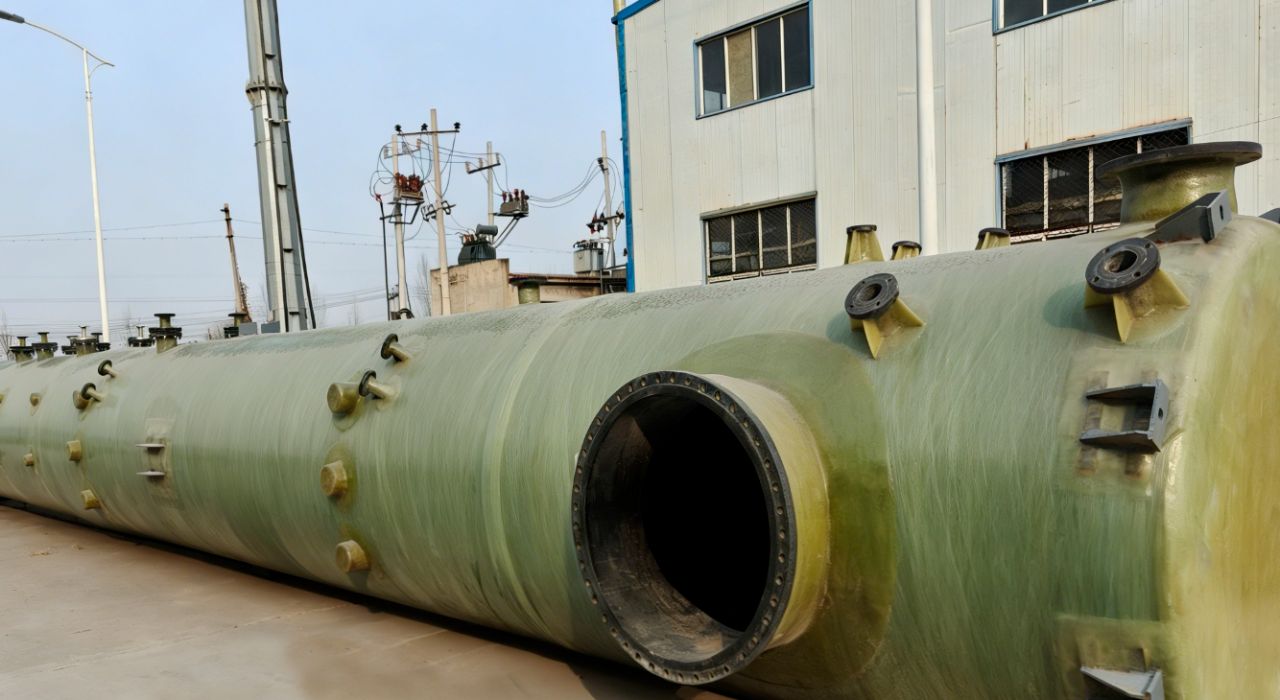
Fan overload can develop when resistance through the waste gas treatment system becomes too high. In an FRP absorption system, blocked packing, a contaminated mist eliminator, restricted ductwork, or incorrect damper settings may all increase system resistance.
Operators should check fan current, airflow, pressure, damper position, and tower pressure drop. If pressure drop has increased significantly, the tower should be inspected before the fan is operated continuously under excessive load.
Cleaning blocked internal components can often reduce system resistance and restore normal fan operation. If the fan continues to experience overload after the tower has been inspected, its operating point, motor capacity, and overall system design should be reviewed.
Chemical circulation problems can also lead to unstable absorption performance. A pump that delivers insufficient flow may result in poor packing wetting, while excessive flow can increase energy consumption and potentially cause liquid carryover.
Operators should monitor pump performance, liquid level, circulation pressure, and absorbent concentration. Changes in pH may indicate insufficient chemical dosing, excessive pollutant loading, or deterioration of the circulating solution.
Maintaining stable chemical conditions is particularly important for systems treating reactive gases such as HCl, SO2, chlorine, or ammonia. The absorbent should be replaced or replenished according to actual operating conditions rather than relying only on fixed intervals.
The best way to reduce FRP Scrubber Problems is to establish a preventive maintenance program based on actual operating conditions. Pressure drop, circulation flow, pH, absorbent concentration, fan performance, and outlet gas concentration should be monitored regularly.
Operators should also maintain records of cleaning, nozzle replacement, packing inspection, chemical consumption, and abnormal operating conditions. Comparing these records over time makes it easier to identify gradual performance changes before they develop into major failures.
Regular Tower Cleaning, spray system inspection, packing checks, and FRP structural inspection can significantly reduce unexpected downtime. For demanding chemical applications, online monitoring and automatic control can further improve system stability.
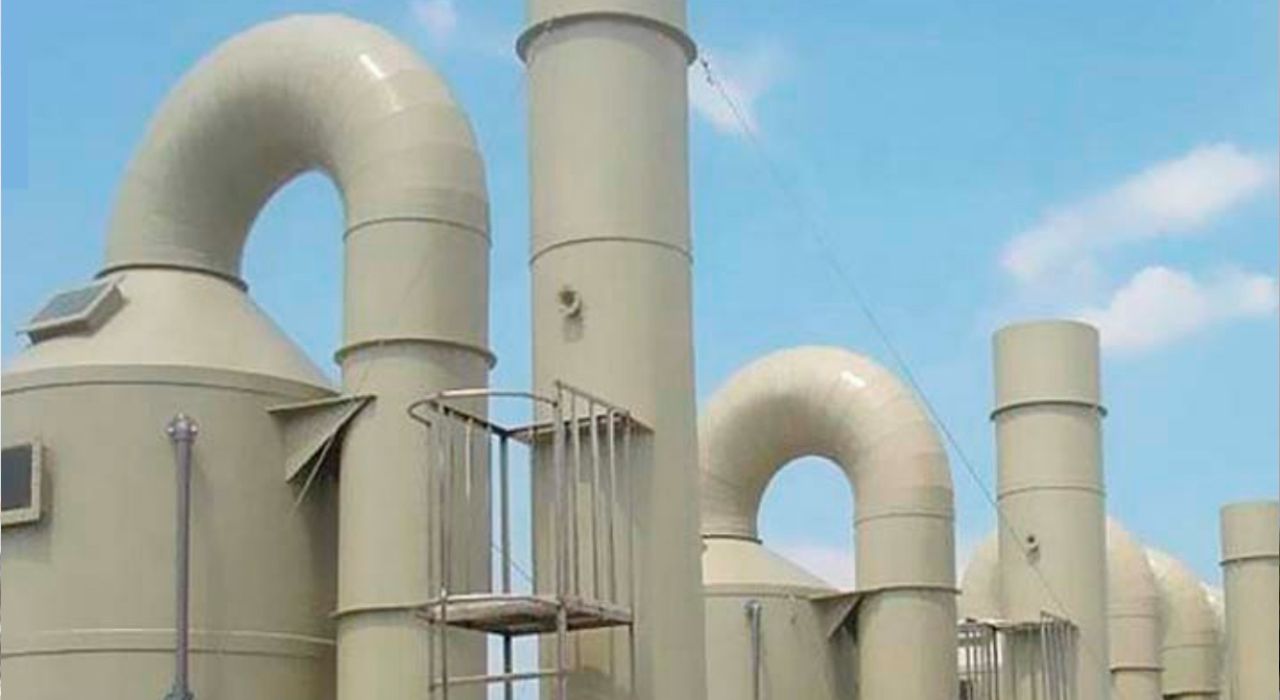
Common FRP Scrubber Problems include low absorption efficiency, excessive pressure drop, uneven liquid distribution, packing blockage, corrosion damage, and fan overload. These problems can affect emission control, energy consumption, equipment reliability, and overall operating costs.
Effective Absorption Tower Troubleshooting should begin with actual operating data and a systematic inspection of the gas flow, liquid circulation, packing, spray system, chemical conditions, and fan. With proper maintenance and timely corrective action, an FRP Absorption Tower can maintain stable waste gas treatment performance and provide reliable service in demanding industrial environments.