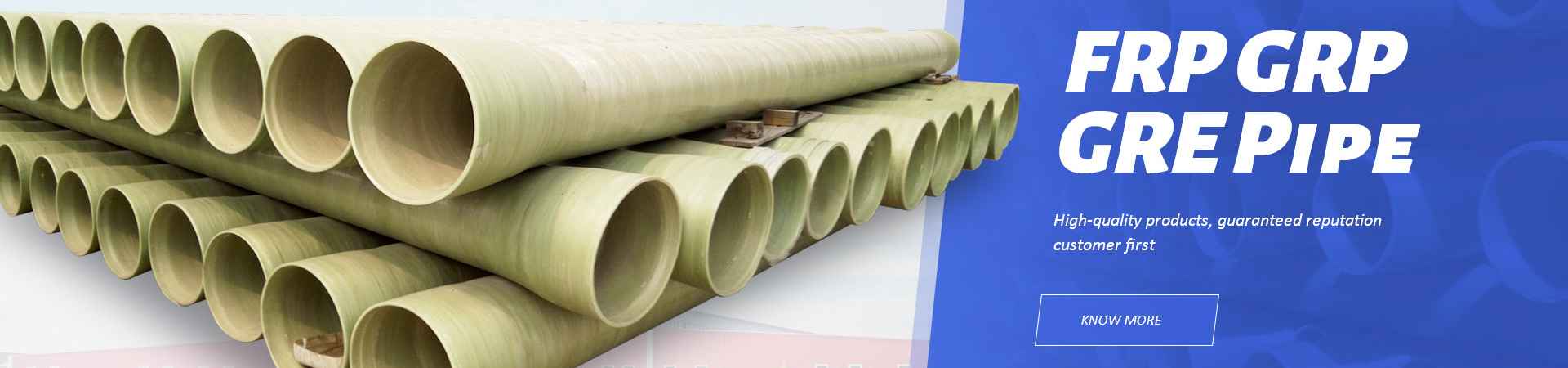

Proper FRP Absorption Tower Maintenance is essential for maintaining high gas treatment efficiency, extending equipment service life, and reducing unexpected downtime. Although an FRP absorption tower offers excellent corrosion resistance compared with carbon steel equipment, long-term exposure to corrosive gases, high humidity, chemical solutions, and dust can gradually affect its operating performance.
Many industrial facilities only perform maintenance after problems appear. However, preventive Inspection and scheduled Tower Cleaning are far more cost-effective than repairing damaged equipment or replacing internal components after a failure. Regular maintenance also helps maintain stable pressure drop, uniform liquid distribution, and high gas absorption efficiency.
Whether the FRP Absorption Tower is installed in a chemical plant, electroplating workshop, fertilizer factory, pharmaceutical facility, or pickling line, a structured maintenance program can significantly improve operational reliability. This guide explains the key aspects of FRP Absorption Tower Maintenance, including routine inspection, cleaning procedures, common performance problems, and practical optimization methods.
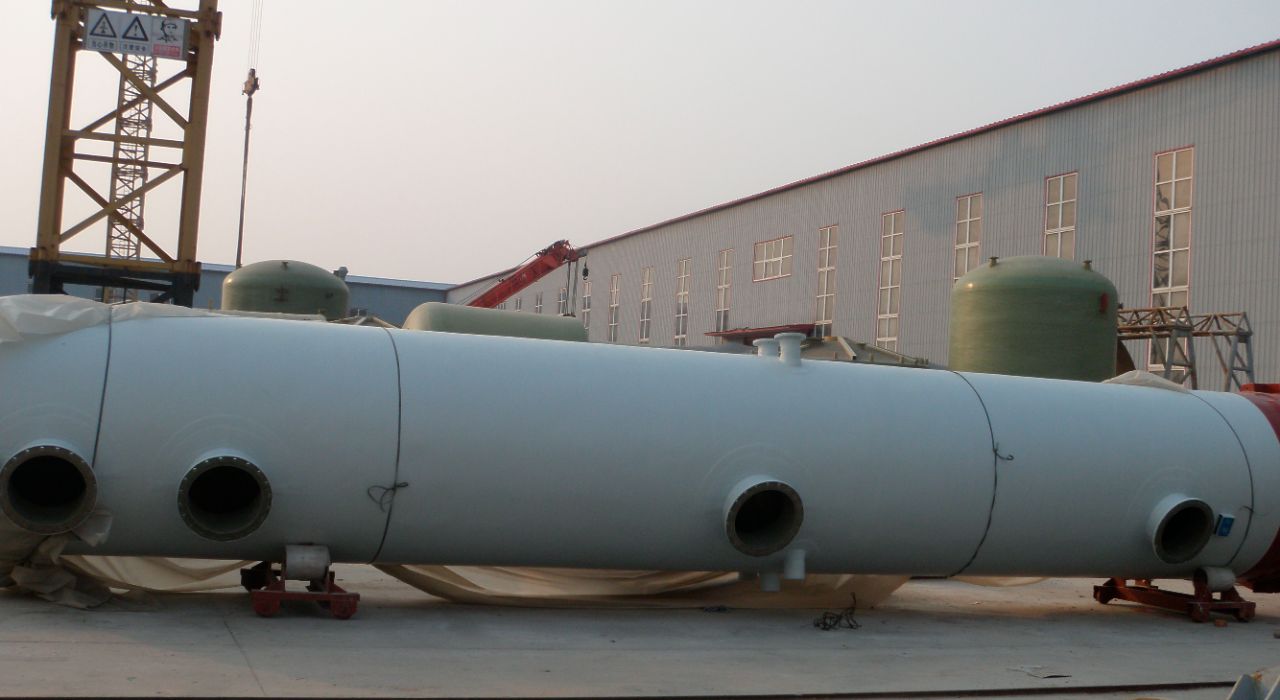
Although FRP materials provide excellent resistance to acids, alkalis, and moisture, the overall performance of an absorption tower depends on much more than the FRP shell itself. The spray system, packing materials, circulation pumps, mist eliminator, piping, and instrumentation all work together as one integrated system. If one component performs poorly, the efficiency of the entire tower may decrease.
Without proper FRP Absorption Tower Maintenance, scale may accumulate inside the packing bed, spray nozzles can become partially blocked, and circulation pumps may deliver uneven liquid flow. These problems reduce gas-liquid contact efficiency, increase pressure drop, and eventually cause lower pollutant removal efficiency.
Regular Inspection also helps detect minor issues before they become major failures. Early maintenance reduces operating costs, minimizes unplanned shutdowns, and extends equipment lifespan. In many industrial applications, preventive maintenance is significantly less expensive than emergency repairs.
A planned Inspection schedule is the foundation of effective FRP Absorption Tower Maintenance. Operators should inspect both external structures and internal components according to operating hours and process conditions.
The external FRP shell should be checked for cracks, impact damage, surface discoloration, loose flange connections, or signs of excessive mechanical stress. Although FRP is highly corrosion resistant, accidental impacts or improper installation may affect structural integrity over time.
Inside the tower, operators should examine the packing bed, spray headers, mist eliminator, and liquid distributors. Uneven liquid distribution, damaged packing supports, or accumulated deposits can reduce absorption efficiency even when the equipment appears normal from the outside.
Routine Inspection should also include circulation pumps, valves, piping, instruments, pressure gauges, pH meters, and liquid level indicators. Monitoring these components regularly allows maintenance personnel to identify abnormalities before production is affected.
Regular Tower Cleaning is one of the most important parts of FRP Absorption Tower Maintenance because the packing section directly determines gas-liquid contact efficiency.
During long-term operation, dust, suspended solids, crystallized salts, and reaction by-products may gradually accumulate inside the packing layer. As deposits increase, airflow passages become narrower, resulting in higher pressure drop and lower absorption performance.
When performing Tower Cleaning, operators should first stop the circulation system and isolate the equipment safely. Packing materials should then be inspected carefully for scaling, blockage, or physical damage. Depending on operating conditions, cleaning may involve water flushing, chemical cleaning solutions, or replacement of severely contaminated packing.
The mist eliminator also requires periodic Tower Cleaning. If liquid droplets accumulate inside the demister, gas flow resistance increases while downstream equipment becomes more susceptible to corrosion caused by carryover.
Cleaning intervals vary according to process conditions. Plants treating dusty or high-concentration exhaust gases generally require more frequent Tower Cleaning than systems operating under relatively clean conditions.
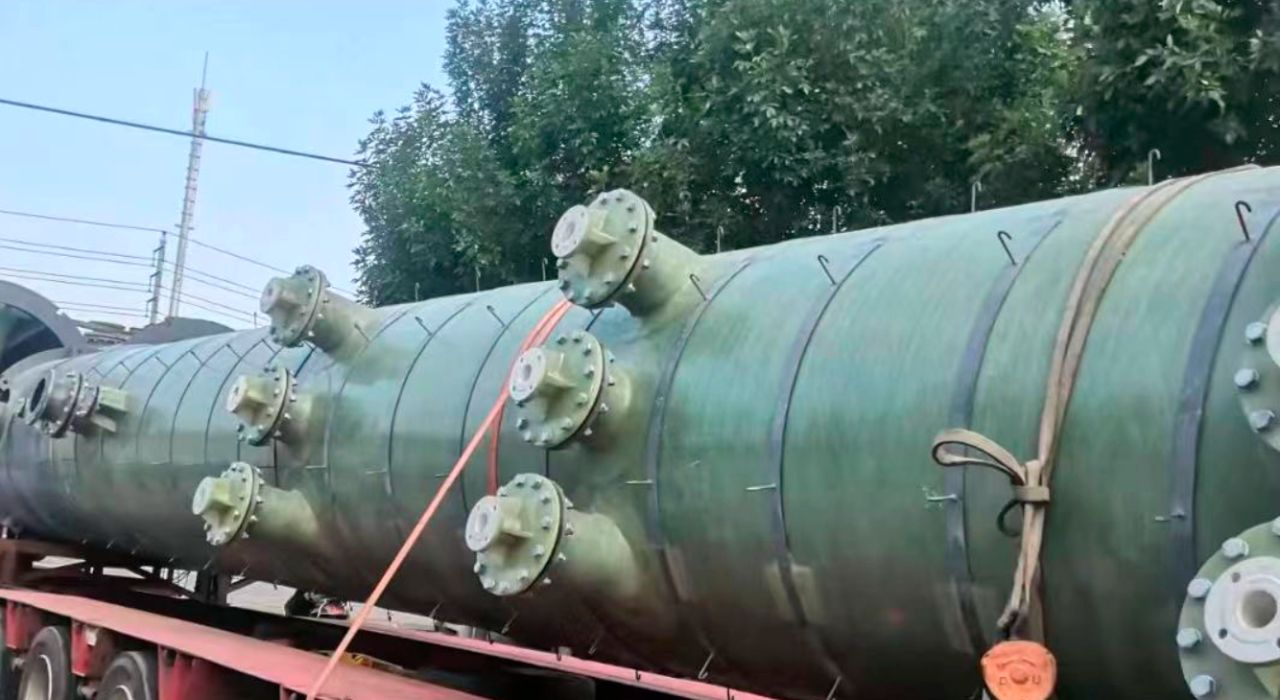
The spray system plays a vital role in FRP Absorption Tower Maintenance because uniform liquid distribution directly affects absorption efficiency.
Spray nozzles should be inspected regularly for blockage, wear, scaling, or uneven spray patterns. Even a small reduction in nozzle performance can create dry zones inside the packing bed, reducing effective gas-liquid contact.
Operators should also verify that the circulation pump delivers stable flow and sufficient pressure throughout the entire spray system. Pressure fluctuations may indicate pump wear, pipeline blockage, or valve problems.
During routine Inspection, technicians should compare the spray pattern with the original design specifications. If liquid distribution becomes uneven, immediate cleaning or nozzle replacement should be performed to restore optimal performance.
Although FRP materials offer outstanding corrosion resistance, structural Inspection remains an important part of FRP Absorption Tower Maintenance.
The inner corrosion-resistant liner should be examined for surface wear, resin degradation, blistering, or delamination. Areas exposed to high temperatures or concentrated chemicals deserve particular attention because these conditions may accelerate material aging.
Support structures, access platforms, ladders, flanges, and bolted connections should also be checked periodically. Mechanical vibration, thermal expansion, or improper loading can gradually loosen structural connections.
Early detection of structural problems allows repairs to be completed before damage spreads, helping maintain safe and reliable operation.
Many operators notice lower removal efficiency without immediately identifying the root cause. In most cases, declining performance results from several small issues developing simultaneously rather than one major failure.
Packing blockage is one of the most common reasons for reduced absorption efficiency because it decreases the available gas-liquid contact area. Uneven liquid distribution caused by clogged spray nozzles has a similar effect.
Insufficient circulation flow, incorrect absorbent concentration, or unstable pH values may also reduce chemical absorption performance. In addition, excessive pressure drop often indicates packing contamination or airflow restriction inside the tower.
Regular FRP Absorption Tower Maintenance, combined with systematic Inspection, helps identify these problems early and prevents long-term performance deterioration.
Good FRP Absorption Tower Maintenance is not limited to repairing equipment after problems occur. Continuous optimization helps improve efficiency while reducing operating costs.
Operators should monitor pressure drop, circulation flow, pH value, chemical concentration, and exhaust emission data regularly. Comparing current operating conditions with original design values allows abnormal trends to be detected early.
Replacing worn spray nozzles, cleaning packing before severe blockage develops, and maintaining stable circulation flow all contribute to improved absorption performance. Optimizing chemical dosing also reduces reagent consumption while maintaining high removal efficiency.
A preventive maintenance schedule combined with routine Inspection and planned Tower Cleaning usually delivers better long-term performance than reactive maintenance performed only after failures occur.
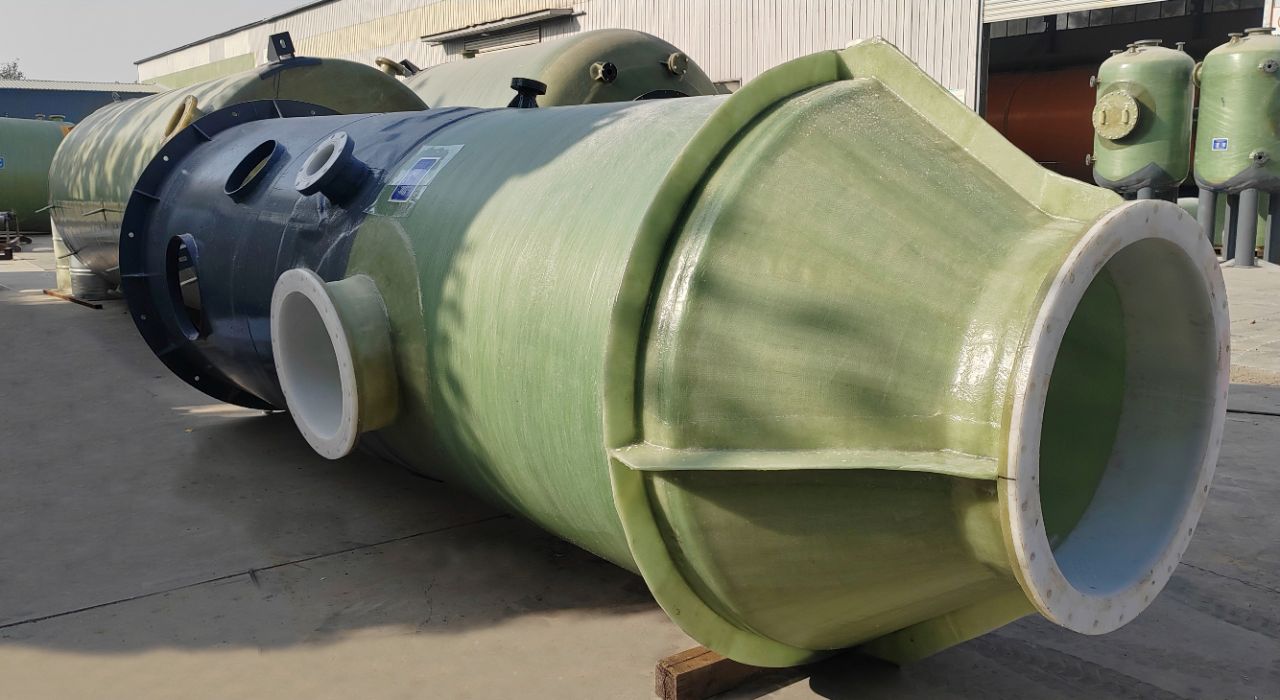
Effective FRP Absorption Tower Maintenance is essential for ensuring reliable waste gas treatment, stable operating performance, and long equipment service life. Regular Inspection, scheduled Tower Cleaning, spray system maintenance, packing evaluation, and structural checks all contribute to maintaining high absorption efficiency.
Instead of waiting until performance declines or equipment fails, industrial facilities should establish a preventive maintenance program based on operating conditions and inspection records. A well-maintained FRP Absorption Tower not only improves environmental compliance but also reduces maintenance costs, minimizes downtime, and maximizes the return on equipment investment.
By implementing systematic FRP Absorption Tower Maintenance, performing regular Inspection, and following proper Tower Cleaning procedures, chemical plants and other industrial facilities can achieve consistent gas treatment performance and reliable long-term operation.