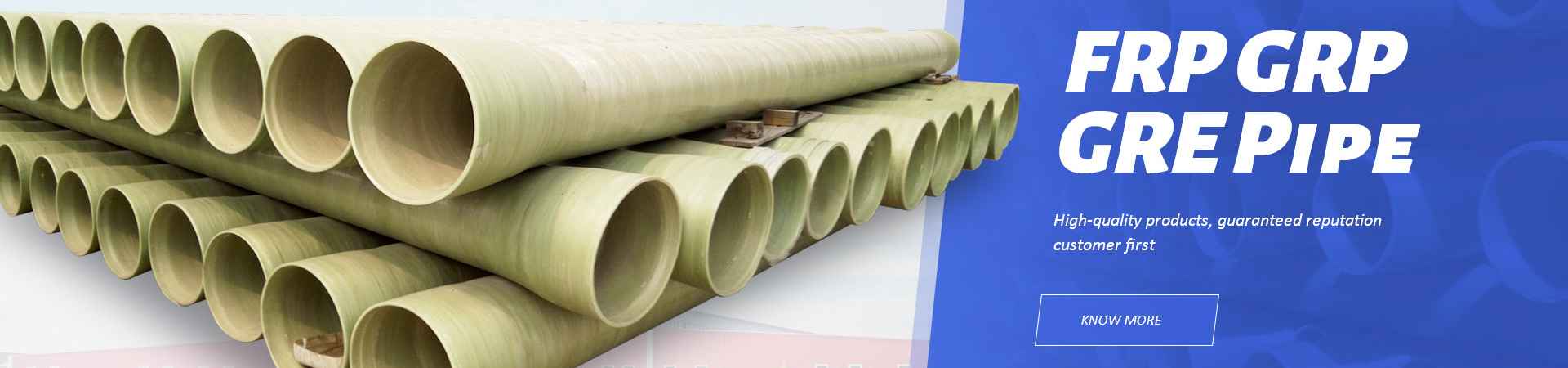

An FRP Acid Mist Scrubber is an important industrial gas treatment system designed to remove corrosive acid mist and chemical vapors generated during production processes. It is widely used in chemical manufacturing, electroplating workshops, metal pickling lines, fertilizer plants, and other industries where acidic emissions must be controlled before discharge.
Acid mist is different from ordinary industrial dust or exhaust gas because it contains highly corrosive liquid particles and chemical vapors. Continuous exposure to hydrochloric acid, sulfuric acid, nitric acid, or other acidic substances can rapidly damage conventional metal equipment and create safety risks inside production facilities.To solve these challenges, many industries use FRP Scrubber Towers because fiberglass reinforced plastic materials provide excellent corrosion resistance, lightweight construction, and long service life. Compared with traditional steel scrubbers, FRP systems are better suited for environments where chemical corrosion is a continuous operating condition rather than an occasional problem.
With stricter environmental regulations and higher requirements for workplace safety, acid mist treatment systems have become an essential part of modern industrial production. A properly designed Acid Mist Scrubber System not only improves emission control performance but also reduces equipment maintenance caused by corrosion damage.
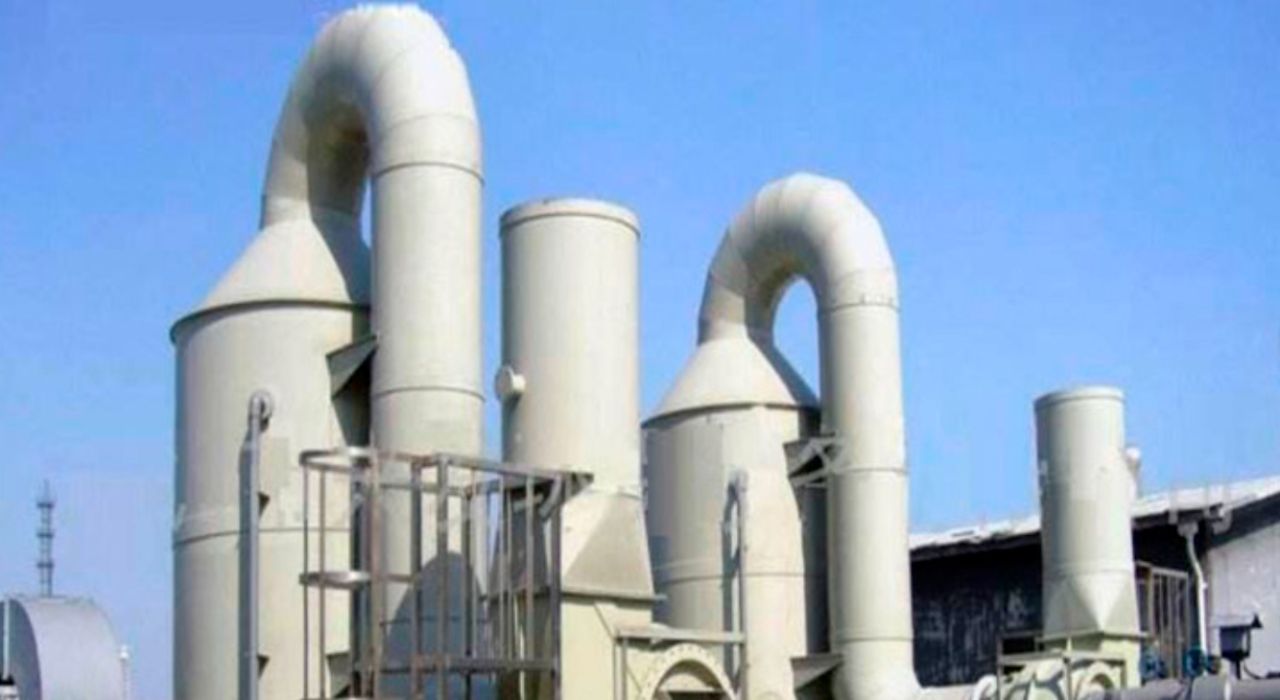
An FRP Acid Mist Scrubber is a vertical gas treatment device that removes acidic particles and corrosive gases from industrial exhaust streams through gas-liquid absorption. The system uses a circulating liquid solution to capture acid mist particles and neutralize harmful components before treated gas is released.
The main structure usually consists of an FRP tower shell, spray distribution system, packing section, liquid circulation system, mist eliminator, and exhaust connection components. Each part plays a specific role in maintaining stable gas treatment performance.
During operation, contaminated exhaust gas enters the lower section of the scrubber tower and moves upward. At the same time, absorbent liquid is sprayed from the upper section and flows downward. When gas and liquid contact each other, acid mist particles are captured and transferred into the liquid phase.
Unlike simple filtration equipment, an acid mist scrubber relies on controlled mass transfer and chemical reaction. The efficiency of the system depends on factors such as gas velocity, liquid distribution, contact area, chemical concentration, and internal tower design.
For this reason, the design of an FRP Acid Mist Scrubber System requires both material engineering and process engineering knowledge.
The working principle of an FRP Acid Mist Scrubber is based on gas-liquid contact and absorption technology. During operation, acidic exhaust gas enters the tower and passes through a region where it interacts with circulating scrubbing liquid.
The spray system creates fine liquid droplets that increase the contact area between gas and liquid phases. Acid mist particles are captured by these droplets through collision, diffusion, and absorption mechanisms. The contaminated liquid then flows back into the circulation system for further treatment or chemical adjustment.
In many industrial applications, chemical neutralization occurs during the absorption process. For example, alkaline solutions may be used to neutralize acidic components such as hydrochloric acid or sulfuric acid mist. The chemical reaction converts corrosive substances into more stable compounds that can be safely managed.
The efficiency of the system depends heavily on uniform liquid distribution. If spray coverage is uneven, some areas inside the tower may receive insufficient liquid contact, reducing overall removal efficiency.
Gas flow conditions are also important. Excessive gas velocity can reduce contact time and increase liquid carryover, while insufficient airflow control may reduce treatment capacity. Therefore, proper hydraulic design is necessary to achieve stable operation.
Acid mist environments represent some of the most aggressive conditions in industrial equipment operation. Continuous exposure to hydrochloric acid, sulfuric acid, nitric acid, and chloride-containing vapors can quickly damage carbon steel structures, even when protective coatings are applied.
The advantage of an FRP Scrubber Tower comes from the material structure itself. Fiberglass reinforcement provides mechanical strength, while corrosion-resistant resin creates a protective matrix capable of resisting chemical attack.
Different resin systems can be selected according to application requirements. Vinyl ester resin is commonly used for strong acid environments because of its excellent chemical resistance. Epoxy resin provides higher mechanical performance, while polyester resin can be applied in less aggressive conditions.
Compared with metal equipment, FRP structures do not depend on surface coatings as the primary corrosion barrier. This reduces the risk of coating failure, rust formation, and localized corrosion during long-term operation.
However, material selection should always consider actual process conditions, including acid concentration, temperature, chemical composition, mechanical loading, and expected service life. A properly selected FRP structure can significantly improve equipment reliability in corrosive industrial environments.
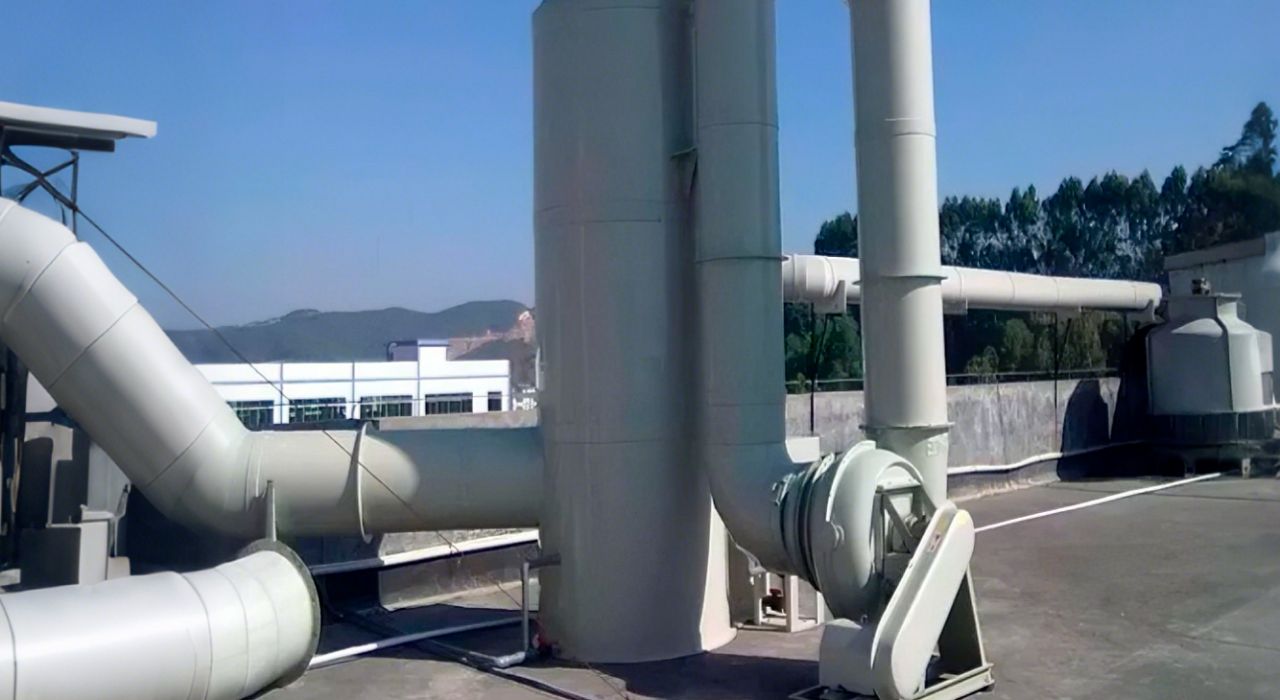
Chemical manufacturing is one of the largest application areas for FRP Acid Mist Scrubber Systems because many chemical processes generate corrosive gases during production, reaction, storage, and transportation.
Processes involving hydrochloric acid, sulfuric acid, chlorine compounds, and other chemical materials may release acidic vapors that require effective treatment before atmospheric discharge. Without proper exhaust control, these emissions can damage nearby equipment and create environmental compliance issues.
In chemical plants, an FRP scrubber tower captures acidic components through absorption and neutralization. The contaminated gas passes through the tower, where acid mist contacts the scrubbing liquid and is removed from the gas stream.
For example, hydrochloric acid processes may generate HCl mist that is highly corrosive to ventilation systems and production equipment. Through controlled absorption, the scrubber reduces acid concentration in exhaust gas and improves the overall safety of the production environment.
Chemical plants usually operate continuously, which means equipment reliability is a major consideration. The corrosion resistance and long service life of FRP materials make them suitable for these demanding applications.
The electroplating industry is one of the most common users of Electroplating Fume Scrubber systems because plating processes frequently involve strong acidic solutions.
During surface cleaning, metal activation, and plating preparation, chemicals such as hydrochloric acid, sulfuric acid, and nitric acid are commonly used. These processes generate acid fumes that can spread throughout workshops if not properly collected and treated.
An electroplating scrubber system captures these fumes through spray absorption technology. Acid particles are transferred from the gas phase into the liquid phase, reducing the concentration of harmful substances before exhaust release.
Electroplating facilities often face challenging operating conditions because multiple production lines may operate simultaneously, creating variable airflow and pollutant loads. Therefore, scrubber design must consider actual workshop conditions rather than only theoretical exhaust capacity.
FRP construction provides advantages in these environments because plating workshops usually contain high humidity combined with chemical vapors. Traditional metal systems may experience accelerated corrosion, while FRP towers maintain stable performance over long operating periods.
Metal pickling processes use acidic solutions to remove oxide layers, rust, and surface contaminants from steel products. During this process, large amounts of acid vapor and mist can be generated, especially when hydrochloric acid or sulfuric acid solutions are used.
A Pickling Line Exhaust Treatment system must handle continuous acidic emissions while maintaining reliable operation. The combination of acid concentration, humidity, and elevated temperature creates a highly corrosive environment for exhaust equipment.
An FRP Acid Mist Scrubber installed in pickling systems captures acid droplets and neutralizes harmful components before discharge. This protects workers, reduces environmental impact, and prevents corrosion damage to surrounding facilities.
Because pickling lines often operate continuously, system stability is critical. The scrubber must maintain consistent airflow, liquid circulation, and corrosion resistance throughout long-term production cycles.
FRP materials are widely selected for these applications because they provide reliable chemical resistance under continuous acidic exposure.
A complete FRP Scrubber Tower consists of several major components that work together to achieve effective acid mist removal.
The FRP tower shell provides the primary structural protection against corrosion. Its design depends on operating pressure, chemical exposure, temperature, and mechanical requirements. Proper laminate design ensures long-term structural stability.
The spray system is responsible for distributing scrubbing liquid inside the tower. Uniform spray coverage is essential because uneven distribution can create areas with insufficient gas-liquid contact.
The packing section improves absorption efficiency by increasing contact surface area. Different packing materials can be selected depending on gas characteristics, pressure drop requirements, and fouling risks.
The mist eliminator removes fine liquid droplets from treated gas before discharge. This prevents secondary emissions and protects downstream equipment from corrosion caused by liquid carryover.
Although FRP Scrubber Towers provide excellent corrosion resistance, regular operation monitoring is still necessary to maintain stable performance.
Important parameters include pressure drop, liquid circulation rate, spray nozzle condition, chemical concentration, and fan performance. Changes in these parameters may indicate problems such as packing blockage, scaling, or insufficient liquid distribution.
Over time, impurities and chemical deposits may accumulate inside the system. Without proper maintenance, these issues can reduce absorption efficiency and increase energy consumption.
Preventive inspection and proper operating control help maintain stable performance throughout the service life of the scrubber system.
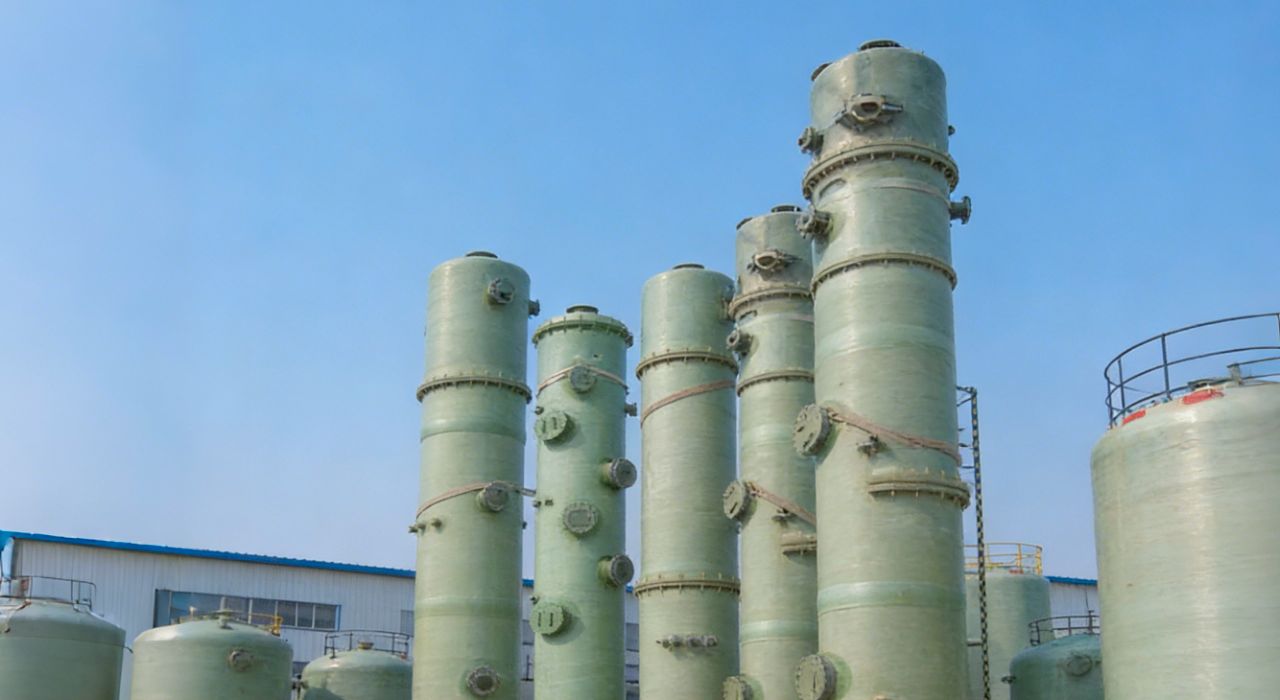
Traditional metal scrubbers have been widely used in industrial exhaust treatment, but their performance is often limited in highly corrosive environments.
Steel equipment usually requires protective coatings or additional corrosion-resistant layers. Over time, coating damage can expose the metal surface and accelerate corrosion.
In contrast, an FRP Acid Mist Scrubber provides inherent corrosion resistance through composite material technology. This makes it more suitable for industries involving continuous acid exposure, high humidity, and chemical vapors.
However, the correct choice depends on actual operating conditions. Metal equipment may still be suitable for certain applications with lower corrosion levels, while FRP systems provide advantages in aggressive chemical environments.
An FRP Acid Mist Scrubber plays an important role in industrial emission control systems where corrosive acid mist must be removed safely and efficiently. Its applications in chemical plants, electroplating facilities, and pickling lines demonstrate the importance of corrosion-resistant gas treatment technology.
The performance of the system depends on multiple factors, including FRP material selection, tower design, spray distribution, chemical solution, and operating management.
By selecting the correct scrubber design and maintaining stable operating conditions, industries can achieve reliable acid mist removal, lower corrosion-related maintenance costs, and long-term environmental compliance.