
Choosing the right FRP Absorption Tower Manufacturer is an important decision for chemical plants, industrial gas treatment projects, and environmental protection systems. An absorption tower must not only resist corrosion but also achieve stable gas purification performance under continuous operation.
Industries such as chemical manufacturing, fertilizer production, electroplating, metallurgy, and pharmaceutical processing often generate corrosive gases including HCl, SO₂, chlorine, ammonia, and acid mist. These gases require reliable treatment equipment to meet environmental regulations and protect production facilities.
However, selecting an FRP absorption tower supplier should not be based only on equipment price. The manufacturer’s engineering experience, material technology, production capability, and after-sales support directly influence the system’s efficiency, reliability, and service life.
A professional FRP Absorption Tower Supplier should provide more than a fiberglass vessel. The supplier should understand the complete gas treatment process and deliver a customized solution based on actual operating conditions.
An FRP Absorption Tower operates in one of the most demanding industrial environments. During operation, the equipment is exposed to corrosive gases, chemical absorbents, moisture, and temperature variations. Any weakness in design or manufacturing can lead to reduced treatment efficiency, increased maintenance costs, and unexpected downtime.
Although many companies can manufacture basic FRP products, industrial absorption towers require deeper process knowledge. The manufacturer must understand the relationship between gas flow, liquid distribution, packing selection, chemical reaction, and corrosion resistance.
For example, an absorption tower used for HCl gas treatment requires different design considerations compared with a tower used for ammonia or chlorine removal. The resin system, internal structure, packing type, and operating parameters must be selected according to the specific application.
Therefore, choosing an experienced manufacturer helps ensure that the final equipment is designed for real working conditions rather than based on standard assumptions.
The first step in selecting an FRP Absorption Tower Manufacturer is checking the company’s industry experience.
Waste gas treatment projects vary significantly between industries. Chemical plants may handle highly concentrated acid gases, while electroplating facilities may produce acid mist with high humidity and mixed pollutants. Different applications require different equipment configurations.
A manufacturer with experience in chemical processing, surface treatment, fertilizer production, and other industrial fields usually has a better understanding of these challenges. They can recommend suitable tower structures, absorbent systems, and internal components according to customer requirements.
Project experience also reflects the supplier’s ability to handle customized solutions. Large industrial customers may require special tower dimensions, higher corrosion resistance, integration with existing ventilation systems, or specific emission requirements.
Before cooperation, customers should review the manufacturer’s previous projects, technical cases, and application experience to confirm whether the supplier has handled similar operating conditions.
Material selection is one of the most important factors affecting the performance of an FRP absorption tower.
The main advantage of fiberglass reinforced plastic is its excellent corrosion resistance, but this performance depends on proper resin selection and manufacturing technology.
For highly corrosive environments, vinyl ester resin is commonly used because it provides strong resistance against acids, alkalis, and chemical vapors. It is widely applied in chemical plants and industrial scrubber systems where long-term corrosion protection is required.
Epoxy resin provides excellent mechanical strength and good chemical stability, while polyester resin is often selected for general corrosion environments with moderate requirements.
A professional manufacturer should not simply choose materials based on cost. The supplier should evaluate the actual operating environment, including gas composition, temperature, chemical concentration, and expected service life.
In addition to resin selection, the manufacturer should control fiberglass reinforcement, laminate thickness, curing quality, and structural design. These factors determine whether the tower can maintain reliable performance during long-term operation.
A high-quality FRP absorption tower requires professional engineering design rather than simple fabrication.
During the design stage, experienced engineers analyze key operating conditions such as gas flow rate, pollutant concentration, temperature, pressure drop, liquid circulation rate, and required removal efficiency.
These parameters influence the tower diameter, packing height, spray system design, and internal configuration. Poor design may result in insufficient gas-liquid contact, unstable operation, or higher operating costs.
The packing system is especially important because it directly affects absorption efficiency. Random packing is often suitable for applications where gas streams contain dust or impurities because it provides better fouling resistance. Structured packing may be selected when higher mass transfer efficiency is required.
The liquid distribution system is another critical factor. Proper nozzle arrangement ensures uniform liquid coverage across the packing area, improving gas-liquid contact and maintaining stable absorption performance.
A reliable FRP Absorption Tower Manufacturer should be capable of providing customized designs according to installation conditions, production capacity, and environmental requirements.
Manufacturing quality directly affects the reliability of an FRP absorption tower.
FRP equipment production requires strict control of raw materials, fiberglass layers, resin application, curing process, and final inspection. Poor manufacturing practices may reduce mechanical strength or shorten equipment service life.
A professional supplier should have standardized manufacturing procedures and inspection processes to ensure consistent product quality.
Important quality checks may include material verification, dimensional inspection, laminate thickness testing, surface inspection, and final performance verification.
For large industrial towers, manufacturing accuracy is particularly important because incorrect dimensions may create installation difficulties and affect system operation.
A reliable manufacturer should also provide complete technical documents, including engineering drawings, installation instructions, operation manuals, and inspection records. These documents help customers complete installation and future maintenance more effectively.
For large-scale industrial projects, choosing a supplier with system integration experience provides additional advantages.
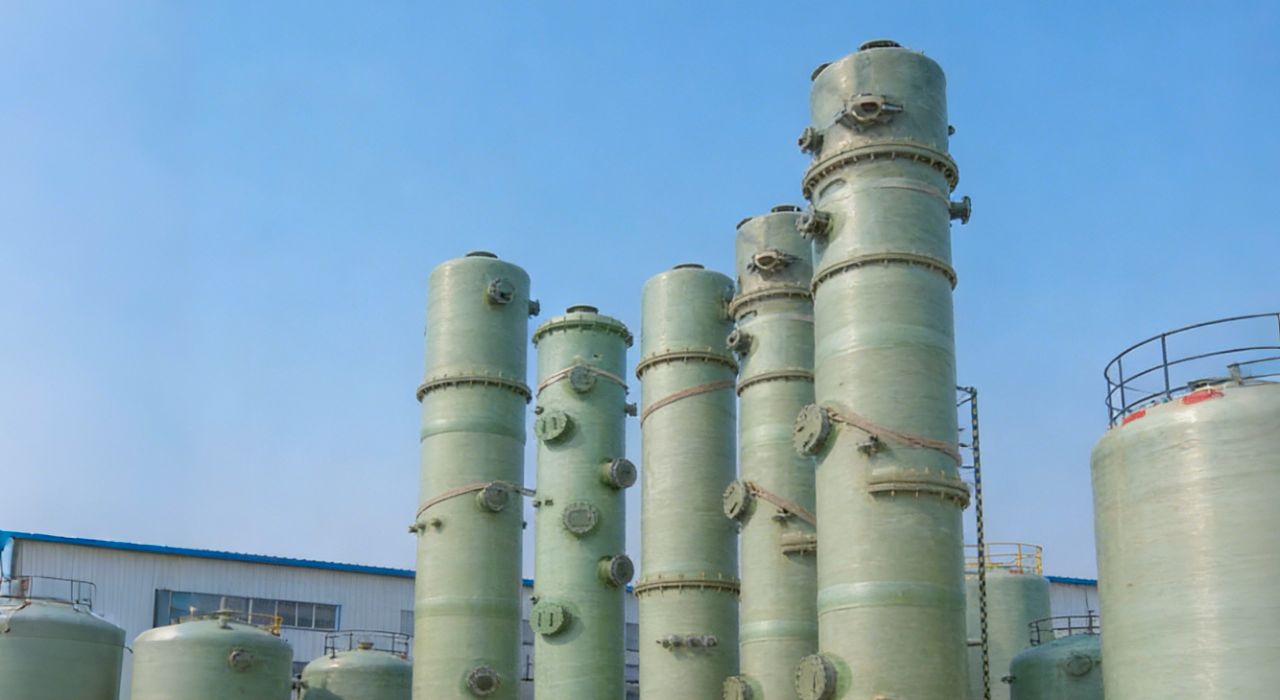
An FRP Absorption Tower is usually part of a complete waste gas treatment system, which may include circulation pumps, chemical dosing equipment, storage tanks, mist eliminators, fans, and control systems.
A manufacturer with EPC or system engineering experience can evaluate the entire treatment process instead of focusing only on the tower itself. This helps improve equipment matching, reduce installation problems, and achieve better overall performance.
For overseas projects, technical communication and project management capability are also important. A supplier that can provide engineering support throughout design, manufacturing, installation, and commissioning can significantly reduce project risks.
Long-term technical support is another important factor when selecting an FRP absorption tower supplier.
Although FRP materials provide excellent corrosion resistance, internal components such as packing, spray nozzles, pumps, and circulation systems still require regular inspection and maintenance.
A professional manufacturer should provide installation guidance, operation recommendations, and troubleshooting support after delivery.
During operation, problems such as nozzle blockage, packing fouling, or chemical imbalance may affect absorption performance. Fast technical support helps customers maintain stable operation and reduce downtime.
A supplier that provides continuous technical assistance demonstrates confidence in its equipment quality and engineering capability.
When comparing different suppliers, customers should consider the overall value rather than focusing only on the initial quotation.
A low-cost tower may appear attractive, but lower prices can sometimes result from cheaper materials, simplified design, or reduced manufacturing control. These factors may increase maintenance problems and operating risks in the future.
A reliable supplier should provide clear technical information, explain the proposed design, and demonstrate experience with similar applications.
The best manufacturer is not necessarily the one offering the lowest price. It is the supplier that can provide the most suitable technical solution, reliable equipment quality, and long-term service support.
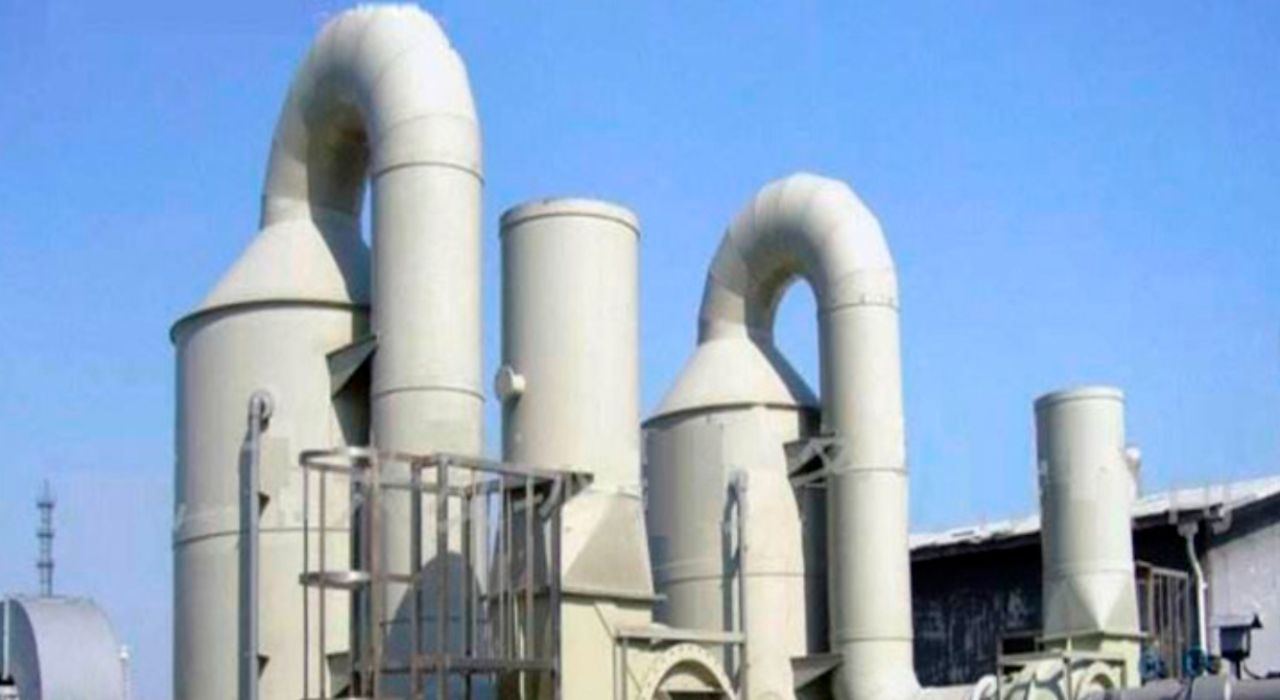
Selecting the right FRP Absorption Tower Manufacturer requires careful evaluation of engineering knowledge, material technology, manufacturing quality, and project experience.
A professional supplier should understand both FRP manufacturing and industrial gas treatment processes. By providing customized design, reliable production, and technical support, the manufacturer can help customers achieve efficient waste gas treatment and stable long-term operation.
For chemical plants and industrial facilities, working with an experienced FRP Absorption Tower Supplier is the key to obtaining a durable, corrosion-resistant, and high-performance absorption system.
The right supplier is not simply an equipment provider but a long-term engineering partner capable of delivering reliable solutions for demanding industrial environments.