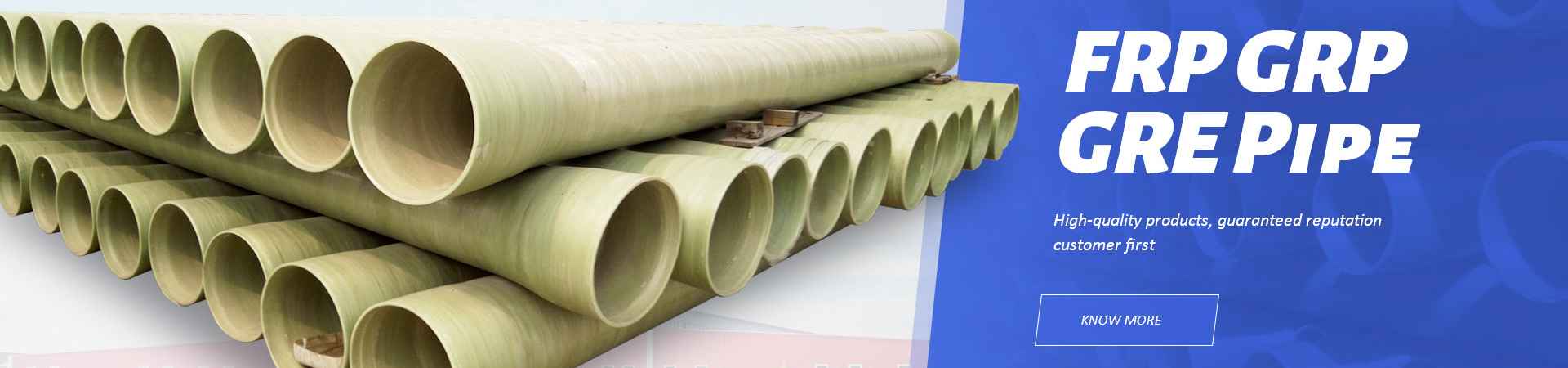

Understanding FRP Absorption Tower Cost is an important step when planning an industrial waste gas treatment project. For chemical plants, fertilizer factories, electroplating facilities, and other industries producing corrosive exhaust gases, an absorption tower is not only a corrosion-resistant vessel but also a complete treatment system combining gas-liquid absorption technology, chemical reaction control, material engineering, and customized design.
The final FRP Absorption Tower Price depends on many factors, including tower size, exhaust gas conditions, material selection, internal components, manufacturing technology, and installation requirements. A small acid mist treatment system and a large industrial gas purification system may have completely different cost structures.
Many buyers focus only on the initial quotation when selecting equipment suppliers. However, the lowest price does not always provide the best long-term value. A professionally designed FRP Absorption Tower can offer stable treatment performance, lower maintenance requirements, and longer service life.
This article explains the major factors affecting FRP Absorption Tower Cost and helps buyers understand how equipment design, materials, manufacturing, and project conditions influence the final investment.
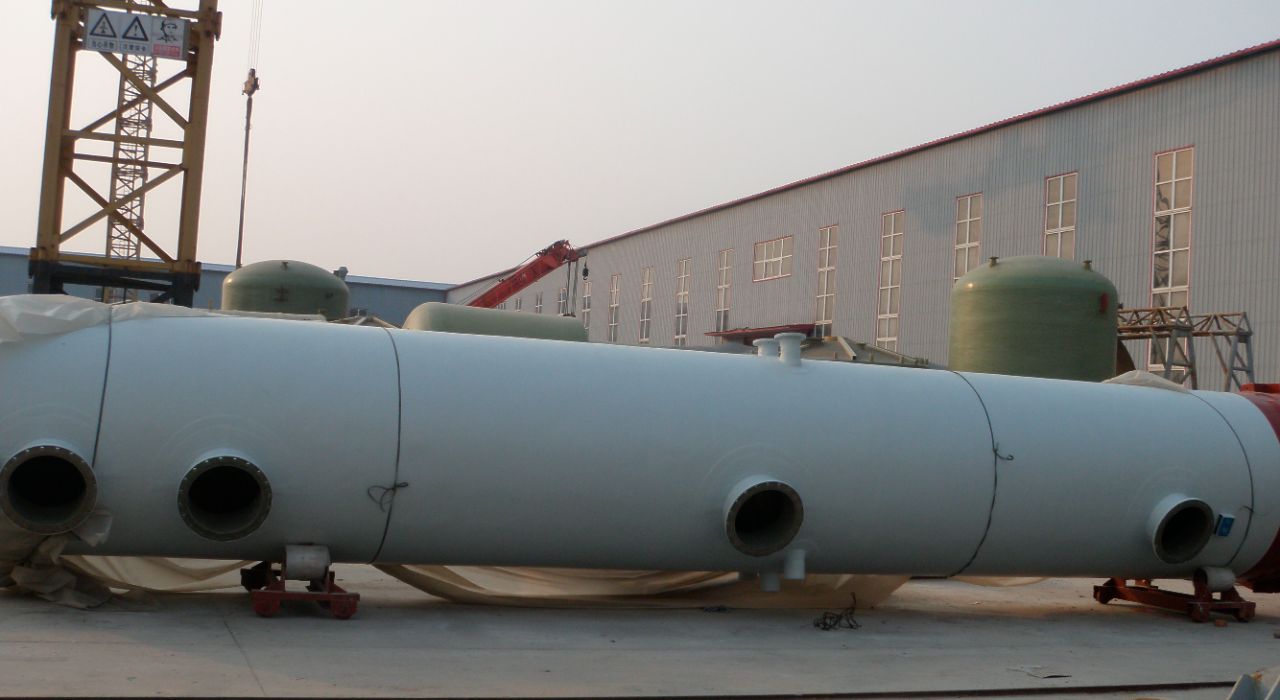
The cost of an FRP Absorption Tower is mainly determined by the actual requirements of the waste gas treatment process. Unlike standard equipment, absorption towers are usually customized according to different industrial applications.
The first factor is exhaust gas treatment capacity. The gas flow rate determines the tower diameter, height, packing volume, liquid circulation capacity, and supporting equipment size. A large chemical production line requires a larger absorption system compared with a small workshop ventilation project.
Pollutant characteristics also directly affect the equipment price. Different gases require different absorption methods and corrosion protection levels. For example, systems treating hydrochloric acid gas require strong acid resistance, while ammonia treatment systems may require different absorbent solutions and process designs.
Operating temperature, humidity, and chemical concentration are also important considerations. More aggressive operating conditions usually require higher-performance FRP materials and more advanced internal designs, increasing the initial investment.
Therefore, FRP Absorption Tower Cost is not determined only by tower dimensions. The complete process requirements and operating environment play a decisive role in the final quotation.
Material selection is one of the most important factors affecting the performance and cost of an FRP Absorption Tower. FRP is widely used in industrial gas treatment because it provides excellent corrosion resistance compared with traditional metal equipment.
Different resin systems are selected according to application requirements. Vinyl ester resin is commonly used in highly corrosive environments because it provides excellent resistance against acids, alkalis, solvents, and chemical vapors. It is often selected for chemical plants and continuous industrial scrubber applications.
Polyester resin is suitable for general corrosion environments where operating conditions are less severe and cost efficiency is important. Epoxy resin provides strong mechanical performance and can be used in applications requiring additional structural strength.
However, resin type is only one part of FRP performance. Fiberglass reinforcement structure, laminate thickness, curing quality, and manufacturing technology also influence equipment reliability.
Using lower-quality materials may reduce the initial FRP Absorption Tower Price, but it can increase maintenance problems and shorten service life. For industrial applications operating continuously, selecting the correct FRP material system usually provides better long-term economic benefits.
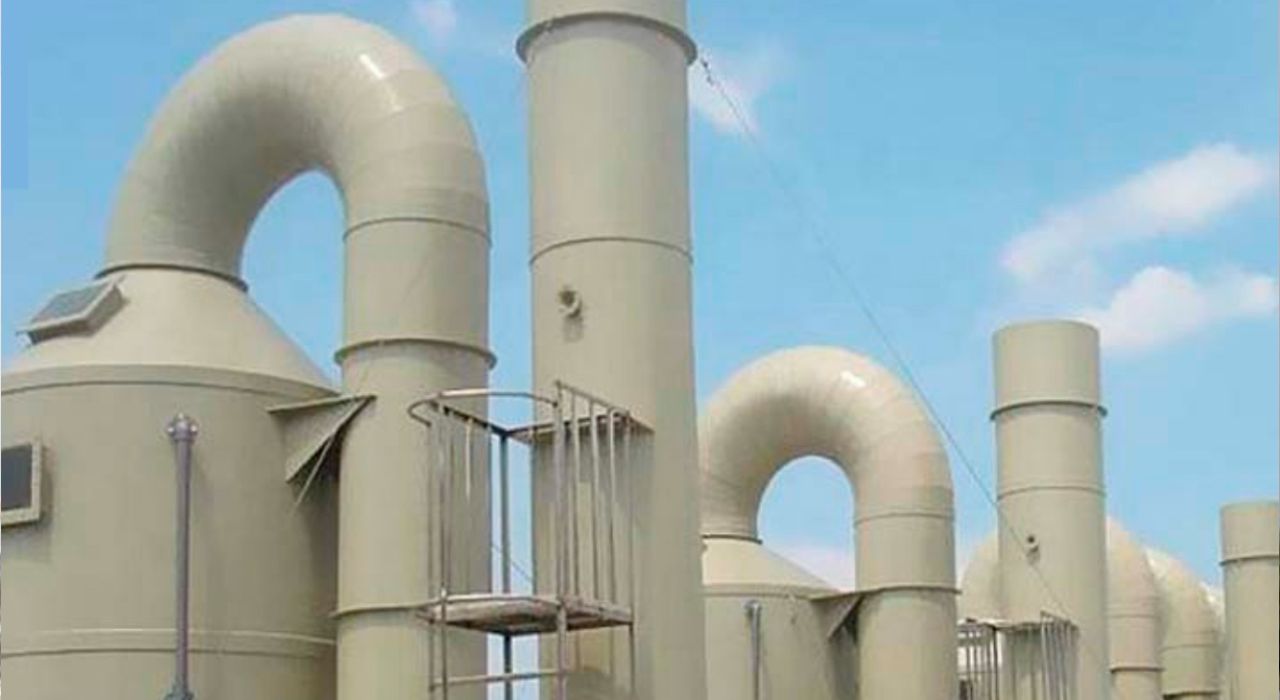
The design quality of an FRP Absorption Tower has a direct influence on both equipment cost and treatment efficiency. A professional FRP Absorption Tower Manufacturer does not simply manufacture equipment according to standard sizes but evaluates the complete process conditions before designing the system.
Important design parameters include gas flow rate, pollutant concentration, operating temperature, removal efficiency requirements, liquid circulation rate, and pressure drop limitations. These factors determine tower dimensions, packing selection, spray system configuration, and internal structure.
The gas-liquid contact section is especially important because absorption efficiency depends on how effectively pollutants transfer from gas into liquid. Poor design may result in higher chemical consumption, unstable operation, and reduced treatment performance.
Manufacturing quality also affects the final price. FRP production requires accurate control of fiberglass layers, resin application, curing conditions, and structural thickness. A well-manufactured tower provides reliable corrosion resistance and mechanical stability during long-term operation.
A professional supplier usually invests more in engineering design and quality control because these factors directly influence equipment reliability.
Although the FRP shell provides corrosion protection, the internal components determine the absorption efficiency of the system. Therefore, packing materials, liquid distribution systems, and mist eliminators are important parts of the total FRP Absorption Tower Cost.
Packing materials increase the contact area between gas and liquid, improving mass transfer efficiency. Random packing is commonly used because it provides good absorption performance and better resistance to fouling. Structured packing is selected when higher efficiency and lower pressure drop are required.
The liquid distribution system is another key component. Spray nozzles and distributors must provide uniform liquid coverage throughout the packing section. Poor liquid distribution can reduce absorption efficiency and create unstable operating conditions.
Mist eliminators are installed at the outlet section to remove fine liquid droplets before treated gas leaves the tower. This helps reduce secondary emissions and protects downstream equipment from corrosion.
Additional equipment such as circulation pumps, chemical dosing systems, storage tanks, monitoring instruments, and control systems also influence the overall investment of an Industrial Waste Gas Treatment System.
The equipment purchase price represents only part of the total project investment. Installation conditions and supporting systems can significantly affect the final cost of an FRP Absorption Tower project.
Installation costs may include transportation, lifting, foundation preparation, pipeline connection, electrical installation, and commissioning support. Large FRP towers require careful handling because improper installation may affect structural performance.
A complete Industrial Waste Gas Treatment System usually includes exhaust fans, circulation pumps, chemical storage equipment, control panels, and monitoring devices. These supporting components must work together with the absorption tower to achieve stable treatment performance.
After installation, operating costs should also be considered. Energy consumption mainly comes from fans and circulation pumps, while chemical consumption depends on absorbent selection and process efficiency.
A properly designed absorption tower can reduce unnecessary energy usage, minimize chemical waste, and lower maintenance requirements throughout its service life.
Selecting a cost-effective FRP Absorption Tower does not mean choosing the cheapest quotation. The best solution should provide a balance between investment cost, treatment efficiency, reliability, and long-term operating value.
When evaluating suppliers, customers should consider the manufacturer’s engineering experience, FRP production capability, project history, and technical support ability.
A reliable FRP Absorption Tower Supplier should analyze actual operating conditions before recommending equipment. Gas composition, flow rate, temperature, pollutant concentration, and emission requirements should all be considered during the design process.
The supplier should also provide complete technical support, including design confirmation, manufacturing communication, installation guidance, and after-sales service.
Choosing the right supplier helps avoid problems caused by unsuitable materials, incorrect design, or insufficient treatment capacity.
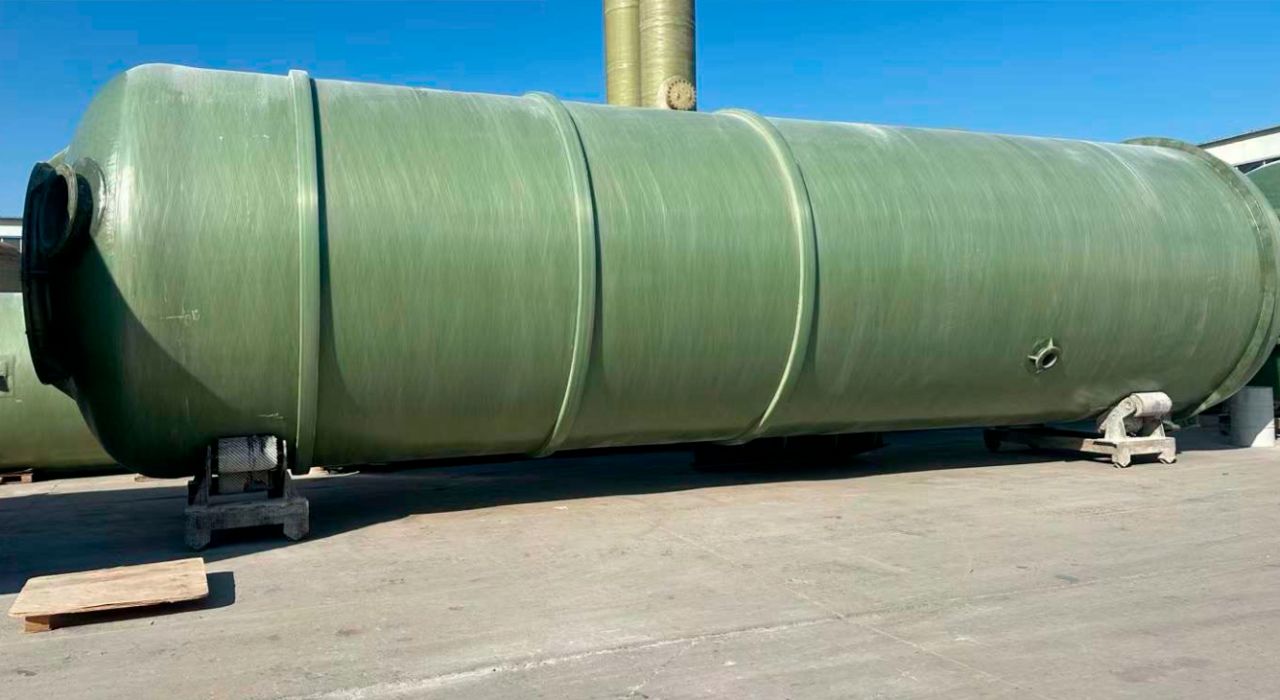
The final FRP Absorption Tower Cost is influenced by many factors, including equipment capacity, material selection, tower design, internal components, manufacturing quality, and installation requirements.
A high-quality FRP Absorption Tower is not simply a corrosion-resistant container. It is a complete gas purification solution that combines FRP technology, absorption processes, and engineering design to achieve reliable industrial waste gas treatment.
For chemical plants and industrial facilities, working with an experienced FRP Absorption Tower Manufacturer ensures that the equipment matches actual production conditions and provides stable long-term performance.
A professionally designed FRP Absorption Tower may require a higher initial investment, but it can deliver better corrosion resistance, lower maintenance costs, and longer service life, making it a more economical choice for demanding industrial applications.