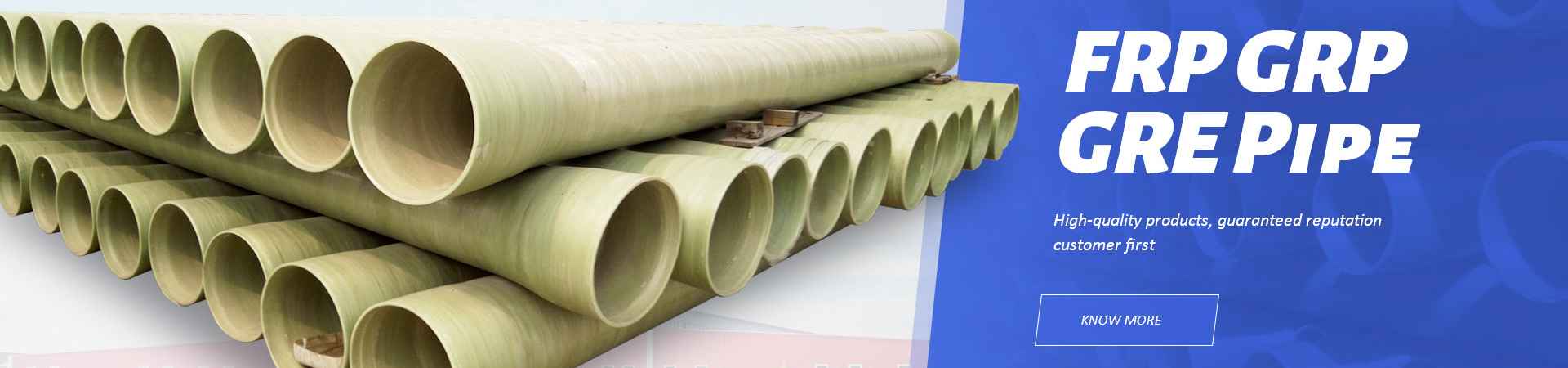

The manufacturing quality of an FRP Absorption Tower directly affects its corrosion resistance, structural strength, and long term operating performance. For chemical plants and industrial waste gas treatment projects, selecting an experienced FRP Tower Manufacturer is therefore an important part of project planning.
An absorption tower is not simply a plastic vessel. Its performance depends on resin selection, fiberglass reinforcement, fabrication methods, curing conditions, dimensional accuracy, and final inspection. A controlled FRP Fabrication Process allows the tower to be manufactured according to specific chemical, temperature, airflow, and structural requirements.
From material preparation to final quality inspection, every manufacturing stage contributes to the reliability of the finished equipment. Understanding this process can also help buyers evaluate whether an FRP supplier has the technical capability required for demanding industrial applications.
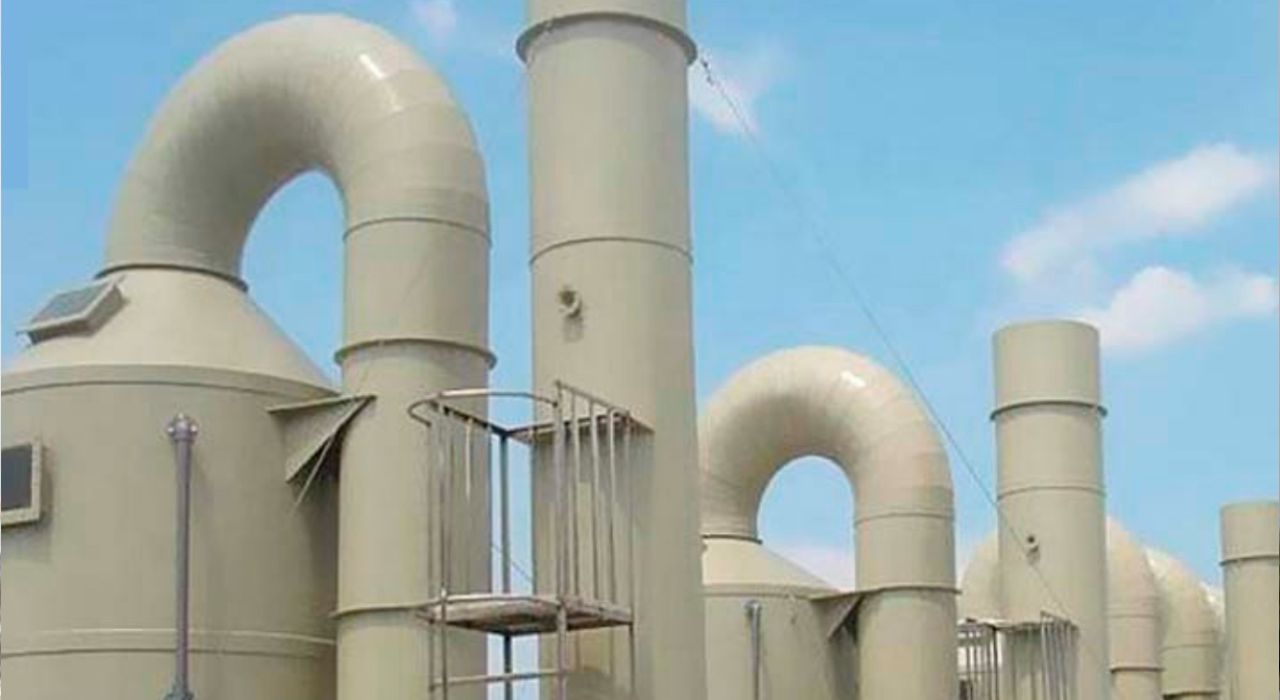
The manufacturing process starts with material selection. Before fabrication begins, the FRP Tower Manufacturer needs to understand the actual operating environment and determine which resin and reinforcement system are appropriate.
Gas composition, chemical concentration, operating temperature, humidity, and expected service conditions all influence resin selection. Polyester resin can be suitable for general corrosion environments, while vinyl ester resin is often preferred when the tower will be exposed to more aggressive acids, alkalis, or chemical vapors.
Fiberglass reinforcement is selected according to the structural requirements of the tower. Fiber type, reinforcement arrangement, laminate thickness, and fiber content all contribute to the mechanical performance of the finished structure.
The internal corrosion barrier also requires careful attention. Since the inner surface is continuously exposed to corrosive gases and circulating liquids, the corrosion resistant layer must be properly designed and manufactured before the structural layers are applied.
The FRP Fabrication Process combines fiberglass reinforcement with resin to create a composite structure that provides both mechanical strength and chemical resistance. The manufacturing method depends on the tower dimensions, shape, wall structure, and customized requirements.
For cylindrical tower sections, filament winding is an efficient manufacturing method. During filament winding, continuous fiberglass strands are impregnated with resin and wound around a mandrel according to a controlled pattern. The winding angle and number of layers can be adjusted according to the required structural performance.
This method provides consistent fiber placement and good production repeatability, making it suitable for large cylindrical FRP components.
However, filament winding is not suitable for every part of an absorption tower. Components such as flanges, nozzles, access openings, supports, tower bottoms, and customized sections may require hand lay-up or other fabrication techniques.
Filament winding and hand lay-up are complementary processes in the production of industrial FRP equipment.
Filament winding is mainly used for cylindrical structures where controlled fiber orientation can provide efficient reinforcement. The process also helps maintain consistent laminate quality across repeated production.
Hand lay-up provides greater flexibility for complicated shapes and localized reinforcement. Fiberglass layers are positioned manually and impregnated with resin according to the engineering requirements. Additional reinforcement can be added around openings, flanges, supports, and other areas exposed to higher mechanical stress.
For many large FRP Absorption Towers, these two methods are used together. The main cylindrical body can be manufactured through controlled winding, while customized components are fabricated and reinforced through hand lay-up.
This combination allows the manufacturer to balance production efficiency with the flexibility required for customized industrial equipment.
Proper resin application is essential to the quality of the final FRP structure. During fabrication, fiberglass reinforcement must be adequately impregnated to avoid dry areas, voids, or weak sections within the laminate.
The resin to fiber ratio also needs to remain within the specified manufacturing range. Excessive resin may affect structural efficiency, while insufficient resin can reduce bonding and corrosion protection.
Curing is another important stage of the FRP Fabrication Process. The resin needs sufficient time and appropriate conditions to develop its required mechanical and chemical properties. Inadequate curing can affect hardness, strength, chemical resistance, and long term stability.
A professional FRP Tower Manufacturer therefore maintains controlled production conditions and follows established curing procedures rather than relying only on visual inspection.
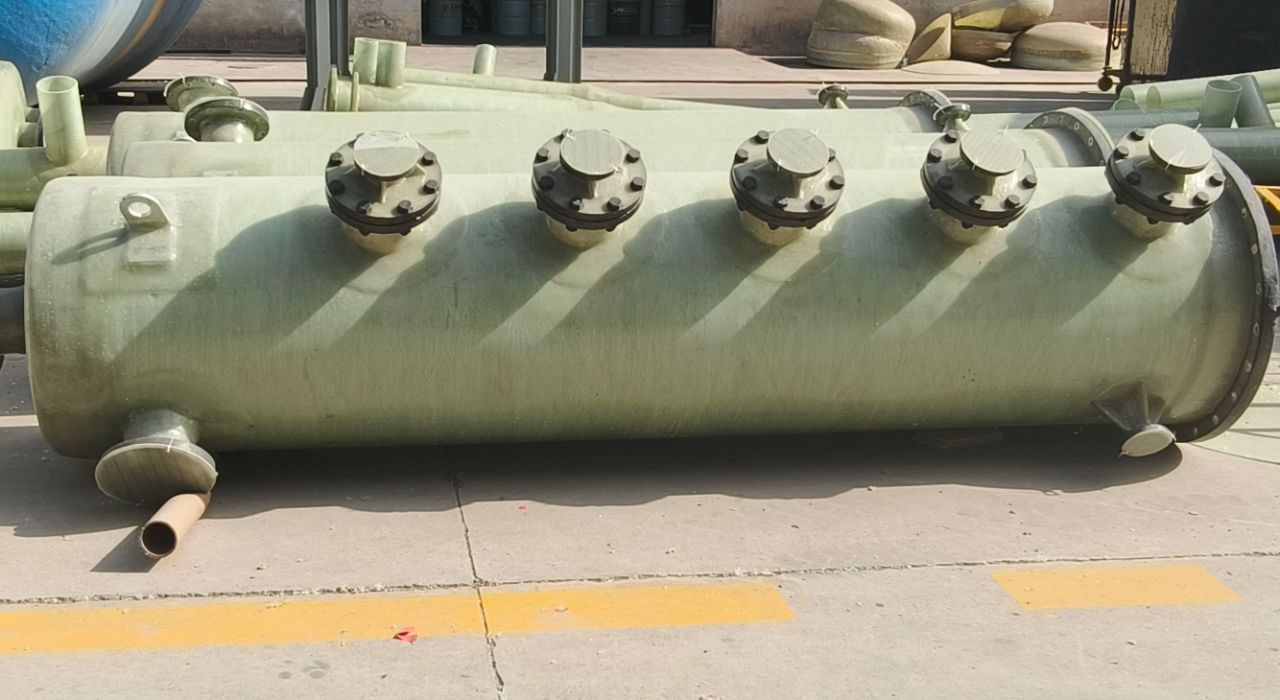
Once fabrication and curing are completed, the tower undergoes dimensional and structural inspection.
Key dimensions such as tower diameter, height, flange positions, nozzle locations, connection points, and other critical measurements are checked against the approved engineering drawings. This is particularly important for large towers because dimensional errors can create difficulties during transportation, installation, or connection with other process equipment.
The FRP surface is also inspected for visible defects. Technicians look for cracks, delamination, exposed fibers, resin-rich areas, bubbles, surface damage, and other abnormalities that could affect equipment performance.
If defects are identified, they should be evaluated and repaired according to the manufacturer's quality procedures before the equipment proceeds to final inspection.
Quality control does not end with visual and dimensional inspection. Depending on project requirements, the completed FRP Absorption Tower may undergo water testing, leakage testing, or other specified inspection procedures.
Special attention should be given to flanges, nozzles, joints, and connection areas because these locations may experience additional mechanical stress during installation and operation.
The manufacturer should also verify that the selected resin system and corrosion barrier are compatible with the specified operating environment. This is particularly important for towers designed to handle aggressive chemical gases or absorption solutions.
Testing requirements vary according to equipment size, application, design specifications, and customer requirements. A qualified manufacturer should be able to provide the relevant inspection records and technical documentation.
Before delivery, the completed tower undergoes a final quality inspection. This stage confirms that the equipment corresponds with the approved drawings and agreed technical specifications.
The inspection normally covers overall dimensions, surface condition, flanges, nozzles, accessories, internal components, and other customized features included in the manufacturing scope.
If the tower is supplied with packing supports, spray pipes, liquid distributors, mist eliminators, or other internal components, these parts should also be checked before shipment.
The manufacturer should prepare the necessary technical documents, which may include drawings, material information, inspection records, test results, and installation instructions. Proper documentation helps customers complete installation and provides useful information for future maintenance.
Two FRP absorption towers may look similar from the outside while having significantly different long term performance. The difference often comes from material quality, fabrication control, and inspection procedures.
An experienced FRP Tower Manufacturer understands how resin selection, fiberglass reinforcement, winding patterns, curing, and quality inspection affect the finished structure. This knowledge becomes particularly important when the tower will operate continuously under aggressive chemical conditions.
For buyers, evaluating an FRP supplier should therefore involve more than checking production capacity or equipment price. Reviewing the supplier's FRP Fabrication Process, manufacturing methods, quality control procedures, and previous industrial applications provides a better indication of its actual engineering capability.
A capable manufacturer should also be able to customize tower dimensions, material systems, internal structures, connections, and other components according to the project's process requirements.
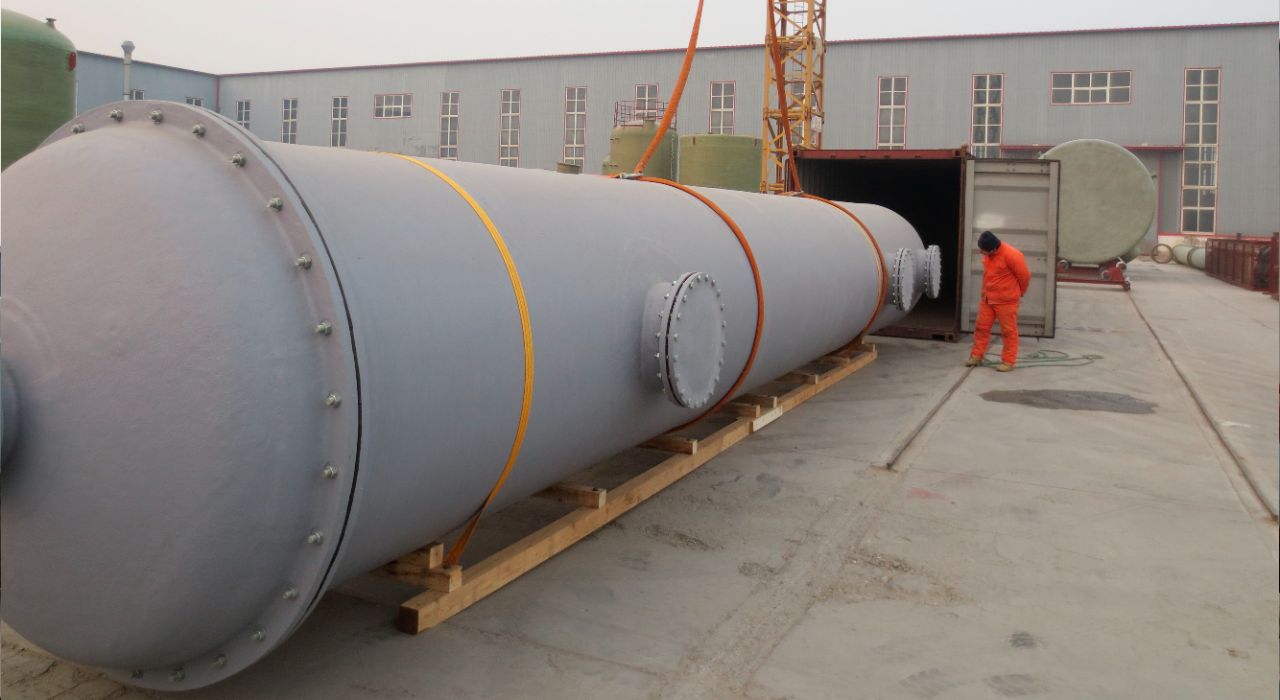
The FRP Absorption Tower Manufacturing Process involves multiple controlled stages, from material selection and fiberglass reinforcement to fabrication, curing, testing, and final inspection. Each stage contributes to the corrosion resistance, structural integrity, and service reliability of the finished tower.
For chemical plants and industrial waste gas treatment projects, choosing an experienced FRP Tower Manufacturer helps ensure that the equipment is manufactured according to actual operating conditions rather than treated as a standard FRP vessel.
A properly controlled FRP Fabrication Process, combined with appropriate testing and inspection, provides the foundation for reliable performance and long service life in demanding industrial waste gas treatment applications.