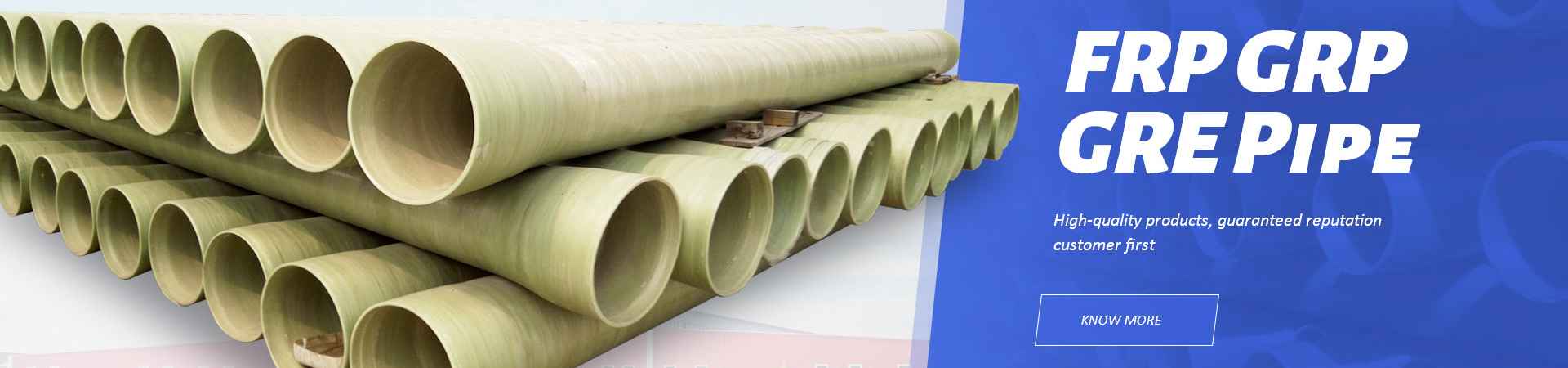

The pultrusion machine working principle is based on a continuous composite manufacturing process used to produce high-strength fiber-reinforced polymer (FRP) profiles with a constant cross-section.
This technology is widely used in the production of FRP rebar, FRP rods, structural profiles, channels, beams, and industrial composite components for construction, transportation, marine engineering, and chemical industries.
Unlike traditional molding or extrusion processes, a pultrusion machine operates in a fully continuous and automated manner, combining fiber reinforcement, resin impregnation, heated die curing, and continuous pulling to produce high-performance composite materials.
A pultrusion machine is an automated continuous production system designed to manufacture fiber-reinforced composite profiles by pulling continuous fibers through a resin system and a heated forming die.
The term “pultrusion” comes from “pull + extrusion”, meaning:
Instead of pushing material (like extrusion), the material is continuously pulled through a heated die.
This process enables:
Continuous production of FRP profiles
High fiber volume fraction
Stable cross-sectional geometry
High efficiency mass production
A complete pultrusion production line integrates fiber feeding, resin impregnation, forming, curing, pulling, and cutting systems.
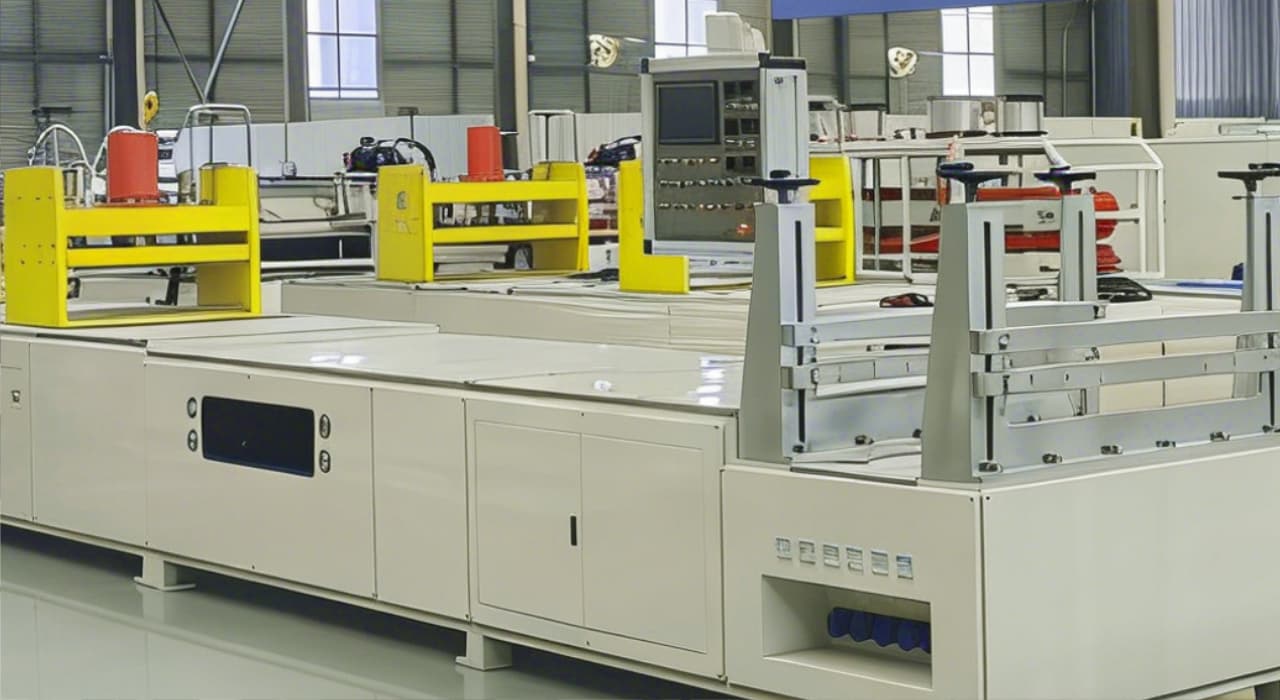
The pultrusion machine working principle is based on a continuous thermo-mechanical curing process. Each stage plays a critical role in final product quality.
The process begins with continuous fiber reinforcement materials placed on a creel rack system.
Common fibers include:
E-glass fiber (most widely used)
Basalt fiber (high strength and heat resistance)
Carbon fiber (high-performance applications)
Key functions:
Continuous fiber supply
Stable tension control
Prevent fiber breakage or misalignment
Fiber alignment is essential because it directly determines the tensile strength of the final FRP product.
Fibers pass through a resin impregnation unit where thermosetting resins are applied.
Common resin systems include:
Polyester resin (cost-effective)
Vinyl ester resin (high corrosion resistance)
Epoxy resin (high mechanical performance)
Key objectives:
Complete fiber wet-out
Optimal resin-to-fiber ratio
Improved bonding strength and corrosion resistance
This stage is one of the most important factors affecting final product performance.
After impregnation, fibers enter the pre-forming section, where the material is gradually shaped before entering the heated die.
Functions include:
Fiber bundle alignment
Reduction of internal stress
Preparation for uniform curing
This ensures stable forming and reduces defects in the final product.
The heated steel die is the core of the pultrusion machine working principle.
Inside the die:
Temperature is maintained between 120°C–180°C
Resin undergoes polymerization and curing
Material is formed into a fixed cross-section
The die determines:
Final product dimensions
Surface quality
Mechanical strength
Structural stability
Multi-zone heating systems are often used to ensure uniform curing.
The pulling system provides continuous traction force to move materials through the die.
Two main types:
Hydraulic reciprocating pullers
Servo-controlled caterpillar pullers
Key functions:
Maintain constant pulling speed
Ensure dimensional stability
Guarantee continuous production
Modern systems use servo control for higher precision and stability.
After curing, the continuous profile is automatically cut into required lengths.
Cutting systems include:
Diamond saw cutting
Abrasive cutting systems
Optional finishing processes:
Sand coating (for FRP rebar bonding strength)
Surface wrapping
UV-resistant coating
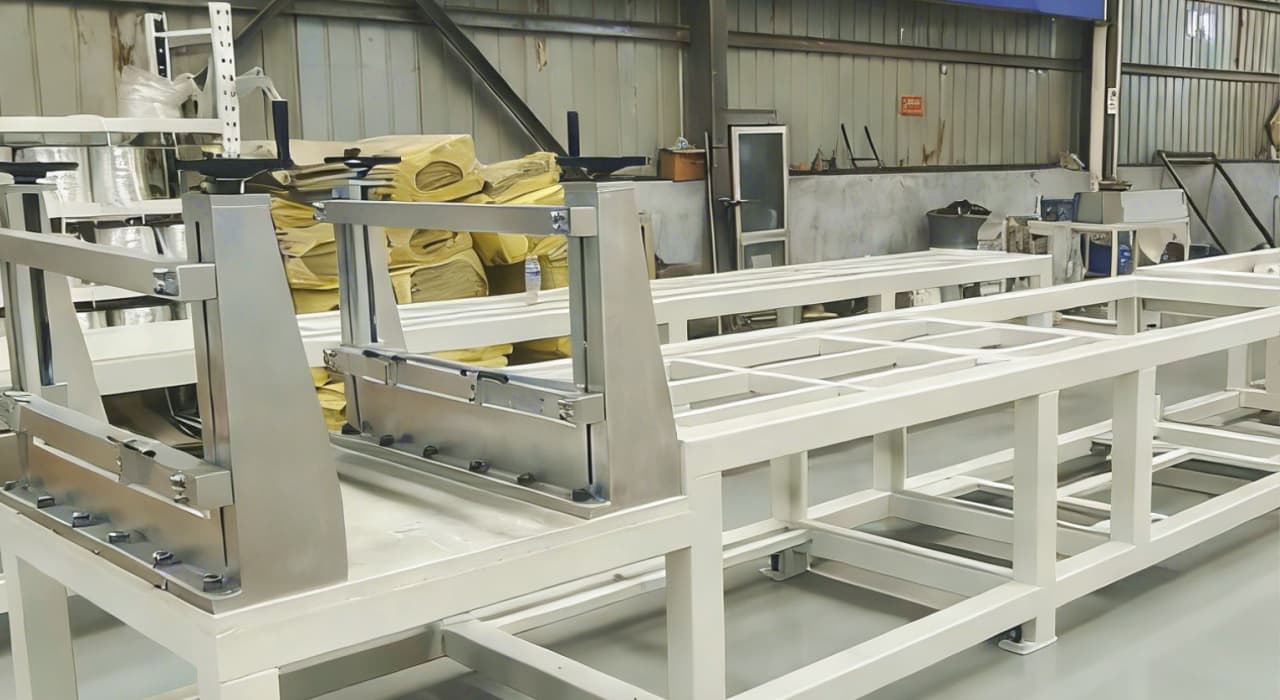
A complete pultrusion machine system includes:
Fiber Creel System
Resin Impregnation Unit
Pre-forming System
Heated Pultrusion Die
Pulling Machine (Hydraulic / Servo)
Automatic Cutting System
PLC Control System
Modern pultrusion machines use PLC systems for:
Temperature control
Pulling speed regulation
Resin flow monitoring
Fault detection
Process stability optimization
Automation significantly improves production efficiency and product consistency.
The performance of FRP products depends on fiber and resin selection.
E-glass fiber (standard industrial use)
Basalt fiber (high thermal resistance)
Carbon fiber (premium applications)
Polyester resin (economical solution)
Vinyl ester resin (excellent corrosion resistance)
Epoxy resin (high strength performance)
Advanced formulations may include:
Nanomodified resins
UV-resistant additives
Thermal stability enhancers
The pultrusion process provides significant industrial advantages:
Continuous mass production
High strength-to-weight ratio
Excellent corrosion resistance
Stable and repeatable quality
Low labor requirement
High material utilization efficiency
These advantages make pultrusion one of the most efficient composite manufacturing technologies.
The pultrusion machine working principle enables production of a wide range of FRP products:
FRP rebar (GFRP reinforcement bars)
Structural beams and profiles
FRP channels and angles
Cable trays
Industrial ladders
Chemical-resistant structural components
Among them, FRP rebar production lines are the most widely demanded in global infrastructure markets.
Modern systems are evolving toward intelligent manufacturing.
1. Full Automation
Servo pulling systems
Automatic cutting and stacking
2. Smart Control Systems
Real-time temperature feedback
Resin viscosity monitoring
Production speed optimization
3. Material Innovation
Hybrid fiber systems
Nano-enhanced resin technology
UV and corrosion-resistant coatings
4. Predictive Maintenance
Sensor-based monitoring
Fault prediction systems
Data-driven optimization
A reliable pultrusion machine supplier should provide:
Turnkey production line design
Factory layout planning
Installation and commissioning
Operator training
Spare parts supply
Long-term technical support
We provide complete pultrusion production line solutions for FRP rebar, profiles, and structural composite products, customized according to production capacity and product requirements.
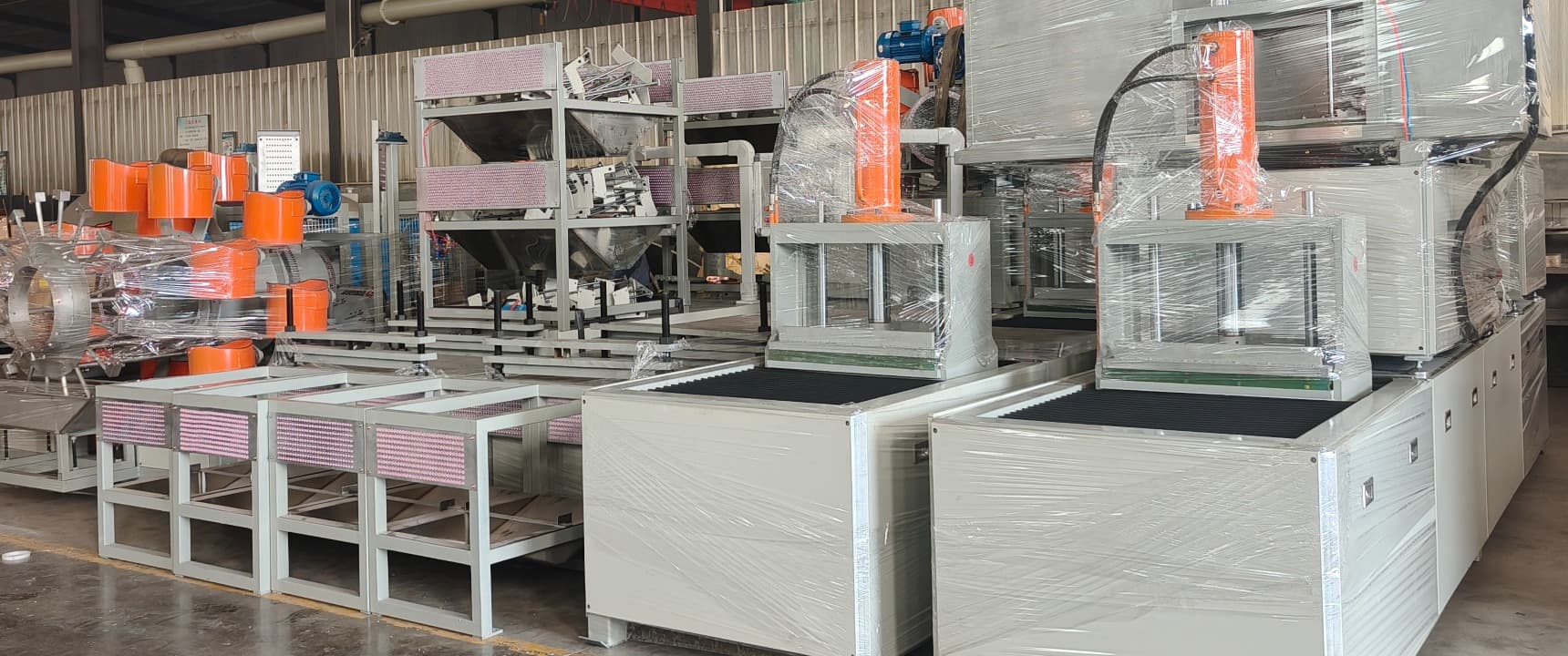
A pultrusion machine is a continuous production system used to manufacture fiber-reinforced composite profiles through a pulling and curing process.
It works by pulling fibers through resin impregnation and a heated die where curing and shaping occur continuously.
FRP rebar, structural profiles, rods, channels, beams, and industrial composite components.
It typically ranges from USD 150,000 to over USD 500,000 depending on automation level.
Because it enables high-efficiency, low-cost, and continuous manufacturing of high-strength composite materials.
The pultrusion machine working principle is a highly efficient continuous manufacturing process that integrates fiber reinforcement, resin impregnation, heated die curing, and automated pulling.
With advancements in automation, materials science, and process control systems, pultrusion technology has become one of the most important methods for producing high-performance FRP composites.
For manufacturers, investing in a complete pultrusion production line is a strategic decision that ensures long-term competitiveness, stable production efficiency, and strong global market potential.