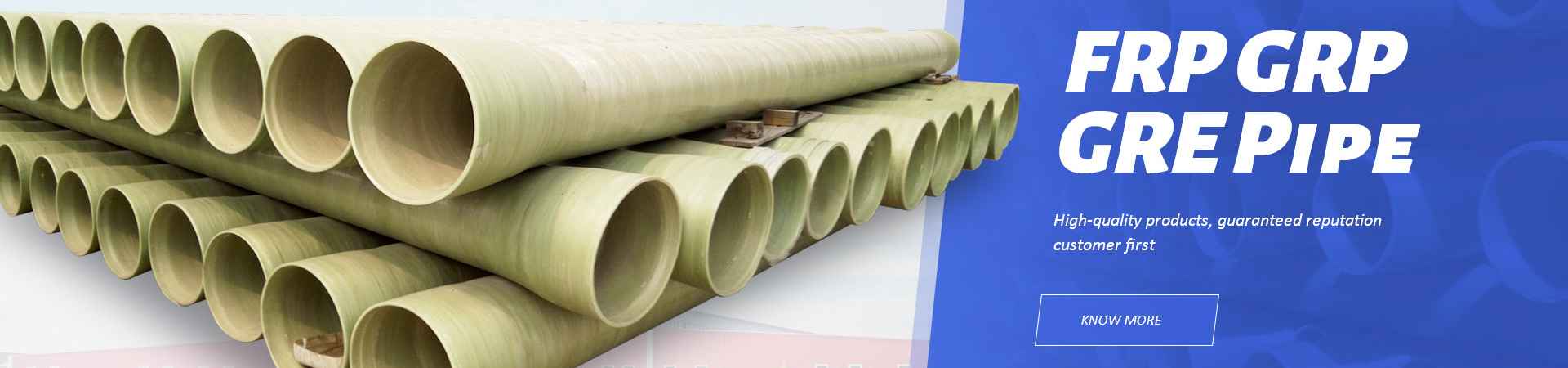

In modern composite manufacturing, efficiency and consistency are no longer optional—they are essential. That’s why more manufacturers are investing in a fiberglass pultrusion production line to produce high-quality FRP profiles at scale.
If you’ve ever looked into equipment for continuous FRP profile manufacturing, you’ve probably noticed that not all production lines perform the same. The difference often comes down to design, automation level, and how well the system is matched to your production goals.
This guide walks you through everything you actually need to know—from how the process works to how to choose the right production line without overspending.
At its core, a fiberglass pultrusion production line is built around a continuous pulling process. Instead of pushing material into a mold, the system pulls fiberglass reinforcement through a series of stages until it becomes a fully cured profile.
The process usually follows a simple but highly controlled sequence:
Fiberglass rovings are fed into the system
The fibers are fully impregnated with resin
The material is shaped before entering the die
Heat cures the resin into a solid structure
The finished profile is pulled and cut to length
What makes this process powerful is its consistency. Once parameters like temperature and pulling speed are set correctly, the line can run continuously with minimal variation.
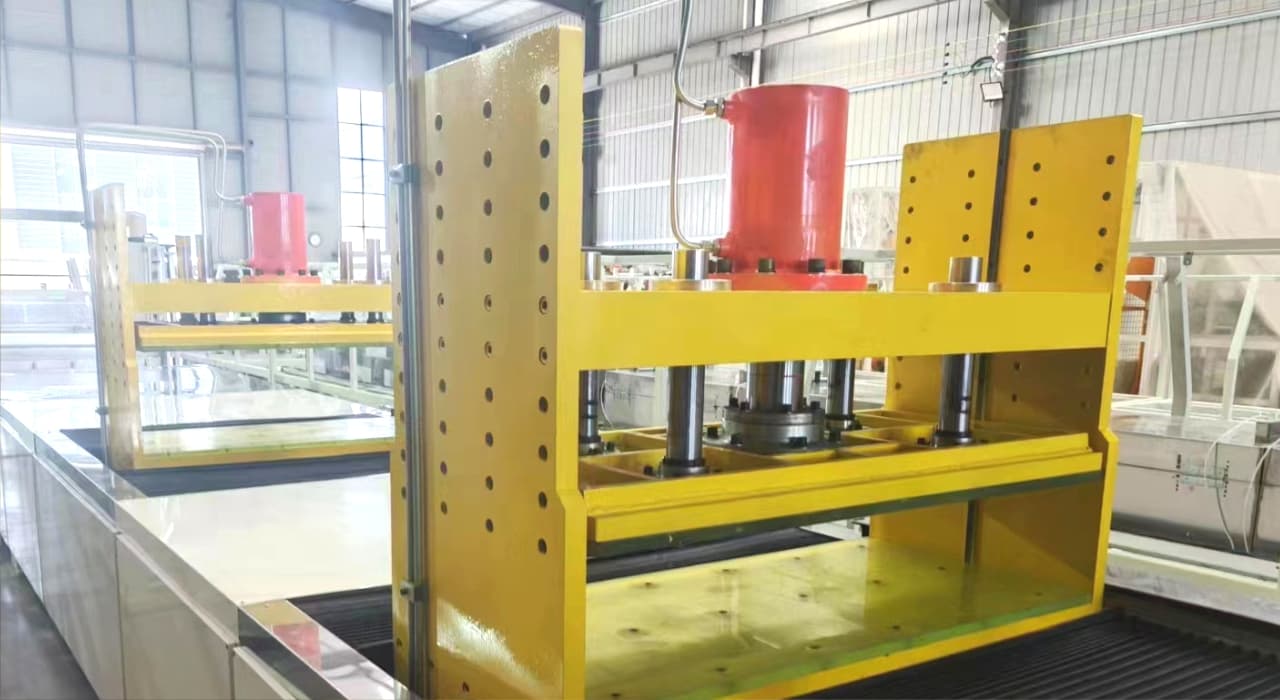
One reason companies move toward a fiberglass pultrusion production line for structural profiles is the level of consistency it offers. Unlike manual lay-up or batch molding, pultrusion produces identical cross-sections over long production runs.
This is especially important in industries like construction or infrastructure, where dimensional accuracy and repeatability directly impact installation and safety.
Another advantage is efficiency. Because the process runs continuously, manufacturers can achieve higher output compared to traditional methods. For businesses scaling production, this often translates into lower cost per unit over time.
Not every production line delivers the same results. The performance of a fiberglass pultrusion production line depends heavily on how its core components are designed and integrated.
A stable fiber feeding system ensures consistent tension. If the fibers are not evenly distributed, the final product may have weak points or uneven strength.
The way resin is applied plays a huge role in product quality. In high-quality systems, the resin bath is designed to ensure full saturation without excessive waste. This is particularly important when producing corrosion-resistant FRP components.
Before entering the die, the fibers are shaped into a preliminary form. This step might seem simple, but it directly affects how well the material flows and cures later in the process.
The die is where the transformation happens. Temperature control must be precise. If the curing is uneven, it can lead to defects such as warping or reduced strength.
A reliable pulling system keeps the entire line stable. In a modern fiberglass pultrusion production line with automatic control, the pulling speed is synchronized with curing conditions, ensuring consistent output.
A fiberglass pultrusion production line for FRP manufacturing is used across a wide range of industries, often in places where traditional materials struggle.
In construction, pultruded profiles are used for walkways, platforms, and structural supports. Their corrosion resistance makes them ideal for outdoor or coastal environments.
In chemical plants, these profiles are commonly used because they can withstand aggressive substances that would quickly damage steel.
In electrical applications, FRP materials provide excellent insulation, which is why they are widely used for cable trays and support structures.
When evaluating a fiberglass pultrusion production line price, it’s easy to focus only on the initial number. But experienced buyers know that several factors influence the real cost.
A line designed for higher output will naturally cost more. However, it also reduces the cost per unit in long-term production.
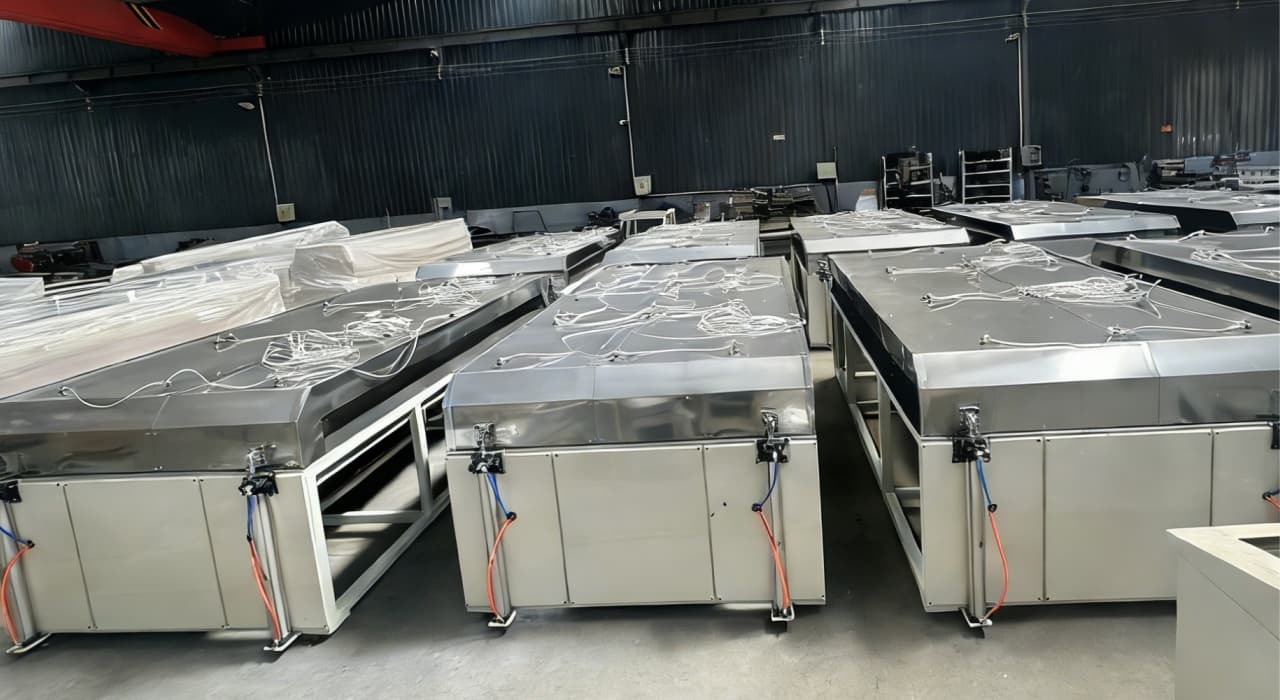
A fully automated system costs more upfront, but it reduces labor dependency and improves consistency. For many manufacturers, this is a worthwhile investment.
If you plan to produce complex shapes, the die design becomes more advanced. This increases initial setup cost but expands your production capability.
Heating systems consume a significant amount of energy. A well-designed system can reduce operating costs over time, which is often overlooked during purchasing decisions.
Selecting the right fiberglass pultrusion production line is not just about technical specifications—it’s about aligning the equipment with your business goals.
Start by asking practical questions:
What type of profiles will you produce?
What is your target production volume?
Do you need flexibility for future product changes?
Then evaluate suppliers based on their ability to provide not just equipment, but also engineering support and after-sales service.
A supplier who understands your application can help you avoid over-specifying or under-specifying your system—both of which can be costly mistakes.
Many buyers make the mistake of choosing equipment based solely on price. While budget is important, a cheaper system may lead to:
Inconsistent product quality
Higher maintenance costs
Production downtime
Another common issue is ignoring scalability. A line that works today might not meet your needs as your business grows.
If you want to get the most value from your investment in a fiberglass pultrusion production line, consider the following:
Focus on long-term performance, not just upfront cost
Choose a system that matches your actual production needs
Work with suppliers who provide technical support
Plan for future expansion
These steps help ensure that your equipment remains useful and competitive for years.
A fiberglass pultrusion production line is typically used to produce beams, rods, grating components, and various structural profiles.
Yes, it is one of the most efficient methods for continuous manufacturing of FRP profiles.
Yes, production lines can be adjusted based on profile shape, size, and output requirements.
With proper maintenance, a production line can operate reliably for many years.
While not mandatory, automation significantly improves efficiency and product consistency, especially in large-scale production.
A fiberglass pultrusion production line is more than just equipment—it’s a long-term investment in production capability.
When chosen correctly, it allows manufacturers to scale efficiently, maintain consistent quality, and stay competitive in demanding industries.
Instead of focusing only on specifications or price, the best approach is to look at the bigger picture: performance, reliability, and how well the system supports your business growth.