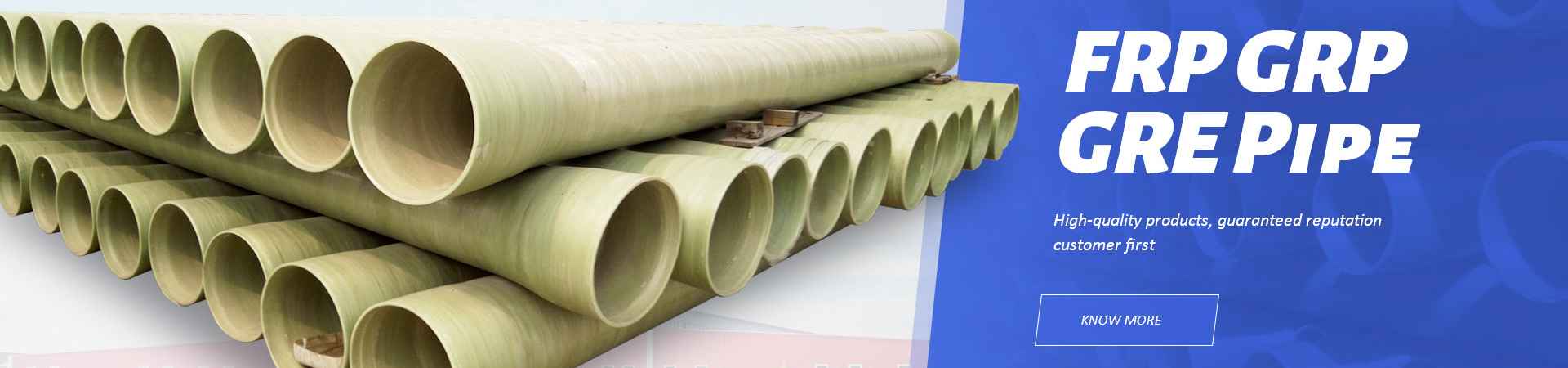

In composite manufacturing, understanding pultrusion problems and solutions is essential for maintaining stable production and high-quality FRP products. While pultrusion is one of the most efficient processes for producing continuous fiberglass profiles, rods, and rebars, it is highly sensitive to process control, raw materials, and equipment performance.
Even small variations in resin viscosity, die temperature, or pulling speed can lead to defects that affect strength, surface quality, and dimensional accuracy. This guide covers the most common pultrusion defects, their causes, and practical solutions to help manufacturers improve efficiency and reduce waste.
| Problem | Main Cause | Recommended Solution |
|---|---|---|
| Uneven resin impregnation | Poor wet-out | Adjust resin viscosity and fiber spread |
| Voids / air bubbles | Air entrapment | Improve degassing and reduce speed |
| Surface cracking | Improper curing | Optimize temperature and pulling force |
| Dimensional inconsistency | Process instability | Control speed and temperature |
| Fiber breakage | High tension | Adjust tension and guide system |
Uneven resin saturation is one of the most common pultrusion defects, leading to dry spots and reduced mechanical strength.
Incorrect resin viscosity
Insufficient wet-out time
Poor fiber tension control
Inefficient resin bath design
Adjust resin formulation to optimal viscosity
Improve fiber spreading before entering the resin bath
Maintain stable fiber tension
Upgrade resin impregnation system for better flow distribution
Consistent impregnation is critical for producing strong and durable FRP profiles.
Air entrapment during the pultrusion process creates voids that weaken structural performance.
Excessive pulling speed
Improper resin mixing
Moisture in fibers
Lack of degassing
Reduce pulling speed for better resin penetration
Use vacuum-assisted impregnation systems
Pre-dry reinforcement fibers
Improve resin mixing and degassing procedures
Surface quality issues affect both appearance and durability of pultruded products.
Excessive pulling tension
Uneven die temperature distribution
Improper curing speed
Worn or damaged dies
Optimize pulling force settings
Maintain stable multi-zone die heating
Match curing speed with production speed
Regularly inspect and polish die surfaces
Maintaining dimensional accuracy is critical, especially for structural FRP profiles.
Unstable pulling speed
Temperature fluctuations
Inconsistent fiber feeding
Die misalignment
Use automated pulling systems
Monitor temperature across heating zones
Synchronize fiber feeding
Regularly calibrate die alignment
Incorrect curing reduces mechanical strength and long-term performance.
Incorrect temperature settings
Fast production speed
Poor heat distribution
Optimize heating profile for each resin type
Balance production speed with curing time
Use multi-zone heating systems
Monitor curing conditions in real time
Fiber breakage interrupts production and increases material waste.
Excessive tension
Sharp guide surfaces
Low-quality fibers
Sudden speed changes
Adjust fiber tension system
Smooth all guide surfaces
Use high-quality continuous fibers
Ensure gradual speed adjustments
The condition of the pultrusion die directly affects product quality.
High-temperature operation
Resin buildup
Abrasive materials
Lack of maintenance
Clean dies regularly
Use release agents
Select wear-resistant materials
Inspect alignment frequently
Excessive waste reduces profitability and efficiency.
Frequent start-stop cycles
Poor machine calibration
Operator inexperience
Process instability
Maintain continuous production
Train operators effectively
Use automated control systems
Standardize production parameters
Prevention is more effective than troubleshooting. Manufacturers should focus on:
Stable raw material quality
Regular machine maintenance
Accurate process control
Skilled operator training
Real-time monitoring systems
Modern pultrusion production increasingly relies on automation to improve consistency and reduce defects.
Uneven resin impregnation and air voids are the most common issues affecting product strength.
By optimizing die temperature, curing conditions, and pulling speed.
Cracking is usually caused by excessive tension, poor curing, or uneven resin distribution.
Yes, automated systems improve consistency and reduce human error in production.
Understanding pultrusion problems and solutions is essential for producing high-quality FRP products. Most defects are caused by process instability, material inconsistencies, or equipment limitations.
By optimizing resin impregnation, controlling curing conditions, maintaining die quality, and improving automation, manufacturers can achieve stable production, lower scrap rates, and better overall performance.
Choosing advanced pultrusion equipment with precise control systems can significantly reduce defects and improve long-term production efficiency.