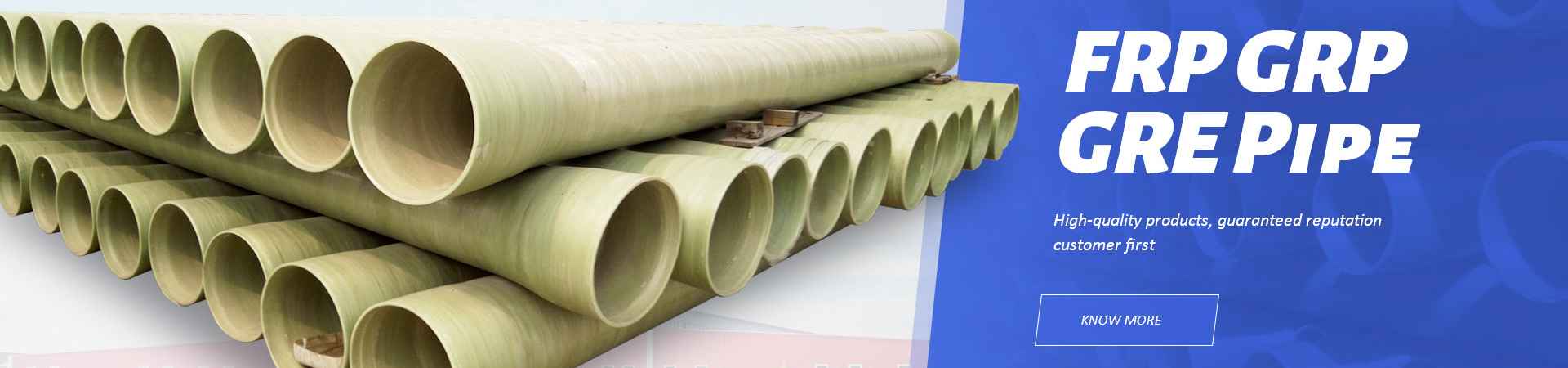

The FRP rebar production line is an advanced composite manufacturing system designed to produce high-performance fiber reinforced polymer (FRP) rebar through a continuous pultrusion process.
With the rapid development of modern infrastructure, traditional steel reinforcement is facing increasing challenges such as corrosion, heavy weight, and high maintenance cost. In contrast, FRP rebar offers excellent corrosion resistance, lightweight properties, and long service life, making it widely used in bridges, marine structures, tunnels, coastal projects, and chemical plants.
The pultrusion-based FRP rebar production line provides a fully continuous and automated manufacturing solution that ensures stable quality, high production efficiency, and consistent mechanical performance.
The pultrusion process is a continuous manufacturing technology in which reinforcing fibers are impregnated with resin and then pulled through a heated die to form a constant cross-sectional composite product.
FRP Rebar Pultrusion Process: Fiber reinforcement + Resin impregnation + Pre-forming + Heated die curing + Continuous pulling\text{FRP Rebar Pultrusion Process: Fiber reinforcement + Resin impregnation + Pre-forming + Heated die curing + Continuous pulling}FRP Rebar Pultrusion Process: Fiber reinforcement + Resin impregnation + Pre-forming + Heated die curing + Continuous pulling
This process is widely used in FRP rebar manufacturing because it ensures:
Continuous production without interruption
High fiber alignment for superior mechanical strength
Stable diameter and dimensional accuracy
High automation and low labor dependency
Consistent product quality for industrial applications
Compared with traditional batch molding methods, pultrusion technology is significantly more efficient and suitable for large-scale production.
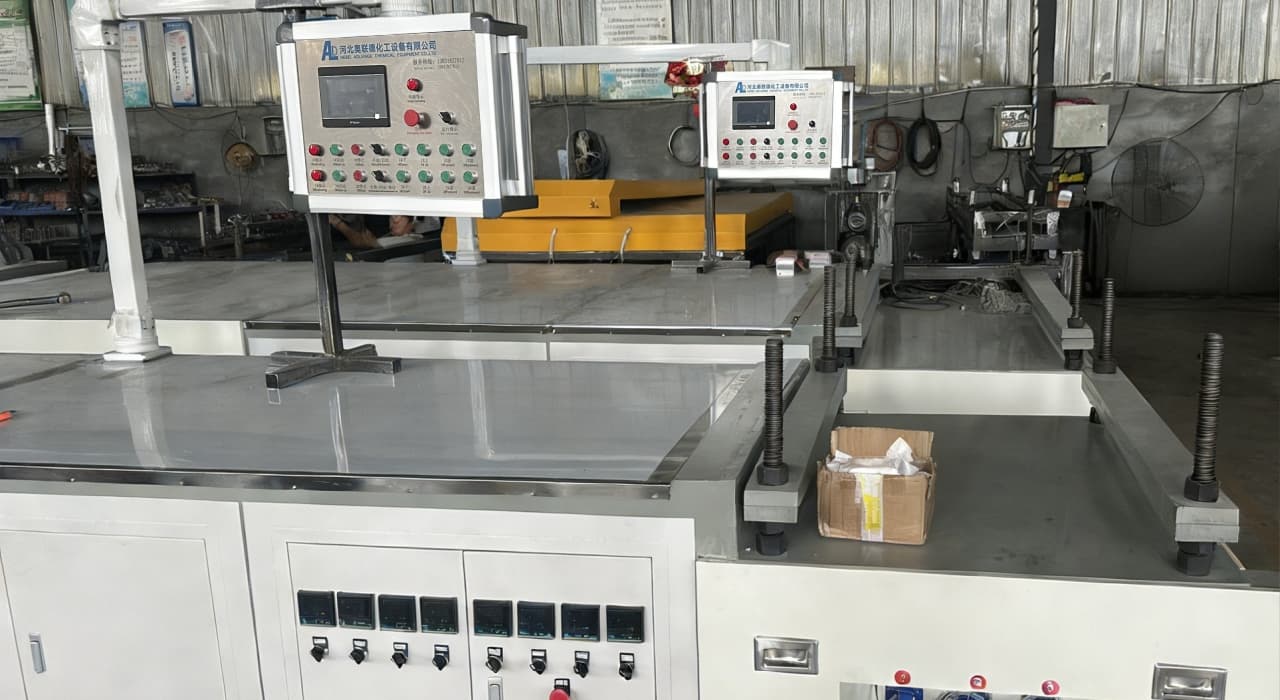
A modern FRP rebar production line includes several key stages, each directly affecting the final product quality.
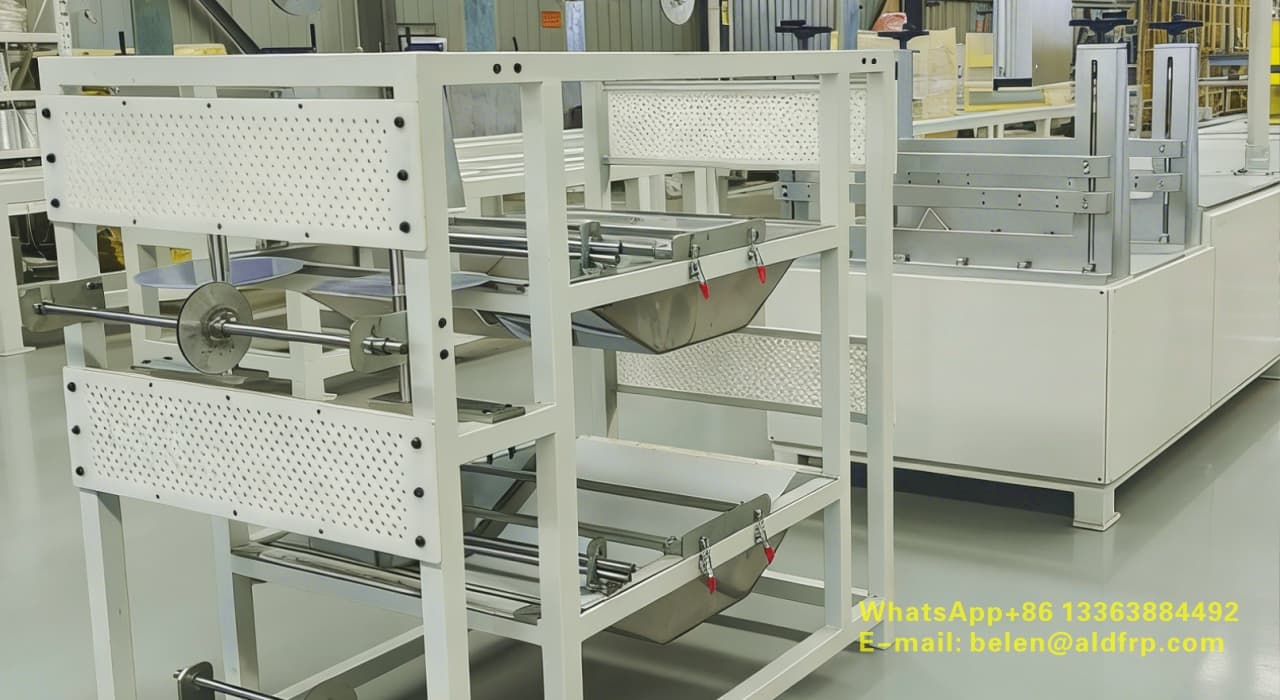
The process starts with continuous fiber feeding from creel racks. Glass fiber, basalt fiber, or hybrid fiber rovings are carefully arranged to maintain stable tension.
Proper fiber tension control is critical because it directly affects:
Structural uniformity
Tensile strength
Fiber distribution consistency
In this stage, fibers pass through a resin impregnation system where thermosetting resins are applied.
Common resins used in FRP rebar manufacturing:
Polyester resin (cost-effective solution)
Vinyl ester resin (high corrosion resistance)
Epoxy resin (high mechanical performance)
The impregnation process ensures full wet-out of fibers and optimal fiber-to-resin ratio, which determines bonding strength and durability of FRP rebar.
After impregnation, fibers enter a pre-forming system that gradually shapes the material into circular or customized FRP rebar geometry.
This step helps:
Reduce internal stress
Ensure uniform fiber distribution
Improve shaping stability before curing
The impregnated fibers are pulled through a precision steel die heated between 120°C and 180°C.
Inside the die:
Resin undergoes polymerization
Material is cured and solidified
Final shape and surface finish are formed
The quality of the die directly impacts:
Surface smoothness
Dimensional accuracy
Mechanical strength of FRP rebar
The pulling system is a key part of the FRP rebar production line. It ensures continuous movement of materials through the die.
Types include:
Hydraulic pulling system
Servo-controlled pulling system
Modern servo systems provide higher precision, better speed stability, and improved production efficiency.
After curing, FRP rebar is automatically cut into required lengths.
Optional surface treatments include:
Sand coating for improved concrete bonding
Helical wrapping for stronger adhesion
UV-resistant coating for outdoor applications
A complete FRP rebar pultrusion production line includes:
Fiber Creel System
Resin Impregnation Unit
Pre-forming Device
Heated Pultrusion Die
Pulling Machine (Hydraulic / Servo)
Automatic Cutting System
PLC Control System
The PLC system ensures real-time monitoring of:
Temperature control
Pulling speed stability
Resin flow
Production consistency of FRP rebar
The performance of FRP rebar depends heavily on material selection.
E-glass fiber (most widely used)
Basalt fiber (high temperature resistance)
Hybrid fiber systems
Polyester resin (cost-effective)
Vinyl ester resin (high corrosion resistance)
Epoxy resin (high performance)
Advanced systems may include:
UV-resistant additives
Nano-enhanced resin systems
Thermal stability modifiers
The demand for FRP rebar production line is increasing because FRP rebar significantly outperforms steel in harsh environments.
| Property | FRP Rebar | Steel Rebar |
|---|---|---|
| Corrosion Resistance | Excellent | Poor |
| Weight | Lightweight | Heavy |
| Service Life | 50+ years | 10–20 years |
| Maintenance Cost | Low | High |
| Electrical Conductivity | Non-conductive | Conductive |
FRP rebar is widely used in:
Coastal infrastructure
Marine engineering
Chemical plants
Bridges and tunnels
High humidity environments
To meet ASTM D7205, ACI 440.1R, and CSA S807 standards, strict quality control is required in FRP rebar manufacturing.
Key testing includes:
Tensile strength testing
Bond strength (pull-out test)
Fiber volume fraction analysis
Curing degree analysis (DSC)
Surface inspection
Real-time monitoring systems help detect:
Fiber misalignment
Resin imbalance
Air void formation
The cost of a FRP rebar production line depends on automation level and capacity.
Semi-automatic line: USD 150,000 – 300,000
Fully automated line: USD 500,000+
Most manufacturers recover investment within 18–24 months due to:
High production efficiency
Low material waste
Stable continuous output
Growing global demand for FRP rebar
A reliable FRP rebar production line supplier should provide:
Turnkey production line solution
Factory layout design
Installation & commissioning
Operator training
Spare parts supply
Long-term technical support
We provide complete FRP rebar pultrusion production line solutions customized for different production capacities and product requirements.
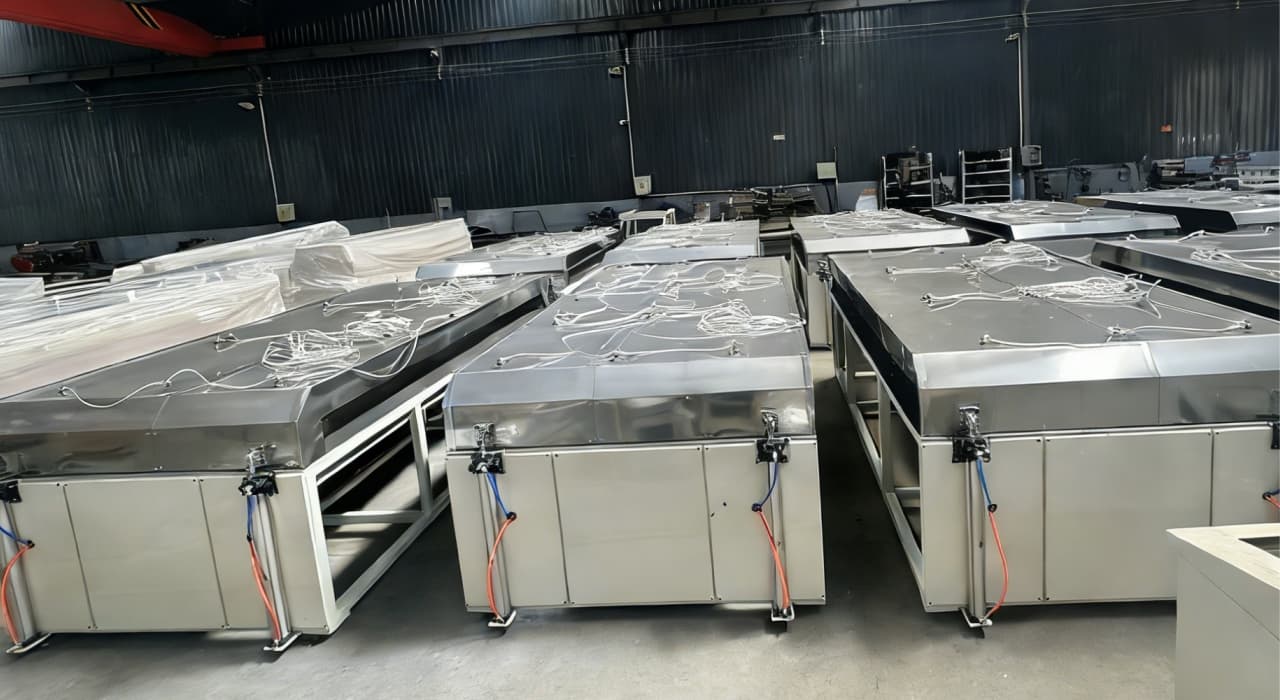
It is used for manufacturing fiber reinforced polymer rebar through a continuous pultrusion process.
Fibers are impregnated with resin and pulled through a heated die to form solid composite bars.
It ranges from USD 150,000 to over 500,000 depending on automation level.
Because it offers corrosion resistance, lightweight structure, and long service life.
The FRP rebar production line based on the pultrusion process is a highly efficient and scalable solution for modern composite reinforcement manufacturing.
With advanced automation systems, optimized resin technology, and precision die design, manufacturers can achieve stable production, higher efficiency, and strong global competitiveness.
As global demand for corrosion-resistant materials continues to grow, investing in a high-quality FRP rebar production line is a strategic decision for long-term success.