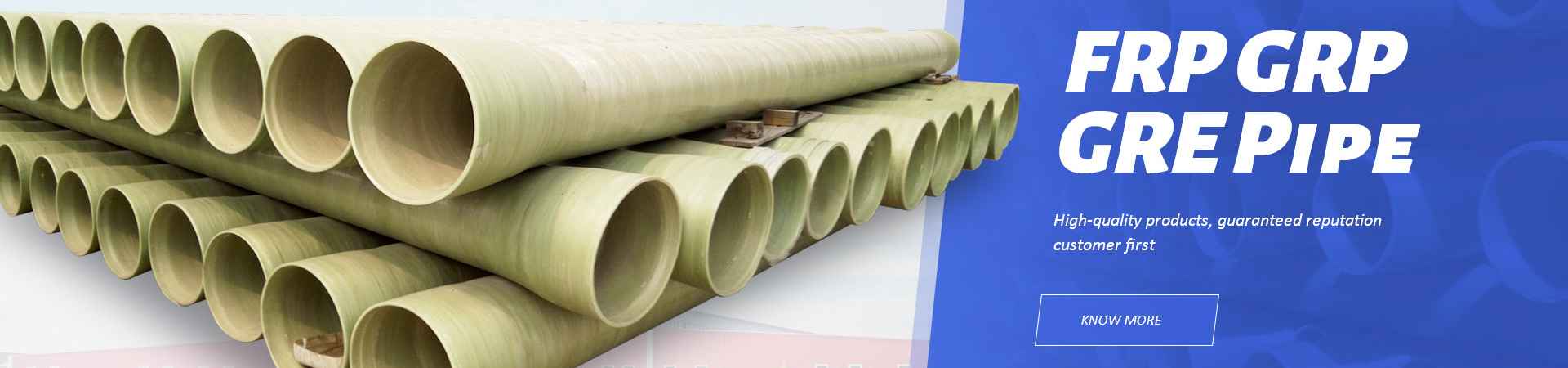

In industrial storage systems, tank design plays a critical role in both performance and efficiency. While vertical tanks are widely used, many industries increasingly prefer the frp horizontal tank for applications where space constraints, transportation, or process requirements demand a different configuration.
A frp horizontal tank (Fiberglass Reinforced Plastic tank) combines corrosion resistance, structural strength, and flexible installation options, making it a practical solution for storing water, chemicals, and industrial liquids.
This article provides a comprehensive overview of design features, manufacturing processes, applications, and purchasing considerations to help you choose the right tank for your project.
The defining feature of a frp horizontal tank is its horizontal orientation. This design is especially useful when:
Installation height is limited
Tanks need to be placed under platforms or structures
Transportation requires stable positioning
Compared to vertical tanks, horizontal tanks distribute weight differently, allowing for improved stability when mounted on saddles or supports.
Unlike vertical tanks that rely on a flat base, a frp horizontal tank requires engineered support structures. These typically include:
Saddle supports
Steel or FRP cradles
Reinforced base sections
Proper support design ensures the tank maintains its shape and integrity under full load conditions.
A high-quality frp horizontal tank is built using multiple layers:
Inner corrosion-resistant liner
Structural reinforcement layer
External protective layer
This layered structure provides both chemical resistance and mechanical strength, ensuring long-term durability.
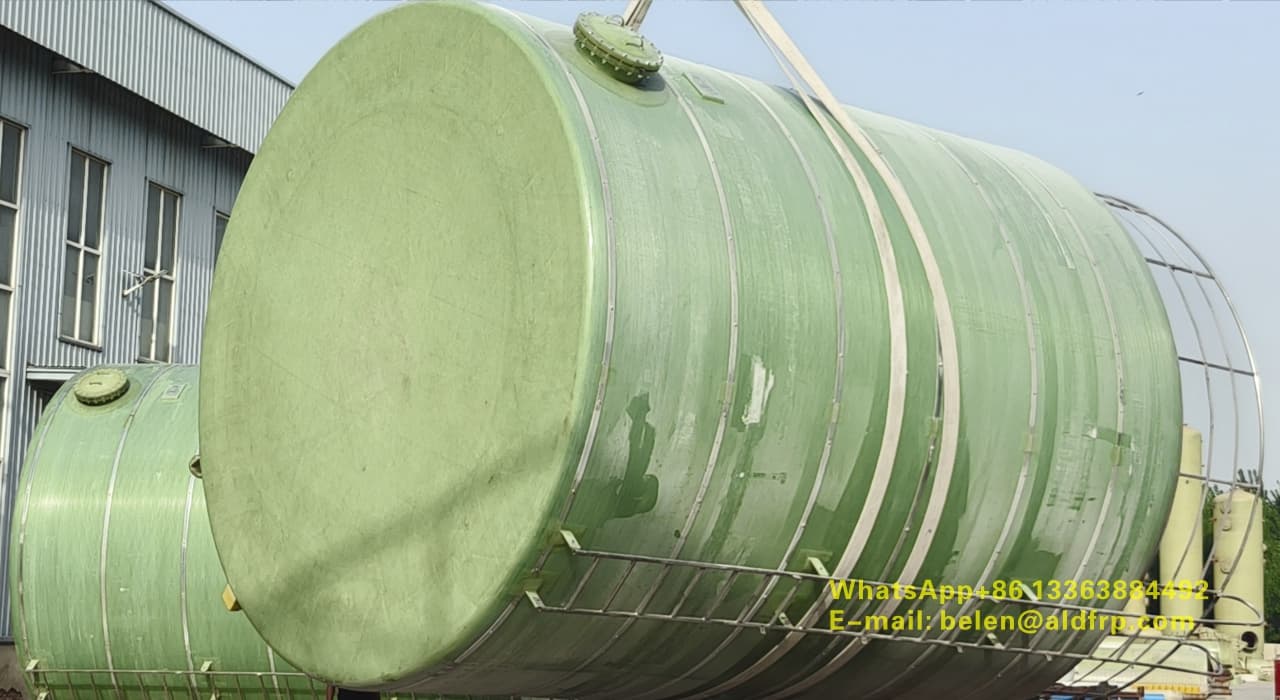
The frp horizontal tank manufacturing process begins with a detailed engineering assessment. Key parameters include:
Stored liquid type (water, acid, wastewater)
Tank capacity and dimensions
Installation method (above-ground or underground)
External load conditions
Design calculations determine wall thickness, reinforcement layers, and support requirements.
Material choice directly impacts tank performance:
Fiberglass reinforcement: provides structural strength
Resin system: determines chemical resistance
Common resin options include:
Polyester resin for general water storage
Vinyl ester resin for chemical resistance
Epoxy resin for highly aggressive environments
Selecting the right materials ensures the frp horizontal tank performs safely under long-term exposure.
Two main methods are used:
This is the most common method for large tanks. Fiberglass strands coated with resin are wound around a rotating mold at controlled angles. This process ensures:
Uniform wall thickness
High structural integrity
Consistent quality
Used for smaller or customized tanks, this method involves manually applying fiberglass layers. While flexible, it requires strict quality control.
After fabrication, the tank undergoes curing to harden the resin. Additional finishing steps include:
Edge trimming
Surface polishing
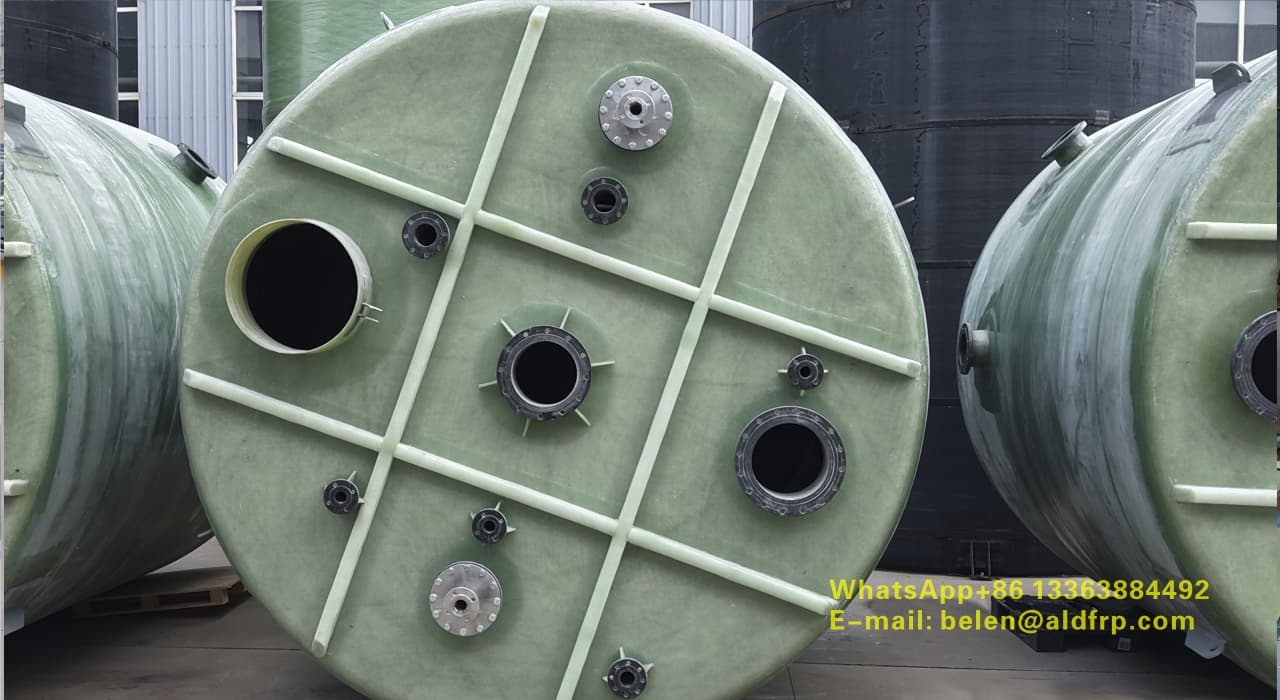
Installation of nozzles, manholes, and flanges
These steps prepare the frp horizontal tank for safe installation and operation.
Reliable manufacturers perform strict testing:
Thickness inspection
Leak testing
Structural integrity verification
Quality assurance ensures that the tank meets both safety and performance requirements.
A frp horizontal tank is widely used for storing acids, alkalis, and industrial chemicals. Its corrosion-resistant liner ensures safe containment without risk of leakage or degradation.
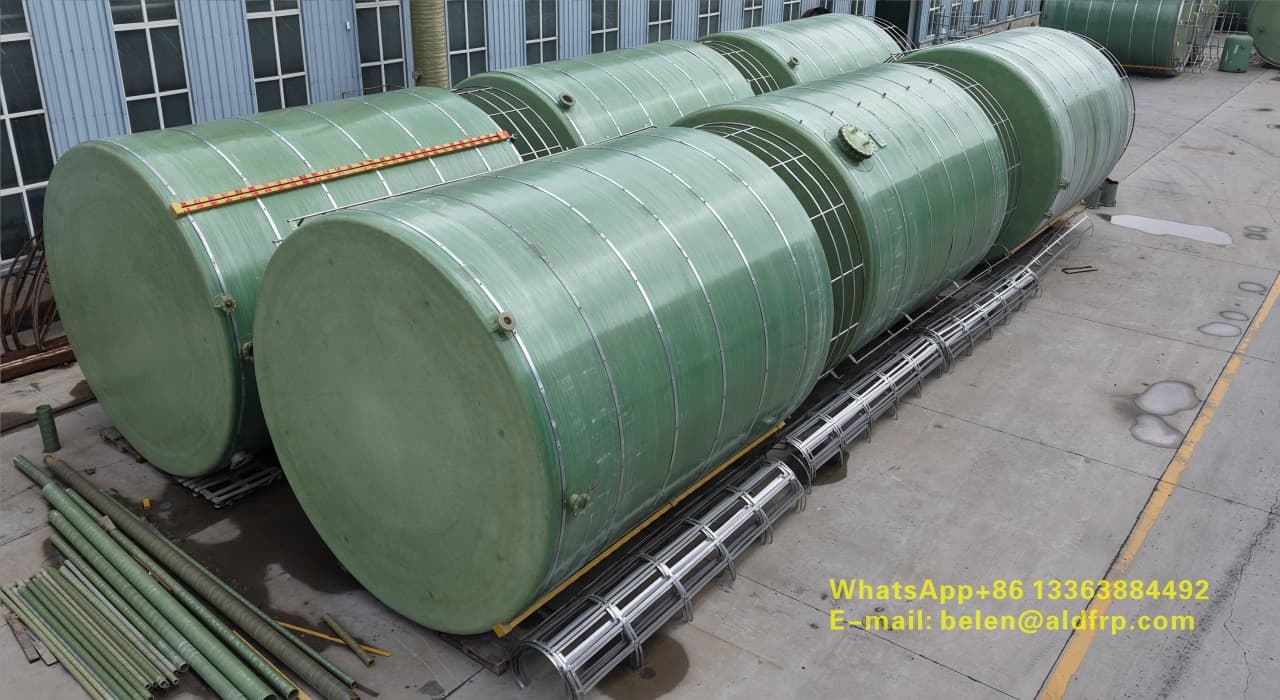
Municipal and industrial systems often use horizontal tanks for:
Process water storage
Wastewater treatment
Sludge handling
The compact design makes them suitable for limited spaces.
Horizontal tanks are often used for transport or temporary storage because of their stability. The shape makes them easier to mount on trailers or skids.
Farm operations benefit from frp horizontal tank solutions for storing:
Irrigation water
Fertilizers
Liquid nutrients
Their durability and resistance to outdoor conditions make them ideal for agricultural use.
FRP tanks outperform steel in corrosive environments, making them ideal for chemical storage.
Compared to metal tanks, a frp horizontal tank is significantly lighter, reducing transportation and installation costs.
With proper design and material selection, FRP tanks can last over 20 years with minimal maintenance.
FRP horizontal tanks can be customized in:
Diameter and length
Wall thickness
Nozzle and flange configuration
Internal lining
This flexibility allows them to meet specific industrial requirements.
Identify whether the tank will store water, chemicals, or wastewater. This determines resin type and structural design.
Consider available space, support structure, and whether the tank will be installed above or below ground.
Ensure the frp horizontal tank meets both current and future storage needs.
Choose a manufacturer with:
Engineering expertise
Quality certifications
Experience in exporting and customization
While initial cost matters, also evaluate:
Lifespan
Maintenance requirements
Risk of failure
A high-quality FRP tank often provides better long-term value.
frp horizontal tank for chemical storage
industrial fiberglass horizontal storage tank
corrosion-resistant frp horizontal tank solution
custom frp horizontal tank manufacturer
large capacity frp horizontal water tank
A properly manufactured frp horizontal tank typically lasts 20–30 years, depending on application and environment.
Yes. With the correct resin system, they can safely store acids, alkalis, and industrial chemicals.
They can be designed for underground installation, but require reinforced structures and proper support systems.
Yes. A frp horizontal tank can be customized in size, wall thickness, and fittings to match project requirements.
Horizontal tanks are better suited for low-height spaces, transport applications, and installations requiring greater stability.