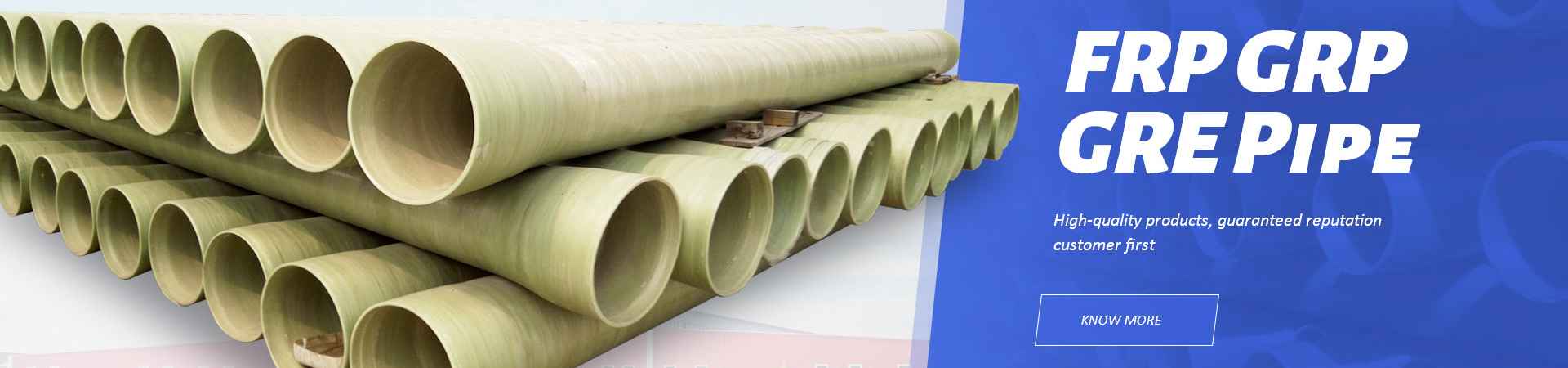

In industrial and municipal applications, choosing the right storage solution is critical. Fibre reinforced plastic tanks and vessels (FRP tanks) have become the preferred choice for industries that require durability, chemical resistance, and long-term performance.
From water storage to aggressive chemical containment, FRP tanks and vessels combine lightweight construction with exceptional strength, offering a versatile solution for a wide range of applications. Understanding their advantages, manufacturing process, and use cases helps project managers make informed purchasing decisions.
One of the primary reasons buyers choose fibre reinforced plastic tanks and vessels is their exceptional resistance to corrosion. Unlike steel, these tanks do not rust when exposed to moisture or chemicals. They are ideal for storing acids, alkalis, or industrial solvents, making them suitable for chemical plants, wastewater treatment facilities, and industrial processes.
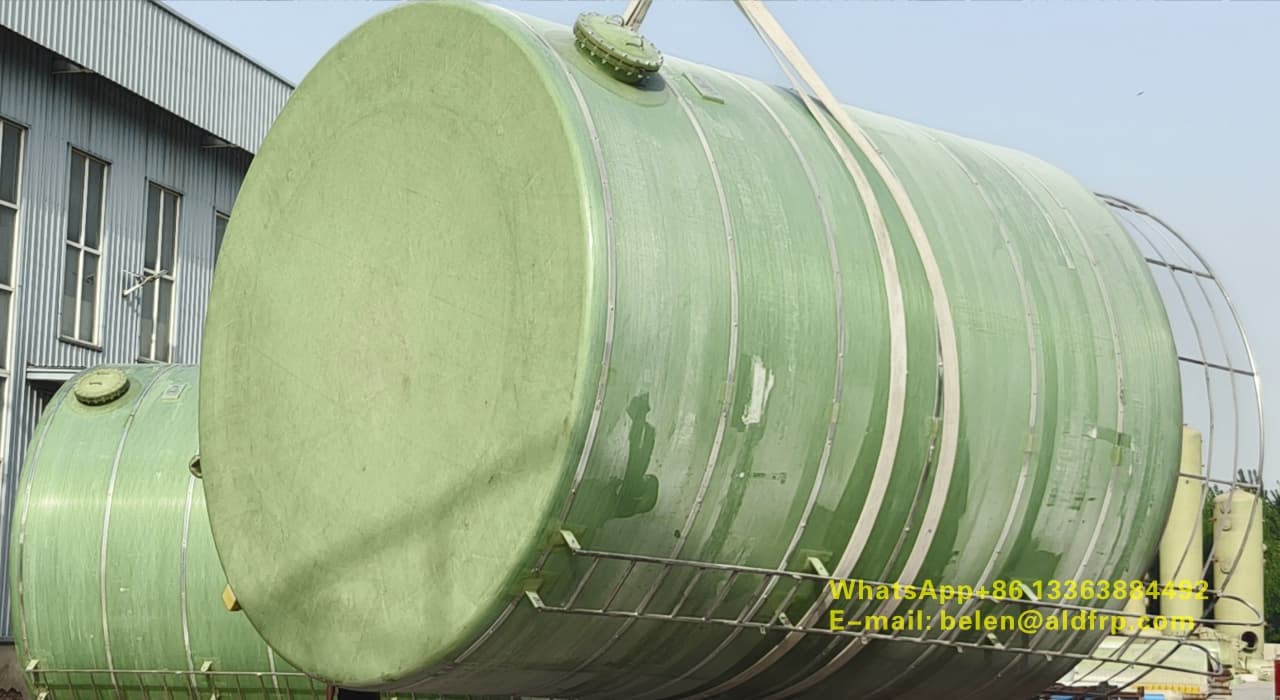
FRP tanks are significantly lighter than steel vessels, which simplifies transportation and installation. Despite their light weight, the fiberglass reinforcement ensures high mechanical strength, allowing the tanks to handle internal pressures and external forces, including underground soil loads.
A well-manufactured fibre reinforced plastic tank or vessel can last 20–30 years or more. Their durability reduces maintenance costs, downtime, and the need for frequent replacements, providing a reliable long-term solution.
FRP tanks and vessels can be customized to meet specific project requirements. Manufacturers can adjust:
Tank or vessel capacity
Wall thickness
Nozzle and flange placements
Shape (cylindrical, rectangular, or complex forms)
This flexibility makes FRP an excellent choice for projects with unique space or process requirements.
Understanding the fibre reinforced plastic tanks and vessels manufacturing process can help buyers evaluate supplier quality and reliability.
The process starts with careful assessment of storage requirements:
Type of liquid (water, chemicals, wastewater)
Capacity and pressure requirements
Installation environment (above-ground or underground)
Custom engineering drawings are prepared to ensure the tank or vessel meets design, safety, and regulatory standards.
Material selection is critical for chemical compatibility and durability. Common materials include:
Fiberglass reinforcement: woven roving, chopped strands
Resin systems: polyester, vinyl ester, epoxy
The combination ensures the fibre reinforced plastic tank or vessel can handle the intended liquid safely.
The two main fabrication techniques are:
Filament Winding: Fiberglass strands coated with resin are wound around a rotating mandrel. This creates uniform wall thickness and exceptional structural integrity.
Hand Lay-Up: Layers of resin-impregnated fiberglass are manually applied for custom shapes or smaller vessels.
After fabrication, the tank or vessel is cured to harden the resin and form a solid structure. Post-processing includes trimming, sanding, and fitting nozzles or manholes to prepare for installation.
Quality checks ensure reliability:
Thickness verification
Leak testing
Structural integrity inspections
Raw material verification
This guarantees that fibre reinforced plastic tanks and vessels can withstand chemical exposure, pressure, and environmental conditions over their lifespan.
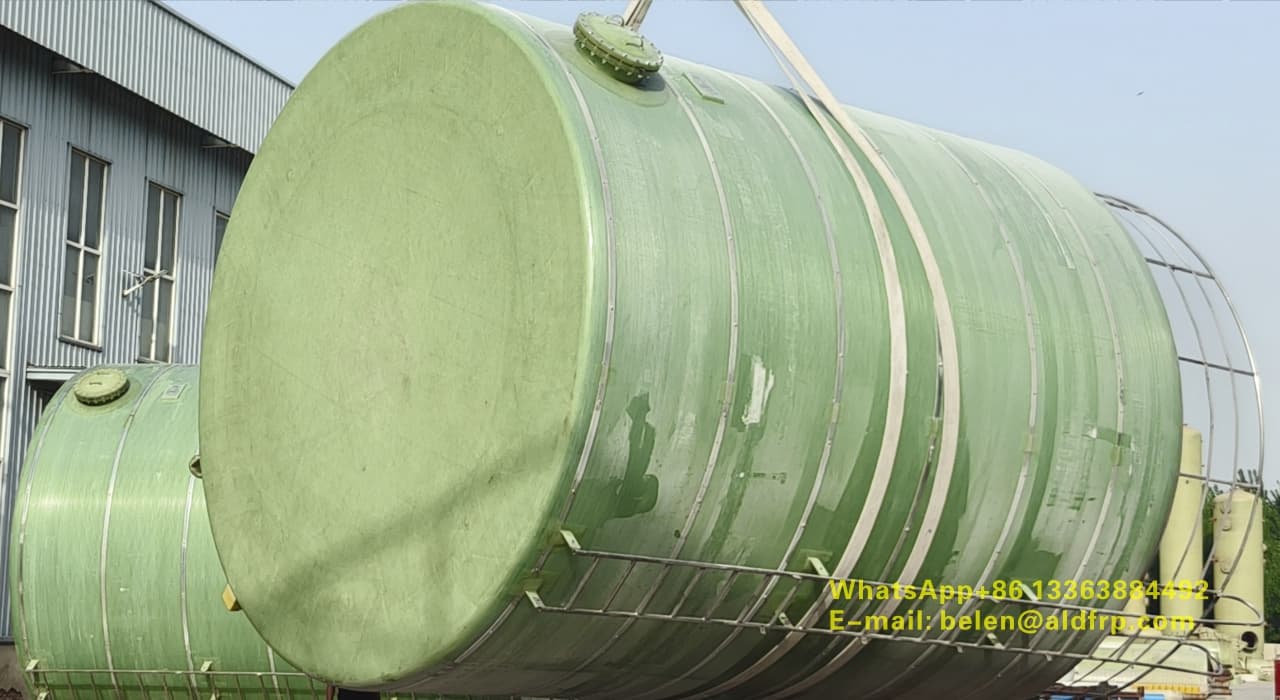
Fibre reinforced plastic tanks and vessels are widely used across industries:
Acids, alkalis, and industrial solvents
Hazardous chemicals requiring corrosion-resistant containment
Municipal water storage
Wastewater treatment tanks and vessels
Irrigation and rainwater harvesting
Process water storage
Mixing or reaction vessels for chemical plants
Storage for intermediate or finished products
FRP tanks can also be engineered for underground installation, offering lightweight yet strong containment with resistance to soil pressure and moisture.
Liquid Type: Ensure the resin and fiberglass combination is compatible with your stored material.
Tank/Vessel Size and Pressure: Large volumes or pressurized applications may require thicker walls or additional reinforcement.
Installation Environment: Above-ground tanks are easier to maintain, while underground tanks need reinforced structures.
Supplier Expertise: A reliable manufacturer will provide technical support, drawings, and engineering calculations.
Long-Term Cost vs Upfront Price: FRP may have higher initial cost than plastic tanks but offers better durability and lower maintenance.
fibre reinforced plastic tanks and vessels for chemical storage
industrial FRP tanks and vessels manufacturing process
corrosion-resistant FRP storage tanks and vessels
custom FRP tanks and vessels for water or chemicals
underground fibre reinforced plastic tanks and vessels
Properly manufactured fibre reinforced plastic tanks and vessels can last 20–30 years, depending on environmental conditions and chemical exposure.
Yes, FRP tanks and vessels with the right resin (vinyl ester or epoxy) can safely store acids, alkalis, and other aggressive chemicals.
Absolutely. FRP tanks and vessels can be engineered with reinforced walls and structures to handle soil pressure and underground conditions.
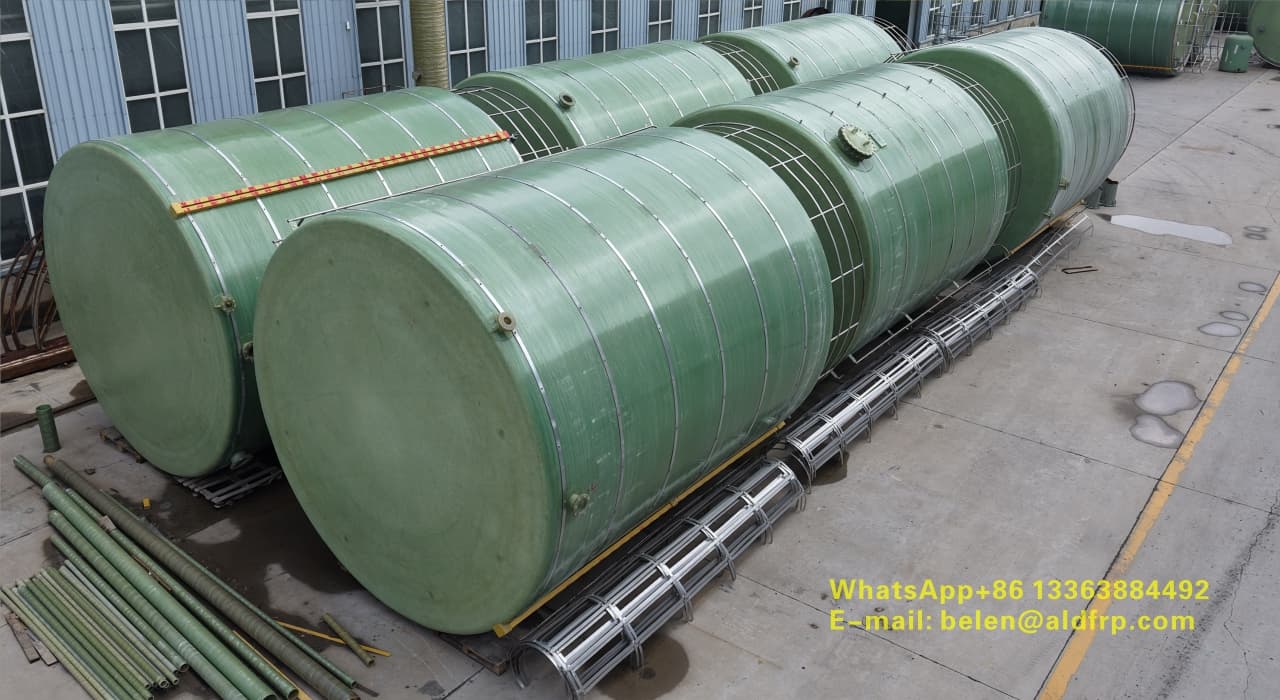
Manufacturers can customize fibre reinforced plastic tanks and vessels in size, wall thickness, shape, and nozzle placement to fit unique project needs.
FRP tanks combine corrosion resistance, light weight, and long service life. Compared to steel, they resist rust and chemical attack. Compared to plastic, they handle higher pressure and larger sizes more effectively.