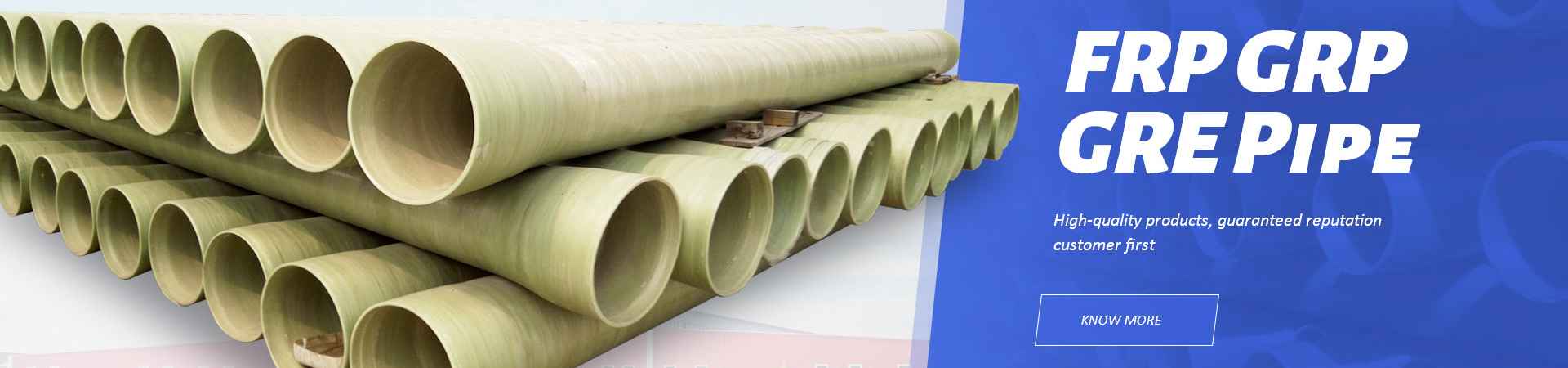

In modern industrial operations, reliable storage solutions are essential for efficiency and safety. Tank FRP (Fiberglass Reinforced Plastic) has become a preferred choice for industries that handle water, chemicals, or wastewater due to its superior strength, corrosion resistance, and long-term durability.
Unlike traditional steel or plastic tanks, FRP tanks combine lightweight construction with high mechanical performance, offering a cost-effective solution for large-volume storage needs. Understanding their advantages, applications, and manufacturing process helps procurement managers make informed purchasing decisions.
The most notable benefit of a tank FRP is its ability to resist corrosion. While steel tanks are prone to rust and plastic tanks may deform under pressure, FRP tanks maintain integrity even in aggressive chemical environments.
Typical storage applications include:
Industrial acids and alkalis
Solvents and chemical mixtures
Water and wastewater for municipal or industrial use
This corrosion resistance ensures long-term performance and minimizes maintenance costs.
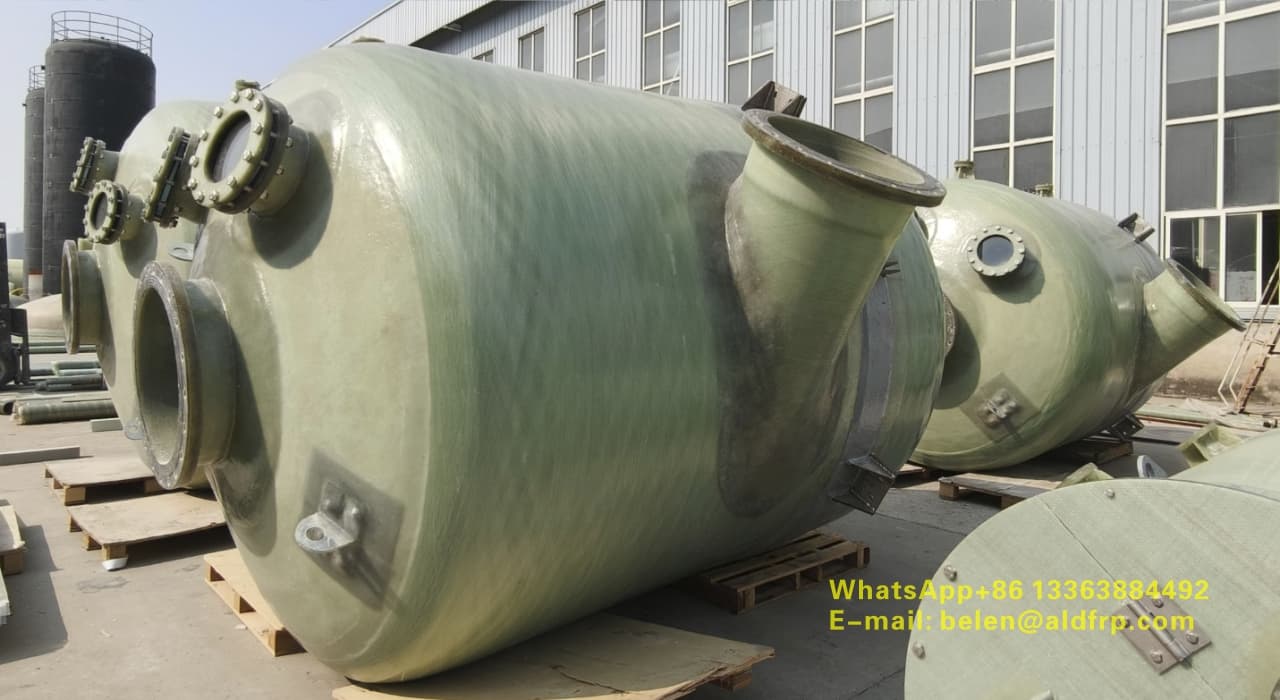
Tank FRP is lighter than equivalent steel tanks, simplifying transport and installation. Large tanks can be positioned without heavy cranes, and underground or above-ground installations are easier and more cost-efficient.
A properly designed and manufactured FRP tank can last 20–30 years. Fiberglass reinforcement prevents cracking, deformation, and chemical damage, ensuring minimal downtime and operational interruptions.
FRP tanks can be fully customized to meet specific requirements:
Capacity from hundreds to tens of thousands of liters
Wall thickness adjusted for pressure or underground installation
Customized flanges, nozzles, and manholes
Shapes including cylindrical, rectangular, or complex forms
This flexibility makes tank FRP suitable for unique industrial or chemical storage needs.
Understanding the tank FRP manufacturing process is essential for evaluating quality and performance.
The first step involves assessing storage requirements:
Type of liquid (chemical, water, wastewater)
Volume and pressure requirements
Installation environment (above-ground or underground)
Engineering drawings are prepared to comply with international standards like ISO, ASTM, or CE certifications.
Material quality directly affects tank performance:
Fiberglass reinforcement: woven roving, chopped strands, or mats
Resin types: polyester, vinyl ester, or epoxy
High-quality resin improves chemical resistance and durability, which may slightly increase tank FRP cost but extends lifespan.
Two common fabrication methods are used:
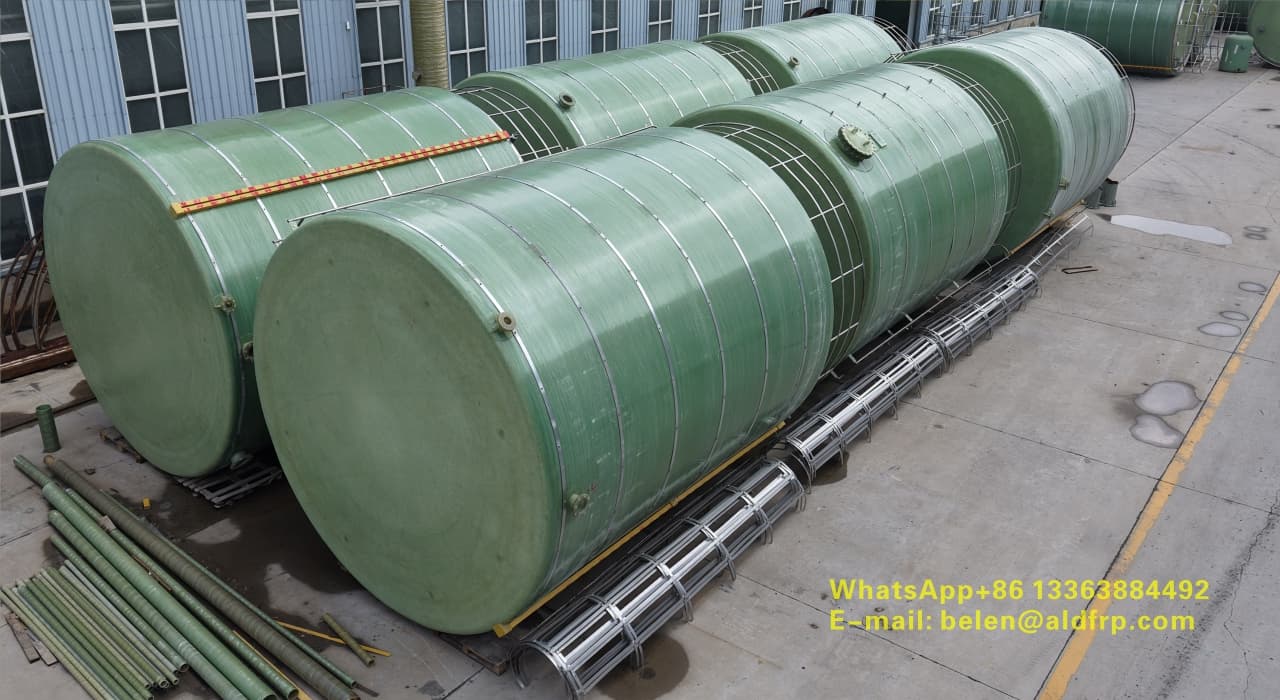
Filament Winding: Fiberglass strands coated with resin are wound around a rotating mandrel. This ensures uniform wall thickness and high structural strength, ideal for large tanks.
Hand Lay-Up: Layers of resin-impregnated fiberglass are applied manually for small tanks or complex shapes.
Both methods ensure a tank that can handle chemical exposure, pressure, and environmental stress.
After fabrication, tanks undergo curing to solidify the resin. Post-processing may include:
Trimming edges and smoothing surfaces
Installing flanges, nozzles, or manholes
Optional coating for enhanced chemical resistance
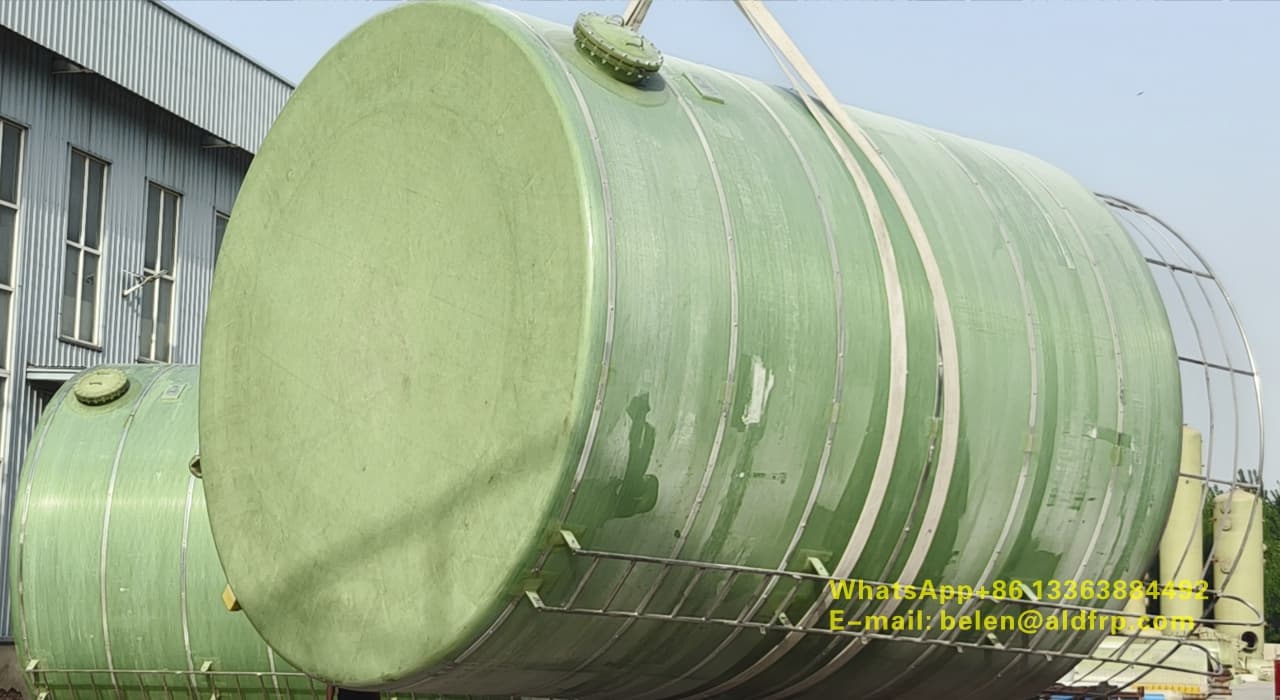
Top-quality tank FRP is inspected rigorously:
Wall thickness verification
Leak testing
Structural integrity checks
Raw material certification
This ensures safe, long-lasting performance in industrial environments.
Tank FRP is ideal for acids, alkalis, and solvents, providing safe, long-term storage without corrosion.
Used widely in municipal and industrial water treatment plants, FRP tanks are excellent for potable water, irrigation, and wastewater management.
FRP tanks can be engineered for underground use, handling soil pressure and groundwater, or installed above ground for easier access.
FRP tanks are often used for:
Mixing and reaction vessels
Intermediate storage for industrial processes
Agricultural applications such as fertilizer storage
The adaptability of FRP tanks makes them suitable for almost any liquid storage scenario.
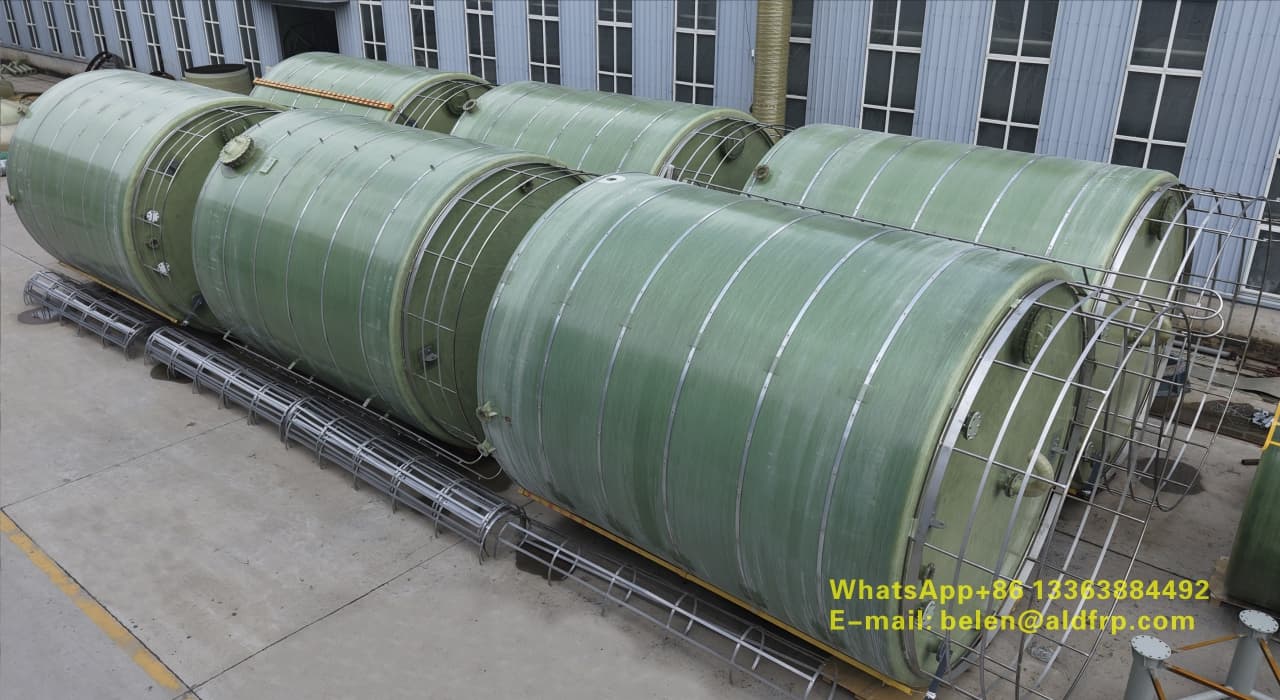
Chemical Compatibility: Resin type must match stored liquid.
Capacity and Pressure Requirements: Larger volumes or pressurized tanks require thicker walls.
Installation Environment: Underground or above-ground installations affect design.
Supplier Expertise: Ensure supplier provides technical support and quality certification.
Total Cost vs Initial Investment: High-quality FRP tanks may cost more upfront but reduce maintenance and downtime over time.
corrosion-resistant tank FRP for industrial use
custom fiberglass FRP storage tank solutions
underground FRP water storage tanks
FRP chemical storage tank manufacturer
large-capacity tank FRP for industrial liquids
A well-manufactured tank FRP can last 20–30 years, even under harsh chemical or environmental conditions.
Yes. With the correct resin (vinyl ester or epoxy), FRP tanks are suitable for strong acids, alkalis, and industrial solvents.
Absolutely. Tanks can be engineered to withstand soil pressure, groundwater, and other underground conditions.
Yes. FRP tanks can be tailored for capacity, wall thickness, shape, flanges, and nozzle placement to fit project requirements.
FRP tanks are corrosion-resistant like no other, lighter than steel, and stronger than plastic for large-volume or pressurized applications.