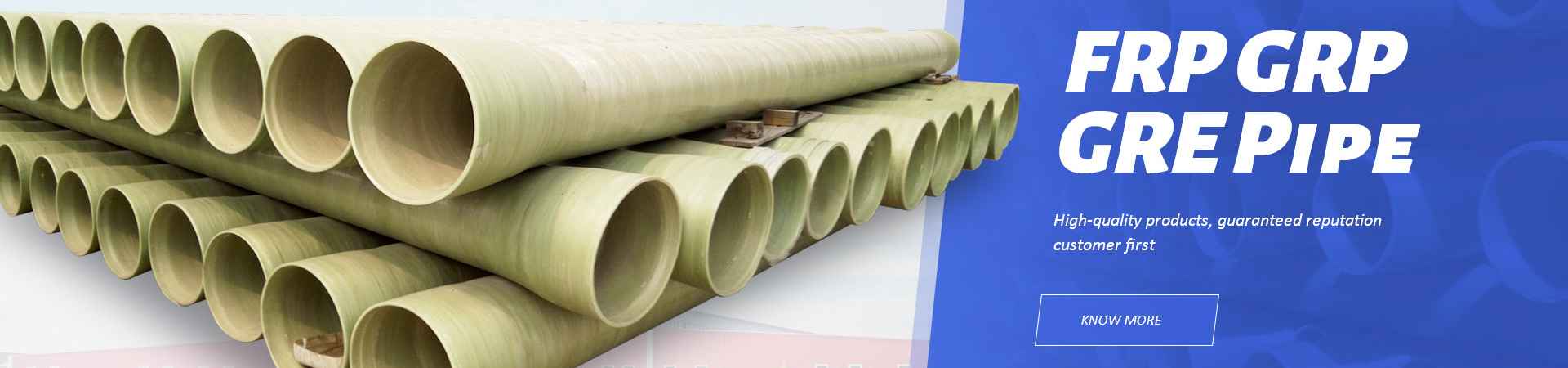

In industrial settings, safely storing chemicals is a top priority. FRP chemical tanks (Fiberglass Reinforced Plastic tanks) have become a go-to solution for chemical plants, wastewater treatment facilities, and other industries that require corrosion-resistant, durable storage.
Choosing the right FRP chemical tank involves understanding its manufacturing process, materials, and performance under various conditions. This knowledge ensures safety, longevity, and cost-efficiency for your operations.
One of the biggest advantages of an FRP chemical tank is its resistance to corrosion. Unlike steel tanks, FRP tanks do not rust when exposed to acids, alkalis, or solvents. This makes them ideal for storing:
Hydrochloric acid, sulfuric acid, nitric acid
Caustic solutions and alkalis
Industrial chemical mixtures
The corrosion resistance ensures the tank maintains structural integrity over decades.
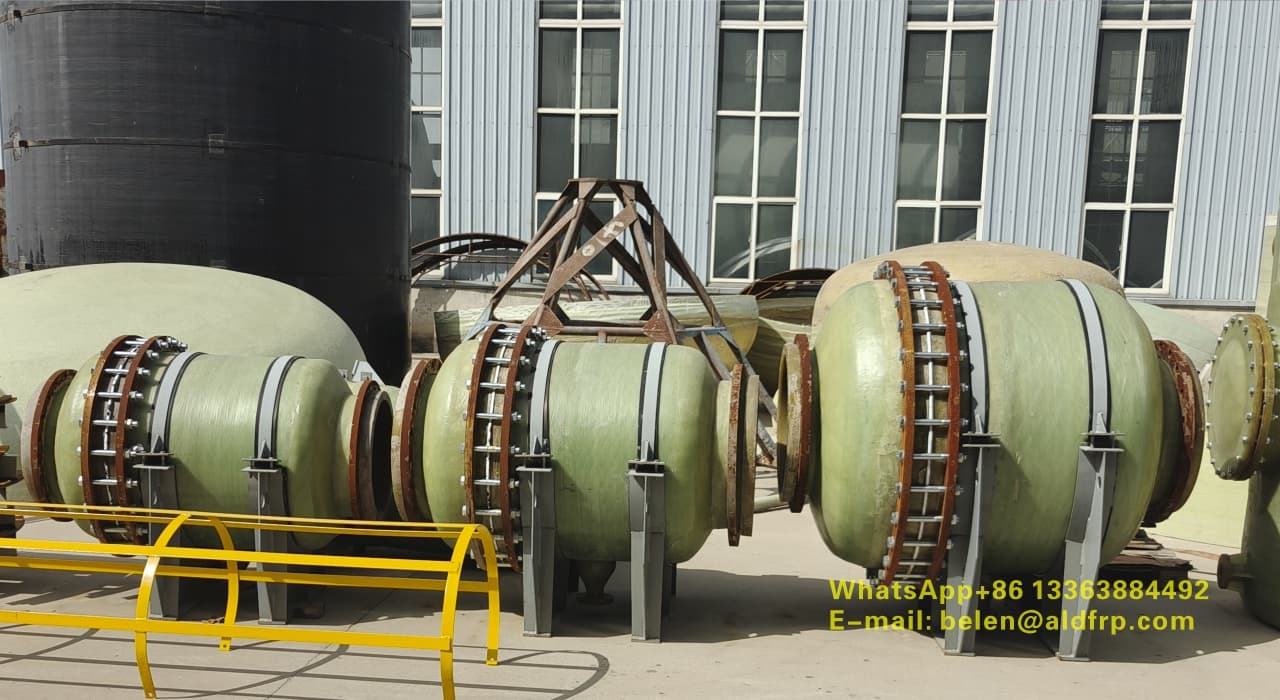
FRP chemical tanks are lighter than steel, reducing transportation and installation costs. Large tanks can be installed without heavy cranes, and underground tanks are easier to position and secure.
With proper manufacturing and maintenance, FRP chemical tanks typically last 20–30 years. The fiberglass reinforcement ensures the tank walls resist cracking, deformation, and chemical attack.
FRP chemical tanks can be tailored to meet project-specific needs:
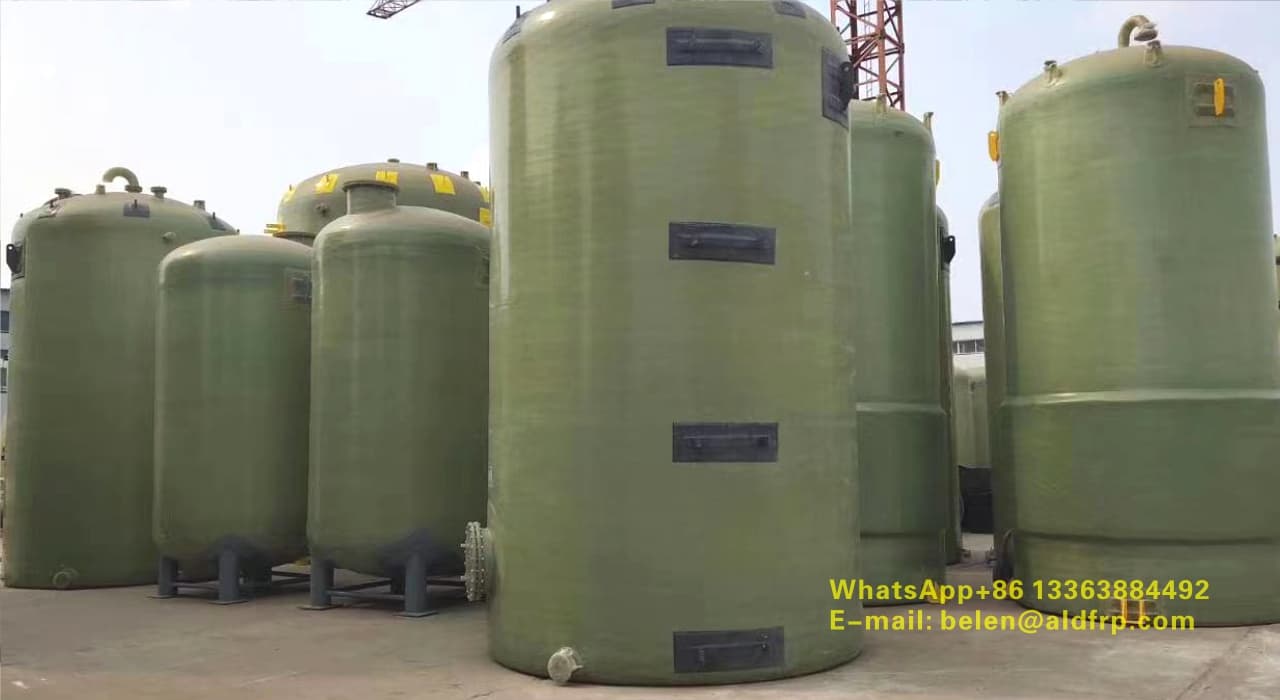
Capacity ranging from hundreds to tens of thousands of liters
Wall thickness to handle internal pressure
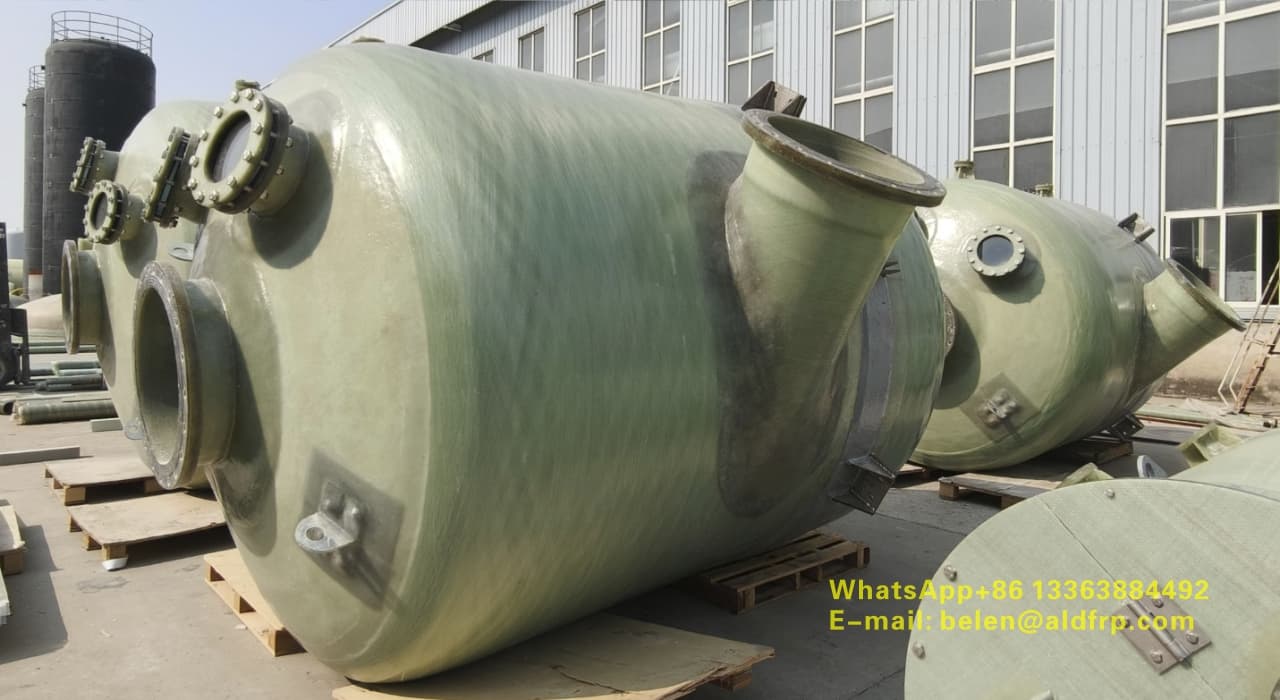
Customized nozzles, flanges, and manholes
Shapes including cylindrical, rectangular, or irregular
This flexibility ensures that even unique chemical storage requirements are safely met.
A high-quality FRP chemical tank relies on a precise and controlled manufacturing process.
Manufacturers begin by assessing:
Type and volume of chemical to be stored
Environmental conditions (above-ground vs underground)
Pressure or vacuum requirements
Detailed engineering drawings are prepared to ensure the tank meets industry standards like ISO, ASTM, or CE certifications.
The right combination of fiberglass and resin is crucial:
Fiberglass reinforcement: woven roving, chopped strand mat, or a combination
Resin selection: polyester, vinyl ester, or epoxy
Choosing the correct resin ensures the FRP chemical tank can handle aggressive chemicals safely over long periods.
Filament Winding: Fiberglass strands coated with resin are wound around a rotating mandrel. This ensures uniform wall thickness and high structural strength for large tanks.
Hand Lay-Up: Layers of resin-impregnated fiberglass are manually applied for custom shapes or smaller tanks.
Both methods produce tanks with high mechanical strength and chemical resistance.
After fabrication, tanks are cured to harden the resin. Post-processing steps include:
Trimming and sanding
Installing flanges, nozzles, and manholes
Applying optional protective coatings
Quality assurance is a critical part of the FRP chemical tank manufacturing process. Key checks include:
Wall thickness verification
Leak testing
Structural integrity inspection
Raw material certification
These steps ensure safe, long-lasting chemical storage.
FRP chemical tanks safely store acids, alkalis, solvents, and other aggressive chemicals, reducing the risk of corrosion and contamination.
Tanks are used to store effluent, sludge, and treatment chemicals, providing durability in corrosive environments.
Many process industries rely on FRP tanks for intermediate chemical storage, mixing, or reaction vessels.
FRP chemical tanks can be engineered for both above-ground and underground use. Underground tanks are reinforced to handle soil pressure and groundwater exposure.
Chemical Compatibility: Ensure resin and fiberglass type matches stored chemicals.
Tank Size and Wall Thickness: Large volumes or pressurized applications need thicker walls.
Installation Environment: Above-ground vs underground affects design and reinforcement.
Supplier Expertise: Choose a manufacturer providing engineering support and quality assurance.
Total Cost of Ownership: FRP tanks may cost more upfront than plastic, but their durability reduces maintenance costs over time.
FRP chemical tank for acid storage
corrosion-resistant fiberglass chemical tanks
industrial FRP chemical storage solution
custom FRP chemical tanks manufacturing
underground FRP chemical storage tanks
Properly manufactured FRP chemical tanks can last 20–30 years, even under aggressive chemical conditions.
Yes. With the correct resin (vinyl ester or epoxy), FRP chemical tanks are highly resistant to strong acids and alkalis.
Absolutely. Reinforced FRP tanks can handle soil pressure and groundwater, making them ideal for underground chemical storage.
Yes. FRP chemical tanks can be customized in capacity, wall thickness, shape, and nozzle placement to meet project-specific needs.
FRP chemical tanks resist corrosion better than steel, are lighter, and are stronger than plastic tanks in large-volume or pressurized applications.