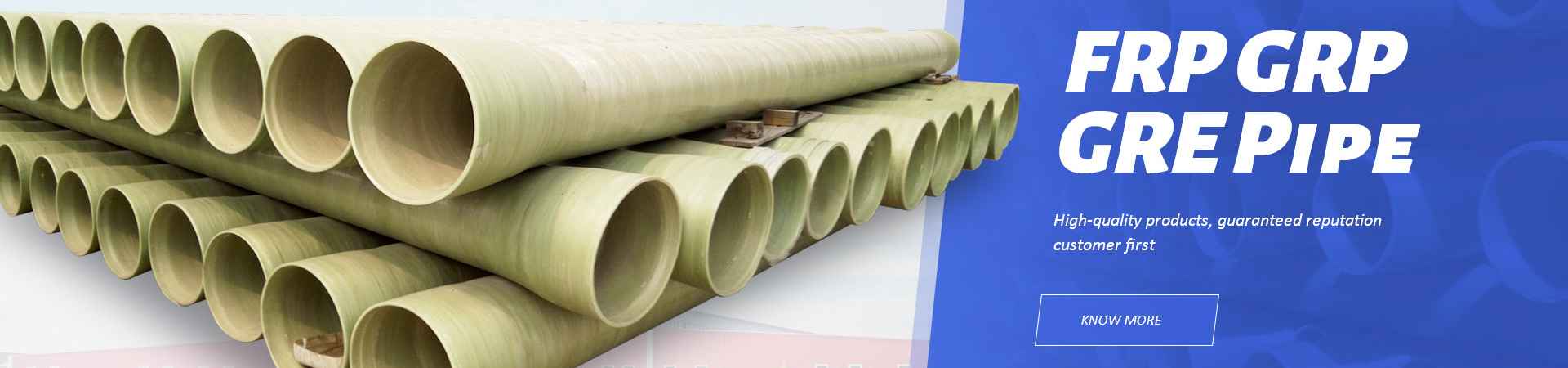

Storing chemicals safely is a critical concern in industrial and municipal applications. FRP chemical storage tanks (Fiberglass Reinforced Plastic tanks) have emerged as the preferred solution for industries that demand durability, corrosion resistance, and long-term performance.
Unlike ordinary plastic or steel tanks, FRP tanks combine structural strength with chemical resistance, making them ideal for acids, alkalis, solvents, and other aggressive industrial liquids. Understanding their advantages, cost factors, and manufacturing process can help procurement managers make smarter purchasing decisions.
One of the primary reasons companies choose FRP chemical storage tanks is their exceptional resistance to corrosion. Unlike steel tanks, which can rust and degrade over time, FRP tanks maintain integrity even when storing harsh chemicals.
This makes them suitable for:
Sulfuric acid, hydrochloric acid, nitric acid
Caustic soda and other alkalis
Industrial solvents and chemical mixtures
With proper selection, FRP tanks can provide decades of maintenance-free service in aggressive chemical environments.
FRP chemical storage tanks are lighter than steel tanks of equivalent capacity, which simplifies transportation, handling, and installation. Large tanks can be installed with minimal lifting equipment, and underground or above-ground installations are easier and faster to complete.
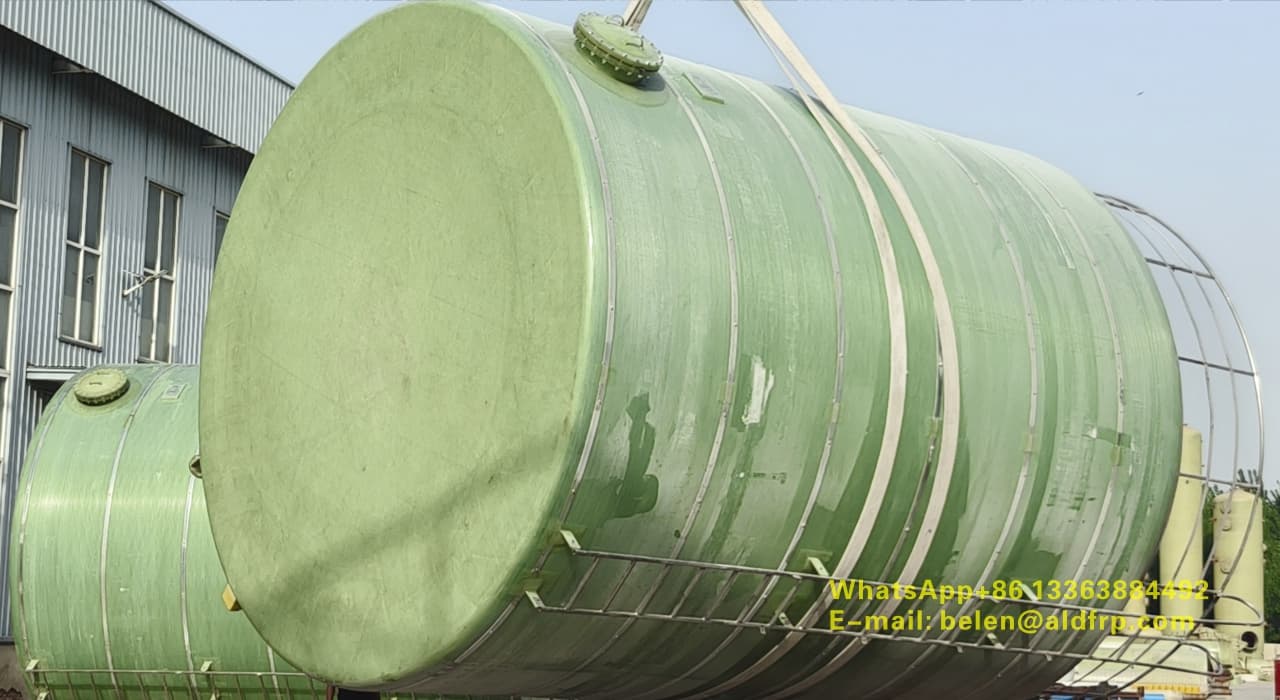
The fiberglass reinforcement in these tanks ensures high mechanical strength. A properly manufactured FRP chemical storage tank can last 20–30 years, even under continuous chemical exposure and environmental stress. The long service life reduces maintenance costs and downtime, improving overall operational efficiency.
Every chemical process is unique, and FRP chemical storage tanks offer extensive customization:
Tank capacity: hundreds to tens of thousands of liters
Wall thickness to handle internal pressure or underground loads
Custom nozzles, flanges, and manholes
Shapes: cylindrical, rectangular, or specialized forms
This flexibility allows industries to design tanks that precisely match process and space requirements.
Understanding the FRP chemical storage tanks manufacturing process can help buyers evaluate quality and supplier capabilities.
Manufacturers begin by assessing:
The type and volume of chemicals to be stored
Environmental conditions (above-ground vs underground)
Internal pressure and safety requirements
Detailed engineering drawings are prepared to ensure compliance with international standards like ISO, ASTM, and CE certifications.
Material choice is critical for tank performance:
Fiberglass reinforcement: woven roving, chopped strands, or mats
Resin systems: polyester, vinyl ester, or epoxy
The combination of resin and fiberglass determines chemical resistance, mechanical strength, and tank longevity.
Common manufacturing methods include:
Filament Winding: Fiberglass strands coated with resin are wound around a rotating mandrel to produce uniform walls with high structural integrity. This method is ideal for large tanks.
Hand Lay-Up: Layers of resin-impregnated fiberglass are manually applied for custom shapes or smaller tanks.
Both methods ensure the FRP chemical storage tank can handle chemical exposure and mechanical stress.
After fabrication, tanks undergo curing to harden the resin. Post-processing includes:
Trimming and sanding edges
Installing flanges, nozzles, and manholes
Optional surface coating for extra chemical protection
High-quality FRP chemical storage tanks undergo strict inspection:
Wall thickness verification
Leak testing
Structural integrity checks
Raw material certification
These steps guarantee reliable performance under aggressive chemical storage conditions.
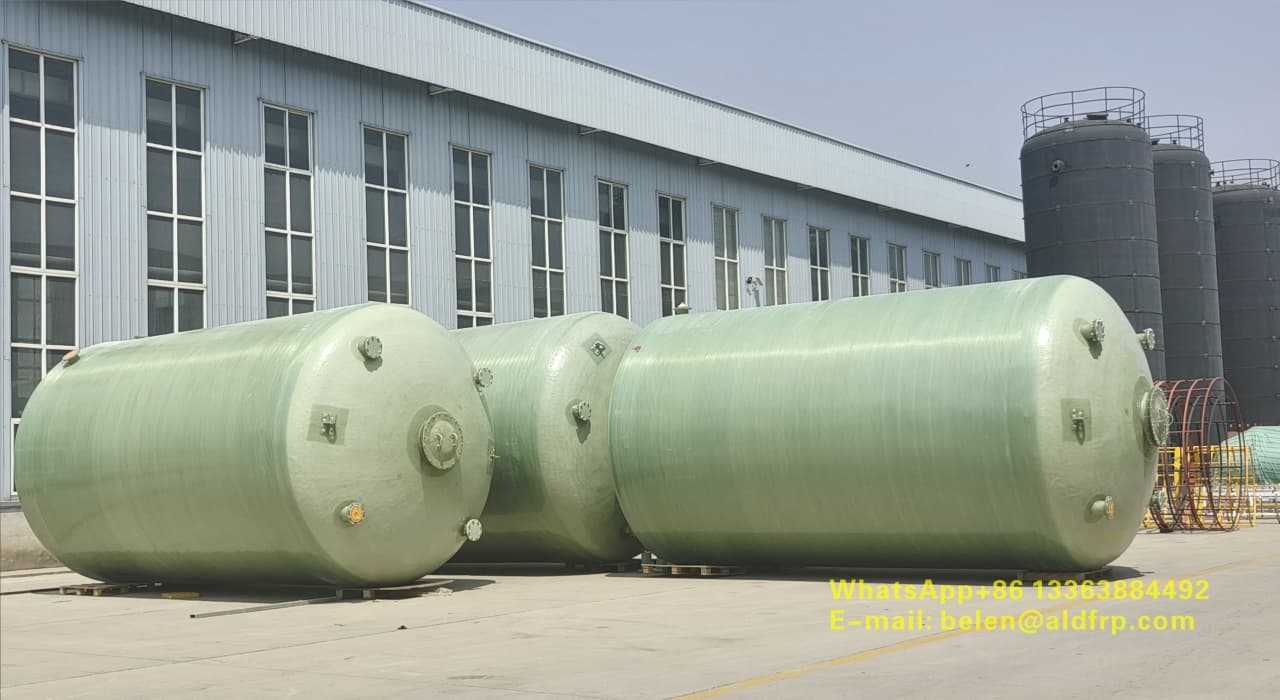
FRP tanks safely store acids, alkalis, solvents, and other chemicals while maintaining structural integrity over long periods.
Tanks are used for storing treatment chemicals, effluent, and sludge, offering durability in corrosive environments.
FRP tanks can be engineered for both underground and above-ground installations. Reinforced structures allow them to withstand soil pressure, groundwater, and external loads.
FRP tanks are also used as:
Mixing tanks
Reaction vessels
Intermediate storage solutions
The adaptability of FRP tanks makes them suitable for almost any chemical process.
Chemical Compatibility: Select the correct resin for your stored liquid.
Capacity and Pressure Requirements: Larger or pressurized tanks require thicker walls and extra reinforcement.
Installation Conditions: Above-ground or underground installations may affect design.
Supplier Expertise: Ensure suppliers provide engineering support and quality assurance.
Total Cost vs Initial Price: Higher upfront costs may result in longer service life and lower maintenance expenses.
industrial FRP chemical storage tanks for acids
corrosion-resistant fiberglass chemical storage tanks
custom FRP chemical storage tank solutions
underground FRP chemical storage tanks for industry
fiberglass reinforced plastic chemical tanks
With proper material selection and maintenance, FRP chemical storage tanks typically last 20–30 years.
Yes. Tanks using vinyl ester or epoxy resin are designed to handle aggressive chemicals safely.
Absolutely. Tanks can be reinforced to handle soil pressure, groundwater, and other underground conditions.
Yes. Capacity, wall thickness, shape, nozzles, and flanges can all be tailored to project-specific requirements.
FRP chemical storage tanks resist corrosion better than steel, are lighter, and stronger than standard plastic tanks in large-volume or pressurized applications.