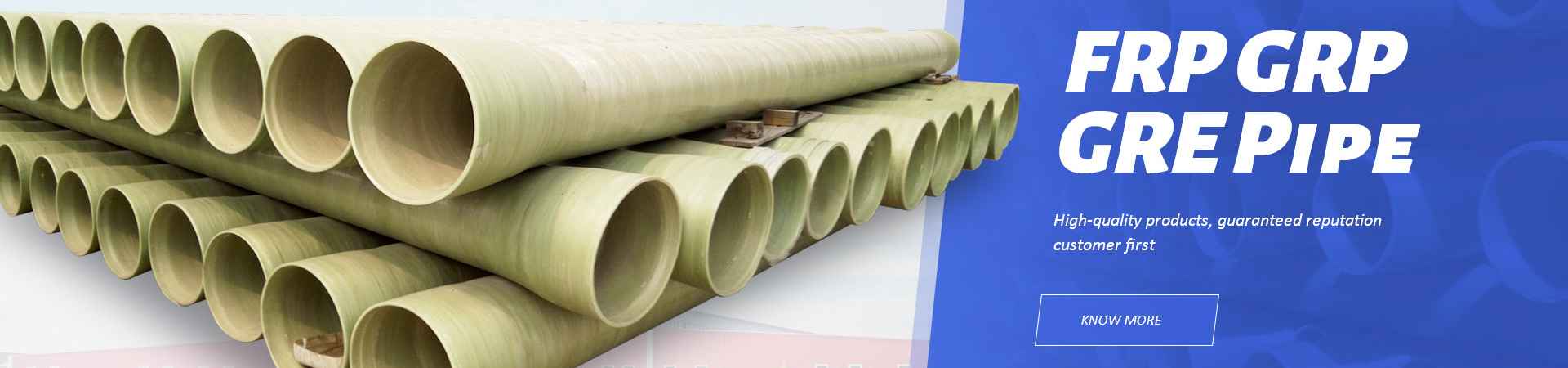

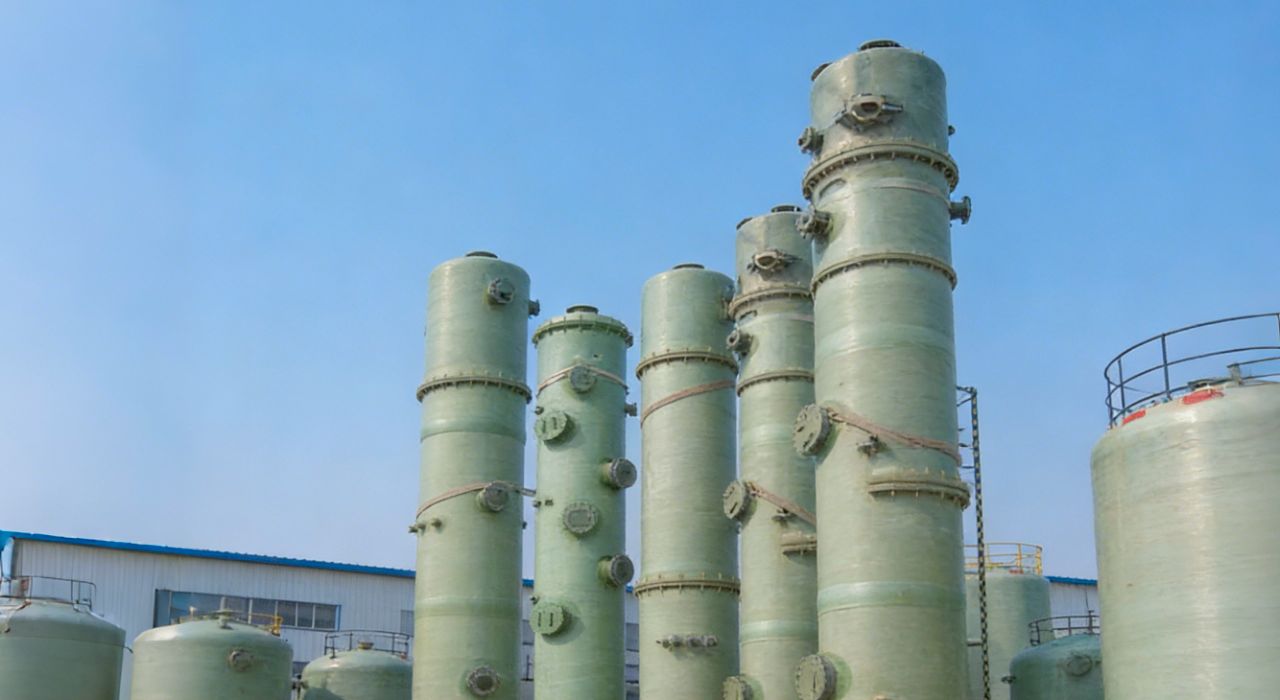
The material system of an FRP Absorption Tower is the foundation of its long-term performance in corrosive gas treatment environments. Unlike metallic towers that rely on protective coatings, FRP systems depend on a composite structure formed by glass fiber reinforcement and thermosetting resin matrices. This structure determines not only mechanical strength but also chemical resistance, temperature tolerance, and service life stability.
In industrial gas treatment applications such as acid gas scrubbing, fertilizer production, and chemical exhaust purification, material failure is rarely sudden. It develops gradually through resin degradation, fiber exposure, and micro-crack propagation under combined chemical and thermal stress. For this reason, material selection becomes a core engineering decision rather than a secondary design consideration.
Understanding resin chemistry and corrosion behavior is essential for selecting the right FRP Absorption Tower Materials for specific industrial conditions.
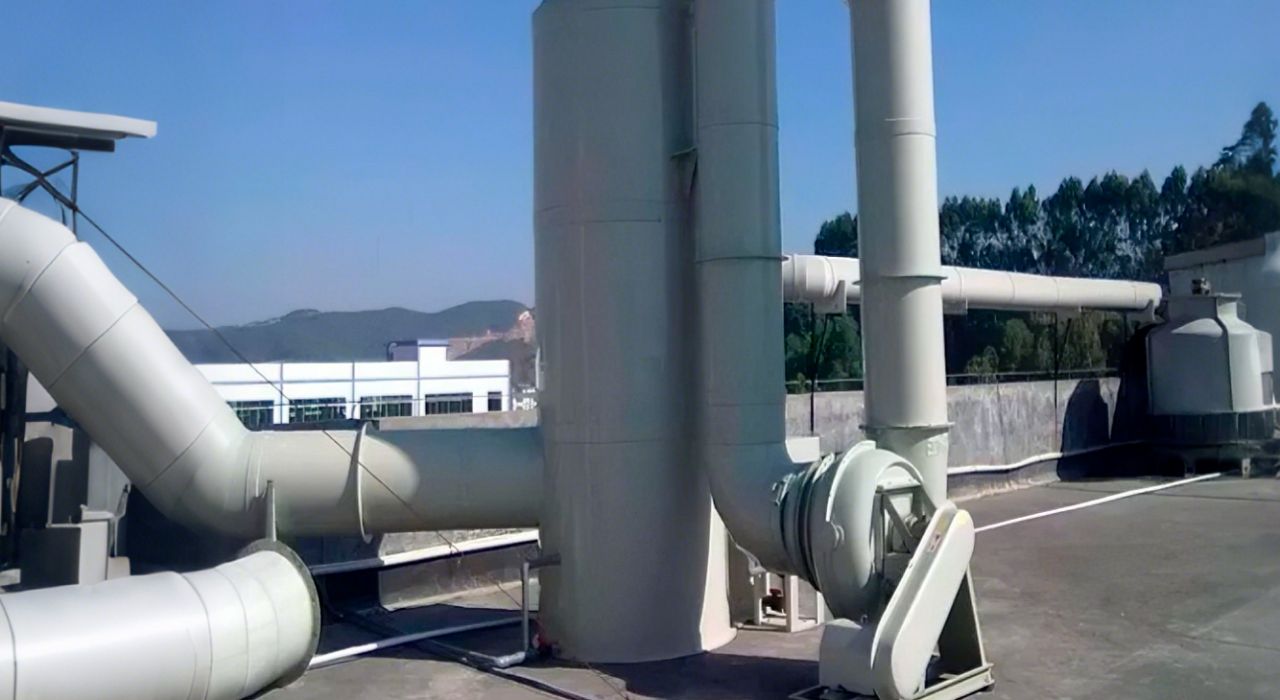
The resin matrix is the most critical component in determining corrosion resistance and thermal performance of an FRP Absorption Tower. While glass fibers provide structural reinforcement, it is the resin that defines chemical compatibility with aggressive media such as acids, alkalis, and oxidizing gases.
Unsaturated polyester resin is one of the most widely used materials in general-purpose FRP equipment. It offers a balanced combination of cost efficiency, mechanical strength, and moderate chemical resistance. In absorption tower applications, polyester-based systems are typically used in low to medium corrosion environments where acid concentration and temperature remain controlled.
However, polyester resin has limitations in highly aggressive environments. Prolonged exposure to strong acids or oxidizing agents can lead to hydrolysis and gradual loss of mechanical integrity. For this reason, it is usually not recommended for high-duty chemical absorption systems involving HCl or SO₂ at elevated concentrations.
Vinyl ester resin is the most commonly used material in high-performance FRP Absorption Tower construction. It provides significantly improved resistance to acids, alkalis, and oxidizing chemicals due to its epoxy-based molecular structure.
In industrial applications, vinyl ester systems are widely used in acid gas scrubbing, chlorine processing, and flue gas treatment systems where chemical exposure is continuous and severe. The resin forms a dense cross-linked network that reduces permeability, slowing down chemical penetration into the composite structure.
Compared with polyester systems, vinyl ester resins offer better fatigue resistance and longer service life under cyclic chemical loading conditions. This makes them a standard choice for industrial-grade absorption towers.
Epoxy resin systems provide the highest level of mechanical strength and adhesion performance among common FRP materials. In FRP Absorption Tower Materials, epoxy systems are often used in specialized applications where structural reliability is more critical than cost.
Epoxy resins exhibit excellent resistance to moisture ingress and maintain stable mechanical properties under temperature variation. However, their chemical resistance to strong oxidizing acids may be limited depending on formulation, which restricts their use in certain high-corrosion environments.
In practice, epoxy-based systems are often used in hybrid structures or reinforced zones where mechanical stress concentration is high.
The corrosion resistance of an FRP Absorption Tower is not based on a single protective layer but on the combined behavior of resin chemistry, fiber encapsulation, and laminate structure design.
The glass fibers inside the composite provide mechanical strength but are themselves vulnerable to chemical attack if exposed. Therefore, the resin matrix must form a continuous protective barrier that prevents corrosive media from reaching the fibers. Once micro-cracks develop in the resin, chemical agents can penetrate and initiate progressive degradation.
In acidic environments such as HCl or SO₂ absorption systems, corrosion typically begins with surface resin erosion. Over time, diffusion of chemicals into the laminate causes swelling, micro-void formation, and reduction in interfacial bonding strength between fiber and resin.
Temperature plays a critical role in this process. Higher operating temperatures accelerate chemical diffusion and resin breakdown, reducing the long-term durability of the material system. This is why thermal resistance is closely linked with corrosion resistance in FRP Absorption Tower Materials.
Selecting the correct material system for an FRP Absorption Tower requires evaluation of multiple process parameters rather than relying on a single property such as chemical resistance.
The type and concentration of gases being treated directly determine resin compatibility. For example, chloride-rich environments require high resistance to acid penetration, while ammonia systems require stability under alkaline conditions.
The presence of mixed gases introduces additional complexity because different chemical species may interact with the resin in different ways, accelerating degradation if the material is not properly selected.
Temperature is one of the most influential factors in material selection. As temperature increases, resin softening and chemical diffusion rates also increase. This reduces both mechanical strength and corrosion resistance over time.
In high-temperature applications, vinyl ester or epoxy-based systems are generally preferred over polyester systems due to their improved thermal stability.
An FRP Absorption Tower is subjected not only to chemical stress but also to mechanical forces such as internal pressure, wind load, and vibration from gas flow. These forces can lead to micro-crack formation if laminate design is not properly optimized.
Material selection must therefore consider both chemical resistance and mechanical performance simultaneously, as failure often occurs due to combined stress rather than a single factor.
Beyond resin selection, the internal structure of FRP Absorption Tower Materials plays a critical role in system durability. The orientation of glass fibers determines load distribution and crack propagation behavior within the composite.
Unidirectional layers provide high strength in specific directions, while woven or chopped strand mats offer multidirectional stability. In absorption tower construction, multiple layers are typically combined to balance axial strength, hoop strength, and impact resistance.
The thickness of the laminate also influences corrosion resistance. Thicker laminates generally provide longer diffusion paths for chemicals, delaying penetration into deeper structural layers. However, excessive thickness can introduce residual stress and reduce structural efficiency if not properly designed.
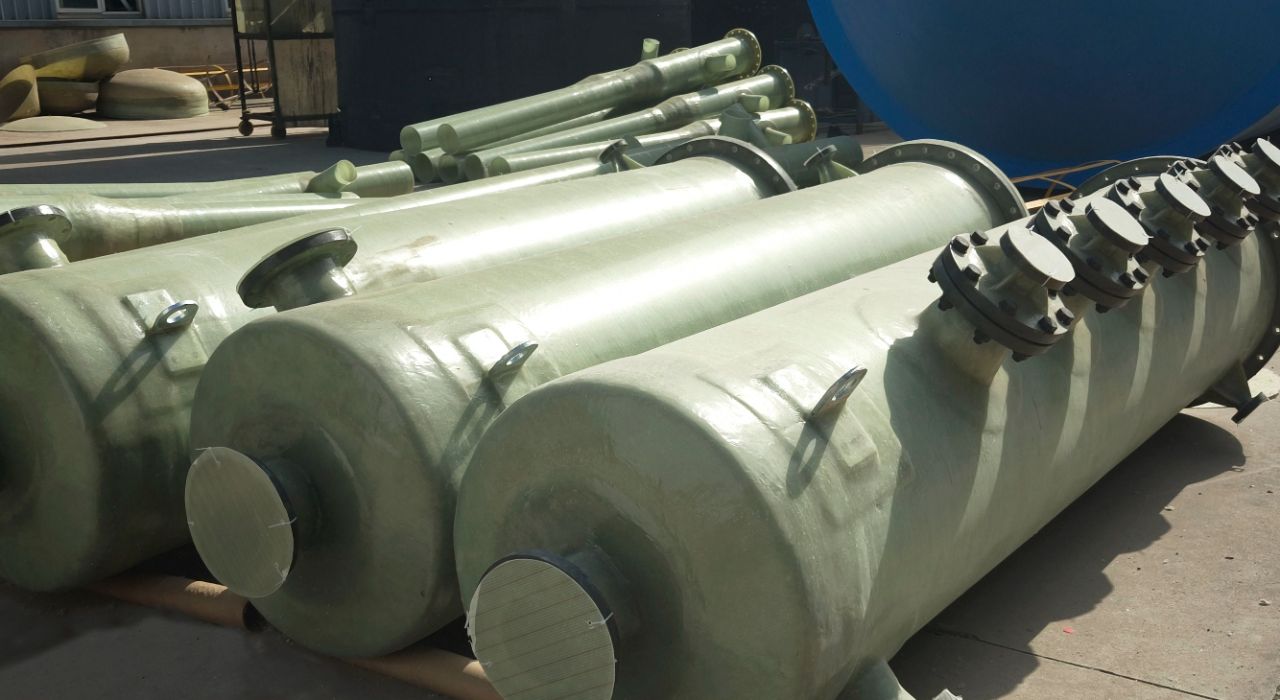
In practical engineering applications, resin selection is always a trade-off between cost, performance, and operating environment.
Polyester systems are suitable for low-corrosion environments and cost-sensitive projects. Vinyl ester systems dominate most industrial FRP Absorption Tower applications due to their balanced performance and chemical resistance. Epoxy systems are reserved for high-performance or specialized structural requirements where mechanical reliability is prioritized.
No single resin system is universally superior. The optimal choice depends on process conditions, expected service life, and maintenance strategy.
Even high-quality FRP Absorption Tower Materials undergo gradual aging during long-term operation. This aging process is influenced by chemical exposure, temperature cycling, and mechanical stress accumulation.
Surface degradation is often the first visible sign of aging, followed by micro-cracking and reduced resin hardness. If not addressed, these effects can gradually reduce overall structural integrity and corrosion resistance.
Maintenance strategies typically focus on inspection of internal components, monitoring of pressure drop behavior, and periodic evaluation of surface condition. Since FRP structures do not corrode like steel, most maintenance issues are related to internal wear rather than structural failure.
The performance of an FRP Absorption Tower is fundamentally determined by its material system, especially the type of resin used and the quality of laminate design. Polyester, vinyl ester, and epoxy resins each offer distinct advantages and limitations depending on chemical environment and operating conditions.
Corrosion resistance is not a single property but the result of a combined system involving resin chemistry, fiber protection, structural design, and operating temperature control.
Selecting the right FRP Absorption Tower Materials is therefore a system engineering decision that directly impacts service life, operational stability, and lifecycle cost in industrial gas treatment applications.