
In the modern construction industry, FRP rebar has emerged as a reliable alternative to traditional steel reinforcement due to its corrosion resistance, lightweight, and high tensile strength. However, producing high-quality FRP rebar efficiently remains a significant challenge for manufacturers. Traditional methods often face bottlenecks in production speed, material consistency, and labor intensity. This is where pultrusion technology steps in. By automating the fiber reinforcement process and standardizing resin impregnation, pultrusion technology improves overall production efficiency while maintaining or even enhancing product quality. Understanding how this technology transforms FRP rebar manufacturing can help factories optimize operations, reduce costs, and meet growing market demand.
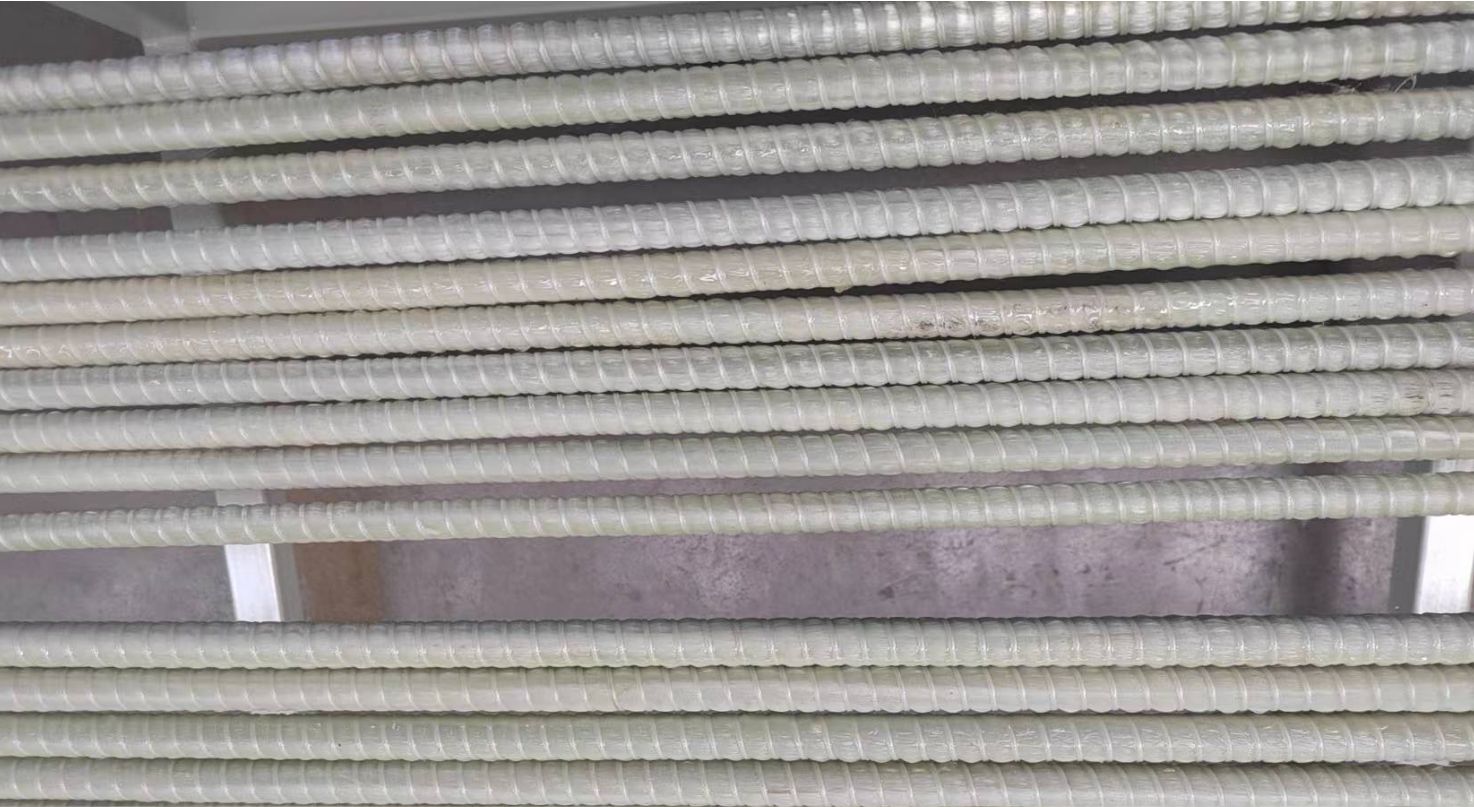
Pultrusion is a continuous manufacturing process for producing fiber-reinforced plastic (FRP) profiles with constant cross-sections. Unlike traditional manual or semi-automated rebar production, pultrusion pulls fibers through a resin bath and then through a heated die to cure the composite material. The fibers, usually glass or carbon, are impregnated with thermosetting resin, forming a strong bond and precise dimensions as the material exits the die.
The technology ensures consistent fiber alignment, uniform resin distribution, and minimal defects in the final product. Automated fiber tension control and die design allow for high-speed production without compromising structural integrity. For FRP rebar, this means enhanced tensile strength, consistent diameter, and smooth surface finish, all of which are critical for engineering applications.
By adopting pultrusion, manufacturers can produce long lengths of rebar continuously, reducing manual handling and minimizing downtime between batches. This streamlined approach directly contributes to higher production efficiency and a more predictable manufacturing workflow.
Traditional FRP rebar production involves multiple steps: fiber cutting, resin impregnation, winding or pultrusion, curing, cutting, and finishing. Each step introduces potential delays and variability. Pultrusion technology integrates these steps into a continuous line, reducing labor-intensive processes and bottlenecks.
A well-optimized pultrusion line can produce several meters of FRP rebar per minute, significantly surpassing conventional batch production rates. This not only shortens production cycles but also reduces energy consumption, labor costs, and material waste. Factories can respond faster to market demand without sacrificing quality.
One of the primary challenges in FRP rebar production is achieving uniform fiber alignment and consistent resin distribution. Variations can lead to weak spots, surface defects, or inconsistent mechanical properties.
With pultrusion, fibers are continuously guided through a resin bath under controlled tension, ensuring every strand receives equal resin coverage. The heated die then shapes and cures the material with exact dimensions. The result is FRP rebar with uniform diameter, tensile strength, and surface finish, which improves efficiency not only in production but also in downstream handling and installation.
Manual or semi-automated processes require skilled operators for resin mixing, fiber placement, and curing monitoring. Human error can result in defects or rework, slowing production and increasing costs.
Automated pultrusion technology reduces the reliance on manual labor, standardizing critical parameters such as resin flow, fiber tension, and die temperature. Operators shift from hands-on tasks to process monitoring, troubleshooting, and quality control. This reduction in labor intensity contributes directly to higher efficiency and safer working conditions.
Proper fiber handling is crucial for maintaining mechanical performance. Pultrusion lines use spools of continuous fibers, which pass through alignment guides and resin baths. Controlled tension prevents fiber breakage and ensures even distribution. The resin bath can also be maintained at optimal viscosity, ensuring complete wet-out of the fibers without excess material or waste.
Unlike batch processes where curing times can vary due to temperature fluctuations, pultrusion technology employs heated dies that cure the material as it moves continuously. This provides uniform crosslinking, reducing the risk of undercured or overcured sections. Consistent curing enhances mechanical properties, reducing the need for post-production inspections or rework.
After pultrusion, the continuous FRP rebar can be cut to precise lengths automatically, minimizing handling and storage inefficiencies. This automation streamlines packaging, reduces material damage, and maintains production efficiency throughout the entire supply chain.
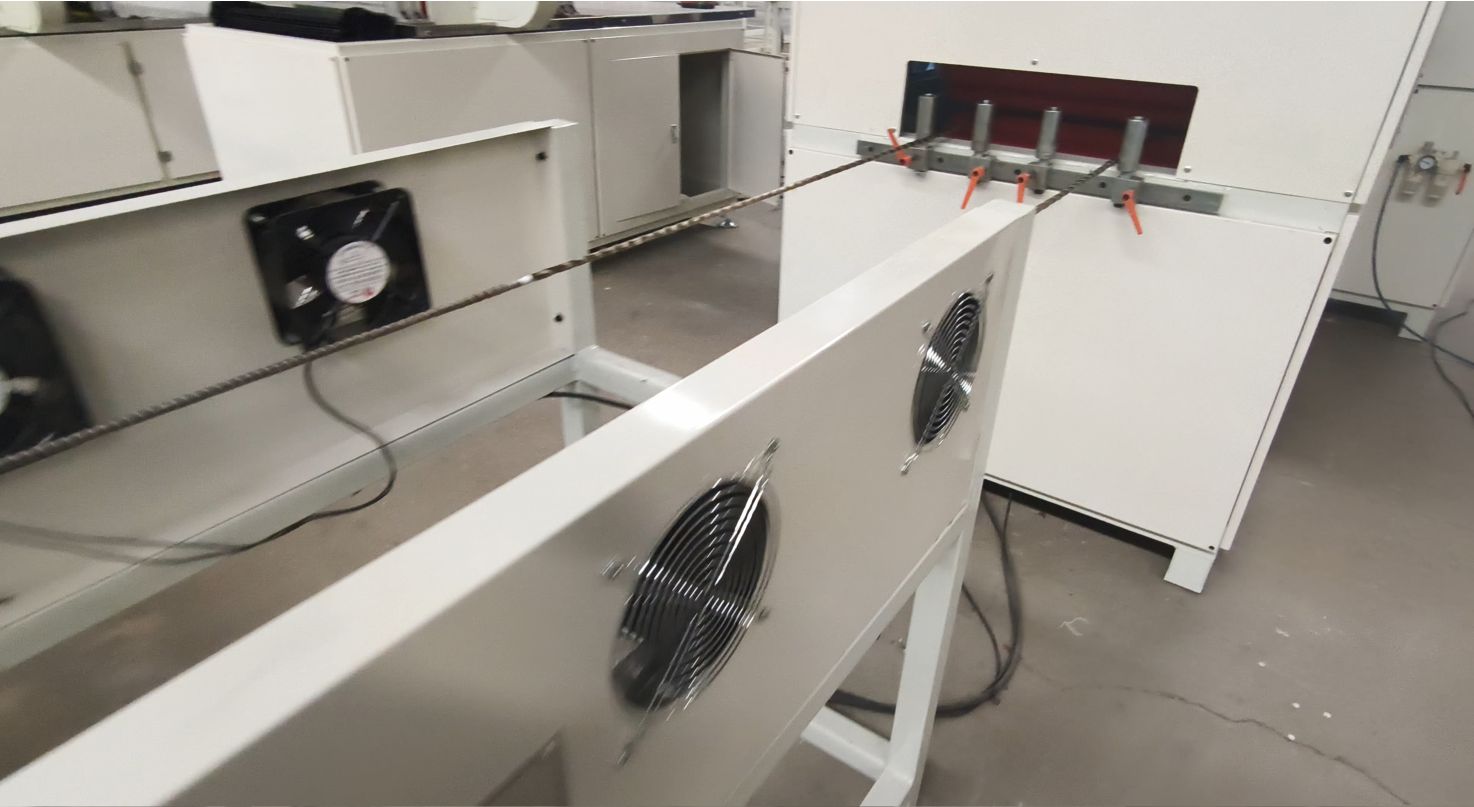
The die is the heart of a pultrusion line. Proper die design controls the shape, dimensions, and surface finish of the rebar. It also ensures that resin curing occurs evenly across the cross-section. Poor die design can lead to dimensional inaccuracies, voids, or weak fiber-resin bonding.
Tension management is critical to avoid fiber buckling or misalignment. Pultrusion lines use tension rollers and monitoring systems to maintain constant fiber stress. This attention to detail ensures that mechanical strength and surface quality remain high while maintaining continuous efficiency.
The choice of resin affects both chemical resistance and mechanical properties. Pultrusion lines can handle different resin types, including polyester, vinyl ester, and epoxy, depending on the application. Controlled resin impregnation ensures minimal waste while achieving consistent material properties.
Variations in resin viscosity or flow can cause dry spots or resin-rich areas. These inconsistencies reduce the rebar's strength and may require additional inspection or rework.
Solution: Automated resin monitoring and feedback systems adjust flow rates and temperatures in real-time, ensuring uniform coverage.
Even minor misalignment can reduce tensile strength and increase defects.
Solution: Precision guides, tension control systems, and die entry designs maintain correct fiber orientation throughout the process.
Pultrusion lines require periodic maintenance to keep dies, rollers, and resin baths in optimal condition. Unexpected breakdowns can reduce production efficiency significantly.
Solution: Scheduled preventive maintenance, coupled with modular line design, reduces downtime and maintains continuous operation.
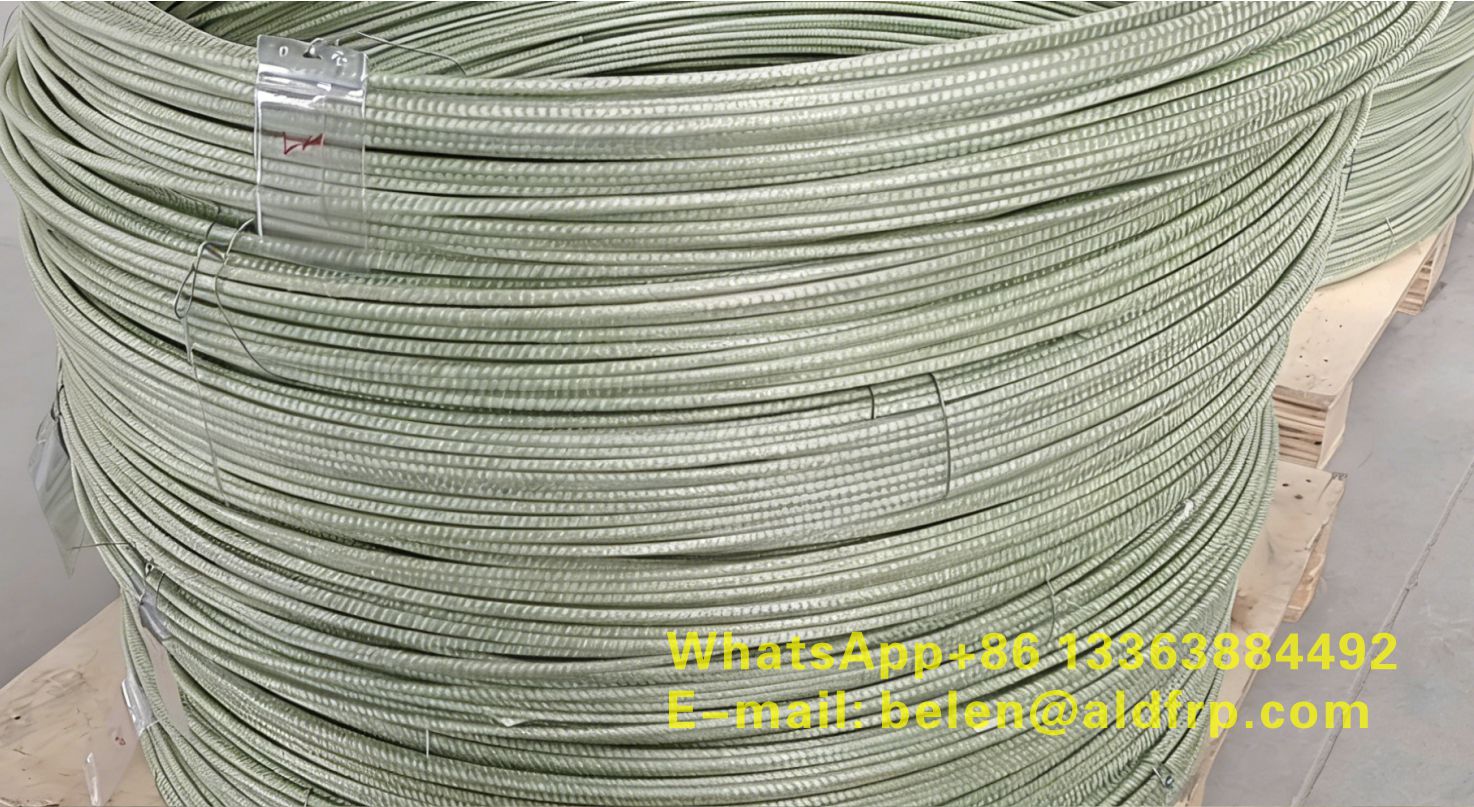
Investing in pultrusion lines may involve higher initial capital compared to conventional batch processes. However, the long-term gains are substantial:
Increased production output and shorter lead times
Lower labor and energy costs
Reduced material waste and scrap rates
Improved product quality and reduced rework
Higher customer satisfaction due to consistent product performance
These benefits make pultrusion technology a cost-effective solution for modern FRP rebar manufacturing.
Pultrusion minimizes resin waste and VOC emissions due to closed resin baths and precise temperature control. Less manual handling reduces exposure to chemicals, dust, and repetitive strain injuries. Automated systems can also integrate exhaust ventilation and resin collection, promoting a safer and cleaner workplace.
Manufacturers are exploring smart pultrusion lines with:
Real-time process monitoring using IoT sensors
Adaptive control systems for varying resin types
Integration with automated storage and inventory management
AI-assisted predictive maintenance to prevent downtime
These advancements will further enhance efficiency, reduce production costs, and improve product quality, allowing FRP rebar to compete more effectively with traditional steel reinforcement.
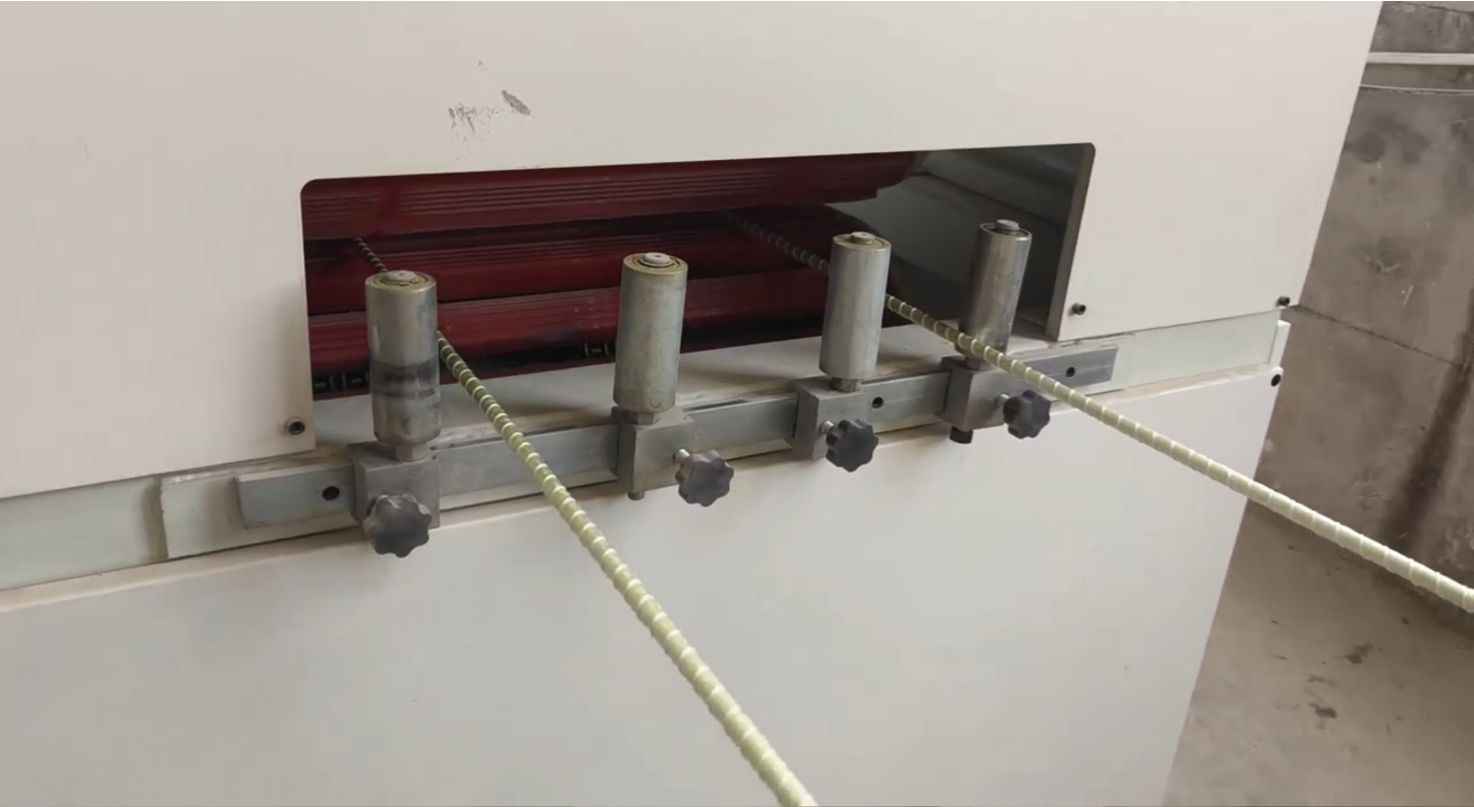
Pultrusion technology represents a transformative approach to FRP rebar production. By combining continuous fiber alignment, controlled resin impregnation, and automated curing, it delivers superior product quality and operational efficiency. Manufacturers benefit from faster production cycles, reduced labor intensity, lower waste, and consistent dimensional accuracy.
Adopting pultrusion requires attention to die design, fiber tension, resin selection, and preventive maintenance, but the long-term benefits in output, reliability, and market competitiveness are significant. For companies aiming to meet growing demand while maintaining high-quality standards, pultrusion technology is not just an option—it is the future of FRP rebar manufacturing.
Q1: What is pultrusion in FRP rebar production?
Pultrusion is a continuous manufacturing process where fibers are pulled through a resin bath and a heated die to produce uniform, high-strength FRP rebar.
Q2: How does pultrusion improve efficiency?
It integrates fiber alignment, resin impregnation, and curing into a continuous line, reducing manual labor, material waste, and production bottlenecks.
Q3: Can pultrusion handle different resin types?
Yes. Pultrusion lines can process polyester, vinyl ester, or epoxy resins, depending on chemical resistance and mechanical requirements.
Q4: What are common challenges in pultrusion?
Resin flow variations, fiber misalignment, and line downtime. Solutions include automated monitoring, tension control, and preventive maintenance.
Q5: Why is pultrusion more cost-effective long-term?
Despite higher initial investment, pultrusion reduces labor, energy, and material costs while improving output, product quality, and customer satisfaction.