
As global infrastructure standards continue to evolve, traditional steel reinforcement is increasingly limited in corrosive and high-demand environments.
Marine engineering, coastal bridges, tunnels, chemical plants, and wastewater infrastructure all require reinforcement materials with longer service life, higher corrosion resistance, and lower maintenance costs.
This shift has made FRP rebar (Fiberglass Reinforced Polymer rebar) one of the fastest-growing composite materials in modern construction.
Behind every high-performance FRP rebar product is a fully integrated industrial system:
FRP rebar production line = pultrusion technology + resin chemistry + automation control + continuous manufacturing engineering
This guide explains the complete system from production principles to equipment, plant design, cost structure, and investment decision logic.
FRP Rebar Manufacturing Process Explained
FRP Rebar Production Machine and Equipment System
FRP Rebar Plant Cost and Investment Analysis
Turnkey FRP Rebar Production Line EPC Solution
FRP Rebar vs Steel Rebar Comparison
Fiberglass and Resin Materials in FRP Production
An FRP rebar production line is a continuous composite manufacturing system that produces fiberglass reinforced polymer rebars using pultrusion and thermal curing technology.
It is not a single machine, but a fully integrated industrial system.
A complete production line includes:
Fiber feeding system
Resin impregnation system
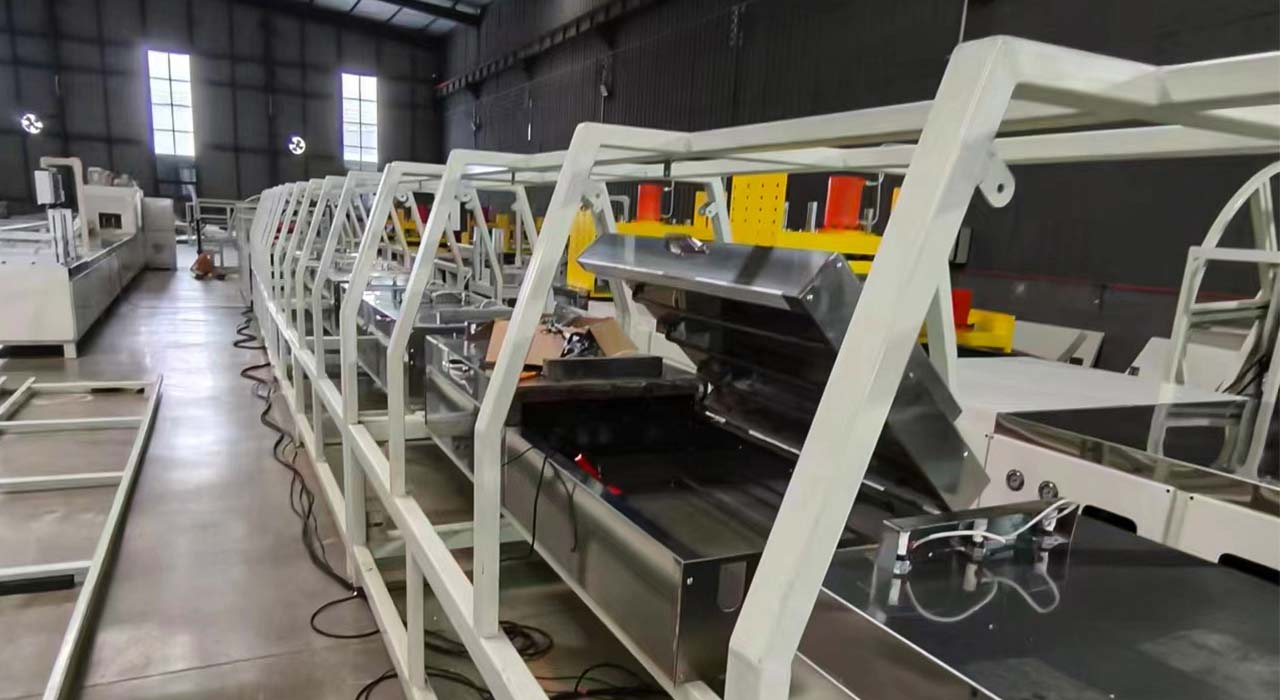
Pultrusion forming unit
Preforming and shaping system
Thermal curing system
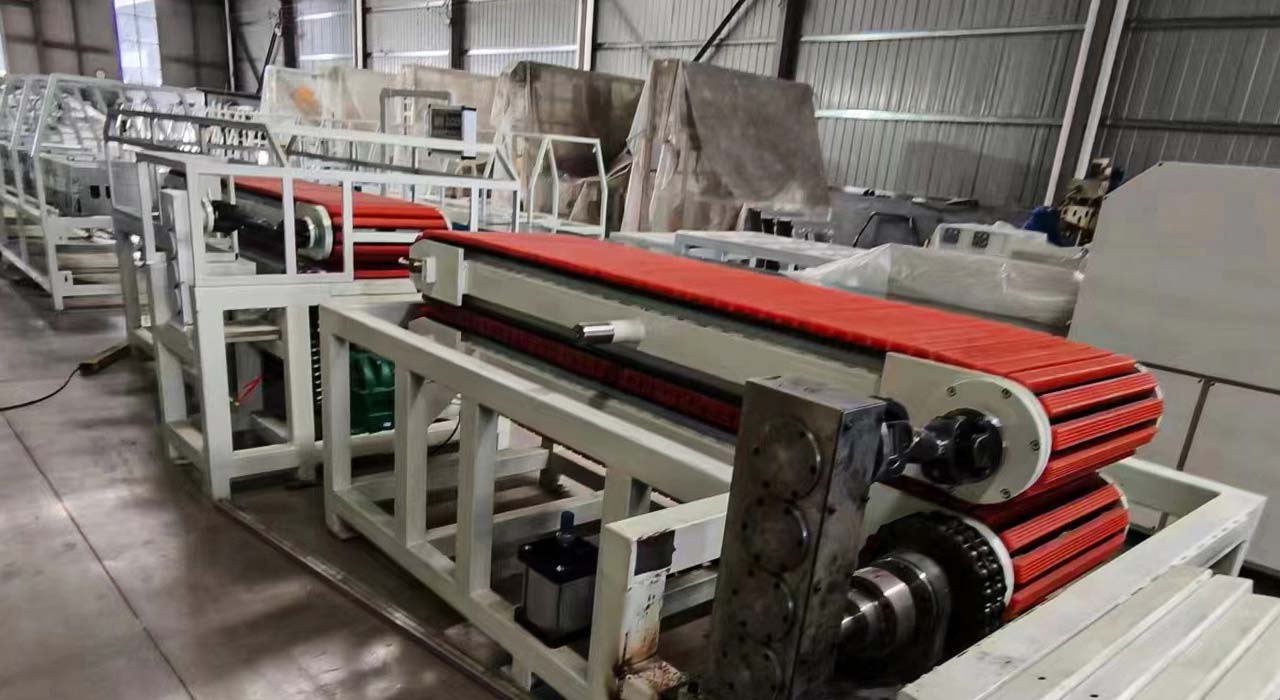
Pulling system
Cutting system
Surface treatment system
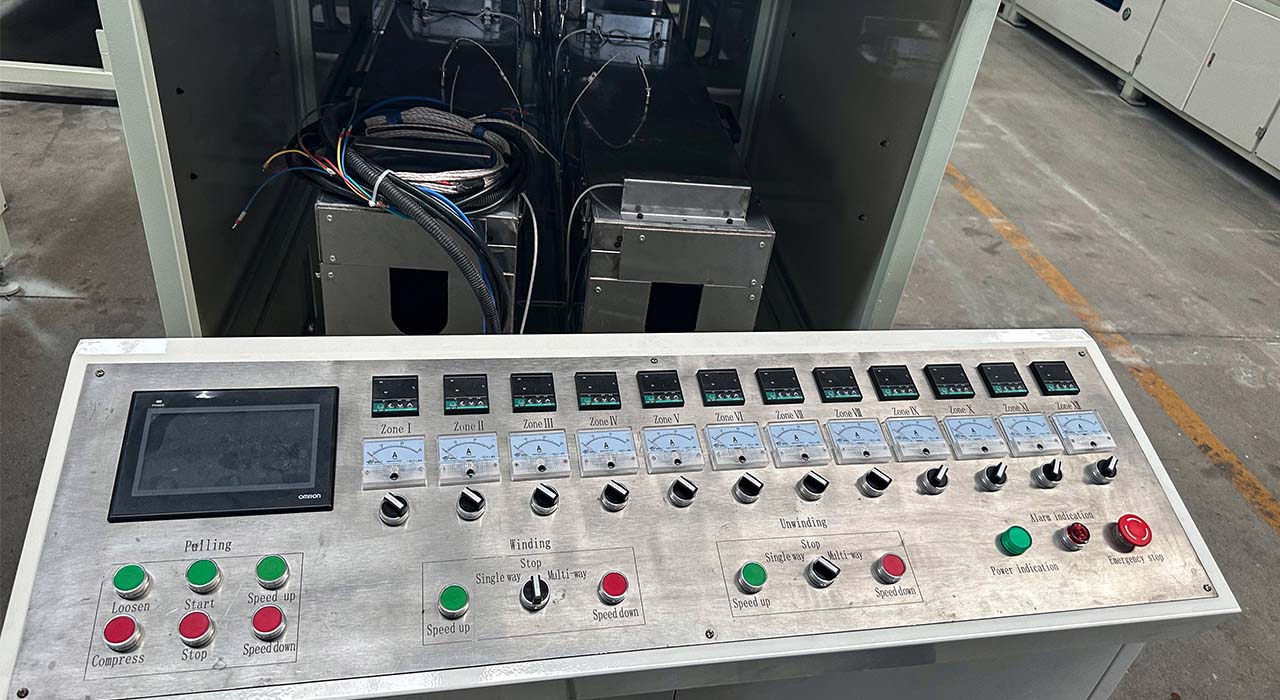
Automation control system
This is a continuous “fiber-to-rebar” industrial process.
The FRP rebar production system combines three engineering domains:
Composite material engineering (fiber + resin)
Thermal processing (curing & forming)
Automation control (continuous production stability)
In simple terms:
It is a continuous industrial composite forming system, not traditional mechanical manufacturing.
FRP rebar is replacing steel in many infrastructure sectors due to environmental and performance advantages.
No rusting like steel
Ideal for marine and chemical environments
Easy transportation
Lower installation cost
Strong resistance to fatigue loads
Suitable for long-span structures
Used in power systems and rail transit
Suitable for MRI and sensitive facilities
Significantly reduces lifecycle maintenance cost
The most widely used industrial method is continuous pultrusion technology.
Fiber feeding
Resin impregnation
Fiber alignment & shaping
Surface treatment
Thermal curing
Pulling & cutting
This is a fully continuous automated process.
FRP Rebar Manufacturing Process Explained
A modern production system integrates multiple precision modules.
Ensures stable fiber tension and continuous feeding
Controls resin distribution and fiber wet-out quality
Core curing and forming unit of the production line
Maintains synchronized continuous production speed
Automatic length control and precision cutting
Improves bonding performance with concrete
Controls:
Temperature
Speed synchronization
Resin ratio
Production stability
FRP Rebar Production Machine and Equipment System
E-glass fiber (most common)
Basalt fiber
High-performance composite fiber
Vinyl ester resin (high corrosion resistance)
Epoxy resin (high mechanical strength)
Polyester resin (cost-efficient solution)
Sand coating
Ribbed surface materials
Bonding enhancement additives
A professional production plant must ensure continuous flow + safety + curing stability.
Raw material storage
Fiber feeding area
Resin mixing zone
Pultrusion production line
Curing zone
Cutting & packaging area
Finished product warehouse
Quality inspection lab
Minimize backtracking and material interruption
Resin curing is highly temperature-sensitive
VOC control and ventilation are required
Turnkey FRP Rebar Production Line Solution
Equipment: 40–60%
Construction: 15–25%
Utilities: 10–15%
Automation: 5–10%
Environmental systems: 5–10%
Raw materials (major cost)
Energy consumption
Labor cost
Maintenance
Consumables
| Scale | Capacity | Investment |
|---|---|---|
| Small | 10,000 TPY | $1M–$3M |
| Medium | 30,000–50,000 TPY | $3M–$10M |
| Large | 100,000+ TPY | $10M–$30M+ |
FRP Rebar Plant Cost and Investment Analysis
Modern production lines are moving toward smart manufacturing systems.
PLC automation control
Servo synchronization
Real-time monitoring
Automatic resin dosing
Smart production tracking
Higher consistency
Lower labor dependency
Stable product quality
Reduced operating cost
FRP rebar is widely used in:
Bridges and highways
Marine engineering
Seawalls and ports
Chemical plants
Tunnels and subways
Power infrastructure
MRI facilities
FRP Rebar vs Steel Rebar Comparison
Higher output with lower labor cost
Improved durability and fire resistance
Eco-friendly composites and recycling trends
Predictive maintenance and digital monitoring
When planning an FRP rebar production project, decision factors include:
Target application (marine, infrastructure, industrial)
Required production capacity
Automation level
Resin system selection
Long-term operating cost
The real success factor is not just equipment—it is system integration.
An FRP rebar production line is a fully integrated composite manufacturing system combining:
Pultrusion technology
Resin chemistry
Thermal curing engineering
Automation control systems
As global infrastructure continues shifting toward corrosion-resistant and long-life materials, FRP rebar manufacturing is becoming a strategic industrial sector.
For manufacturers and investors, success depends on:
✔ Proper process selection
✔ Integrated equipment system
✔ Optimized plant design
✔ Stable automation control
In modern composite manufacturing, FRP rebar production is no longer just a material process—it is a complete industrial system engineering solution.