
When companies start exploring composite manufacturing technology, one of the first questions that comes up is: How much does a pultrusion machine cost? Pultrusion machines are essential equipment for producing continuous fiber reinforced plastic (FRP) profiles, and understanding their price structure is crucial for effective budgeting and investment planning.
This guide provides a complete pricing breakdown, explains the factors that influence cost, and shows you how to evaluate pricing options for everything from entry‑level setups to full industrial production lines.
Before diving into costs, it’s helpful to briefly review what a pultrusion machine does.
A pultrusion machine is a specialized composite manufacturing system that continuously pulls fibers through a resin bath and then through a heated die to cure and form a solid profile. These machines produce:
Structural beams and channels
Rods and bars
Grating and decking components
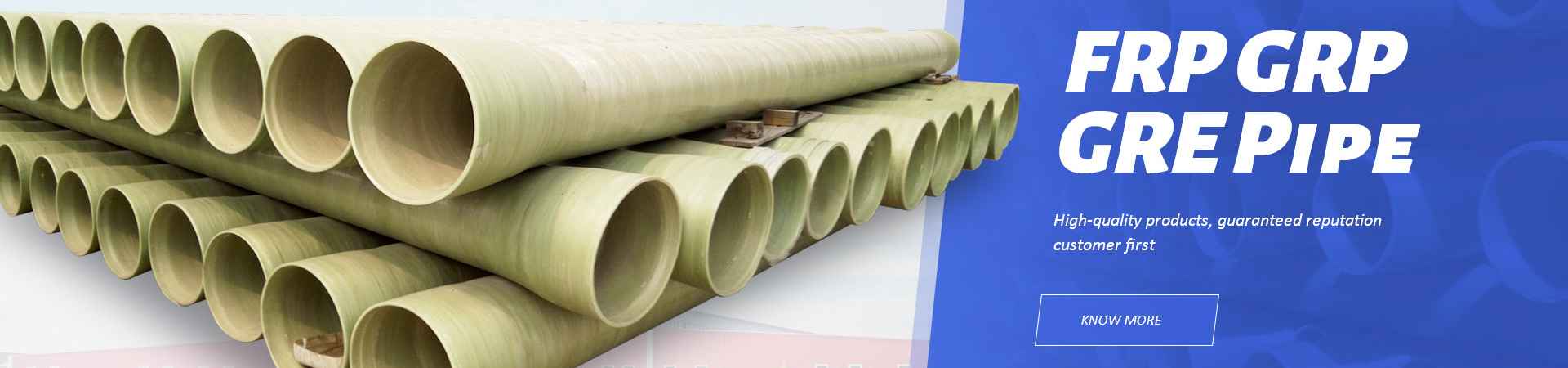
Pipes and tubes
Custom composite profiles
The process delivers lightweight, corrosion‑resistant, and high‑strength parts with minimal material waste.
Because pultrusion systems range from small semi‑automatic units to fully integrated production lines, their prices also vary widely.
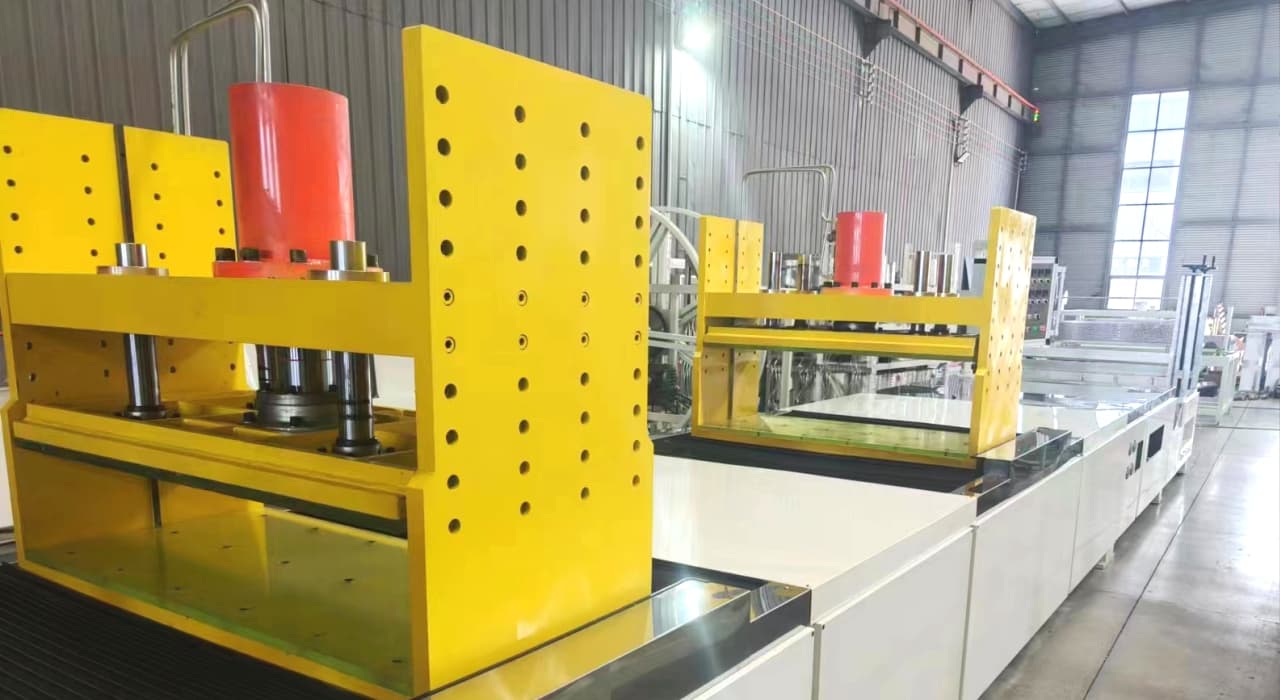
So, how much does a pultrusion machine cost? Below is a practical price breakdown based on machine type and configuration:
Price Range: $8,000 – $30,000 (approx.)
These machines are designed for:
Small output volumes
Simple profiles
Manual or semi‑automatic control
Beginner composite operations
Entry‑level systems may lack advanced automation but offer a solid starting point for small and medium manufacturers who want to begin composite profile production without a massive upfront investment.
Price Range: $30,000 – $70,000 (approx.)
Mid‑range machines typically include:
Better automation and controls
Higher pulling speed
Multiple heating zones
Greater material compatibility
This category suits manufacturers with moderate production goals, those aiming to scale up, or companies introducing composite parts into existing product lines.
Price Range: $70,000 – $200,000+ (approx.)
Industrial systems deliver:
Full automation
High‑speed continuous production
Integrated cutting and handling systems
Data logging and smart monitoring
These systems are ideal for larger manufacturers with heavy production schedules, high throughput demands, or multiple profile types.
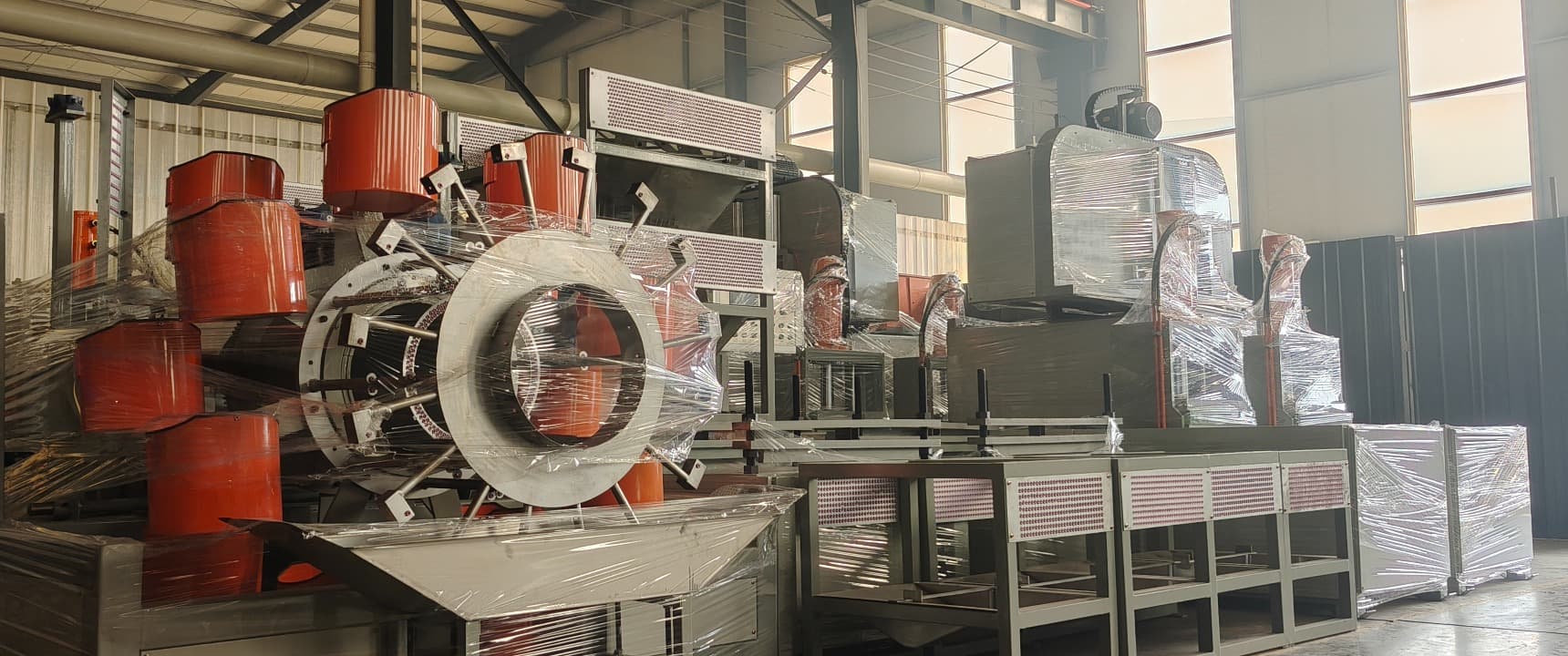
Price Range: $150,000 – $500,000+ (approx.)
A turnkey line includes not only the main pultrusion machine, but also:
Integrated fiber feeding systems
Resin impregnation chambers
Automated pulling and cutting units
Control systems and safety features
Turnkey solutions provide a complete production environment optimized for high performance and consistency, making them suitable for industrial composite manufacturers.
Understanding why prices vary helps you make better purchasing decisions. Here are the main factors that influence how much a pultrusion machine costs:
The volume of output you want to achieve directly impacts price. Machines designed for higher throughput require:
Stronger pulling systems
Larger heating zones
Higher‑capacity motors
These features increase cost but also improve efficiency and production capability.
Automation is one of the biggest cost drivers. A fully automated system with PLC control, digital feedback loops, and smart monitoring costs more upfront but usually delivers:
Improved consistency
Reduced labor requirements
Better process stability
Semi‑automatic systems cost less initially but require more human intervention.
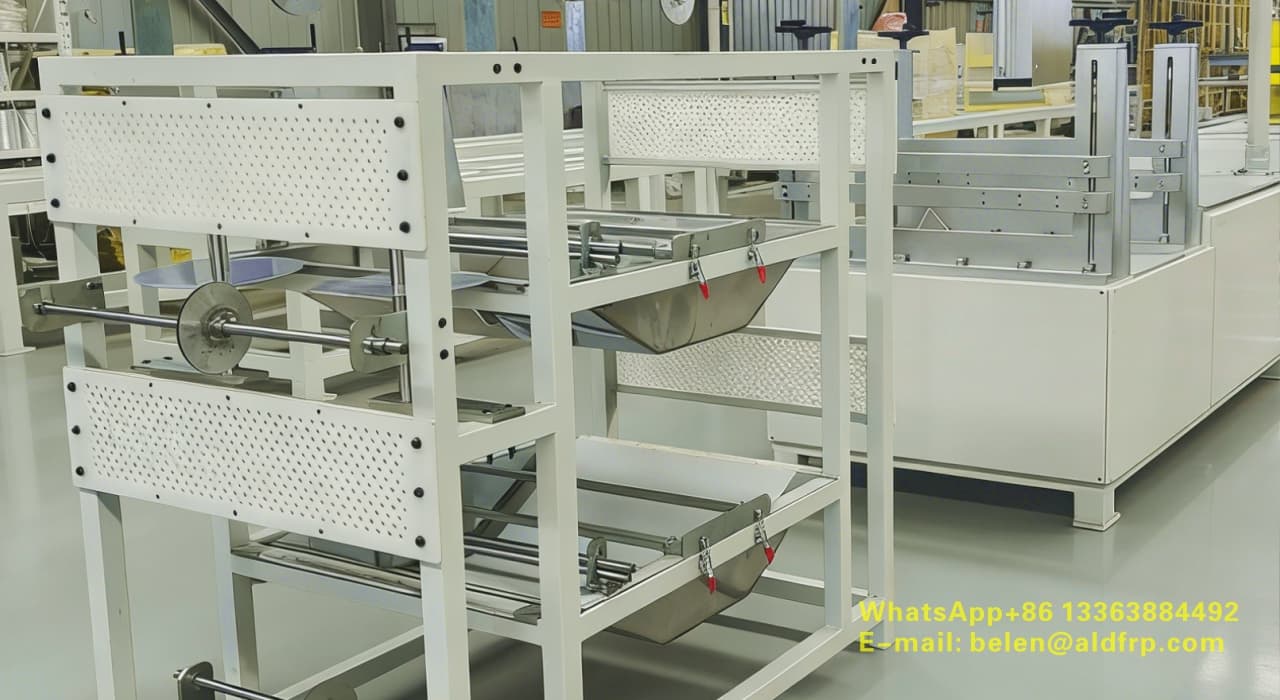
Pultrusion machines that support a wide range of materials — including polyester, vinyl ester, and epoxy resins — often cost more due to:
Enhanced resin circulation systems
Multiple material handling configurations
Advanced die design capabilities
If your manufacturing plan involves specialized composites, expect higher costs.
Die design and tooling contribute significantly to the overall investment. Custom shapes, complex geometries, or specialized reinforcements require:
Precision engineering
Material‑specific die specifications
Iterative testing and adjustments
Custom dies are typically priced separately and are priced based on complexity.
A pultrusion machine can be outfitted with optional features that further influence cost:
Advanced cutting and stacking systems
Integrated cooling systems
Smart monitoring and remote diagnostics
Safety interlocks and operator protection
Each optional system adds to performance but also to price.
A lower price does not always mean a better deal. Machines with cheaper components or less robust engineering may experience:
Higher maintenance costs
More frequent downtime
Inconsistent product quality
Evaluating value means balancing upfront cost against:
Long‑term reliability
Support and service
Ease of operation
Future expansion potential
When calculating how much a pultrusion machine costs, always think beyond the purchase price. Include:
Installation and commissioning
Operator training
Spare parts and maintenance
Energy consumption
Potential downtime costs
A slightly higher priced machine with strong support and easy maintenance may have a lower TCO over its lifespan.
If budget is a critical concern, here are strategies manufacturing teams use to secure affordable equipment without compromising performance:
Instead of purchasing a full turnkey line, consider a modular setup that allows you to:
Begin with a core pultrusion machine
Add automation elements later
Integrate cutting systems over time
This approach spreads out investment while still delivering productivity.
For moderate production volumes, semi‑automated systems offer a good balance between performance and cost, especially for SMEs entering composite manufacturing.
If your initial product range uses standard shapes, selecting pre‑configured dies can reduce costs compared to fully custom tooling.
Ask suppliers about bundled support — such as installation, training, and maintenance contracts — which can be more cost‑effective than purchasing services separately.
Small and medium manufacturers often have specific needs:
Limited floor space
Moderate production goals
Tight capital budgets
For these companies, understanding how much a pultrusion machine costs helps align technology investment with business strategy. In many cases, mid‑range or semi‑automated systems offer the most practical solution, delivering strong performance without excessive upfront costs.
Selecting equipment is only part of the equation — choosing the right supplier is equally important. Here’s what to look for when asking for quotes or comparing proposals:
Ensure that the supplier has an actual manufacturing facility and not just resells equipment. Factory direct suppliers often provide better quality control and customization options.
Good suppliers ask questions about your intended product types, capacity, materials, and process goals before recommending equipment. They don’t just send generic price lists.
Reliable support can make a huge difference. Ask about:
Installation guidance
Operator training
Maintenance services
Spare parts availability
A machine that sits idle because of minor issues can cost far more than the equipment itself.
Small manufacturers often find affordable pultrusion machine price ranges in the entry‑level and mid‑range categories, typically between lower five digits up to mid five digits, depending on features and configuration.
Turnkey solutions offer complete integration and ease of setup, but cost more upfront. They are ideal for larger operations or companies with multiple product requirements.
Yes, automation adds cost but improves consistency, reduces labor, and lowers long‑term operating risk.
Often not — custom die design and tooling are typically priced separately based on complexity.
The most significant cost drivers are automation level, production capacity, material compatibility, and tooling requirements.
Understanding how much a pultrusion machine costs requires more than scanning price tags — it involves evaluating your production goals, desired automation level, material requirements, and long‑term manufacturing strategy.
Whether you are a small manufacturer looking for a cost‑effective moderate system, or a larger operation planning a fully automated production line, knowing the components of pricing helps you make a decision that balances performance and budget.
With careful planning and strategic supplier evaluation, you can equip your facility with a pultrusion machine that delivers value and efficiency for years to come.