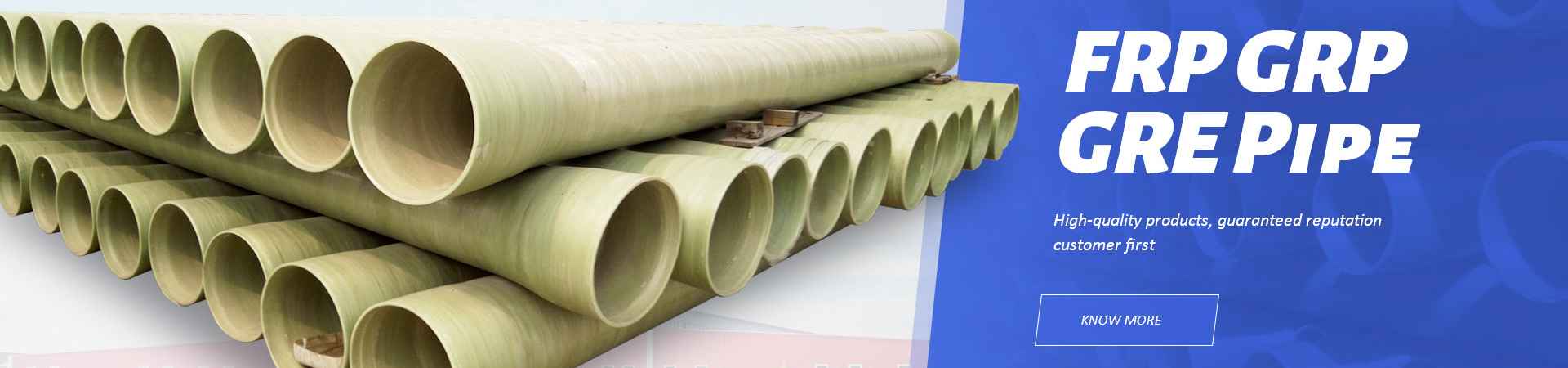

Investing in the right FRP pultrusion machine isn’t optional—it’s the single most important factor that determines your production quality, operational efficiency, and long-term profitability. A poorly chosen machine leads to surface defects, frequent downtime, and lost orders, while the right line ensures consistent output for decades.
For industrial manufacturers producing FRP rebars, pipes, rods, or structural profiles, the pultrusion line itself defines the limits of your product quality, production speed, and cost efficiency. In this guide, we break down everything you need to know to select the perfect machine.
The core of any pultrusion machine is its pulling system. The choice of pulling technology directly affects the types of profiles you can produce and the machine’s performance.
Hydraulic systems use cylinders to clamp and pull profiles intermittently.
Key Features:
Pulling force: 10–60 tons
Suitable for large, heavy, or complex profiles
Gentle grip prevents surface damage
Best For:
I-beams, channels, gratings, and other structural profiles
Limitations:
Slower production speeds (0.1–1.5 m/min)
Higher maintenance requirements
Higher initial cost
Caterpillar systems use continuous rubber or PU belts to pull profiles.
Key Features:
Continuous pulling process
High production speed (up to 3 m/min or more)
Excellent surface finish
Best For:
FRP rebars, pipes, rods, small to medium profiles
Advantages:
Lower maintenance requirements
Easier operation
Ideal for startups and high-volume production
Recommendation:
For most small to medium profile production, a caterpillar line provides the best balance of speed, surface quality, and cost efficiency.
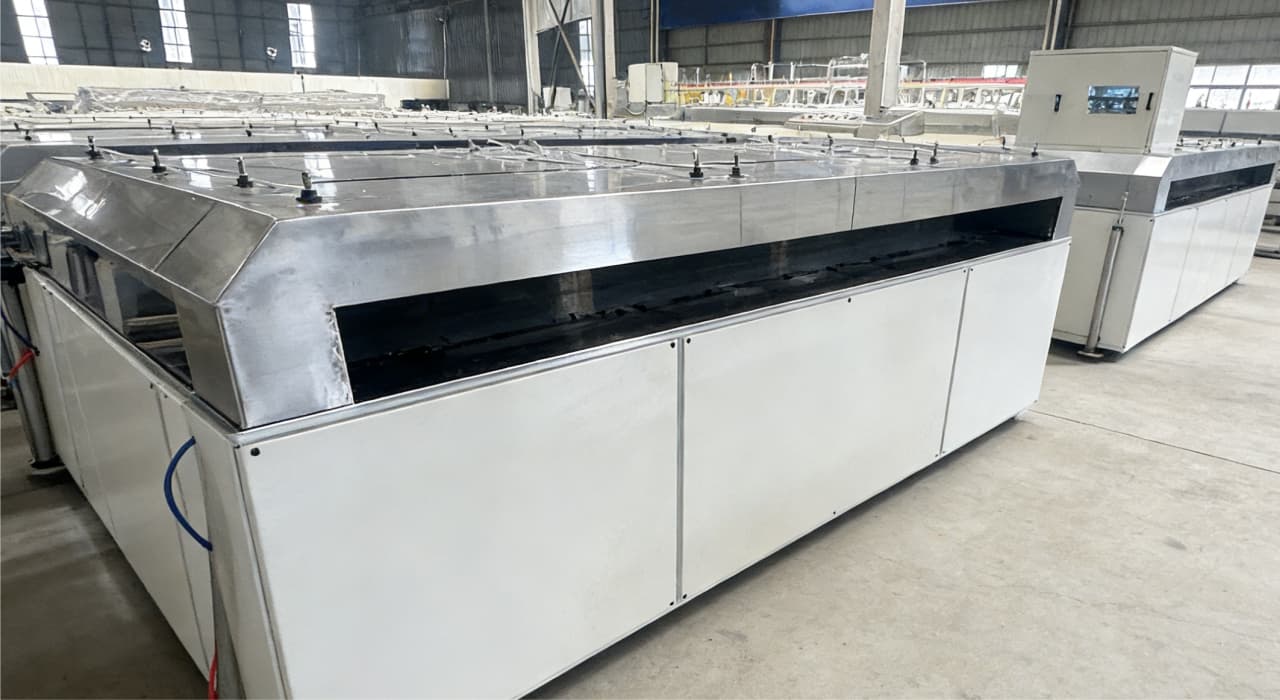
One of the most common mistakes manufacturers make is underestimating or overestimating their machine’s capacity.
Key Considerations:
Pulling force (tons): Determines maximum profile size and resin content
Line speed (m/min): Higher speeds increase output if curing allows
Multi-line setups: Multiple lines on a single machine increase output without proportionally increasing labor
Rule of Thumb:
Always leave 30–40% capacity margin for future expansion or higher-resin profiles.
Example Table:
| Profile Type | Recommended Pulling Force | Machine Type | Expected Output |
|---|---|---|---|
| FRP Rebar (ø6–32mm) | 5–10 tons | Caterpillar, single/multi-line | 200–600 kg/hour |
| Round Pipe (ø10–200mm) | 10–30 tons | Caterpillar or Hydraulic | 50–300 kg/hour |
| Structural I-beams / Channels | 20–60 tons | Hydraulic | 30–150 kg/hour |
| FRP Gratings | 10–20 tons | Caterpillar | 100–400 kg/hour |
The heating system controls resin curing, which directly affects product quality and consistency.
Electric Heating Plates
Most common
Precise PID control
Suitable for profiles up to 300mm width
Oil Heating
Better temperature uniformity for thick profiles
Slower response time than electric
Infrared / Ceramic Heating
Fast response for thin profiles
Energy-efficient
Increasingly popular for high-speed rebar lines
Specifications to Check:
Heating zones: Minimum 3, 5–6 for complex shapes
Temperature range: 200–220°C for vinyl ester resin
Control accuracy: ±2°C PID control
The method of resin impregnation affects fiber wet-out, waste, and environmental compliance.
| System | Fiber Wet-Out | Resin Waste | VOC Emission | Best For |
|---|---|---|---|---|
| Open Bath | Moderate | 5–10% | High | Simple rods, pipes |
| Closed Injection | Excellent | 1–3% | Minimal | Complex profiles, structural shapes |
Tip:
Closed injection systems are preferred for industrial applications due to superior quality, reduced waste, and compliance with stricter environmental regulations.
Modern FRP pultrusion machines range from basic manual operation to fully automated industrial 4.0 systems.
Basic PLC: Temperature and speed control, emergency stop
Advanced PLC: Data logging, recipe management, alarm history
Smart / IoT Ready: Remote monitoring, predictive maintenance, MES/ERP integration
Trend:
Industrial manufacturers are increasingly moving toward IoT-enabled smart pultrusion lines for efficiency and predictive maintenance.
High-quality dies are essential for precision and surface finish.
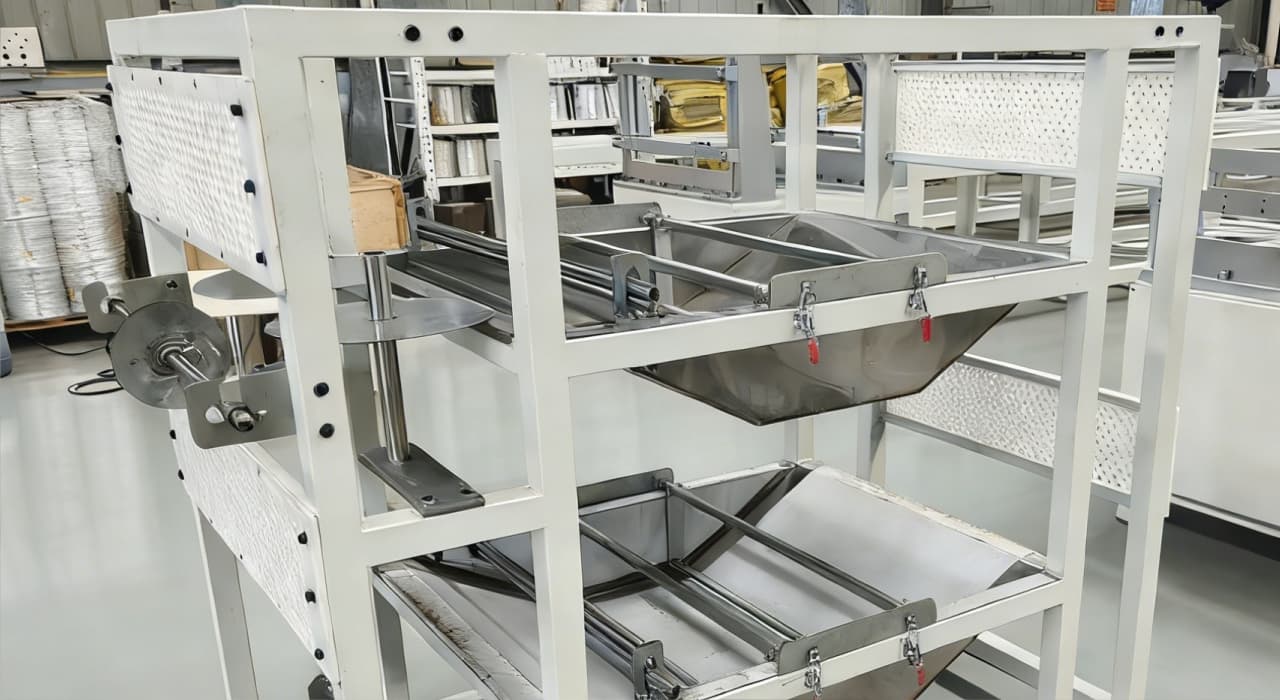
Considerations:
Material: 4Cr13 or P20 steel
Surface treatment: Chrome plating (0.08–0.15 mm)
Surface finish: Ra 0.2–0.4 μm
Precision: CNC machining ±0.02 mm
Recommendation:
Choose suppliers offering integrated die manufacturing and design support, ensuring consistent profiles from day one.
Price alone does not determine value. Consider:
Shipping and installation costs
Operator training (1–2 weeks recommended)
Spare parts availability
Energy consumption (15–25 kW typical for a 30-ton hydraulic line)
Resin efficiency (closed injection systems save $5,000–15,000 per year)
Key Insight:
The cheapest machine upfront can become the most expensive over 10–15 years if operational costs, downtime, and resin waste are high.
A reliable supplier is as important as the machine itself.
Checklist:
Factory inspection: on-site or virtual
Proven export experience
Customer references (3–5 similar industries)
ISO9001 and CE certifications
Responsive after-sales support
Rule:
Invest in a supplier with mature technology, integrated die capability, and a strong track record of delivering complete production lines.
Before purchasing, ensure you:
✔ Define product range first, then match the machine
✔ Choose the correct pulling system
✔ Leave 30–40% capacity margin
✔ Select multi-zone heating system
✔ Consider closed resin injection
✔ Evaluate long-term operational costs
✔ Verify supplier’s die and export capabilities
Choosing the right industrial FRP pultrusion machine is about maximizing quality, speed, and ROI. The right machine, combined with proper resin systems, heating, dies, and automation, ensures reliable production for decades.
Industrial manufacturers should not view the pultrusion line as just a machine—it’s the backbone of your entire fiber reinforced polymer production strategy.
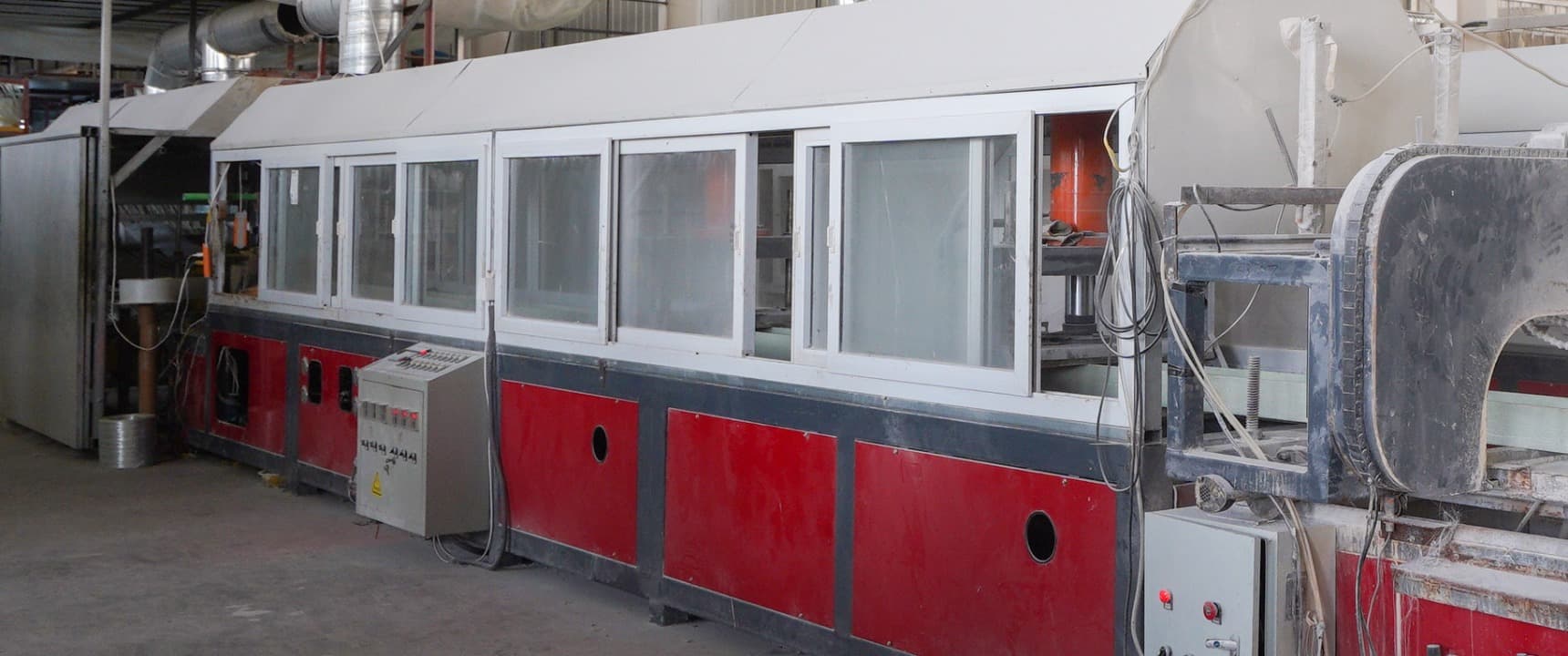
Our engineering team provides:
Tailored machine configuration
Turnkey production line solutions
Full technical support from design to installation