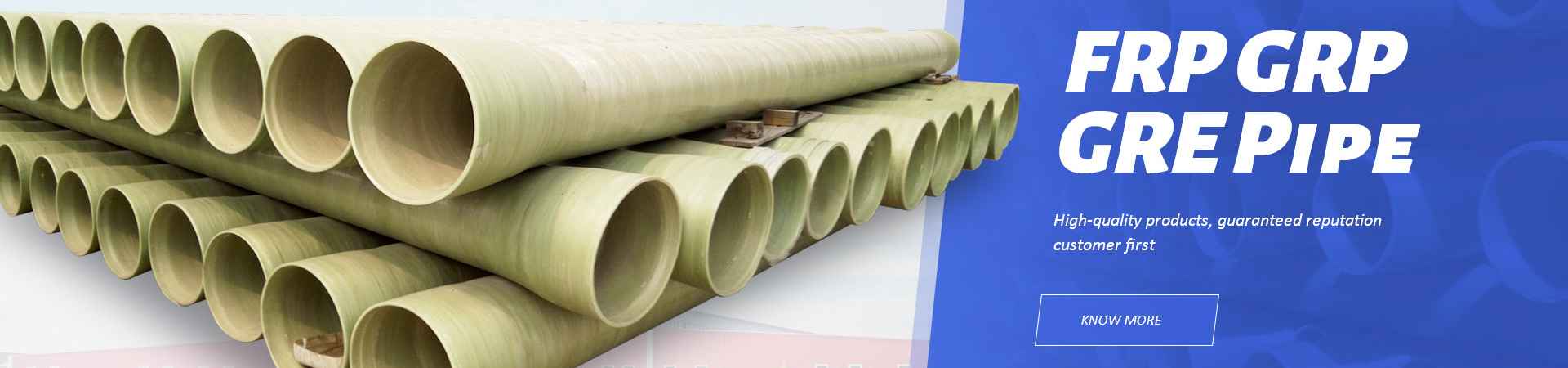

Small and medium manufacturers looking to expand into composite production often face a common challenge: finding affordable pultrusion machine price options without sacrificing quality or long‑term reliability.
Pultrusion technology is essential for producing continuous composite profiles such as rods, beams, channels, and grating components. While high‑end systems provide high automation and throughput, they can be expensive for smaller operations. Fortunately, there are cost‑effective machine options that balance affordability with performance, enabling emerging manufacturers to gain competitive footing in industries that use fiber reinforced plastic (FRP) products.
This article explores what impacts pultrusion machine pricing, how to find budget‑friendly options, and how small and medium enterprises (SMEs) can choose equipment that supports both immediate needs and future growth.
Before diving into pricing, it’s important to understand what a pultrusion machine does and why it plays a vital role in composite manufacturing.
Pultrusion is a continuous process by which reinforcing fibers, such as glass or carbon fiber, are pulled through resin and then through a heated die to cure into a solid composite profile. The result is a high‑strength, lightweight material with consistent cross‑section and minimal waste.
Pultrusion machines are widely used in:
Construction and infrastructure
Chemical processing
Transportation and automotive
Renewable energy
Electrical and communication systems
Because the process is continuous and automated, it offers higher consistency and efficiency compared to manual methods.
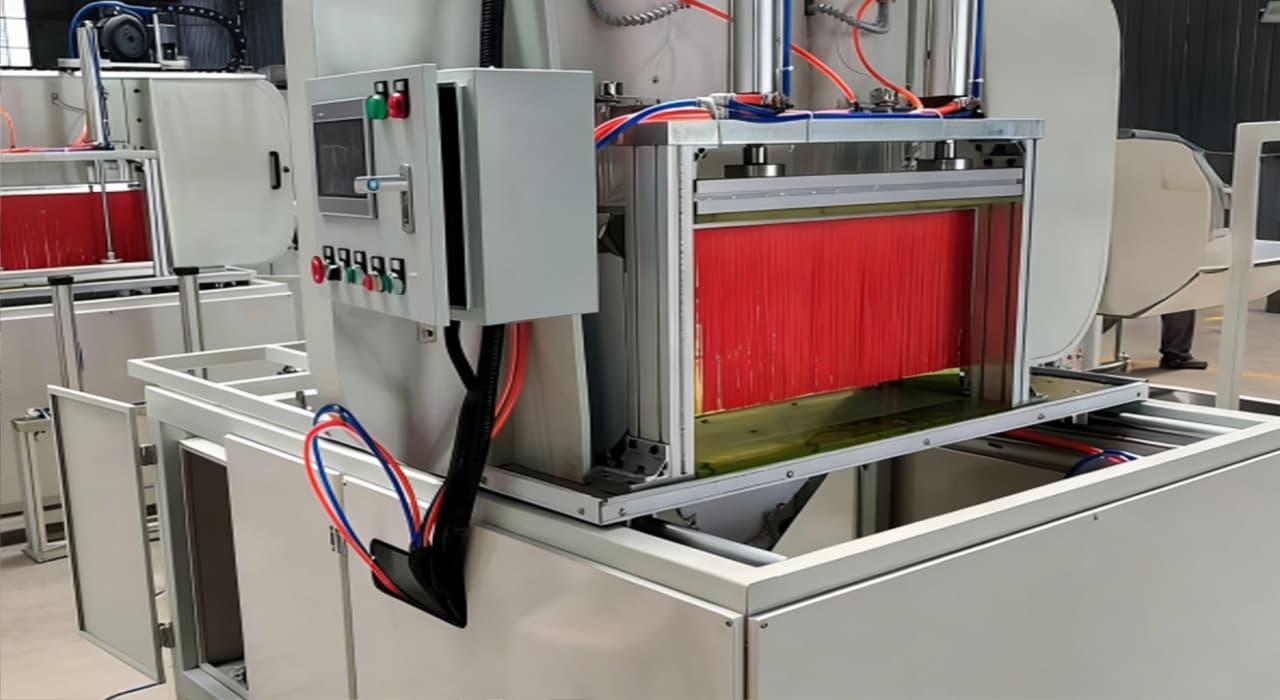
When exploring affordable pultrusion machine price options, it’s crucial to know what factors influence cost. Not all machines are priced equally, and understanding these elements helps buyers make informed decisions.
One of the most significant price drivers is production capacity. Machines designed for high throughput with larger profiles generally cost more. For small or medium manufacturers, selecting a machine with just enough capacity for your intended output can reduce cost without compromising productivity.
Basic machines with manual or semi‑automatic control systems tend to be more affordable. Fully automated systems with advanced PLC controls, digital monitoring, and feedback loops usually command higher prices due to increased complexity and component cost.
Since smaller manufacturers may not require fully automated lines initially, choosing a semi‑automated or modular system can significantly reduce investment while still improving productivity compared to manual methods.
Machines that support multiple material types—like various resin systems or reinforcement fibers—often cost more due to additional controls and flexibility. If your operation focuses on a specific material system, choosing a machine tailored to that setup can lower overall price.
Custom features add cost. This includes specialized dies for unique profiles, advanced heating systems, integrated cutting systems, and more. While customization improves production versatility, it increases upfront expenses.
Small and medium manufacturers may choose to delay extensive custom additions until their production needs grow.
A turnkey pultrusion solution—complete with resin systems, fiber feeding, pulling, die, and cutting equipment—provides a fully integrated line but costs more upfront.
Standalone pultrusion machines are more affordable and modular, allowing manufacturers to expand over time.
Although exact prices vary by supplier, specification, and region, the affordable end of the market typically includes:
Entry‑Level Machines: Budget‑friendly options designed for simple profiles and smaller outputs.
Mid‑Range Machines: Better automation and higher stability, suitable for SMEs planning gradual expansion.
Modular Systems: Machines that can grow with your business by adding components over time.
For many small and medium manufacturers, focusing on mid‑range or modular solutions provides a balanced approach—offering quality and scalability without overwhelming cost.
If the goal is to secure an affordable pultrusion machine price without sacrificing essential performance, consider the following strategies:
Before requesting quotes, clarify what you truly need:
Profile types and dimensions
Expected production volume
Materials and resin types
Automation level
A clear specification helps suppliers provide accurate pricing and prevents over‑specification, which raises cost unnecessarily.
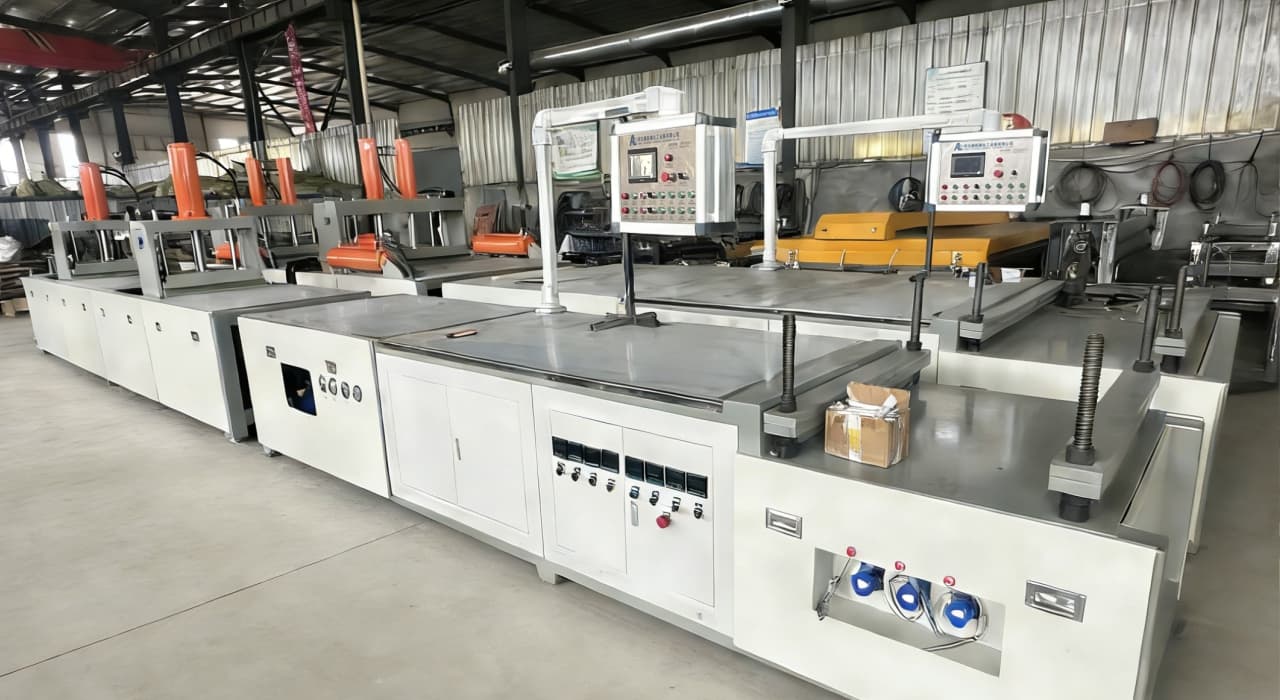
Fully automated systems are ideal for high‑volume production but may not make sense for smaller operations just starting out. Semi‑automated systems can significantly improve efficiency while keeping the pultrusion machine price more affordable.
Starting with a core pultrusion unit and adding components—such as additional heating zones or cutting systems—later allows you to spread investment over time without locking into an expensive whole‑line solution upfront.
Rather than simply chasing the lowest price, engage with suppliers to understand:
What’s included in the quotation
Warranty and support provisions
Installation and training services
Spare parts availability
Sometimes a slightly higher price with good support is more affordable in the long run.
Finding a trustworthy supplier is essential. Small and medium manufacturers must weigh both price and service quality. Here’s what to evaluate when selecting a partner:
Suppliers with a history of delivering pultrusion machines have insights into real production challenges. Their guidance helps you avoid costly mistakes.
Good suppliers take time to understand your product goals and recommend suitable solutions. They should ask questions about your material, capacity, and production environment.
Affordable machinery is valuable only if you can keep it running. Ensure the supplier offers:
Installation guidance
Operator training
Maintenance support
Spare parts availability
Especially for SMEs, reliable after‑sales service reduces downtime and keeps production consistent.
A supplier who can share real project examples demonstrates credibility. This helps you understand how their machines perform in real manufacturing environments.
To illustrate how pricing and features differ, here’s a conceptual comparison:
| Aspect | Entry‑Level Machine | Mid‑Range Machine |
|---|---|---|
| Price | Most affordable | Moderate cost |
| Automation | Basic | Semi‑automated |
| Production Speed | Lower | Higher |
| Flexibility | Limited | Improved |
| Support Options | Standard | Enhanced |
| Upgradeability | Limited | Good |
Entry‑level machines keep costs low but may restrict output. Mid‑range systems offer better balance, especially when you plan future growth.
Affordable pultrusion machine price is important, but sustainable ROI depends on:
Productivity improvements
Operational reliability
Maintenance cost
Material waste reduction
Product consistency
A machine that is slightly more expensive upfront but delivers stable and efficient production often results in better financial performance over time.
Affordable options vary but typically include entry‑level and mid‑range systems designed to balance capability with cost.
Not necessarily. Choosing the right specification for your actual needs prevents overpaying for features you don’t use.
Yes. Many suppliers offer modular solutions that allow you to expand control systems, heating zones, or automation later.
Automation improves consistency and reduces labor, but basic production can start with semi‑automated systems if cost is a priority.
Installation, training, and ongoing maintenance support are key aspects that ensure a pultrusion machine remains productive.
For small and medium manufacturers, finding an affordable pultrusion machine price involves balancing cost with performance, scalability, and supplier support. By defining your production needs, carefully evaluating specifications, and choosing a partner who understands your long‑term goals, you can secure equipment that supports growth without unnecessary expense.
Investing wisely in pultrusion technology provides not only immediate production capability, but also a foundation for continuous innovation and expanded market opportunities.