
If you’re planning to invest in pultrusion equipment, choosing the right supplier can be more important than choosing the machine itself. Many buyers initially focus on specifications or price, but in reality, the capabilities of pultrusion machine manufacturers often determine whether your production line runs smoothly or becomes a long-term problem.
From equipment stability to after-sales support, the differences between manufacturers can significantly impact your output, maintenance cost, and overall return on investment. That’s why experienced buyers spend more time evaluating suppliers than comparing catalogs.
At first glance, most pultrusion machines look similar. They all include fiber feeding systems, resin impregnation sections, heated dies, and pulling units. But once you start operating the line, the differences quickly become clear.
The real value of working with reliable pultrusion machine manufacturers lies in how well the system is engineered as a whole. A well-integrated production line maintains stable pulling speed, consistent curing temperature, and uniform resin distribution. These details directly affect product quality and production efficiency.
In contrast, poorly designed systems often lead to issues like uneven curing, profile deformation, or frequent downtime.
When evaluating different pultrusion machine manufacturers, experienced buyers don’t start with price—they start with understanding whether the supplier can support their specific production goals.
A good manufacturer will ask detailed questions about what you plan to produce. For example, producing structural beams is very different from making small FRP rods or grating components.
If a supplier immediately offers a standard solution without understanding your application, that’s usually a warning sign.
Reliable pultrusion machine manufacturers typically provide design input before production even begins. This may include suggestions on pulling force, die configuration, or resin compatibility.
This early-stage support often prevents costly adjustments later.
Many suppliers highlight maximum production speed, but experienced buyers care more about consistency. A slightly slower line that runs smoothly is far more valuable than a faster system that frequently stops.
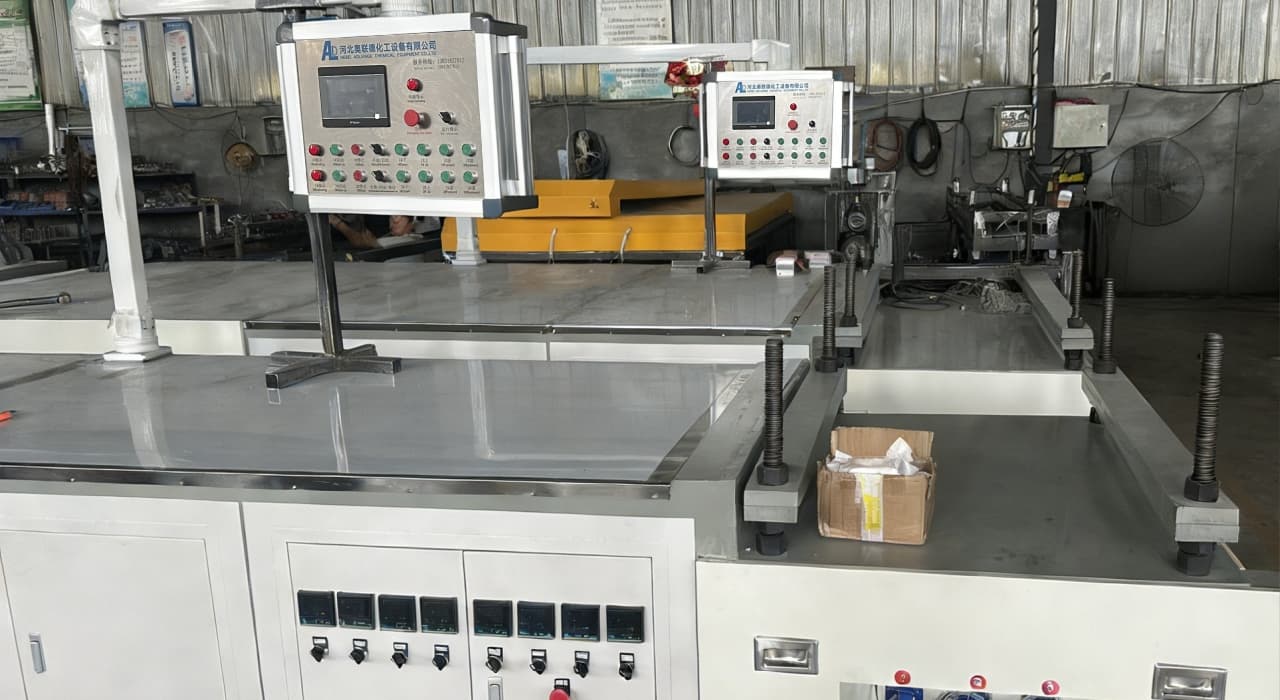
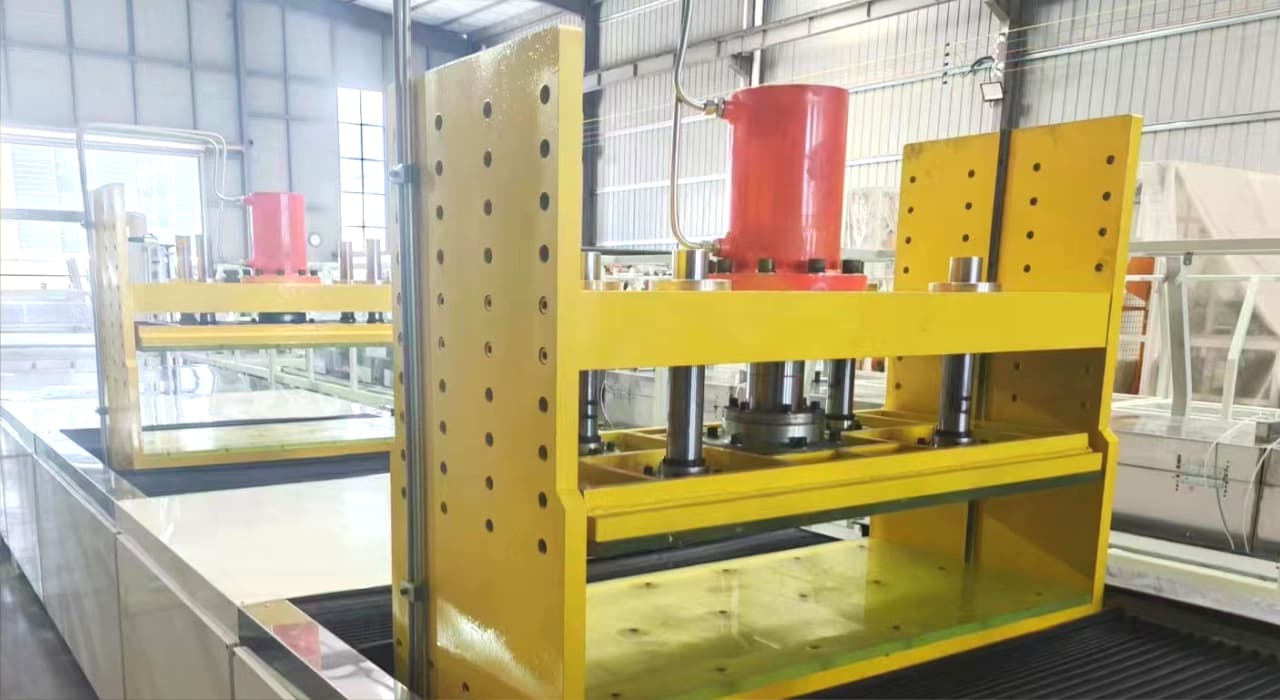
From the outside, machines may look nearly identical. But small design differences can have a major impact on long-term performance.
A stable pulling system ensures the entire process runs smoothly. If the pulling force fluctuates, it affects curing and final product quality. This is one area where experienced pultrusion machine manufacturers stand out—they design systems that maintain consistent tension over long production cycles.
The curing process depends heavily on temperature accuracy. Even small variations can lead to defects. High-quality manufacturers invest in better heating systems and control technology to ensure stable curing conditions.
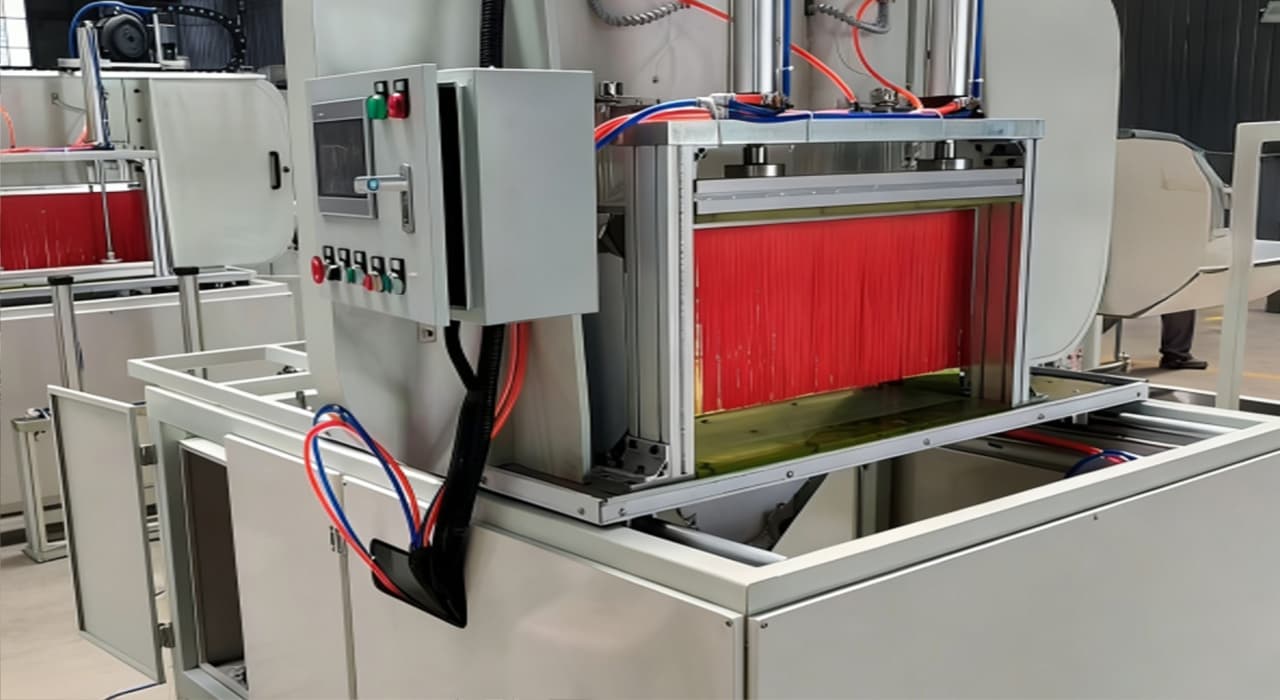
Efficient resin impregnation is often overlooked, but it plays a major role in both product quality and material cost. A well-designed system ensures proper saturation without excessive waste.
It’s normal to compare quotes when sourcing equipment, but understanding what’s behind the price is more important than the number itself.
When you compare different pultrusion machine manufacturers, price differences usually come from:
Component quality
Automation level
Engineering support
Manufacturing precision
Lower-cost machines often reduce expenses in areas that are not immediately visible, such as control systems or material quality. This can lead to higher maintenance costs later.
Many companies today consider sourcing from international pultrusion machine manufacturers, especially when looking for competitive pricing or broader customization options.
In these cases, communication becomes especially important. A good supplier will be able to clearly explain technical details, provide documentation, and support installation remotely if needed.
It’s also helpful to work with manufacturers who have experience exporting equipment, as they are more familiar with packaging, shipping, and commissioning requirements.
Even experienced buyers can make mistakes when selecting suppliers. Some of the most common ones include:
Choosing the lowest quote may seem like a good decision at first, but it often leads to higher costs in the long run due to repairs, inefficiency, or downtime.
A production line that meets your current needs might not be suitable as your business grows. This is why many buyers prefer working with pultrusion machine manufacturers who can design scalable systems.
No matter how good the machine is, issues can still arise. Suppliers who provide ongoing support make a significant difference in long-term operation.
If you want to choose the right supplier, the process doesn’t have to be complicated. It simply requires asking the right questions.
Can the manufacturer explain how the system fits your product?
Do they provide technical drawings or recommendations?
Are they willing to adjust the design based on your needs?
What kind of support do they offer after installation?
When you compare pultrusion machine manufacturers using these criteria, the differences become much clearer.
Instead of comparing specifications line by line, try evaluating suppliers based on how they communicate.
Manufacturers who understand your project tend to:
Ask detailed questions
Provide clear explanations
Offer realistic suggestions instead of overpromising
This kind of interaction usually reflects deeper experience and better long-term cooperation.
Focus on engineering capability, communication, and support rather than just price or specifications.
In many cases, yes. Standard machines may not fully match your production needs, especially for specialized profiles.
Automation improves consistency and reduces labor requirements, especially in large-scale production.
Some can be, but it’s important to verify their experience and technical capability before making a decision.
The biggest risk is choosing a supplier who cannot support your production long-term.
Choosing among different pultrusion machine manufacturers is not just a purchasing decision—it’s a strategic investment in your production capability.
The right partner will help you achieve stable production, consistent quality, and long-term efficiency. The wrong one can lead to ongoing problems that cost far more than the initial savings.
That’s why the smartest buyers don’t just compare machines—they choose manufacturers who understand their business.