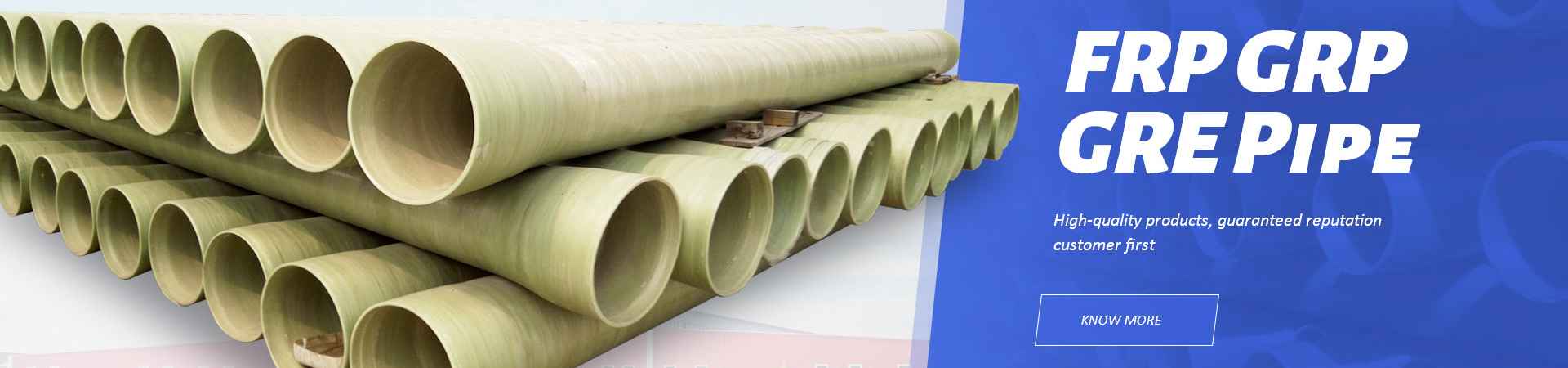

Selecting the right storage tank is one of the most critical decisions for industrial, municipal, or agricultural projects. Tanks are long-term investments, and making the wrong choice can lead to corrosion, leakage, or costly replacements.
Two popular options are FRP tanks (Fiberglass Reinforced Plastic) and conventional plastic tanks (like HDPE or polypropylene). While both are corrosion-resistant and lightweight, they differ significantly in strength, durability, customization, and suitability for industrial applications.
In this article, we will break down the main differences between FRP tank vs plastic tank, helping you make an informed decision for your project.
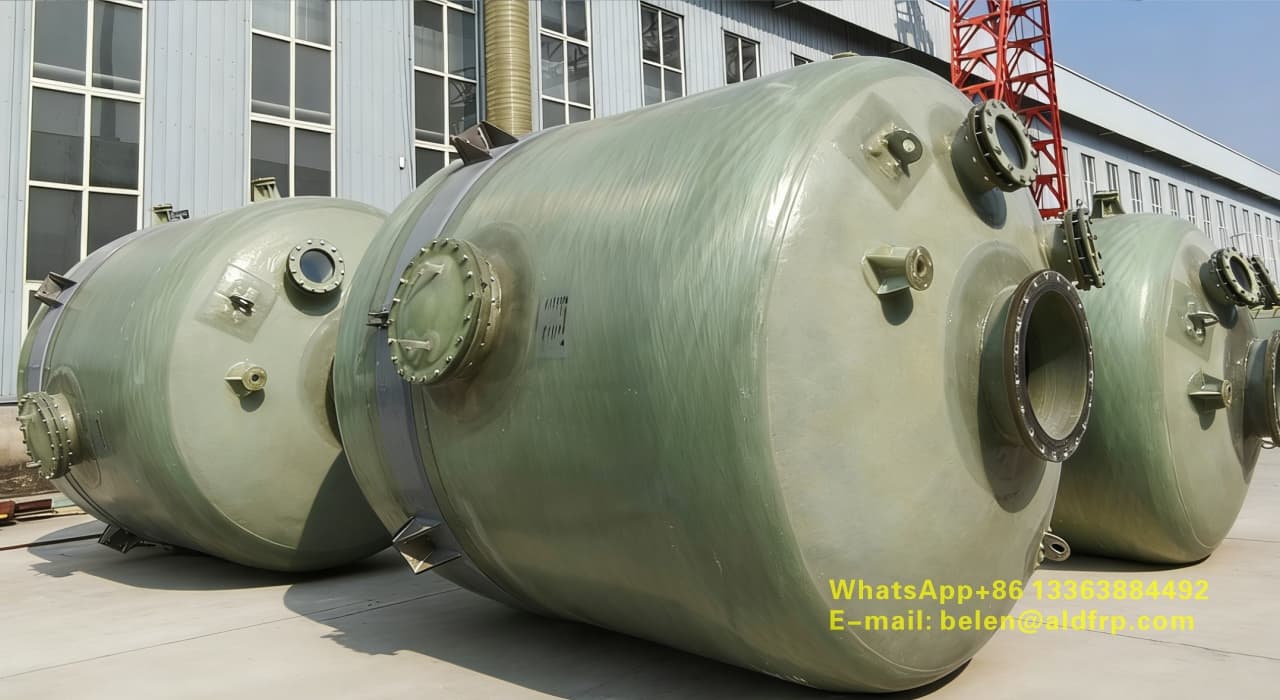
FRP tanks are reinforced with fiberglass fibers embedded in a resin matrix. This structure gives them excellent mechanical strength, enabling them to withstand high internal pressure and external forces. They are particularly suitable for:
Large industrial or municipal storage
Underground installation
High-pressure applications
FRP tanks maintain their shape and structural integrity for decades, even under demanding conditions.
Plastic tanks, often made from HDPE or polypropylene, are lightweight and corrosion-resistant. However, they are less rigid and can deform under heavy loads or when buried. For small to medium water storage, plastic tanks work well, but for large-scale or high-pressure applications, FRP tanks are more reliable.
FRP tanks are highly resistant to a wide range of chemicals, including acids, alkalis, and industrial solvents. By choosing the appropriate resin system (e.g., vinyl ester), they can safely store aggressive chemicals like hydrochloric acid or sulfuric acid.
Plastic tanks resist many chemicals but have limitations. Strong oxidizing agents, high-temperature liquids, or prolonged exposure to certain solvents can compromise their integrity. This makes them better suited for water, mild chemicals, or fertilizers.
A properly manufactured FRP tank can last 20–30 years or more. They require minimal maintenance and rarely need repainting or relining. Their longevity makes them a cost-effective solution for long-term storage projects.
Plastic tanks typically last 10–15 years under normal conditions. They may degrade faster under UV exposure, temperature fluctuations, or heavy chemical use. Maintenance is relatively easy but replacement is often required sooner than FRP.
FRP tanks are lightweight compared to steel but heavier than plastic. They often require lifting equipment for installation, especially for larger tanks. Underground FRP tanks are engineered with reinforced structures to handle soil pressure.
Plastic tanks are very lightweight and easy to transport. Small to medium tanks can often be moved and installed manually, making them convenient for temporary or mobile storage needs.
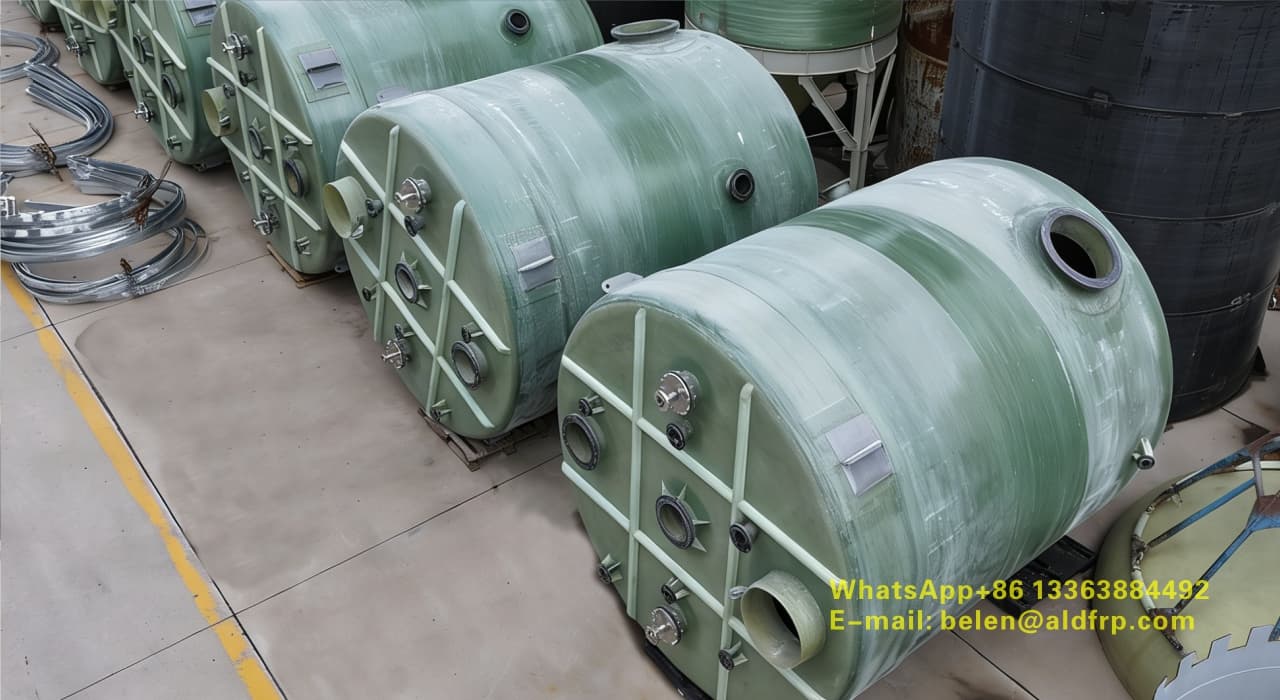
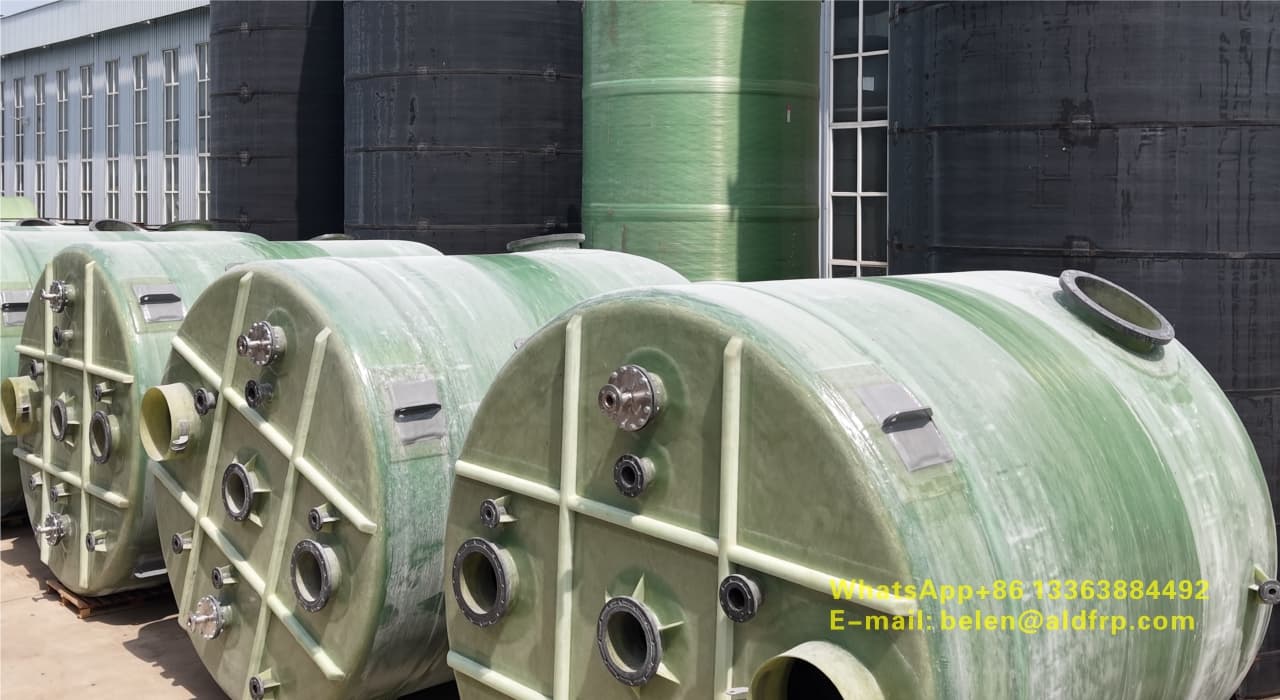
A major advantage of FRP tanks is customization. They can be designed to meet exact capacity, shape, wall thickness, nozzles, manholes, and installation requirements. This is crucial for industrial projects where standard sizes don’t fit.
Plastic tanks are usually manufactured in standard sizes. Custom shapes are possible but limited. Large-scale industrial customization is generally not feasible with conventional plastic tanks.
FRP tanks generally have a higher upfront cost than plastic tanks. However, due to their long lifespan, structural strength, and chemical resistance, FRP tanks are often more cost-effective over the long term.
Plastic tanks are cheaper initially and suitable for smaller projects, mild chemicals, or water storage where high strength isn’t necessary.
Underground water storage for municipal or industrial projects
Storage of aggressive chemicals in chemical plants
Wastewater treatment facilities
Industrial process storage under pressure
Plastic tanks are more suited for:
Rainwater harvesting
Small agricultural irrigation systems
Mild chemical storage in non-industrial applications
Temporary or mobile water storage
When evaluating FRP tank vs plastic tank, consider the following:
Liquid Type – Are you storing water, mild chemicals, or aggressive acids?
Size and Pressure – Large tanks or high-pressure requirements favor FRP.
Installation Environment – Underground installations or outdoor exposure benefit from FRP.
Budget vs Longevity – Plastic may cost less upfront; FRP provides longer-term savings.
Customization Needs – FRP offers more options for complex or large projects.
By assessing these factors, you can align your choice with project needs, safety, and long-term costs.
FRP tank vs plastic tank for industrial storage
corrosion-resistant FRP vs HDPE water tank
underground FRP water storage tank vs plastic tank
customized fiberglass tank vs plastic storage solution
long-lasting FRP chemical storage tank comparison
For underground use, FRP tanks are preferable due to structural reinforcement and resistance to soil pressure, while plastic tanks may deform over time if buried.
Plastic tanks handle mild chemicals well but may fail with strong acids, alkalis, or solvents. FRP tanks with the right resin are better for aggressive chemical storage.
FRP tanks typically last 20–30 years, whereas plastic tanks generally last 10–15 years depending on exposure conditions.
Yes, the initial cost is higher, but the longer lifespan, low maintenance, and ability to handle larger or high-pressure applications make FRP tanks more cost-effective in the long run.
Absolutely. FRP tanks can be fully customized in size, shape, wall thickness, and fittings. Plastic tanks have more limited customization options.