
Choosing the right storage tank for industrial applications is a critical decision that can affect safety, maintenance costs, and long-term operational efficiency. Two of the most commonly used tank materials are FRP (fiberglass reinforced plastic) and steel. Both have their advantages, but they are very different in terms of durability, corrosion resistance, weight, and overall lifecycle costs.
In this article, we’ll compare FRP tanks vs steel tanks to help you understand which option is better suited for your project.
An FRP tank is made from fiberglass reinforced plastic, a composite material that combines glass fibers with a resin matrix. This combination makes FRP tanks lightweight, strong, and highly resistant to corrosion.
FRP tanks are commonly used in industries such as:
Chemical storage
Wastewater treatment
Fertilizer production
Water storage
Food and beverage processing
A steel tank is made from carbon steel or stainless steel. Carbon steel tanks are widely used due to their strength and lower initial cost, while stainless steel tanks are used for applications requiring corrosion resistance and hygiene, such as food, beverages, and certain chemicals.
Steel tanks are heavy and often require protective coatings or linings to prevent corrosion over time.
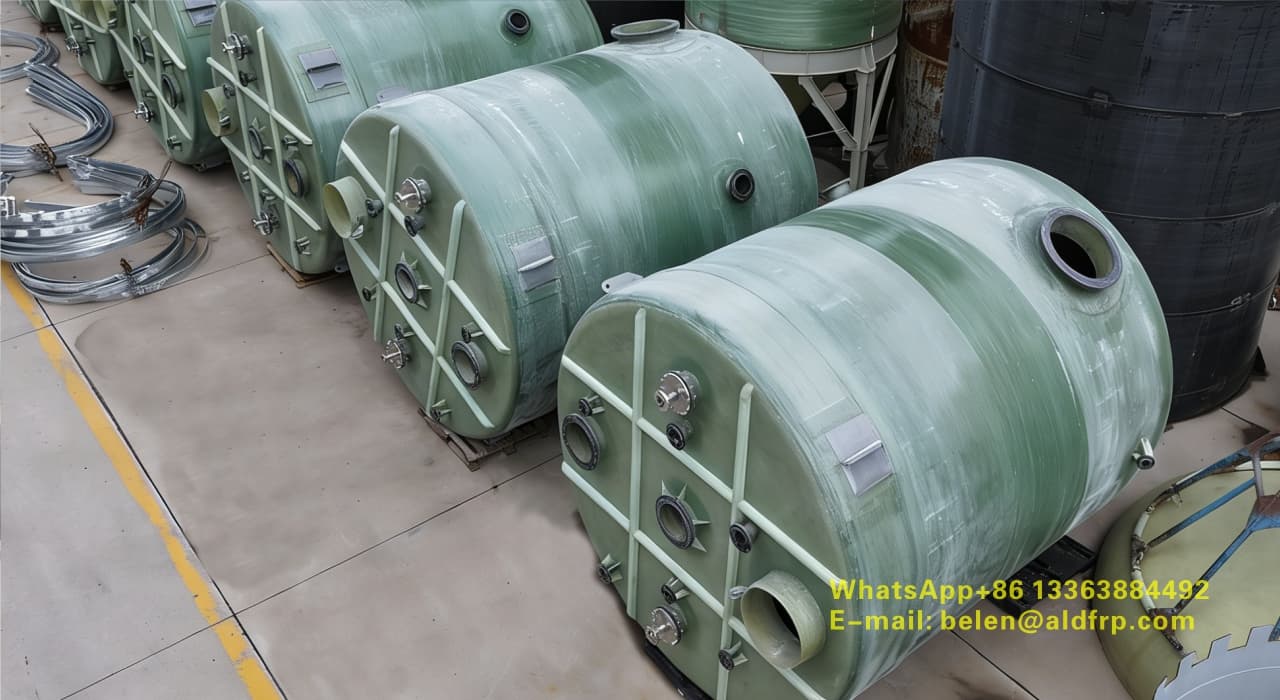
FRP Tanks: Naturally resistant to corrosion because the fiberglass and resin layers protect the structure from chemical attack. They can safely store acids, alkalis, and other aggressive substances.
Steel Tanks: Carbon steel tanks are prone to rust and corrosion unless properly coated or lined. Stainless steel tanks resist corrosion but are much more expensive.
Winner: FRP tanks for chemical resistance and long-term durability.
FRP Tanks: Lightweight, which makes transportation, handling, and installation easier. They often don’t require heavy lifting equipment.
Steel Tanks: Heavy, especially large carbon steel tanks. Installation requires cranes, reinforced foundations, and additional labor.
Winner: FRP tanks for ease of handling.
FRP Tanks: Minimal maintenance is needed due to corrosion resistance. Regular inspections are usually sufficient.
Steel Tanks: Require frequent maintenance, such as painting, lining, or inspection for rust and leaks. Carbon steel tanks may need repairs or recoating every few years.
Winner: FRP tanks for lower long-term maintenance costs.
FRP Tanks: Strong but lighter. They are resistant to internal pressure and environmental stress but may require reinforcement for extremely high-pressure applications.
Steel Tanks: Extremely strong and can handle high pressure and heavy loads without additional reinforcement.
Winner: Steel tanks for extremely high-pressure applications.
FRP Tanks: Can last 20–30 years or more with proper maintenance. Corrosion resistance ensures longevity even in aggressive chemical environments.
Steel Tanks: Service life depends heavily on corrosion protection. Carbon steel tanks may last 10–15 years without maintenance, while stainless steel tanks can last longer.
Winner: FRP tanks in corrosive environments; stainless steel is durable but expensive.
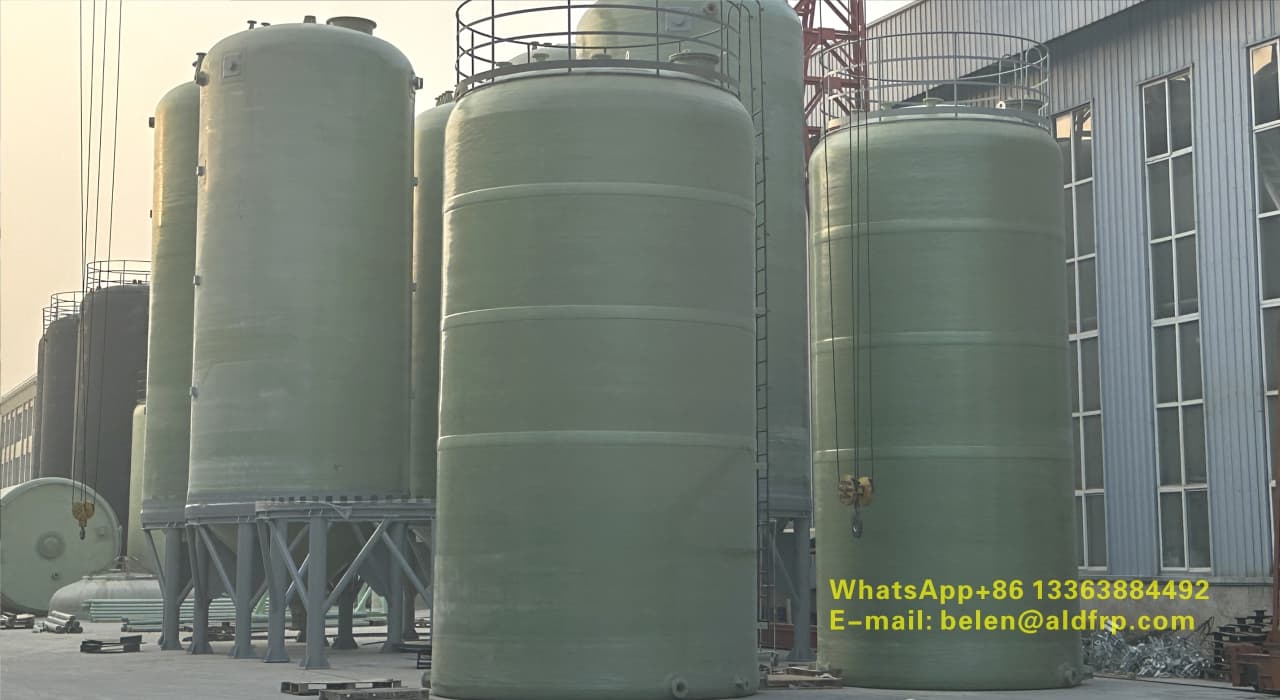
FRP Tanks: Higher initial cost than carbon steel but lower lifecycle costs due to reduced maintenance, installation ease, and corrosion resistance.
Steel Tanks: Carbon steel tanks are cheaper upfront, but maintenance, recoating, and corrosion-related repairs can increase total cost over time. Stainless steel tanks are more expensive upfront.
Winner: FRP tanks for overall lifecycle cost efficiency.
FRP Tanks: Highly customizable. Manufacturers can produce tanks in various shapes, sizes, wall thicknesses, and chemical-resistant resin systems to meet specific project needs.
Steel Tanks: Customization is possible but limited. Fabrication can be more complex and expensive for irregular sizes or shapes.
Winner: FRP tanks for flexibility and customization.
FRP tanks are ideal for:
Chemical storage requiring high corrosion resistance
Wastewater treatment applications
Facilities where weight and ease of installation are important
Long-term storage solutions with minimal maintenance
Custom-shaped tanks for unique facility layouts
Steel tanks are better suited for:
High-pressure storage applications
Environments where extreme mechanical strength is required
Applications where temperature extremes may affect composite materials
Food or beverage storage (stainless steel) for hygiene compliance
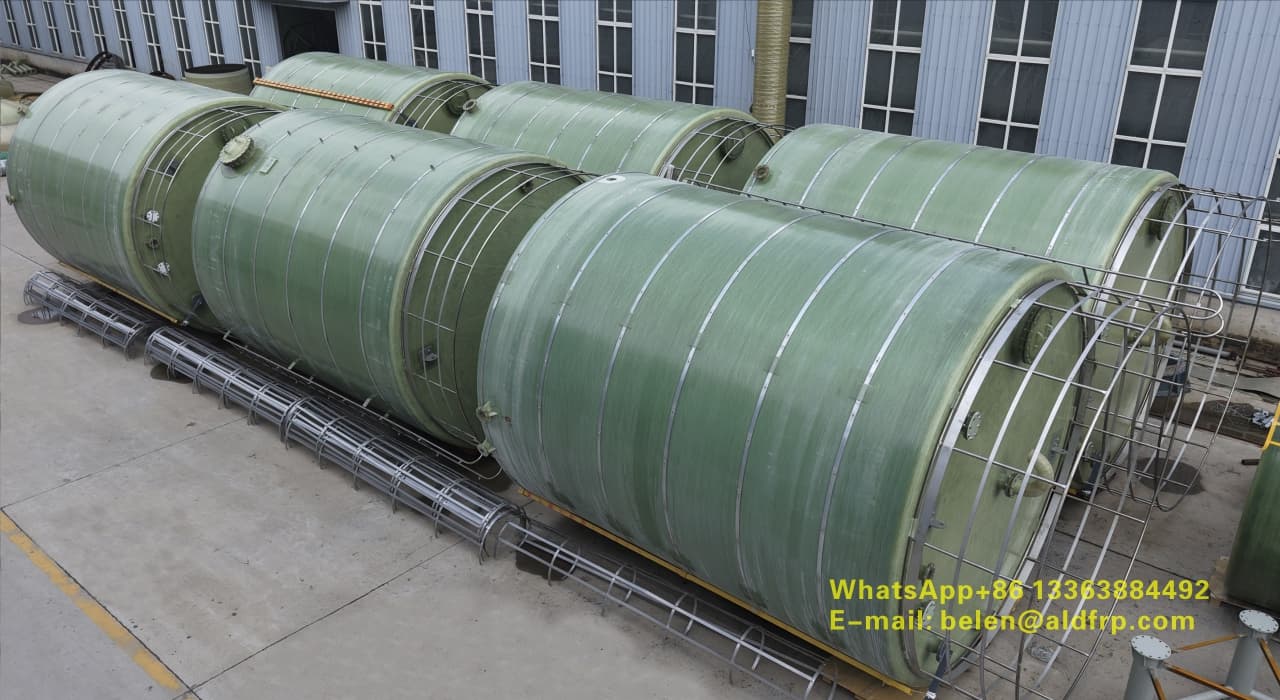
Both FRP tanks and steel tanks have their strengths, but their suitability depends on your specific industrial needs.
FRP tanks: Corrosion-resistant, lightweight, low maintenance, long service life, and highly customizable. Perfect for chemical, wastewater, and agricultural applications.
Steel tanks: Extremely strong, suitable for high-pressure applications, but heavier, prone to corrosion (unless stainless steel), and requires more maintenance.
In most corrosive or chemical-heavy environments, FRP tanks offer better overall performance and cost-effectiveness. However, steel tanks may still be the choice for projects requiring extreme strength or high-temperature applications.
For companies looking for long-lasting, low-maintenance storage solutions, partnering with a reliable FRP tank manufacturer ensures that you get tanks tailored to your specific operational requirements.