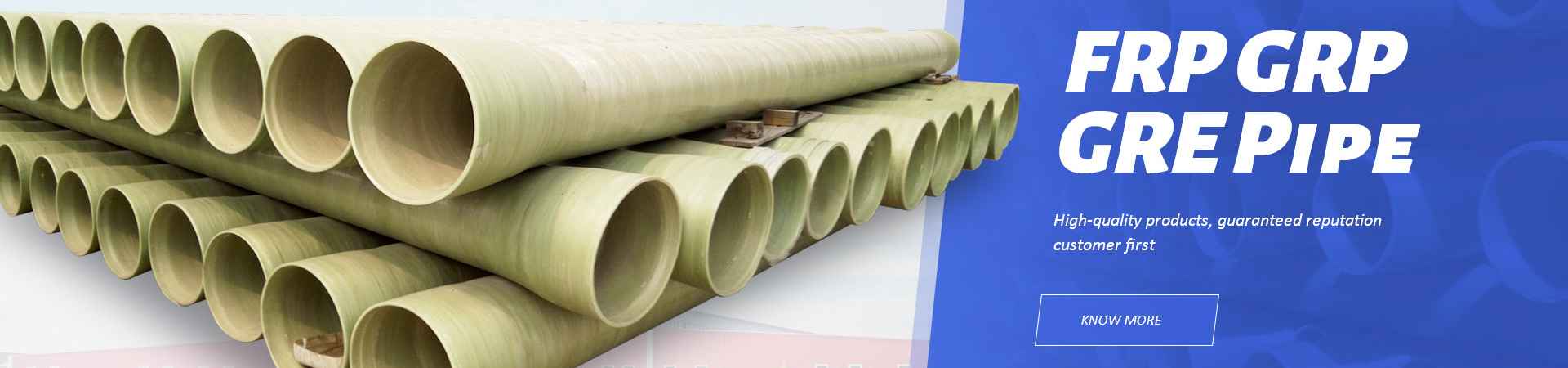

When planning a water storage system, especially underground, most buyers quickly realize that material choice is everything. Once the tank is buried, repairs become difficult, costly, and sometimes nearly impossible. That’s exactly why more engineers and project owners are choosing FRP underground water storage tanks over traditional materials like steel or concrete.
These tanks are designed not just to store water, but to perform reliably for decades under soil pressure, moisture, and changing environmental conditions. If you’re sourcing tanks for a municipal project, agricultural system, or industrial facility, understanding how FRP performs underground will help you make a smarter long-term decision.
Underground environments are unpredictable. Soil composition, groundwater, and humidity can all accelerate corrosion in traditional tanks.
FRP underground water storage tanks are inherently resistant to these conditions. Unlike steel, they don’t rust. Unlike concrete, they don’t crack due to chemical exposure or moisture penetration. This makes them especially suitable for long-term buried applications.
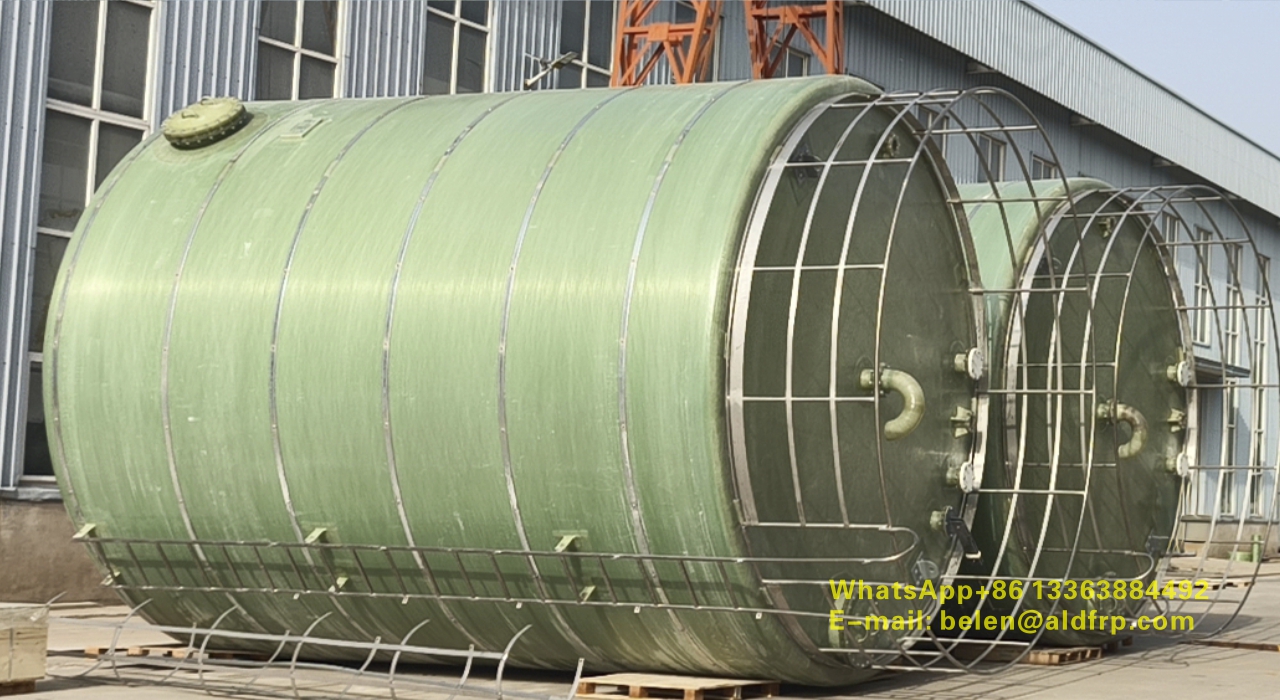
One common concern with underground tanks is whether they can handle external pressure. Soil load, traffic load, and groundwater pressure all play a role.
A properly engineered FRP underground water storage tanks system is designed with reinforced layers and calculated wall thickness. This ensures the tank can withstand external forces without deformation or failure.
Once installed underground, the goal is simple—leave it there and let it work.
That’s exactly what FRP underground water storage tanks are built for. With a lifespan that often exceeds 20–30 years, they eliminate the need for frequent maintenance or replacement, which is a major advantage for buried systems.
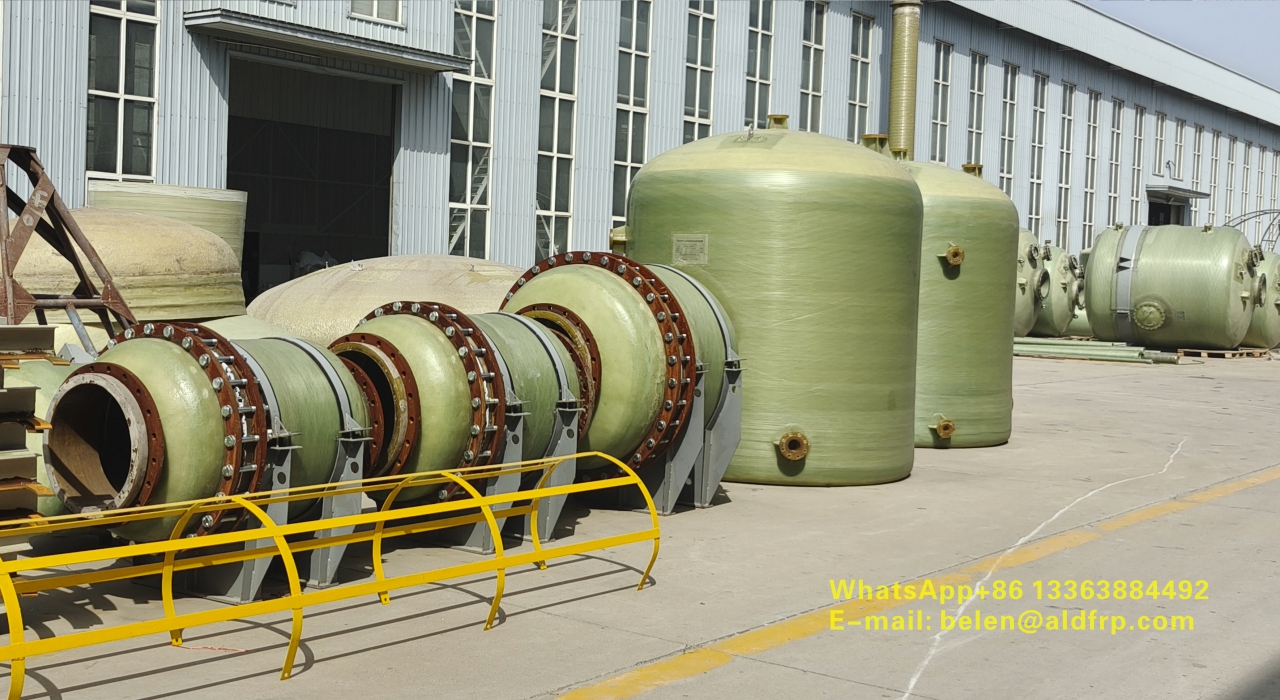
High-quality FRP underground water storage tanks are typically produced using filament winding. This process allows fiberglass to be placed at precise angles, creating a structure that distributes stress evenly.
The result is a tank that performs reliably under both internal water pressure and external soil loads.
Not all water storage conditions are the same. Some projects involve clean water, while others deal with recycled or treated water.
A professional manufacturer will adjust resin systems and structural layers based on your specific use case, ensuring that FRP underground water storage tanks meet both performance and safety requirements.
Since underground tanks are not easy to inspect after installation, quality must be ensured before delivery.
Reliable production includes:
Leak testing
Structural integrity checks
Thickness verification
These steps guarantee that each tank can perform as expected once installed.
Cities and infrastructure projects often use underground tanks to save space and protect water from contamination. FRP tanks offer durability and long-term safety in these applications.
In farming environments, underground storage helps regulate water supply while protecting it from evaporation. FRP underground water storage tanks provide a dependable solution for irrigation systems.
Factories and processing plants require stable water storage for operations. FRP tanks ensure consistent performance even in challenging environments.
Sustainable projects increasingly rely on underground storage for rainwater harvesting. FRP tanks support these systems with low maintenance and long service life.
Before choosing a tank, evaluate soil type, groundwater level, and installation depth. These factors influence the design of FRP underground water storage tanks.
Capacity planning is critical. Consider both current needs and future expansion when selecting tank size.
A strong supplier doesn’t just provide tanks—they help design solutions. Look for manufacturers who offer calculations, drawings, and technical guidance.
Underground projects require proper handling and installation. Make sure your supplier provides guidance to avoid damage during placement.
FRP underground water storage tanks for municipal use
corrosion-resistant underground fiberglass water tank
custom FRP underground tank for irrigation system
industrial FRP underground water storage solution
large capacity underground FRP water storage tanks
Choosing FRP underground water storage tanks is not just about selecting a product—it’s about ensuring long-term reliability in an environment where maintenance is difficult and costly.
With strong corrosion resistance, engineered structural strength, and minimal maintenance requirements, FRP tanks offer a practical and durable solution for underground water storage across industries.
By working with an experienced manufacturer and focusing on proper design, you can ensure your system performs safely and efficiently for decades.
Most FRP underground water storage tanks are designed to last over 20 years, and in many cases even longer, depending on installation quality and environmental conditions.
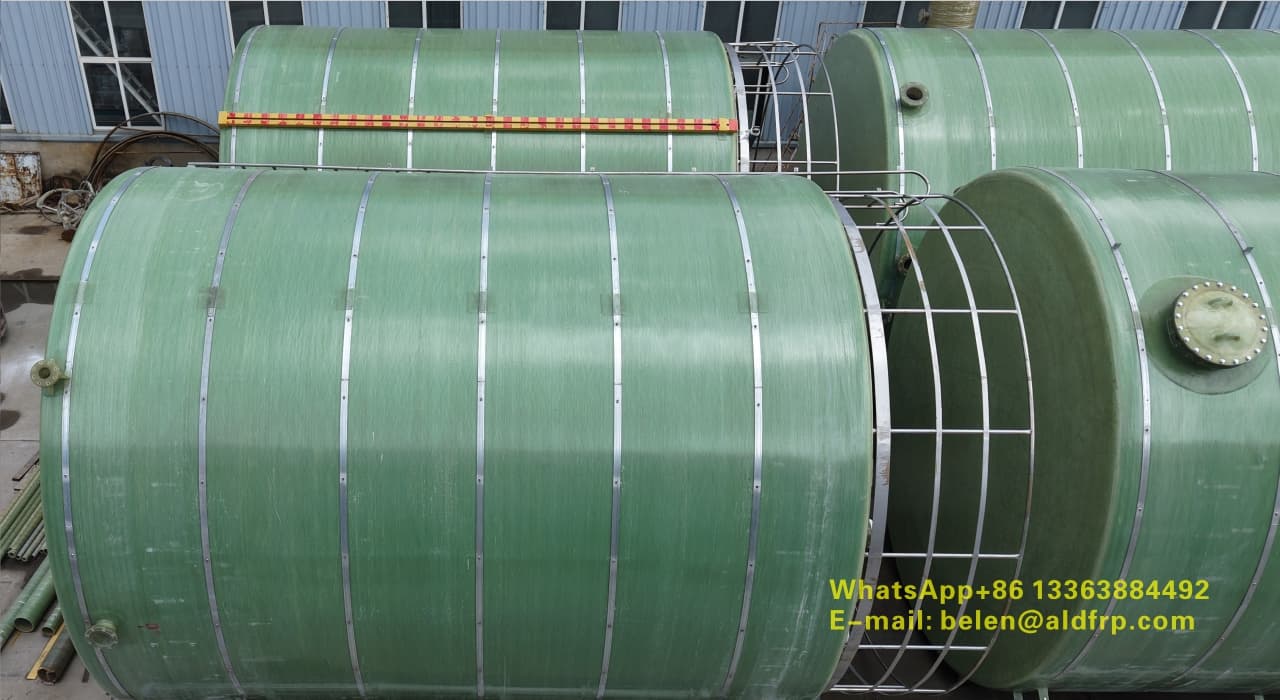
Yes, when manufactured with appropriate materials and liners, FRP underground water storage tanks can be used for potable water storage. Always confirm material certification with your supplier.
Yes, properly engineered FRP underground water storage tanks are designed to withstand soil load, groundwater pressure, and even traffic loads when installed correctly.
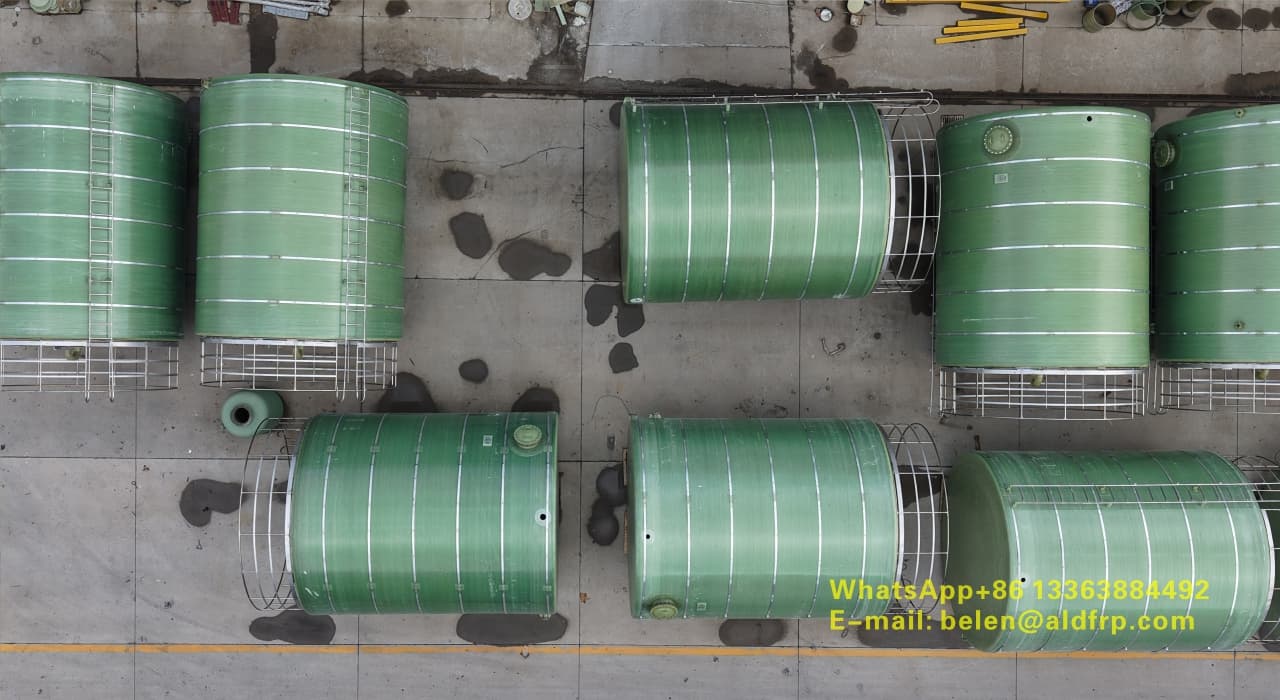
Installation is relatively straightforward compared to concrete tanks, but it must follow proper guidelines. Most suppliers provide detailed instructions for installing FRP underground water storage tanks safely.
Absolutely. A professional manufacturer can customize FRP underground water storage tanks based on capacity, dimensions, and project requirements.