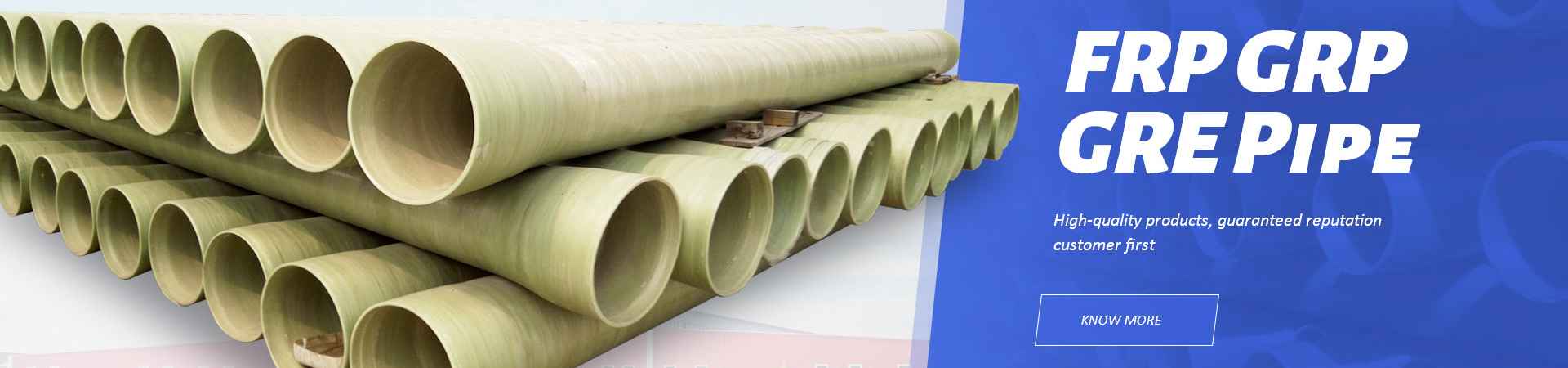

When it comes to industrial liquid storage, the choice of material can make or break a project. Two widely used options are fiberglass tanks (FRP) and stainless steel tanks. Both have their advantages, but their performance differs significantly depending on the application.
Whether you are storing water, chemicals, or wastewater, understanding the differences between fiberglass tank vs stainless steel tank is crucial for safety, longevity, and cost efficiency.Durability and Structural Strength
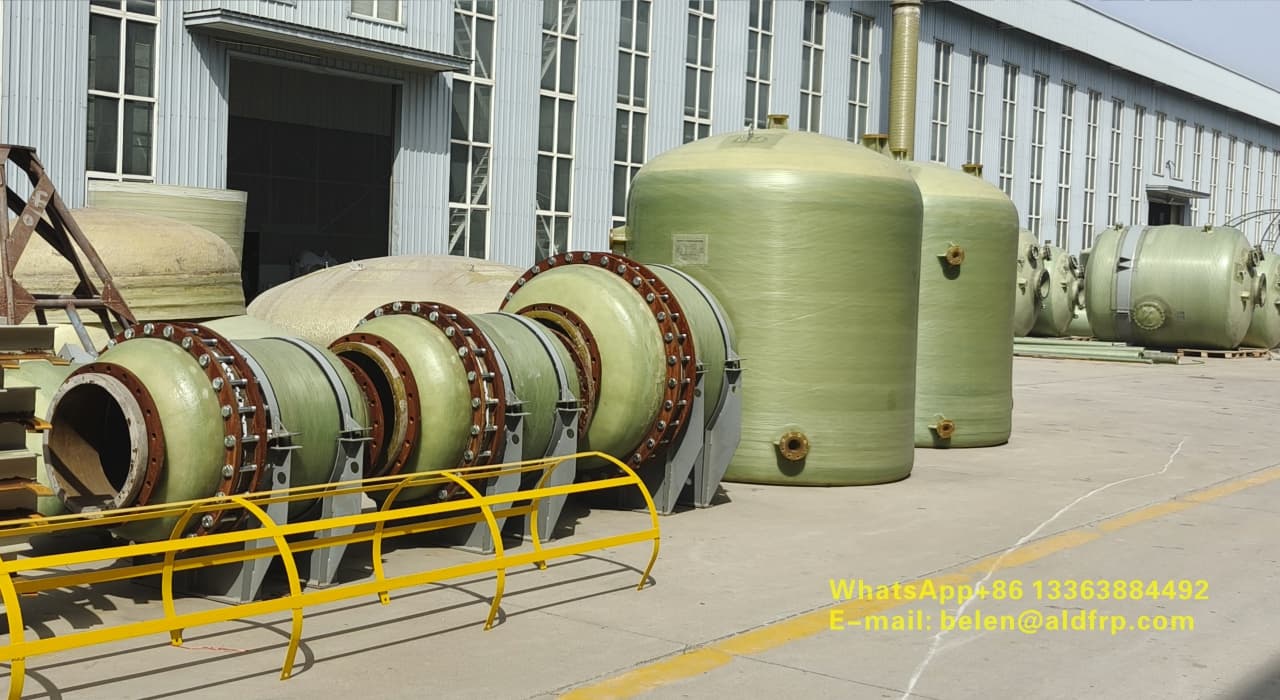
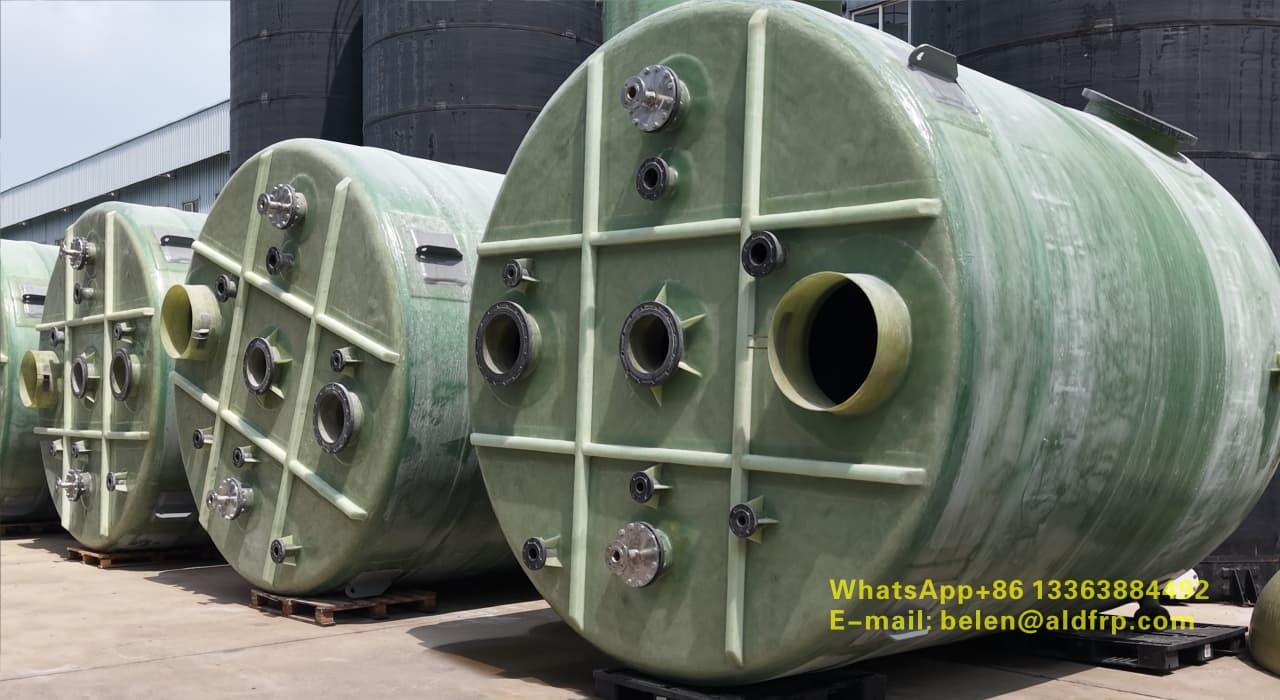
Fiberglass tanks, or FRP tanks, are reinforced with fiberglass fibers and resin. This gives them excellent structural integrity while remaining lightweight. They resist cracking, denting, and corrosion, making them ideal for underground storage, large-scale municipal projects, and industrial applications.
Stainless steel tanks are known for their mechanical strength and toughness. They can withstand high pressures and mechanical impact, making them suitable for process industries where physical stress is a factor. However, they are heavier than fiberglass tanks and require more effort and cost for installation.
One of the main advantages of fiberglass tanks is corrosion resistance. With the right resin system (such as vinyl ester or epoxy), fiberglass tanks can store highly corrosive chemicals like acids, alkalis, and industrial solvents without deterioration.
Stainless steel resists corrosion under many conditions but may react with highly acidic or alkaline substances over time. For example, hydrochloric acid or certain industrial chemicals can cause pitting corrosion unless the steel grade is carefully selected (e.g., 316L). This often increases cost for chemical applications.
Fiberglass tanks require minimal maintenance. They do not need periodic coatings or lining, and their lifespan typically ranges from 20–30 years, sometimes longer, depending on use and environment.
Stainless steel tanks are durable but may need surface inspection and occasional passivation or polishing to prevent corrosion in certain chemical applications. Proper maintenance is crucial to achieve the expected 20–30+ year lifespan.
Fiberglass tanks generally cost less upfront than stainless steel tanks of the same capacity. Considering the low maintenance and corrosion resistance, they are cost-effective for long-term projects, particularly in chemical storage or underground installations.
Stainless steel tanks involve higher material and fabrication costs, especially for corrosion-resistant grades like 316L. They are often preferred for food-grade, pharmaceutical, or high-pressure applications where mechanical strength is critical.
Fiberglass tanks are lightweight, making them easier to transport and install. Large tanks can be moved without heavy lifting equipment, and underground fiberglass tanks are engineered to handle soil pressure.
Stainless steel tanks are significantly heavier, requiring cranes or specialized lifting equipment for installation. This adds to logistics cost, especially for large-scale storage projects.
Fiberglass tanks excel in customization. Manufacturers can adjust tank dimensions, wall thickness, fittings, and nozzles to meet exact project requirements. This flexibility makes fiberglass tank vs stainless steel tank an important consideration for non-standard or large-scale installations.
Customization is possible but more limited and expensive. Complex shapes or additional reinforcements increase cost and fabrication time.
Underground water storage
Chemical storage with aggressive liquids
Wastewater treatment facilities
Rainwater harvesting systems
Food and beverage storage
Pharmaceutical liquids and process storage
High-pressure industrial applications
Storage of mild chemicals or potable water requiring hygienic conditions
Chemical Compatibility – Aggressive chemicals often favor fiberglass with the right resin.
Mechanical Strength Requirements – High-pressure or impact-sensitive applications may require stainless steel.
Installation Environment – Underground or lightweight needs favor fiberglass.
Budget and Long-Term Costs – Fiberglass may offer better cost efficiency; stainless steel requires higher upfront investment.
Customization Needs – Non-standard designs are easier and cheaper with fiberglass.
By evaluating these factors, project owners can align their choice with operational safety, efficiency, and total cost of ownership.
fiberglass tank vs stainless steel tank for chemical storage
corrosion-resistant fiberglass vs stainless steel water tank
industrial FRP tank vs stainless steel tank comparison
custom fiberglass storage tank vs stainless steel solution
long-lasting fiberglass tank vs stainless steel storage option
Fiberglass tanks are generally better for aggressive chemicals because of corrosion resistance. Stainless steel may require expensive grades for highly acidic or alkaline liquids.
They can, but weight and soil pressure need careful engineering. Fiberglass tanks are often preferred for underground storage due to lighter weight and corrosion resistance.
Both can last 20–30 years or longer with proper maintenance, but fiberglass requires less upkeep in corrosive environments.
Yes, fiberglass tanks usually have a lower upfront cost and minimal maintenance, offering better long-term cost efficiency for chemical or underground applications.
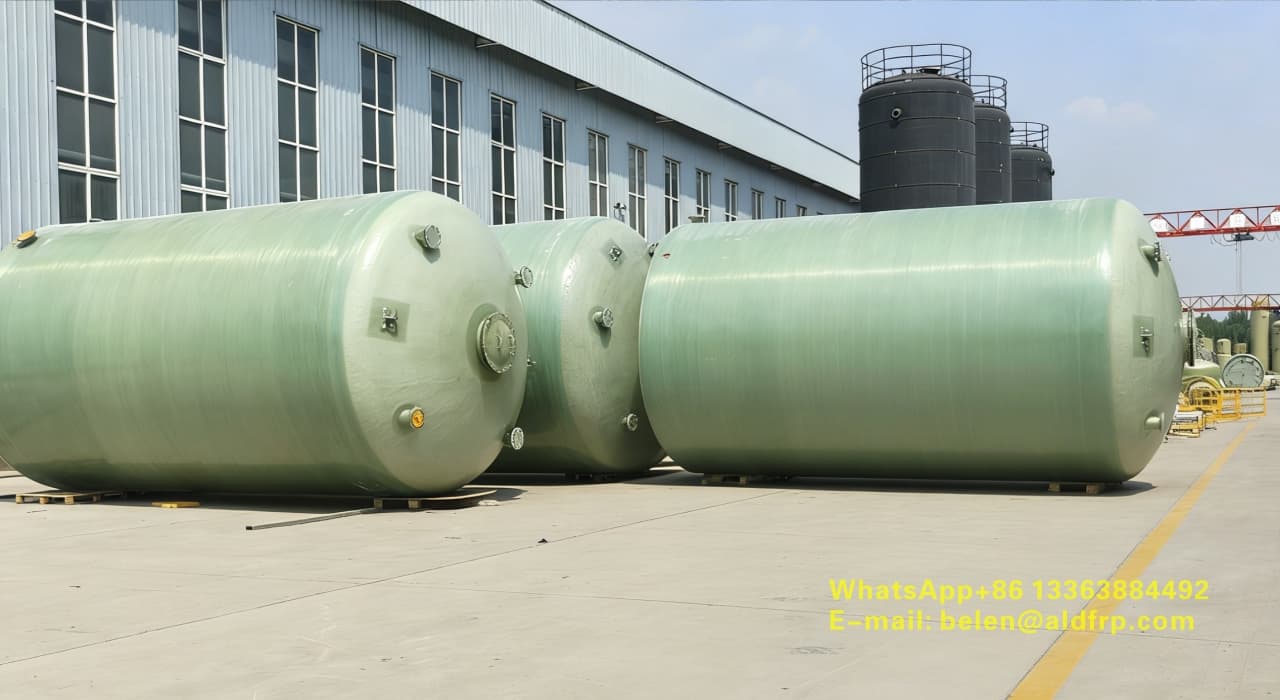
Fiberglass tanks offer more flexible customization in shape, size, and fittings, while stainless steel customization is limited and more expensive.