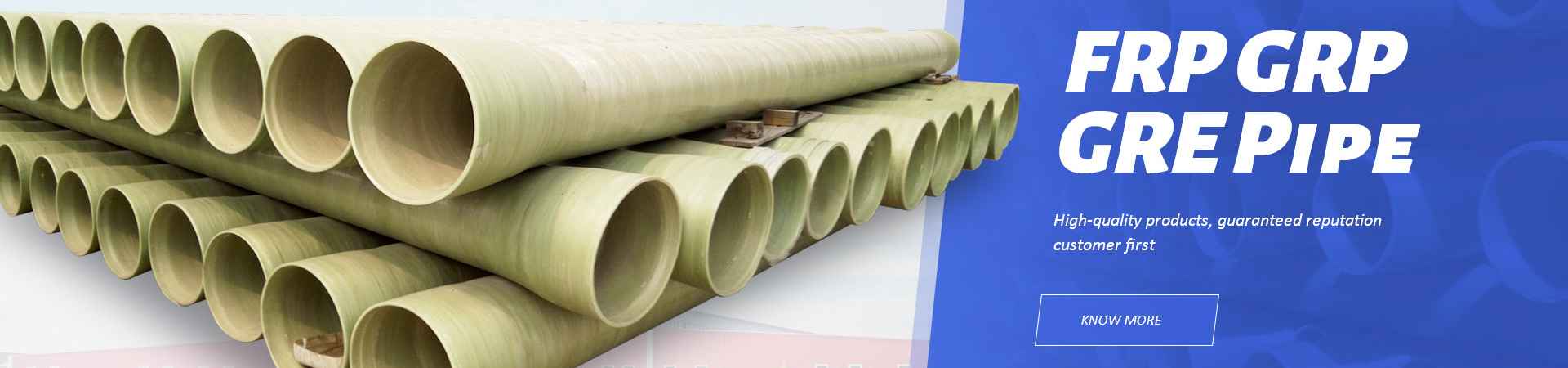

Benefits of FRP Tanks
In the demanding realm of industrial operations, choosing the right storage solution is a critical decision. The stability and efficiency of your processes often rely on the reliability of your containment systems. When evaluating the Benefits of FRP Tanks, it becomes evident why engineers and plant managers worldwide increasingly prefer this material. At Hengshui Jiubo, we specialize in supplying high-quality FRP Tanks globally, ensuring that corrosive and hazardous substances are stored safely and effectively. Unlike conventional materials prone to rust or chemical deterioration, Fiberglass Reinforced Plastic provides a robust, modern alternative.
Understanding the Limitations of Traditional Materials
For many years, facilities depended on materials such as carbon steel, stainless steel, or rubber-lined steel for their Chemical Storage Tanks. Yet, these options carry significant limitations. Steel is heavy, cumbersome to install, and highly vulnerable to corrosion. Even stainless steel can degrade over time when exposed to chlorides or strong acids. The costs associated with repairing or replacing corroded metal tanks can be substantial, prompting a shift toward engineered composite solutions designed for longevity.
The Corrosion Resistance Factor
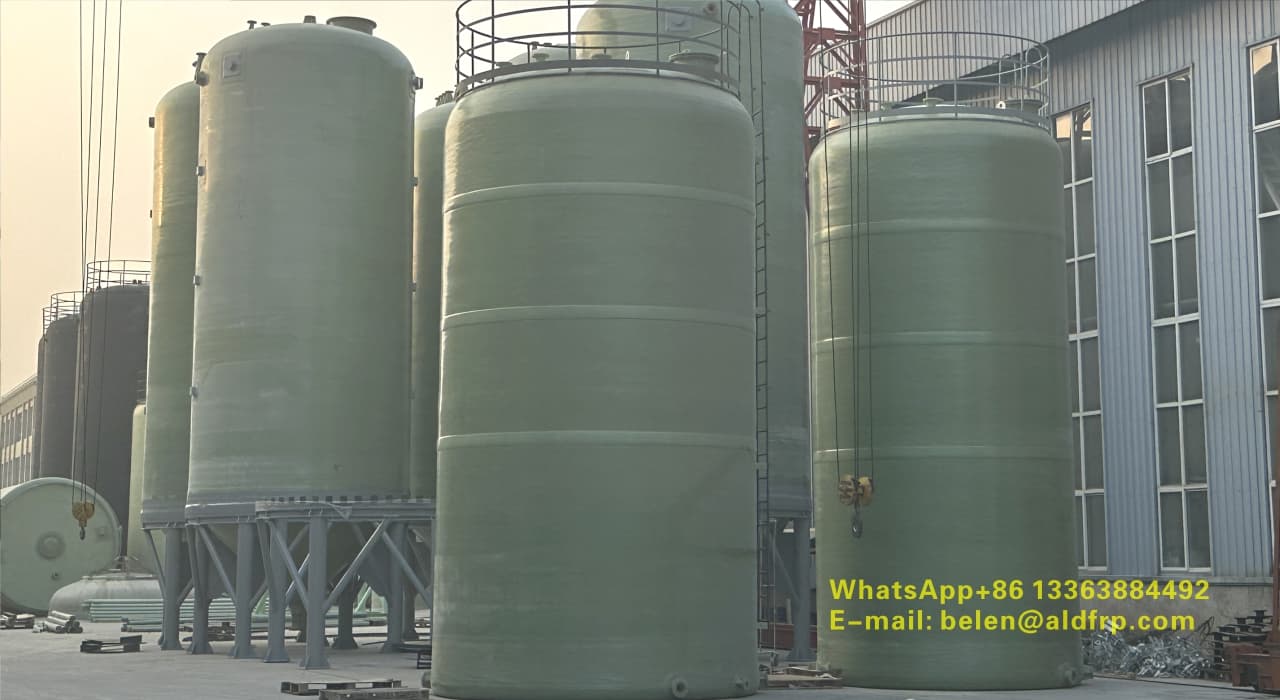 The primary advantage of FRP lies in its exceptional corrosion resistance. Engineered specifically to endure a variety of aggressive chemicals, FRP acts as a protective barrier whether storing sulfuric acid, sodium hydroxide, or strong solvents. Unlike metal tanks, it does not rust, pit, or scale, maintaining the purity of stored chemicals. For this reason, leading Acid Storage Tanks Manufacturers now recommend FRP for highly corrosive environments.
Exploring the Key Benefits of FRP Tanks
To understand why FRP dominates the market, we need to examine the advantages that impact both initial investment and long-term operational safety.
Exceptional Strength-to-Weight Ratio
FRP combines remarkable strength with lightness. A comparable steel tank is significantly heavier, complicating transportation and installation. The reduced weight often eliminates the need for heavy lifting equipment on-site, lowering logistics costs and installation time. Despite its lightness, FRP maintains excellent structural integrity, efficiently handling high pressures and loads.
Design Flexibility for Specific Needs
Metal tanks are often limited to standard configurations. FRP, however, allows extensive design flexibility. Tanks can be custom-sized to fit tight spaces, with nozzles, baffles, and supports integrated precisely where required. This tailored approach ensures a perfect fit for your processes, reducing the need for costly modifications later. As a leading Chemical Storage Tank Manufacturer, we leverage this flexibility to meet unique client demands.
Long-Term Cost-Effectiveness
While the initial price of FRP may be similar to stainless steel, its total cost of ownership is where it truly excels. Minimal maintenance needs translate to significant savings, avoiding recurring expenses like repainting, lining repair, or anode replacement. A well-constructed FRP tank often outlasts metal alternatives, making it the most cost-effective option for long-term infrastructure.
Thermal Insulation Properties
Many chemical processes require temperature control. FRP naturally offers better thermal insulation than steel, helping reduce heat loss and minimizing the energy required for heating or cooling contents. This property also prevents condensation on exterior surfaces, which can be a safety concern.
Why FRP Excels for Specific Chemical Containment
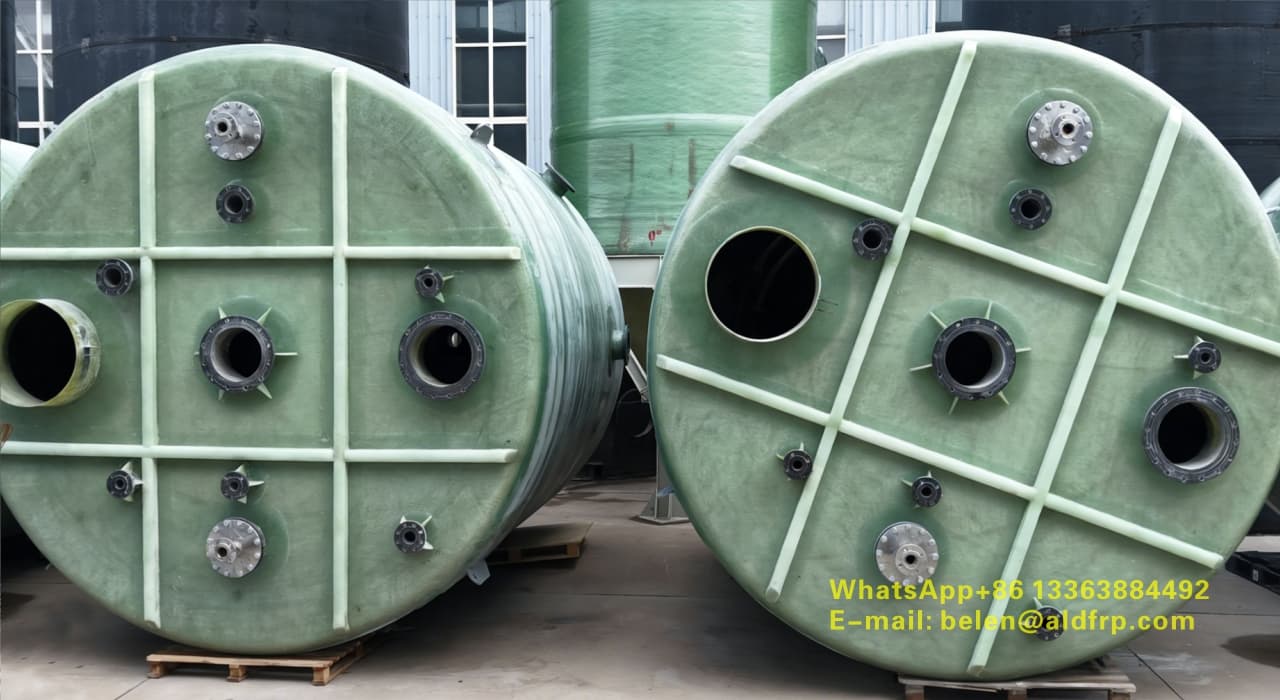 Different chemicals present unique challenges. FRP’s adaptability allows it to resist particular threats effectively, a property particularly important for HCL Storage Tanks.
Storing Hydrochloric Acid Safely
Hydrochloric acid is highly aggressive, attacking most metals immediately. Even premium alloys struggle with its corrosive vapors. Properly constructed FRP tanks handle HCL safely, with a resin-rich inner layer preventing chemical penetration into structural fibers. This ensures the tank maintains strength over many years, making FRP the preferred choice for HCL Storage Tanks in chemical plants.
Handling Oxidizing Acids
Storing oxidizing agents like nitric or chromic acid demands specialized materials. Standard polyester resins may not suffice, but advanced FRP formulations using vinyl ester or other resins provide the necessary resistance. This flexibility demonstrates that FRP is a customizable material, which is why Acid Storage Tanks Manufacturers carefully select resins during the design process.
The Manufacturing Precision of FRP Tanks
The performance of an FRP tank relies heavily on its manufacturing quality. Poor construction will lead to failure regardless of the material’s potential. Partnering with experienced Chemical Storage Tank Manufacturers ensures reliable, high-performing tanks.
The Filament Winding Process
High-quality FRP tanks are commonly made using filament winding. Continuous glass fibers are saturated with resin and wound precisely around a rotating mandrel, producing a seamless, strong structure. Fiber orientation can be optimized to withstand specific pressures, resulting in tanks capable of enduring high internal and external loads.
The Importance of the Corrosion Barrier
A vital feature of any FRP tank is the internal corrosion barrier—a resin-rich layer reinforced with a synthetic veil. This layer protects the structural fibers from chemical attack. Without it, the tank’s service life would be significantly reduced. Reputable Chemical Storage Tank Manufacturers meticulously ensure this barrier’s integrity.
Safety and Environmental Compliance
Safety is paramount in chemical handling. FRP enhances workplace safety through its non-conductive nature, eliminating risks from electrical conductivity. It also avoids spark generation, a critical consideration in flammable environments.
Containment and Leak Prevention
Modern FRP tanks can be designed as double-walled units, providing secondary containment. In the event of an inner wall leak, the outer wall captures the fluid, preventing soil and groundwater contamination. This feature supports strict environmental compliance and gives facility managers confidence in their operations.
Installation and Maintenance Simplicity
FRP tanks are often delivered as single, preassembled units. No field welding or complex assembly is needed, significantly speeding up project timelines.
Minimal Upkeep Requirements
Once installed, FRP tanks require minimal maintenance. Regular visual inspections suffice, with no need for protective coatings or sacrificial anodes. Smooth internal surfaces prevent chemical buildup or bacterial growth, ensuring product consistency and purity.
Adapting to Harsh Environmental Conditions
Outdoor tanks must withstand UV radiation, extreme temperatures, and high winds. FRP performs exceptionally well in these conditions. UV inhibitors prevent sunlight degradation, and thermal expansion and contraction do not compromise structural integrity.
Seismic and Wind Resistance
In earthquake- or hurricane-prone areas, tank weight is critical. Heavy steel tanks exert high inertial forces on foundations, whereas lightweight FRP tanks produce lower forces. High strength allows them to resist extreme wind loads without damage, providing reliability in challenging environments.
Conclusion: The Intelligent Choice for Modern Industry
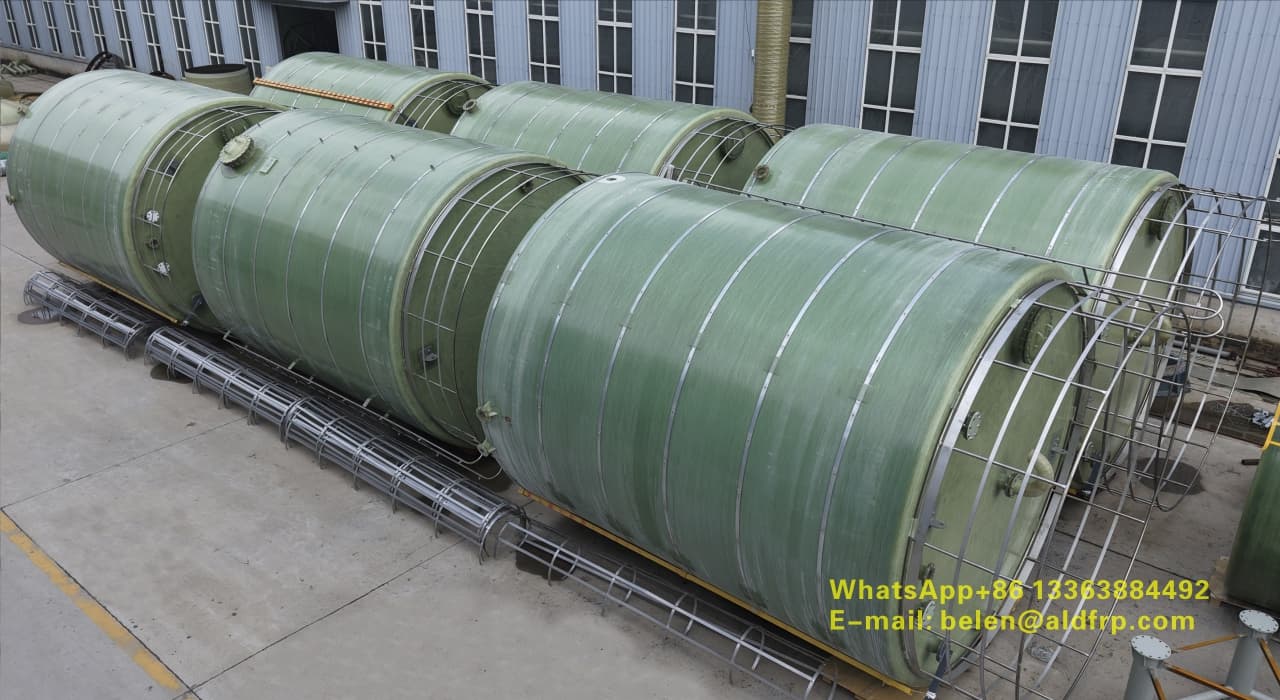 FRP’s advantages in chemical storage are clear—from superior corrosion resistance to long-term cost savings, it outperforms traditional materials across nearly all metrics. Whether for standard vessels or custom-engineered HCL Storage Tanks, FRP’s versatility makes it the premier choice. At Hengshui Jiubo, our commitment as specialist Acid Storage Tanks Manufacturers is to deliver reliable containment solutions that safeguard both your investment and your workforce. Choosing FRP means investing in decades of dependable, worry-free service. The Benefits of FRP Tanks are evident: maximum safety, efficiency, and durability. When planning your next project, embrace the composite advantage—the intelligent solution for a sustainable and profitable future.