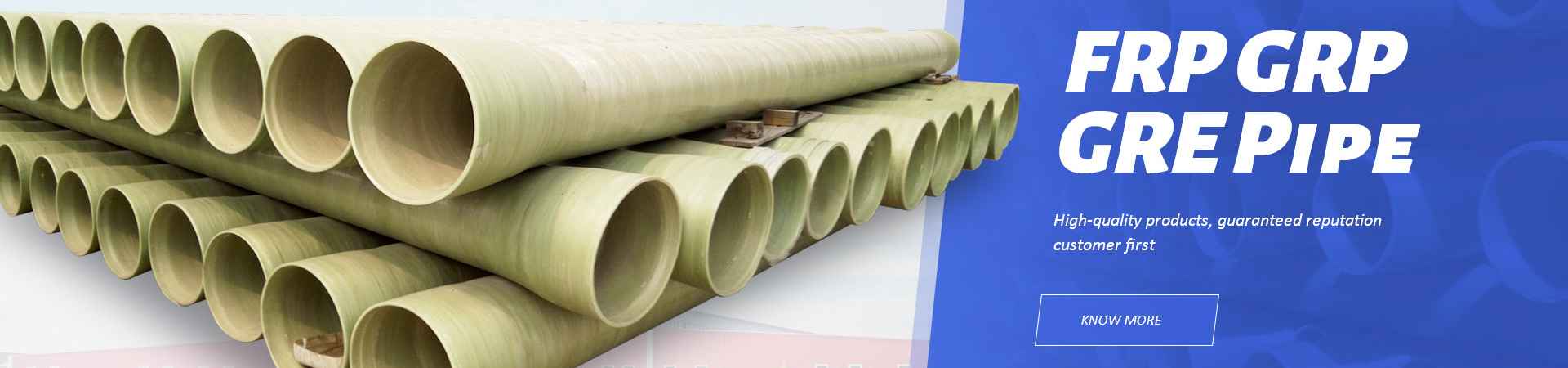

Hydrochloric acid (HCl) is one of the most widely used chemicals in industrial processes, including chemical manufacturing, water treatment, and metal pickling. However, HCl is highly corrosive, and storing it safely is a major concern. Traditional steel tanks often fail quickly under HCl exposure, while concrete tanks may crack or degrade. This is why many industries rely on an FRP tank for HCl storage.
Fiberglass reinforced plastic (FRP) tanks offer high corrosion resistance, durability, and flexibility. They are engineered to safely contain hydrochloric acid while minimizing maintenance and operational risks. In this article, we will explore the benefits, manufacturing methods, applications, and selection guidelines for FRP HCl storage tanks.
The most important feature of an FRP tank for HCl storage is its resistance to strong acids. The inner lining is made of a chemical-resistant resin, such as vinyl ester, which prevents acid penetration and corrosion, ensuring safe storage for years.
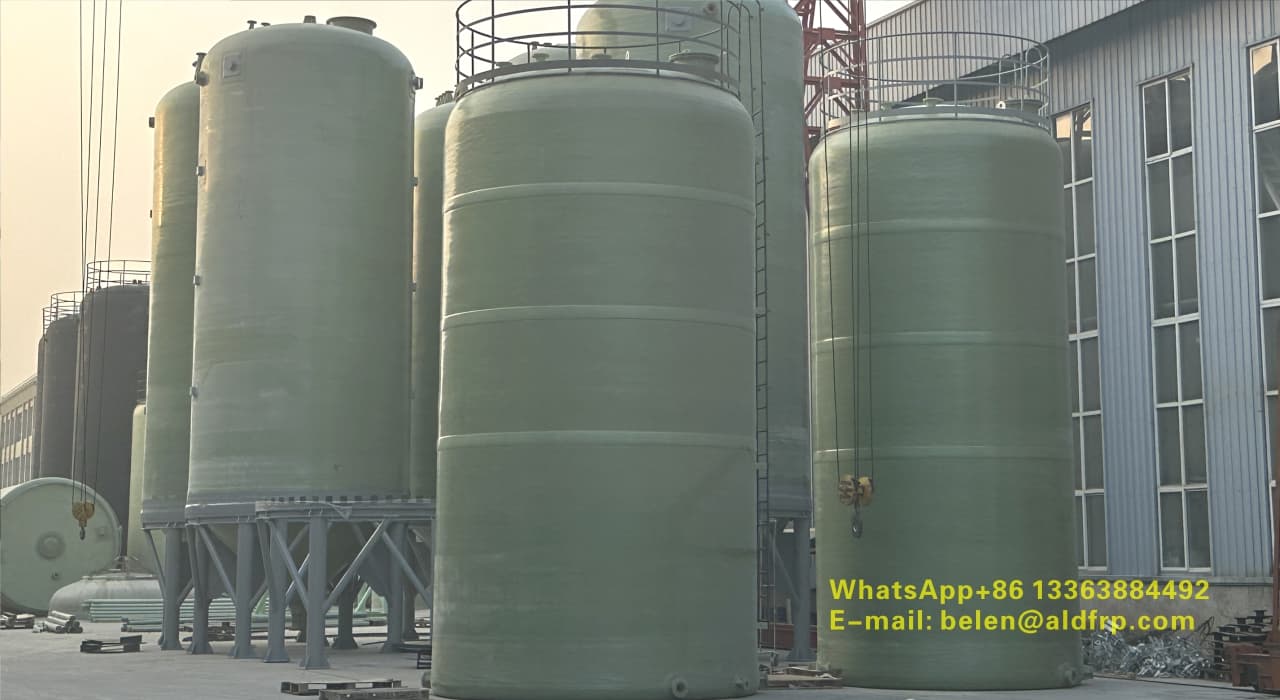
FRP tanks can last 20–30 years or more under proper maintenance. Unlike steel, which can corrode quickly, FRP maintains its structural integrity even with continuous exposure to concentrated hydrochloric acid.
FRP tanks require minimal maintenance. There is no need for frequent painting, coating, or lining replacement, reducing operational downtime and costs significantly.
Compared to steel or concrete tanks, FRP tanks are lighter and easier to transport and install. Large HCl storage tanks can be installed in confined industrial spaces or remote locations without heavy lifting equipment.
A custom FRP tank for HCl storage can be designed to meet specific operational needs, including:
Tank volume and dimensions
Wall thickness for pressure and chemical concentration
Placement of manholes, flanges, or valves
Above-ground or underground installation
This ensures that each tank fits the application perfectly while maintaining safety and durability.
Filament winding is commonly used for producing industrial FRP tanks. Fiberglass fibers are coated with resin and wound around a rotating mold. This method provides:
Uniform wall thickness
High structural strength
Excellent resistance to internal pressure and chemical corrosion
This technique is ideal for large-capacity tanks used in chemical plants.
For smaller batches or complex shapes, the hand lay-up method is used. Layers of fiberglass mats are manually applied and saturated with chemical-resistant resin, creating a tailored tank structure with high corrosion resistance.
After fabrication, tanks undergo curing to harden the resin. Manufacturers perform rigorous testing, including:
Hydrostatic testing for leaks
Laminate thickness verification
Chemical resistance checks with hydrochloric acid
These quality control measures ensure safe and reliable HCl storage.
FRP HCl tanks are widely used in chemical plants for storing hydrochloric acid safely, protecting both personnel and equipment from corrosion risks.
Hydrochloric acid is commonly used for pH adjustment in water treatment. FRP tanks provide safe and long-term storage for these applications.
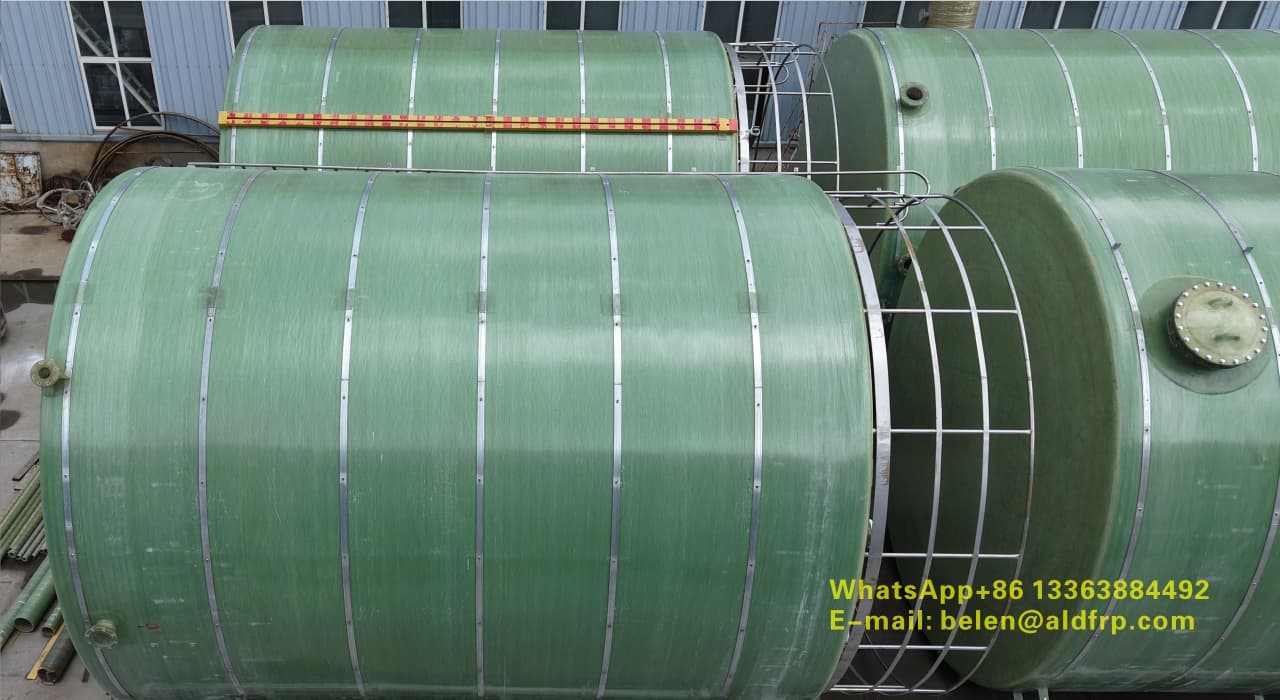
Industries such as metal pickling and surface treatment rely on hydrochloric acid for their processes. FRP tanks safely contain HCl, reducing maintenance issues and chemical losses.
FRP tanks are used in fertilizer plants to store HCl for chemical reactions, ensuring efficient and safe production workflows.
Ensure that the resin system is compatible with hydrochloric acid concentration. Vinyl ester resin is preferred for high-concentration HCl, while other resins may be suitable for diluted acid.
Determine the required tank volume and shape based on operational needs. Choose between above-ground and underground installation according to site constraints.
Consider temperature fluctuations, UV exposure for outdoor tanks, soil pressure for underground tanks, and potential seismic activity. These factors influence wall thickness and structural reinforcements.
Partnering with an experienced custom FRP chemical storage tank manufacturer ensures:
Professional engineering design support
Quality-controlled manufacturing processes
Guidance on installation and maintenance
Compliance with ASTM, ISO, and CE standards
A reputable manufacturer ensures long-term, safe, and compliant storage for hydrochloric acid.
corrosion-resistant FRP tank for HCl storage
custom fiberglass hydrochloric acid storage tank
industrial FRP tank for acid containment
durable FRP chemical storage tank for HCl
fiberglass HCl storage tank for chemical plants
An FRP tank for HCl storage provides a safe, corrosion-resistant, and durable solution for industries handling hydrochloric acid. Its lightweight structure, long lifespan, and customizable design make it a superior alternative to steel or concrete tanks.
By working with a professional custom fiberglass storage tank manufacturer, facilities can ensure chemical compatibility, structural integrity, and regulatory compliance, offering long-term safety and efficiency in hydrochloric acid storage.