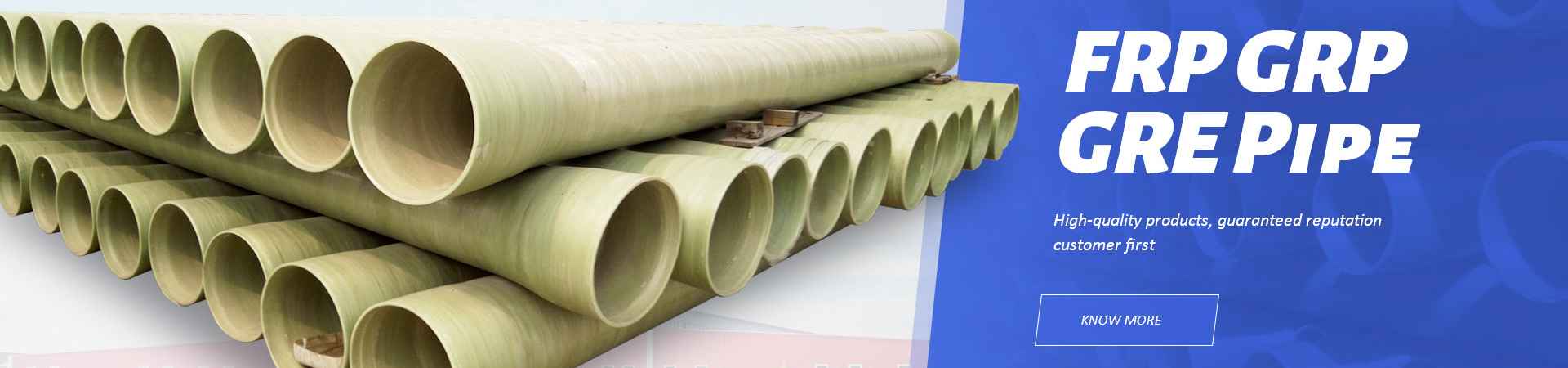

Efficient and safe wastewater management is a critical concern for industrial plants, municipal facilities, and chemical processing operations. Traditional steel or concrete tanks often face corrosion, leaks, and high maintenance costs when exposed to wastewater containing chemicals, sludge, and varying pH levels. This is where a FRP tank for wastewater treatment becomes a reliable and cost-effective solution.
Fiberglass reinforced plastic (FRP) tanks combine strength, chemical resistance, and customizable design options, making them ideal for a wide range of wastewater storage and treatment applications. In this article, we’ll explore the advantages, manufacturing methods, applications, and selection tips for FRP wastewater tanks.
Wastewater often contains acids, alkalis, and chemical residues that can rapidly corrode steel or concrete tanks. An FRP tank for wastewater treatment offers superior resistance to chemical attack, ensuring the integrity of the stored liquid and protecting surrounding infrastructure.
FRP tanks typically have a lifespan of 20–30 years or more, depending on the operational conditions. Their durability reduces maintenance frequency and prevents the high replacement costs associated with metal tanks.
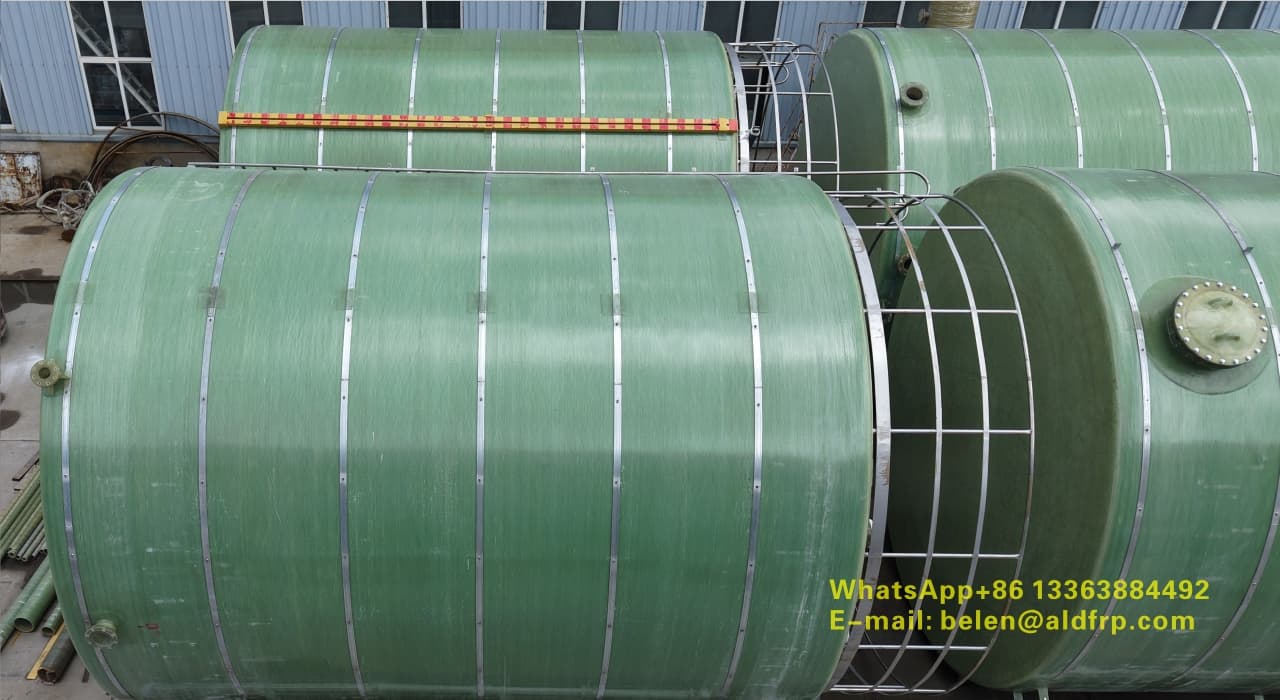
Compared to steel or concrete, FRP tanks are much lighter. This makes transportation, handling, and installation simpler and more cost-effective, especially for large-capacity tanks or remote industrial sites.
FRP tanks do not require frequent repainting or internal lining replacements. Routine inspections are generally sufficient to ensure safe operation, lowering operational overhead.
Professional manufacturers can design FRP tanks for wastewater treatment to meet project-specific needs, including:
Tank dimensions (diameter, height, volume)
Wall thickness to handle internal pressure or underground loads
Placement of manholes, flanges, and nozzles
Above-ground or underground installations
Customization ensures optimal performance and compliance with safety standards.
The most common method for producing industrial FRP tanks is the filament winding process. Fiberglass filaments soaked in resin are wound precisely around a rotating mold, creating a uniform wall structure with high mechanical strength.
Benefits of filament winding include:
Uniform wall thickness
High resistance to internal and external pressures
Long-term chemical durability
For small batches or complex shapes, the hand lay-up method is employed. Layers of fiberglass mats are manually applied and saturated with resin, allowing for highly customized tank geometries.
After fabrication, FRP tanks undergo curing to harden the resin. High-quality manufacturers perform:
Hydrostatic and leak testing
Laminate thickness verification
Chemical resistance checks
These procedures guarantee that the tank will perform safely in wastewater environments.
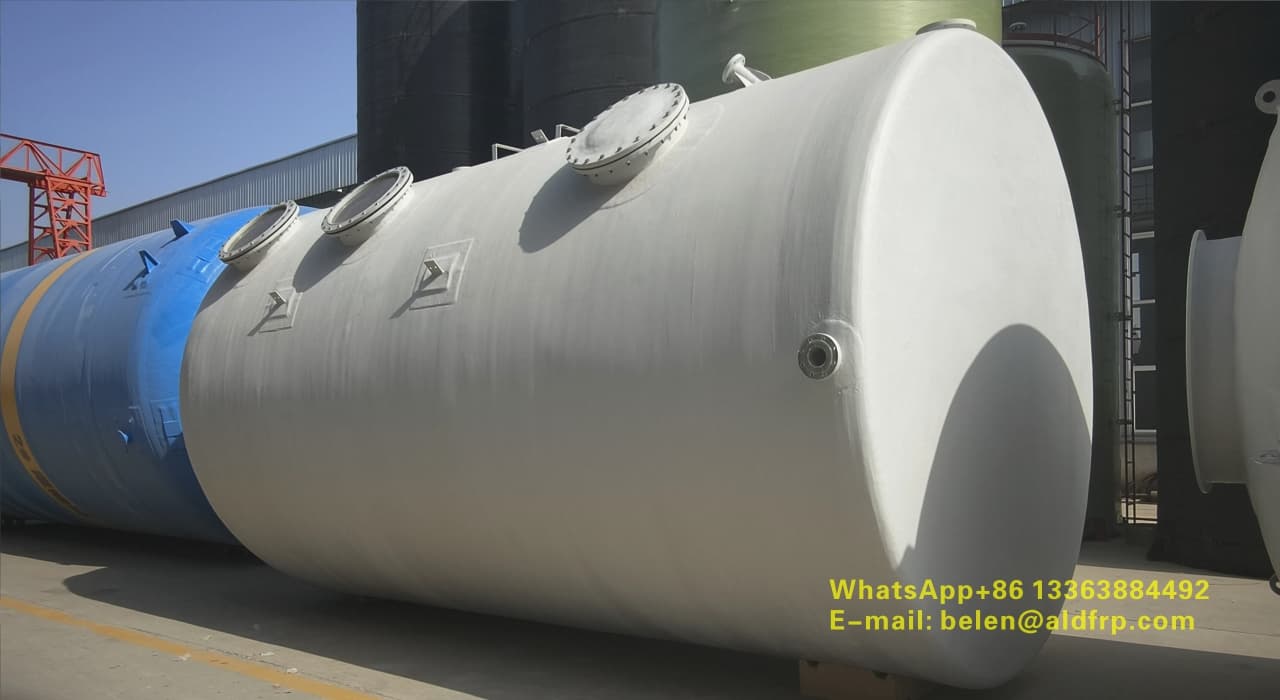
FRP tanks are widely used in municipal facilities for storing treated water, sludge, and chemical additives safely. Their corrosion resistance ensures long-term reliability and compliance with regulatory standards.
Industries such as chemical processing, food production, and pharmaceuticals require safe storage of effluent and treatment chemicals. FRP tanks offer a durable and low-maintenance solution for these operations.
FRP tanks can store stormwater or runoff, reducing the risk of overflow and contamination. Their corrosion resistance makes them suitable for temporary or seasonal storage solutions.
In agricultural facilities, FRP tanks handle wastewater from fertilizer processing and livestock operations, ensuring safe storage and minimal environmental impact.
Verify that the selected resin system is compatible with wastewater composition and pH levels. Vinyl ester resin is often recommended for highly aggressive industrial wastewater.
Select a tank size that meets operational demands and fits the installation site. Underground tanks may require reinforcement to handle soil pressure.
Consider environmental factors such as:
Temperature fluctuations
Soil conditions for underground tanks
UV exposure for outdoor installations
Potential seismic activity
These factors influence tank design, wall thickness, and reinforcements.
Choosing a reliable custom fiberglass storage tank manufacturer ensures:
Engineering support for tank design
Quality-controlled fabrication processes
Guidance on installation and maintenance
Compliance with ASTM, ISO, or CE standards
Experienced manufacturers can deliver tanks that meet operational and regulatory requirements.
FRP tank for wastewater treatment plant
corrosion-resistant fiberglass wastewater storage tank
custom FRP tank for industrial effluent storage
durable FRP underground tank for municipal use
FRP wastewater storage tank solutions for chemical facilities
A FRP tank for wastewater treatment provides a durable, corrosion-resistant, and low-maintenance solution for industrial, municipal, and agricultural applications. Its lightweight design, customizable features, and long service life make it a superior choice over traditional steel or concrete tanks.
By working with an experienced custom fiberglass storage tank manufacturer, facilities can ensure chemical compatibility, optimal design, and compliance with industry standards, providing safe and efficient wastewater storage for years to come.