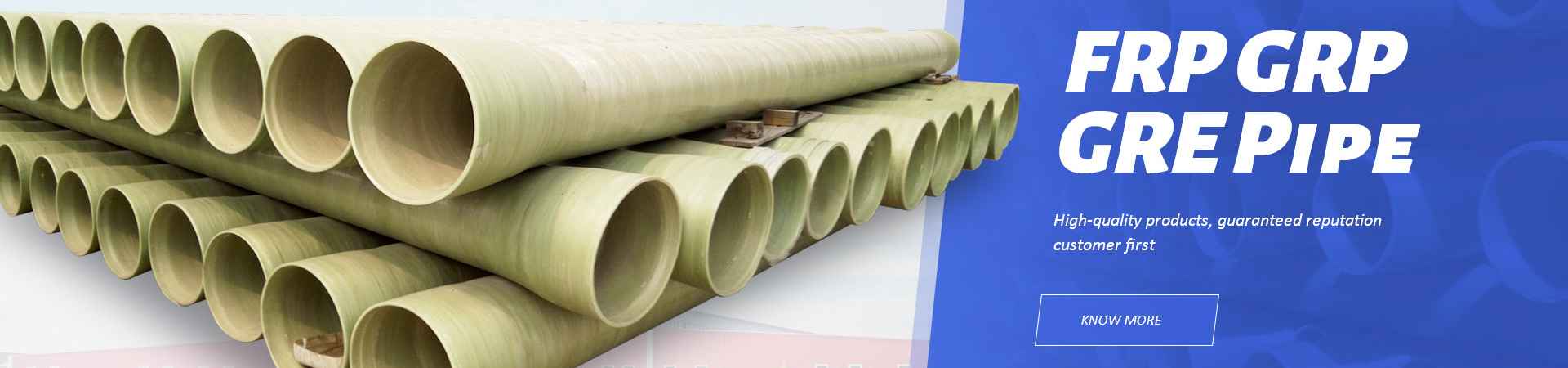

Underground storage has become a strategic choice for industries that need safe, durable, and corrosion‑resistant solutions for liquids such as wastewater, chemicals, fuel, and industrial effluent. Traditional materials like carbon steel or concrete struggle in these environments due to corrosion, cracking, and costly maintenance. That’s where FRP underground storage tanks CHINA have emerged as a reliable alternative for global markets.
Fiberglass reinforced plastic (FRP) provides a combination of strength, lightweight design, and superior chemical resistance—making it ideal for challenging underground storage applications. China has become one of the largest global manufacturers of FRP underground tanks, supplying solutions to infrastructure projects, industrial facilities, and municipal systems worldwide.
In this article, we’ll explore the advantages, manufacturing methods, applications, and selection criteria for FRP underground storage tanks produced in China.
One of the most significant benefits of FRP underground storage tanks CHINA is corrosion resistance. Underground environments often expose tanks to groundwater, soil chemicals, and fluctuating pH levels. FRP materials resist rust and chemical attack far better than steel or concrete, reducing the risk of leakage and structural failure.
FRP underground tanks are designed to last for decades when properly installed. Their composite structure withstands external soil pressure, moisture, and corrosive elements, providing durability that traditional materials cannot match.
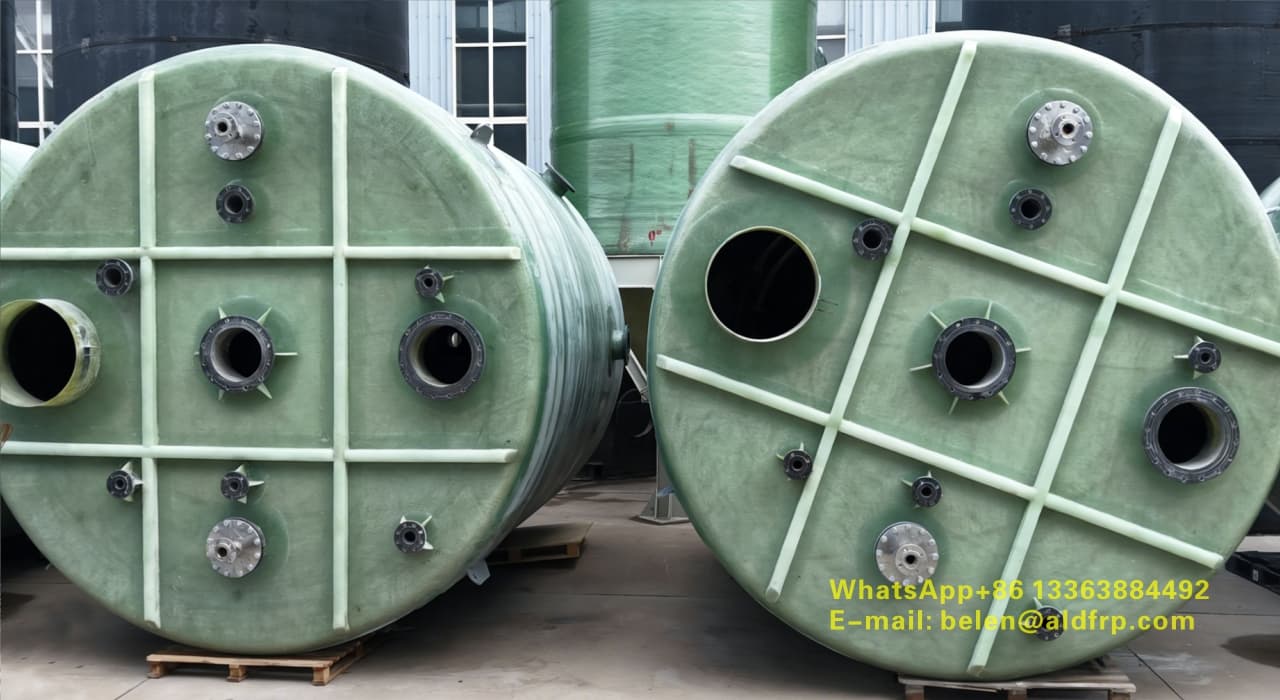
Compared with steel or concrete counterparts, FRP tanks are much lighter, which translates to easier transportation and installation. This also reduces labor and equipment costs—especially valuable in remote or restricted sites.
FRP tanks do not need frequent lining replacements, anti‑corrosion coatings, or rebar reinforcement. Once installed, routine inspections are often sufficient to ensure safe operation, reducing long‑term maintenance costs.
A key advantage of working with FRP underground storage tanks CHINA manufacturers is customization. Tanks can be tailored in terms of size, shape, wall thickness, and accessories (manholes, access ports, base supports) to match specific project requirements.
The most common manufacturing method for industrial‑grade FRP underground storage tanks is filament winding. Fiberglass filaments are soaked in resin and wound around a rotating mandrel. The precise control of winding angles and resin saturation results in strong, uniform tank walls that resist both internal and external pressures.
Key benefits include:
Uniform structural integrity
Resistance to soil and hydrostatic pressure
High chemical resistance for stored fluids
This process is particularly suitable for medium‑ to large‑diameter tanks used in underground applications.
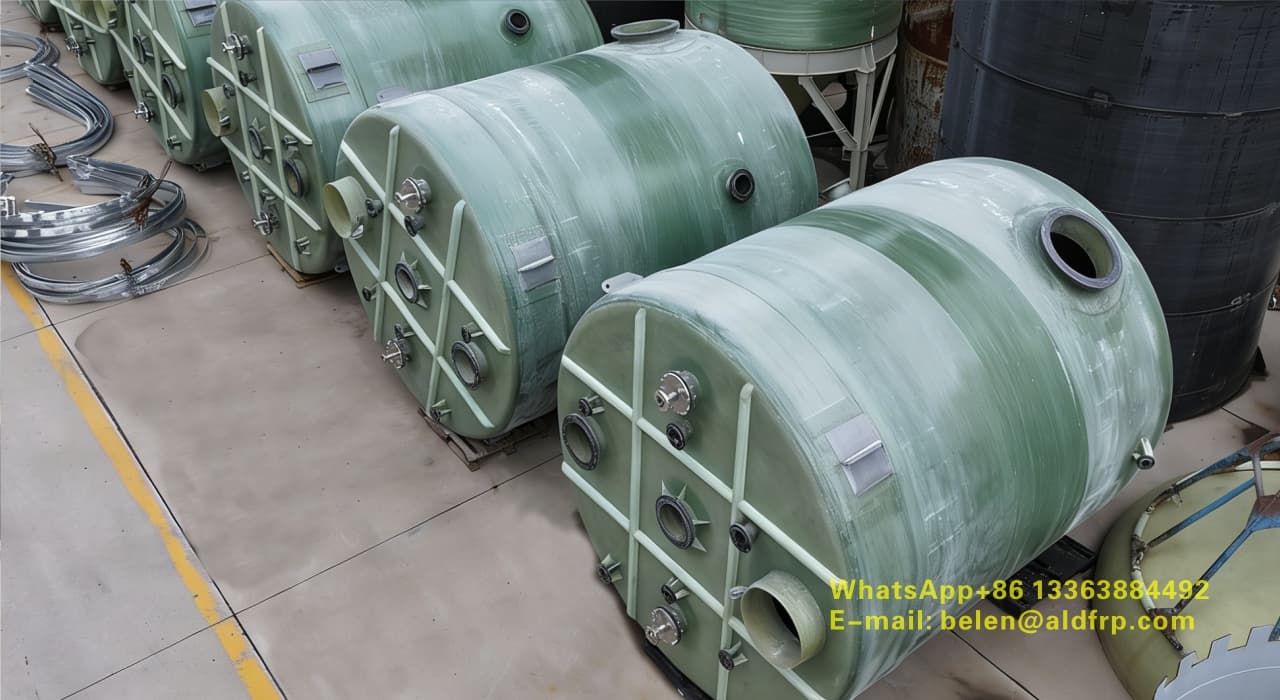
For small batches or complex geometries, the hand lay‑up method is used. In this process, fiberglass mats and resin are manually applied to a mold. While slower, it offers flexibility for tanks with non‑standard shapes or unique site requirements.
After fabrication, tanks undergo a curing process where the resin hardens to form a rigid composite structure. Reputable manufacturers in China perform quality checks including:
Hydrostatic and leakage testing
Laminate thickness and strength verification
Chemical resistance evaluation
These measures ensure tanks meet international safety and performance standards.
FRP underground storage tanks are widely used in municipal systems to hold wastewater, stormwater runoff, and combined sewer overflows. Their corrosion resistance is especially valuable in environments with varying pH and organic content.
Manufacturing and processing facilities often need to store effluent or acidic solutions before treatment. FRP underground tanks offer chemical resistance and structural strength, making them ideal for these applications.
Underground storage of diesel, gasoline, and other petroleum products demands leak‑proof, corrosion‑resistant tanks. FRP tanks meet these requirements while offering long service life and minimal maintenance.
Liquid fertilizers and agricultural chemicals are often corrosive. FRP underground tanks provide safe storage for these liquids, ensuring compliance with environmental regulations.
Understanding soil composition and groundwater levels is essential. These factors influence tank reinforcement design, wall thickness, and base support requirements.
Underground tanks must resist internal fluid pressure and external soil pressure. Proper design and manufacturing ensure structural stability under dynamic loads.
Tank capacity and shape depend on storage needs and site constraints. Custom solutions include modular designs for installation in restricted spaces, and access points for maintenance.
Proper ventilation is critical for underground installations to prevent vapor buildup, especially when storing volatile chemicals or fuels.
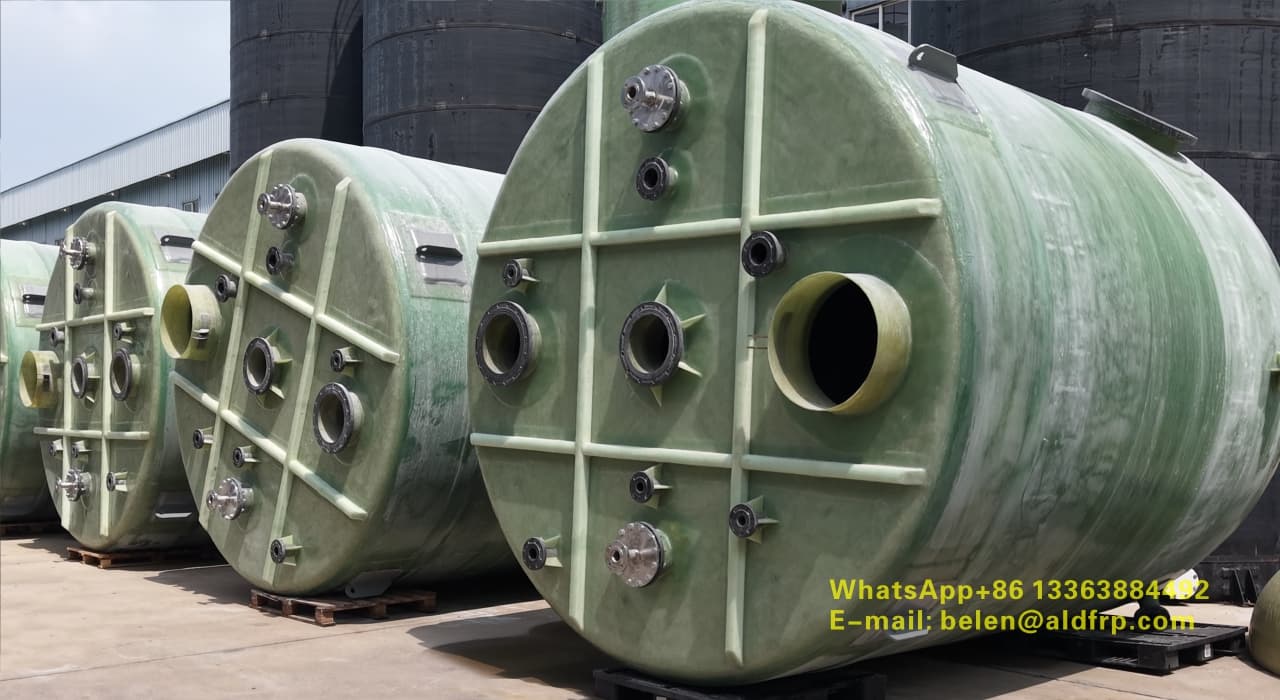
Reliable manufacturers ensure compliance with recognized standards such as:
ASTM standards for composite storage tanks
ISO quality systems (ISO 9001)
CE certification for European projects
Compliance enhances reliability and facilitates approval for international infrastructure projects.
China has become a major supplier of FRP underground storage tanks due to its mature manufacturing capabilities and competitive pricing. When choosing a manufacturer, consider:
Proven experience with international projects
Quality control processes and certifications
Custom design and engineering support
After‑sales service and technical assistance
Working with an experienced China‑based supplier ensures tanks are optimized for performance, compliance, and installation efficiency.
FRP underground storage tanks CHINA supplier
corrosion‑resistant fiberglass underground tanks
custom FRP underground tank manufacturer
industrial FRP underground storage solutions
large‑capacity FRP underground tanks for chemical storage
FRP underground storage tanks CHINA provide a reliable, corrosion‑resistant, and customizable storage solution for a wide range of industrial and municipal applications. Their advantages in durability, low maintenance, and chemical resistance make them superior to traditional steel or concrete tanks in harsh environments.
By partnering with a reputable manufacturer in China, facilities can secure high‑quality tanks tailored to specific conditions, backed by engineering support, quality assurance, and cost‑effective solutions. Whether for wastewater storage, effluent containment, fuel storage, or chemical management, FRP underground tanks offer long‑lasting performance and peace of mind.