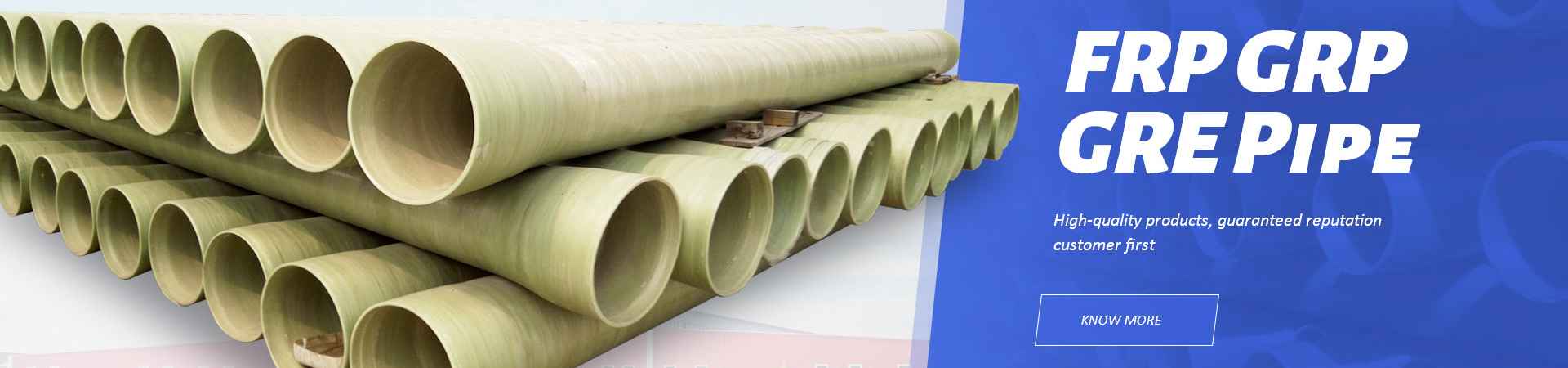

Sourcing reliable FRP tank suppliers is one of the most important decisions you’ll make when planning a storage project. Whether you are storing water, wastewater, acid, industrial chemicals, or agricultural liquids, the wrong supplier can lead to maintenance headaches, operational delays, or even safety risks.
FRP (Fiberglass Reinforced Plastic) tanks are widely recognized for their lightweight strength, corrosion resistance, and custom engineering capabilities. But not all suppliers offer the same quality, technical support, or delivery reliability. Understanding how to evaluate and choose the right supplier is critical to the success of your project.
In this comprehensive guide, we will walk you through what to look for in FRP tank suppliers, how pricing works, what quality standards matter, and how to avoid common procurement pitfalls.
The role of FRP tank suppliers goes beyond simply delivering a product. These suppliers provide engineered solutions—a system that needs to last for decades without significant maintenance. FRP tanks are often used in demanding environments where corrosion, high chemical concentration, and external pressure are everyday challenges. Choosing a supplier with strong engineering expertise reduces the risk of tank failure and improves long‑term performance.
While the initial FRP tank cost might seem high compared to simpler plastic tanks, quality fiberglass tanks typically offer a longer service life and lower maintenance. A good supplier helps you select materials and designs that reduce total cost of ownership, not just upfront costs.
Reputable FRP tank suppliers provide tanks that comply with international standards. These might include quality certifications, design codes, and manufacturing benchmarks that ensure safety and regulatory compliance in industrial applications.
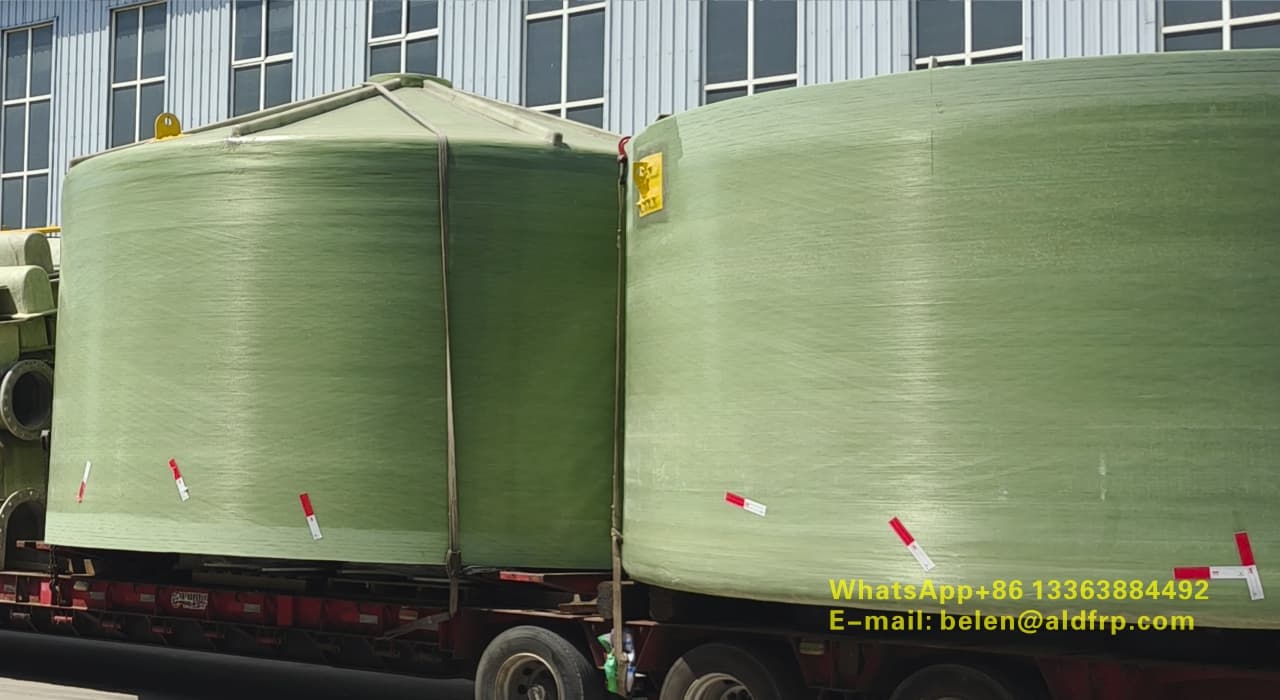
One of the first criteria to evaluate is the supplier’s technical strength. A reliable supplier should offer engineering support including:
Custom design drawings
Stress and pressure calculations
Material selection recommendations
Installation guidance
Suppliers who provide detailed engineering analysis tend to deliver better performing FRP tanks.
Not all FRP tanks are manufactured the same way. Leading FRP tank suppliers typically use advanced fabrication techniques such as:
Filament winding for consistent wall integrity
Controlled resin application to enhance corrosion resistance
Strict curing processes to improve long‑term durability
Effective quality control checks—including wall thickness verification, structural integrity tests, and leak testing—are essential.
Good FRP tank suppliers understand the importance of matching materials to your application. Critical decisions include:
Choosing between polyester, vinyl ester, or epoxy resins
Determining appropriate reinforcement layers
Customizing fittings, flanges, and access ports
The right supplier should be able to recommend appropriate materials for storing acids, alkalis, wastewater, or potable water based on chemical compatibility and long‑term performance requirements.
International projects often require compliance with quality and safety standards. Reliable FRP tank suppliers usually have:
ISO 9001 Quality Management certification
Compliance with ASTM standards for composite tanks
Internal testing protocols and documentation
These certifications demonstrate a supplier’s commitment to quality and consistency.
For many buyers, especially those sourcing tanks internationally, geographic reach matters. A supplier with global logistics experience can handle export documentation, packaging, and customs requirements. They also tend to offer:
Reliable delivery timelines
Export packaging for long‑distance transport
Coordination with freight forwarders
This is especially important when sourcing from global manufacturing hubs.
When comparing FRP tank suppliers, price should not be the only factor. Understanding the breakdown of FRP tank cost helps you make better decisions:
These include raw materials such as fiberglass and resin, labor, and production time. Larger tanks or thicker walls naturally require more material.
Custom tanks with unique specifications, added fittings, or special linings increase total cost. However, customization often improves performance and safety.
Some suppliers include installation guidance, field support, or installation supervision. These value‑added services help minimize errors and improve safety but can increase upfront costs.
Low‑cost suppliers may cut corners by using substandard materials or skipping proper testing. This often leads to shorter service life or failures, which results in higher costs over time.
Chemical plants often store aggressive acids, solvents, and corrosive liquids. FRP tank suppliers with expertise in chemical storage are able to recommend appropriate resin systems to resist corrosion.
Municipal and industrial wastewater systems require tanks that can withstand variable pH levels and biological content. Fiberglass tanks provide a cost‑effective and durable solution.
Liquid fertilizers, pesticides, and irrigation storage all benefit from corrosion‑resistant FRP solutions. Custom sizing and configurations help optimize space and performance.
FRP tanks can be engineered for both underground and above‑ground use. A supplier that understands soil pressure and external load requirements is critical for underground applications.
Before seeking quotes, clarify your needs:
Type of liquid to store
Capacity and size constraints
Installation environment (site conditions, space)
Operating pressure and temperature
Providing clear specifications helps suppliers deliver accurate quotes and prevents costly revisions.
A reliable supplier should provide technical drawings and stress analysis that justify design decisions. This is especially important for corporate or regulated environments.
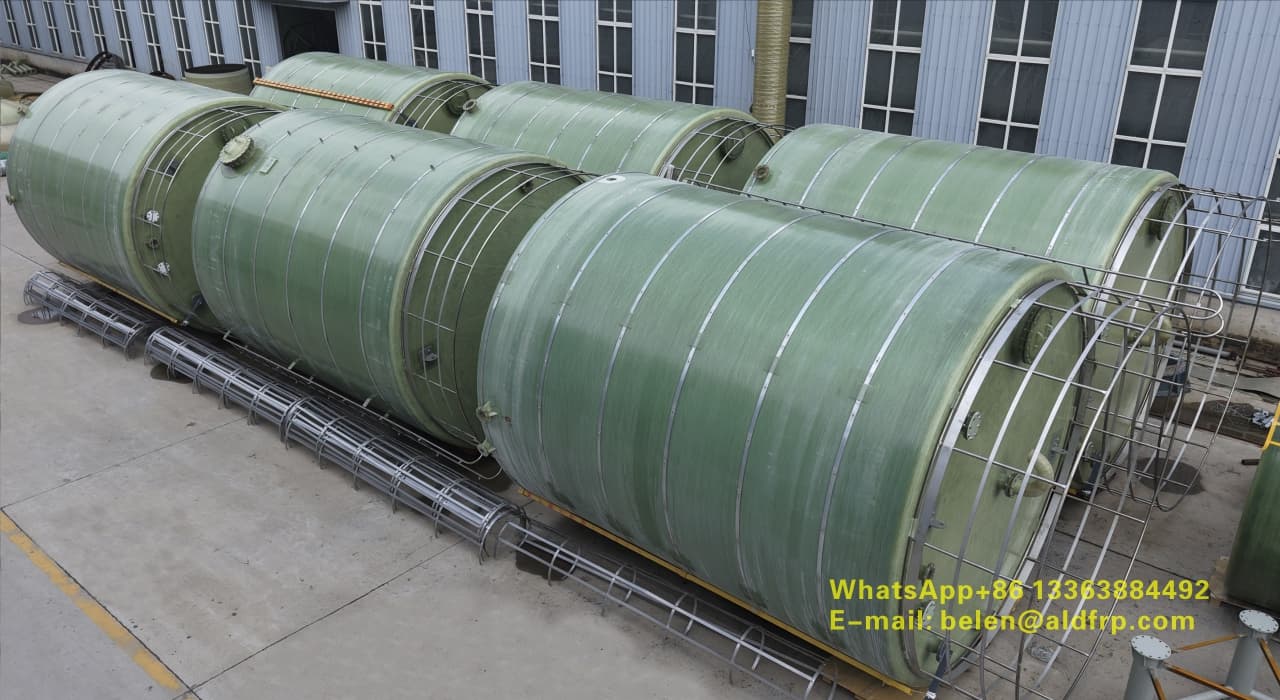
When comparing multiple FRP tank suppliers, ask for detailed breakdowns:
Material costs
Engineering fees
Shipping and handling
Testing and certification
This allows apples‑to‑apples cost comparisons rather than ambiguous quotes.
industrial FRP tank suppliers for chemical storage
custom FRP tank suppliers for wastewater systems
corrosion‑resistant fiberglass tank supplier
global FRP tank supplier with engineering support
quality FRP tank suppliers for underground installation
Good FRP tank suppliers offer engineering support, quality control, customization options, and compliance with international standards.
Yes. When made with the right resin system and design, FRP tanks safely store acids, alkalis, and industrial solvents.
Provide consistent specifications and ask for itemized quotes that include materials, engineering, testing, and shipping.
Experienced FRP tank suppliers typically offer export documentation, packaging, and global shipping arrangements.
Very important. Certifications such as ISO 9001 and adherence to ASTM standards indicate reliable manufacturing practices and quality assurance.