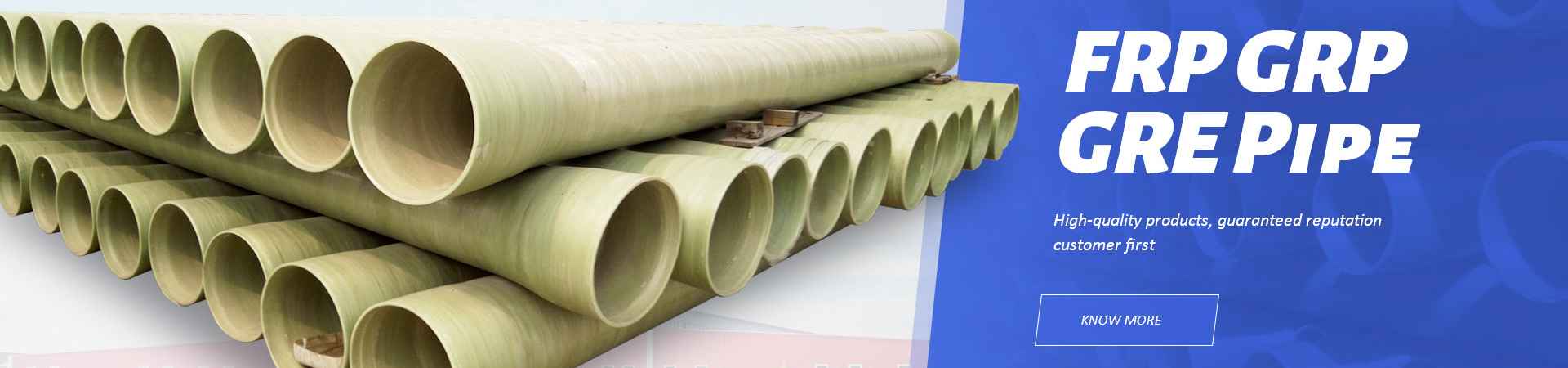

For many industrial buyers, China has become one of the most important sourcing destinations when it comes to composite manufacturing equipment. This is especially true for companies looking for cost-effective and scalable fiberglass pultrusion equipment.
However, while there are many options available, not every China FRP pultrusion machine supplier can meet the expectations of industrial production. Some focus only on price, while others lack the engineering capability needed for long-term performance.
That’s why choosing the right supplier is not just about comparing quotations—it’s about finding a partner who understands your production needs and can support your business as it grows.
Over the past decade, China has developed a strong manufacturing base for FRP machinery. Many suppliers now offer a wide range of equipment, from basic machines to fully automated production lines.
In key industrial regions, manufacturers specialize in producing pultrusion systems used for:
Structural profiles such as beams and channels
FRP rods and reinforcement materials
Grating components for industrial platforms
Custom composite profiles for specific applications
This wide product range gives buyers flexibility, but it also makes supplier selection more complex.
At first glance, many machines may look similar. But once installed and running, the differences between suppliers become obvious.
A reliable China FRP pultrusion machine supplier ensures:
Stable production without frequent interruptions
Consistent product quality across long runs
Lower maintenance requirements
Better long-term return on investment
On the other hand, choosing the wrong supplier can lead to downtime, quality issues, and increased operational costs.
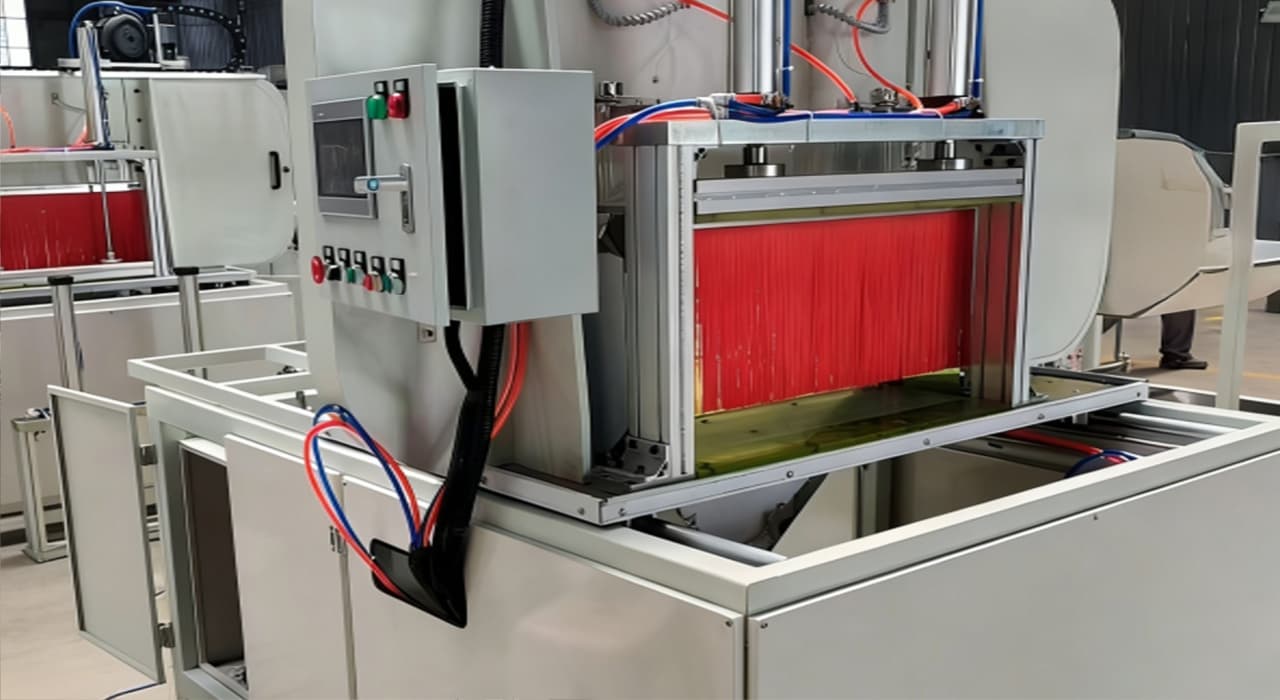
One of the most important things to verify is whether the supplier actually owns a factory.
A genuine manufacturer usually has stronger control over production quality and can offer better customization. It also means they have hands-on experience with machine design and assembly.
Not all pultrusion machines are used for the same purpose. A supplier with broad experience will better understand your needs.
For example, producing structural profiles requires different configurations compared to manufacturing small rods or grating components.
An experienced FRP pultrusion machine supplier will adjust the system based on your product type rather than offering a one-size-fits-all solution.
Modern production relies heavily on automation. A well-designed system should provide:
Stable pulling speed
Accurate temperature control
Easy operation through control panels
Higher automation improves consistency and reduces reliance on manual operation.
In many cases, standard machines are not enough. A capable China FRP pultrusion machine supplier should be able to customize:
Machine dimensions
Pulling force
Production speed
Die compatibility
Customization ensures the equipment fits your production process instead of forcing you to adapt.
Even without mentioning certifications, you can evaluate quality through:
Material selection
Welding and assembly precision
Electrical system quality
Suppliers who pay attention to these details usually deliver more reliable machines.
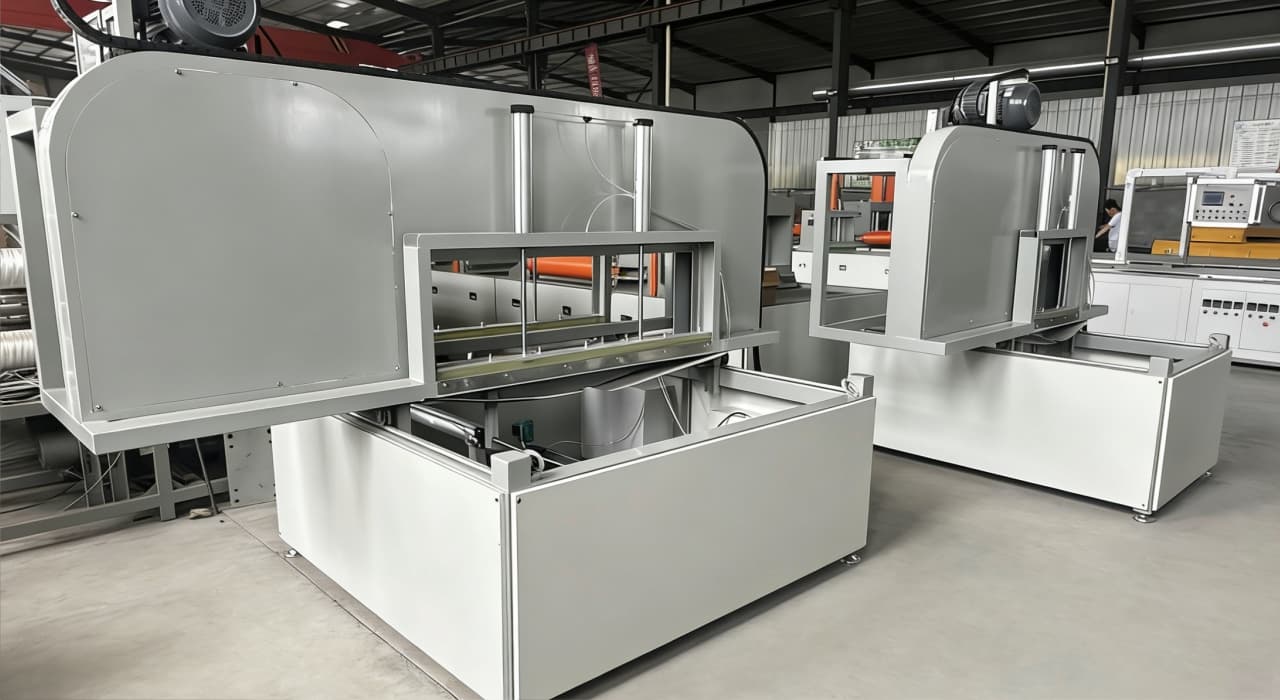
When comparing multiple suppliers, buyers often notice significant price variations.
This is normal, and the difference usually comes from several key factors.
Higher-quality motors, heating systems, and control components increase cost but improve performance and durability.
A more automated system will cost more initially, but it reduces labor costs and improves consistency over time.
Machines designed for larger output require stronger structures and more powerful systems, which increases price.
Some suppliers offer only the main pultrusion machine, while others provide a full production line including:
Fiber feeding system
Resin impregnation system
Pulling and cutting units
A complete system costs more upfront but ensures better integration.
When sourcing from China, you will generally encounter two types of suppliers.
Produce equipment themselves
Offer customization
Provide technical support
Source machines from factories
Limited technical knowledge
Less flexibility in customization
For industrial buyers, working directly with a China FRP pultrusion machine supplier that has its own factory is usually the better choice.
Many experienced buyers prefer turnkey suppliers because they simplify the entire process.
All components are designed to work together, reducing compatibility issues.
Since the supplier understands the full system, installation and commissioning are more efficient.
From setup to operation, a turnkey supplier can guide you through the process and help solve issues quickly.
A lower price may indicate lower-quality components or limited support. This often leads to higher costs later.
If a supplier cannot clearly explain their solution, it may indicate a lack of experience.
A system that works today may not support your future expansion. Choosing a scalable solution is important.
Without proper support, even small issues can cause production delays.
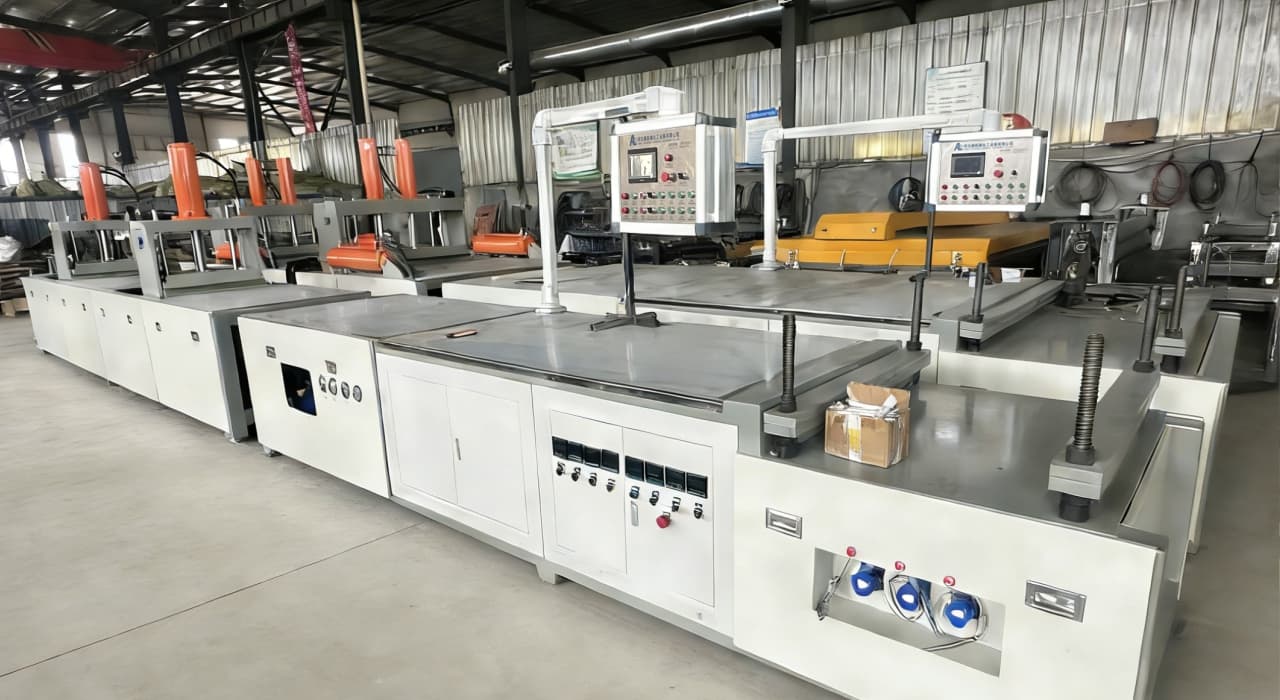
To simplify your decision, follow a structured approach:
Identify your production requirements clearly
Shortlist suppliers with relevant experience
Compare technical proposals, not just price
Evaluate communication and responsiveness
Choose a supplier who understands your long-term goals
This process helps you move beyond surface-level comparisons and focus on real value.
China offers a wide range of equipment options, competitive pricing, and strong manufacturing capabilities.
Look at their factory capability, experience, and ability to provide technical support.
Yes, most manufacturers can tailor machines based on your product requirements.
The biggest risk is choosing a supplier who cannot support your production after installation.
In most cases, a complete system provides better performance and easier operation.
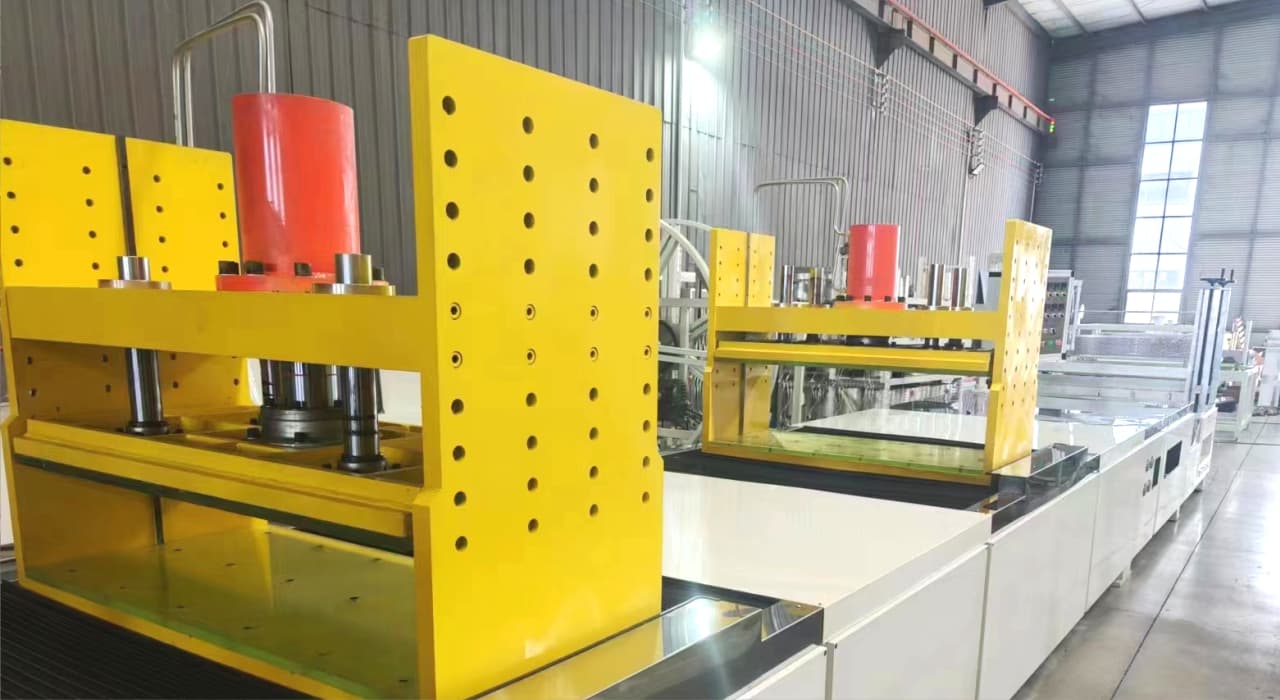
Choosing the right China FRP pultrusion machine supplier is not just about finding equipment—it’s about building a long-term partnership.
A reliable supplier will help you improve production efficiency, maintain consistent quality, and adapt to future growth.
By focusing on capability, support, and long-term value rather than just price, you can make a decision that benefits your business for years to come.