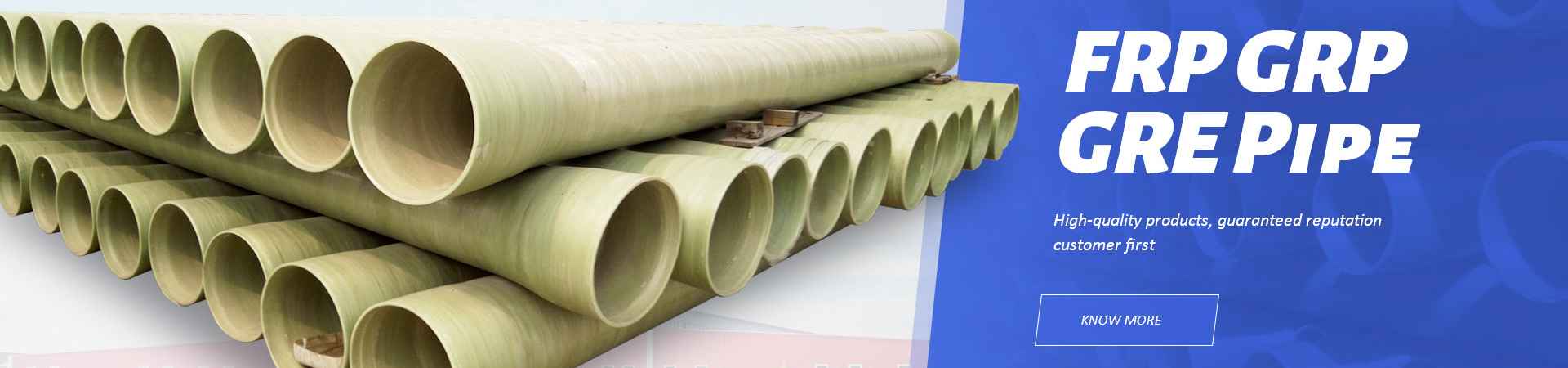

As composite materials become increasingly important across industries, the demand for specialized production equipment continues to grow. One of the most versatile and effective solutions for continuous composite profile production is the China pultrusion machine for sale with custom specifications.
Whether you are manufacturing structural beams, grating components, or reinforcements for construction and industrial applications, choosing a pultrusion system that’s tailored to your process requirements ensures optimal performance and long‑term value.
This guide will help you understand what a pultrusion machine does, why customization matters, how to evaluate custom options, and how to choose the right supplier from China for your composite manufacturing needs.
A pultrusion machine is specialized equipment designed for the continuous production of fiber reinforced plastic (FRP) profiles. Unlike traditional molding processes, pultrusion pulls reinforcements through resin and then through a heated die to cure and form a solid profile with a constant cross‑section.
The result is a composite profile that is:
Strong and lightweight
Corrosion resistant
Suitable for demanding industrial environments
However, not all pultrusion machines are suitable for every application. That’s where custom specifications come in. Customization allows the machine to be configured based on:
Target production capacity
Profile shape and size
Resin system and fiber type
Level of automation
A standard machine might work for simple applications, but if your production goals involve specialized products — such as heavy structural profiles or tightly controlled tolerances — then a China pultrusion machine for sale with custom specifications becomes essential.
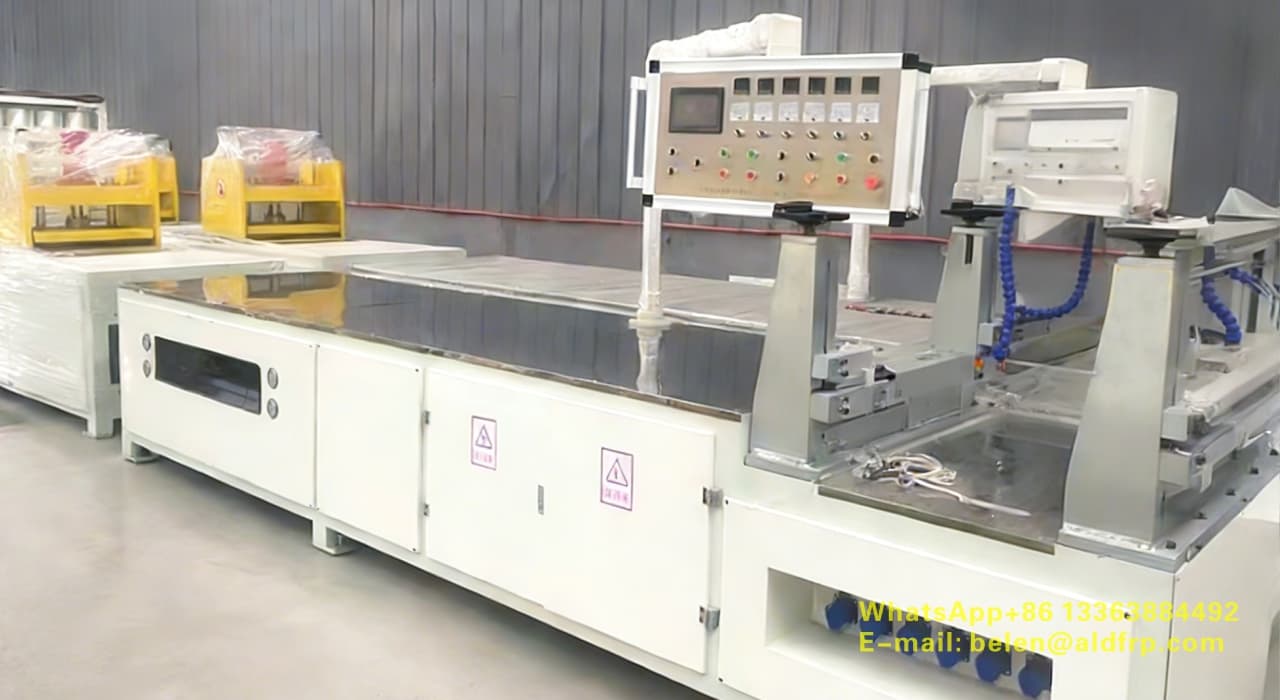
Before investing in a custom pultrusion system, it’s helpful to understand the main components and how they influence performance.
This is where continuous reinforcements such as glass fiber rovings and mats are loaded. A flexible creel system allows producers to use different fiber combinations, which directly affects strength and mechanical properties.
In this section, fibers are fully saturated with resin. Customization here might include:
Optional multiple resin tanks
Adjustable resin viscosity controls
Specialized resin delivery systems
These options impact whether your machine can handle basic polyester resins, tougher vinyl ester, or even epoxy systems for high performance products.
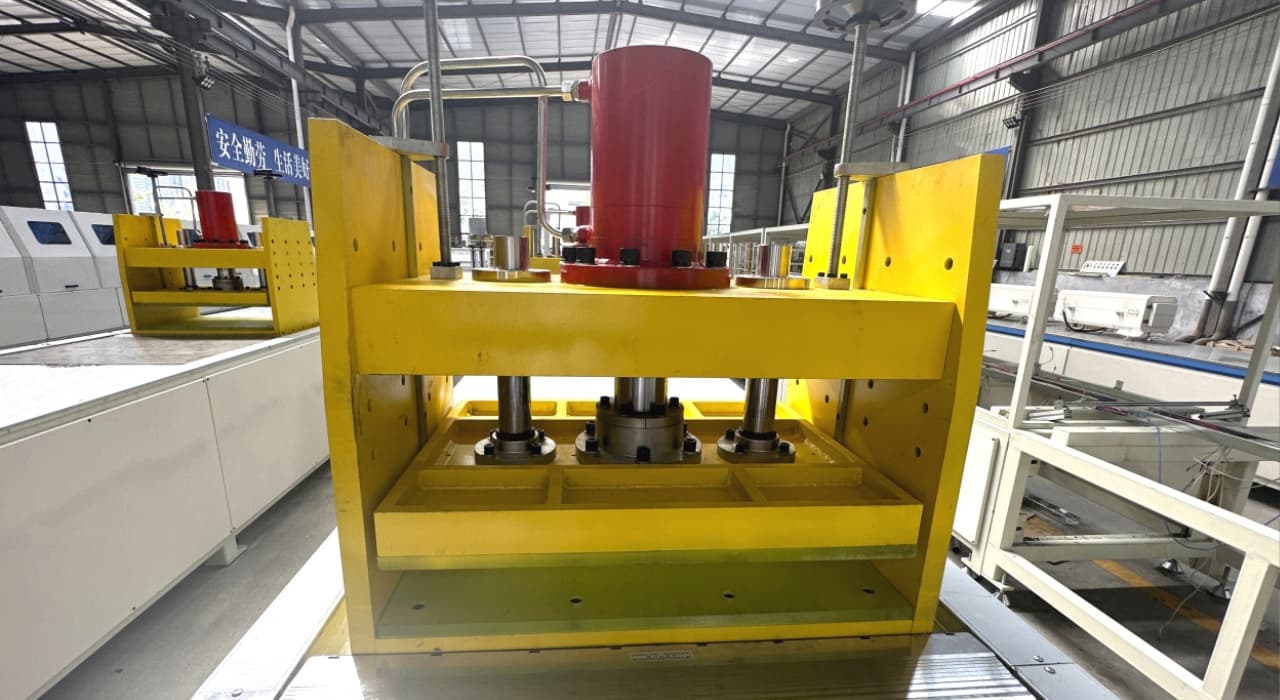
The pultrusion die is where the part cures and forms its shape. Custom die design is critical when producing complex profiles. A custom specification can include:
Custom die geometry
Multi‑zone heating
Precision temperature control
Custom die design improves product quality and reduces internal stresses.
After curing, the profile is pulled through the machine and cut to length. Custom equipment often includes programmable cutting systems to support precision and automation.
Modern custom pultrusion machines are equipped with digital control systems that handle:
Pulling speed
Temperature monitoring
Process adjustments
Data logging
This level of control improves consistency and reduces operator intervention.
Today, many manufacturers source composite equipment from China due to a combination of engineering capability, manufacturing scale, and competitive pricing. But when you are considering a China pultrusion machine for sale with custom specifications, certain advantages stand out.
China has developed a dense industrial ecosystem for pultrusion and fiberglass processing equipment. Many experienced suppliers operate their own factories, allowing them to:
Control production quality
Provide customized designs
Implement flexible configurations
This capability means you are not limited to off‑the‑shelf systems.
When you choose a supplier who offers custom specifications, you gain access to more than just a machine. You get engineering expertise. Good suppliers help you:
Match equipment to your product portfolio
Optimize production parameters
Design dies and molds specific to your profiles
This type of support is important if your products are not standard shapes or if tight tolerances are required.
A pultrusion machine for sale with custom specifications inevitably costs more upfront than a standard model. However, the improved performance, reduced waste, and higher product quality typically lead to a lower total cost of ownership over time.
Custom systems also reduce the need for trial‑and‑error adjustments, saving time and material during setup.
Before contacting suppliers, you should clarify several key points:
Define the product profiles you plan to produce. Are they:
Flat bars
Beams or channels
Rods and rebar
Customized composite shapes
This affects die design, pulling force requirements, and machine configuration.
Different resin systems and reinforcement combinations require different handling. Polyester might work for simple water‑resistant products, but chemical‑resistant or structural parts may require vinyl ester or epoxy systems.
Your expected output affects machine size, heating system design, and automation level. A small pilot line needs different specifications compared to a full‑scale industrial line.
Automation can significantly improve consistency and reduce labor costs, but it adds to upfront investment. Decide whether you need:
Basic semi‑automatic control
Full PLC automation
Remote monitoring and data logging
Once you define your technical requirements, the next step is evaluating suppliers who can deliver the right solution. A capable partner will not only provide equipment but also engineering support and long‑term service.
Here are key criteria for evaluation:
Suppliers who own their factories typically have better quality control and more flexibility. They are also more likely to handle custom demands effectively.
Ask for examples or case references showing that the supplier has delivered custom pultrusion lines in the past. Real examples demonstrate capability and practical problem‑solving experience.
Good suppliers engage in technical discussions rather than just sending quotations. They will ask about your product details, production goals, and long‑term plans before recommending a solution.
A custom system requires ongoing support. Before selecting a supplier, confirm that they offer:
Installation and commissioning assistance
Operator training
Remote troubleshooting
Spare parts and service availability
Reliable support ensures your production line runs smoothly with minimal downtime.
When evaluating quotations, it’s important to understand what drives cost in a custom system:
High‑end electronics, motors, and digital controls increase initial cost but improve durability and performance.
Custom die design, special resin handling systems, and multi‑material compatibility add to the price.
Full automation with advanced PLC and monitoring systems costs more upfront but pays off through higher productivity and lower labor requirements.
A standalone pultrusion machine costs less, but a complete production solution that includes resin systems, cutting units, and automation integration delivers higher performance.
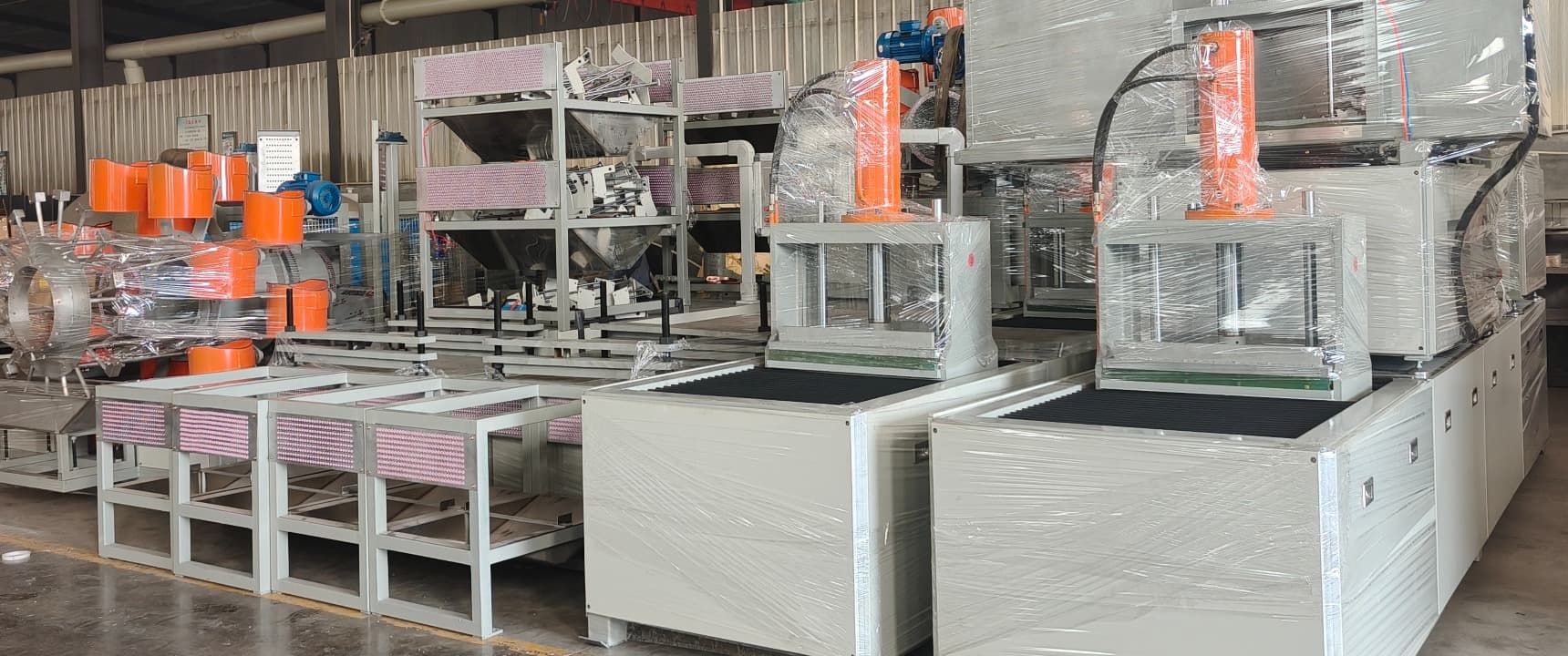
If your products are non‑standard or if you want higher consistency and productivity, a custom system is usually the better choice.
Yes. Machines designed for your specific resin, size, and production parameters produce more consistent results than generic systems.
Custom systems typically require more engineering time upfront, but delivery times vary based on complexity and supplier capacity.
Reliable suppliers provide technical training and installation support to ensure your team can run the line efficiently.
Routine checks of the heating system, pulling components, and control electronics are the main maintenance tasks.
A China pultrusion machine for sale with custom specifications offers composite manufacturers the flexibility, efficiency, and precision needed to meet evolving product demands.
By defining your technical goals, evaluating suppliers’ capabilities, and choosing a partner experienced in customization, you can ensure a production line that delivers consistent quality and long‑term value.
Choosing the right machine is not just about features — it’s about choosing a partner who can support your composite manufacturing journey.
Looking for a customized China pultrusion machine for sale?
Contact us today to discuss your specifications and get a tailored solution with professional support and competitive pricing.