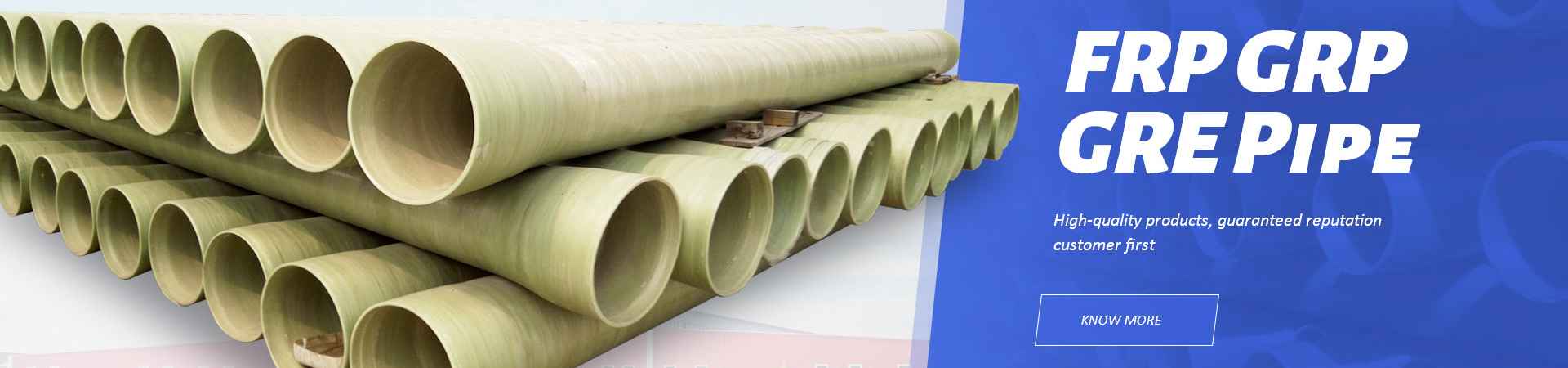

In modern industrial and municipal applications, storage solutions must be reliable, durable, and resistant to corrosion. Fiberglass FRP tanks (Fiberglass Reinforced Plastic) have become a preferred choice for industries requiring long-term performance, especially where chemicals, wastewater, or large volumes of water are involved.
These tanks are not just storage containers—they are engineered systems designed to handle pressure, chemical exposure, and environmental stress. Understanding their benefits and manufacturing process helps buyers make informed procurement decisions.
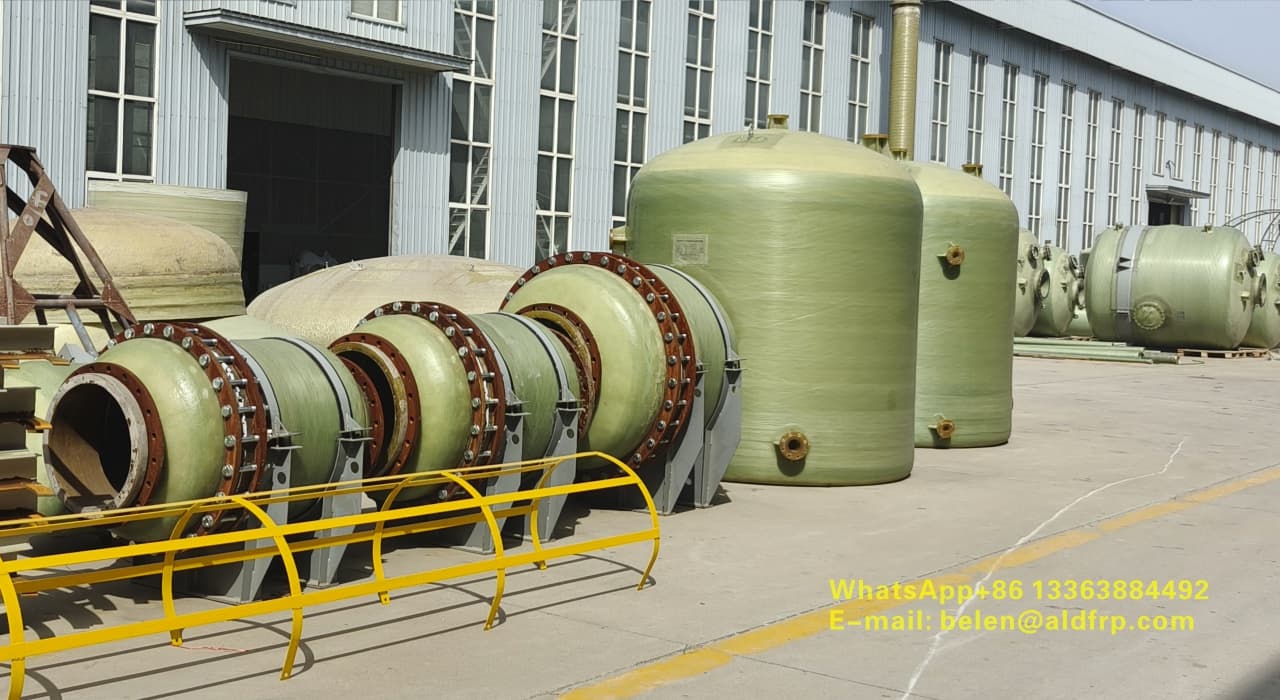
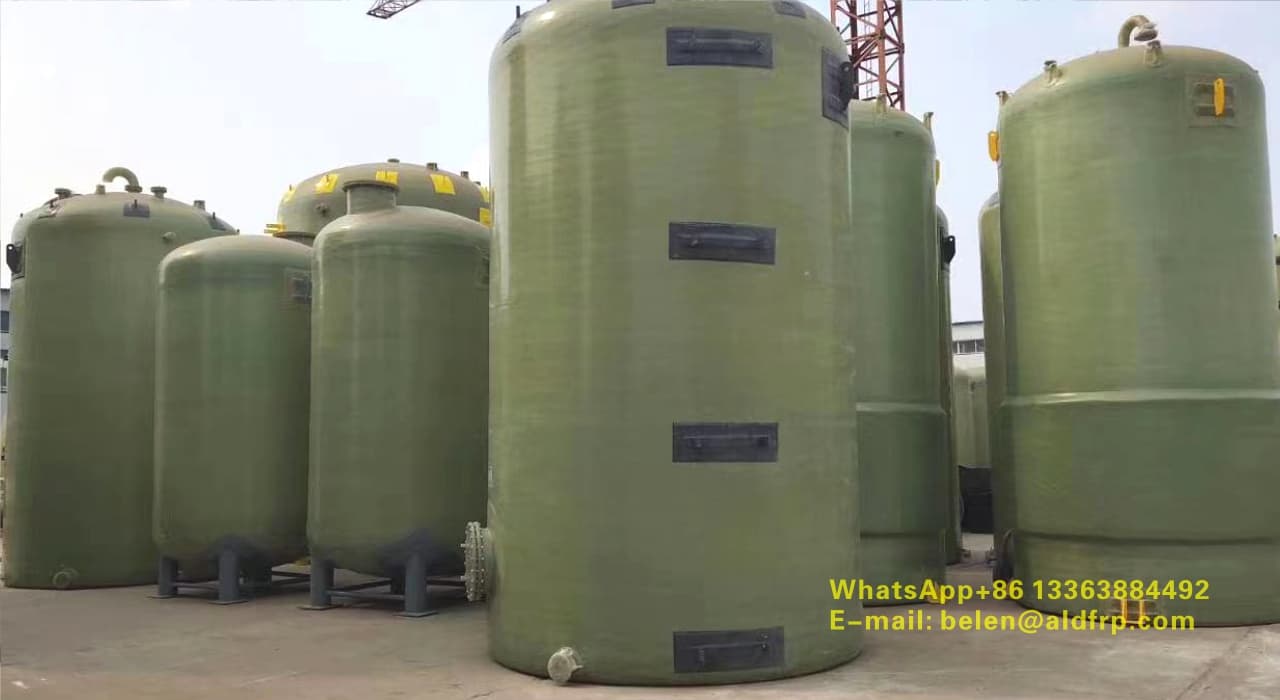
One of the main reasons to choose fiberglass FRP tanks is their excellent corrosion resistance. Unlike steel, FRP tanks do not rust when exposed to water or chemicals, and unlike plastic, they can withstand higher pressure and structural stress.
They are ideal for storing:
Acids, alkalis, and industrial solvents
Potable water and wastewater
Agricultural liquids like fertilizers and pesticides
Fiberglass FRP tanks are lighter than steel tanks of the same capacity, simplifying transportation and installation. Large tanks can be transported without excessive lifting equipment, and underground or above-ground installations are made easier thanks to their manageable weight.
FRP tanks are designed to last 20–30 years or more with minimal maintenance. Their reinforced fiberglass construction ensures that walls do not crack or deform, even under soil pressure or heavy environmental loads.
This long service life makes them a cost-effective solution for industrial and municipal projects.
A significant advantage of fiberglass FRP tanks is customization. Manufacturers can adjust:
Tank size and capacity
Wall thickness for higher pressure resistance
Nozzle, flange, and manhole placement
Shape (cylindrical, rectangular, or specialized forms)
This flexibility allows them to meet exact project requirements for industrial, municipal, or agricultural applications.
Understanding the fiberglass FRP tank manufacturing process ensures buyers select reliable tanks that meet performance expectations.
Manufacturers start by evaluating project requirements, including:
Type of liquid (chemical, water, or wastewater)
Volume and pressure needs
Installation environment (above-ground, underground)
Engineering drawings are created to ensure the tank fits site requirements and meets international standards like ISO, ASTM, or CE certifications.
The right combination of fiberglass and resin is crucial:
Fiberglass reinforcement: woven roving, chopped strand mat, or combination
Resin selection: polyester, vinyl ester, or epoxy
This determines the tank’s chemical resistance, mechanical strength, and durability.
Two main fabrication methods are used:
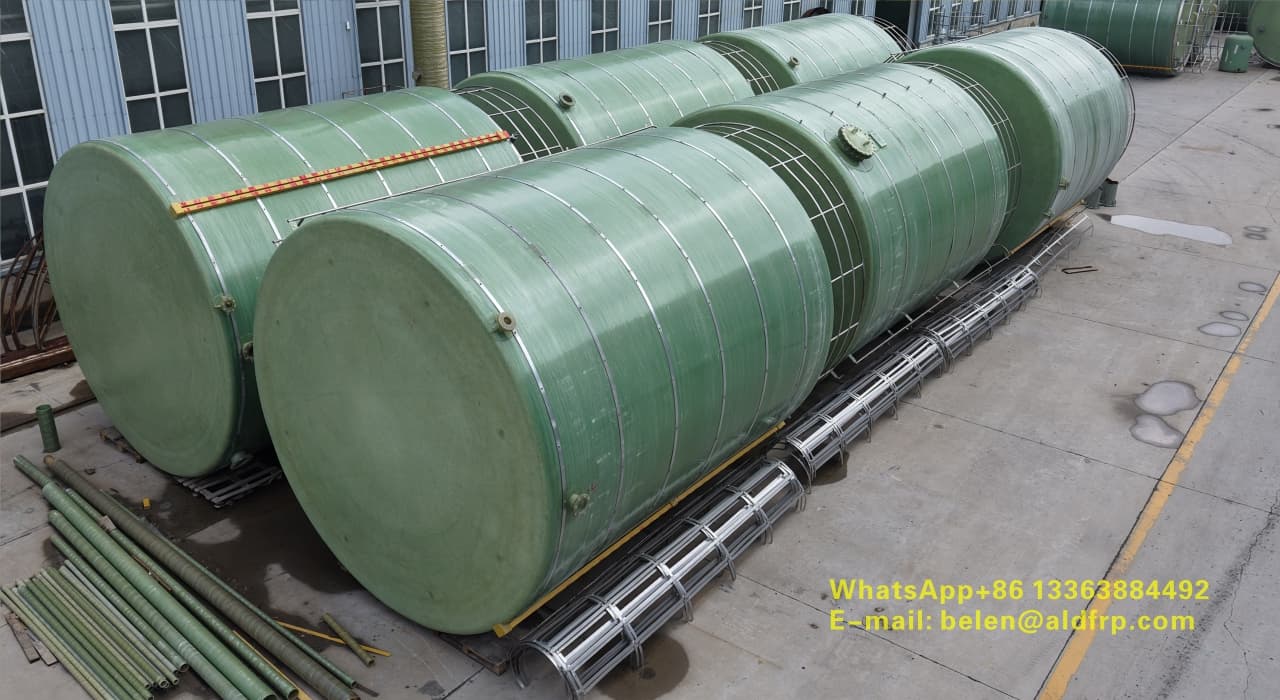
Filament Winding – Fiberglass strands coated with resin are wound on a rotating mandrel at precise angles. This creates uniform wall thickness and strength for large tanks.
Hand Lay-Up – Layers of resin-impregnated fiberglass are applied manually for small tanks or specialized shapes.
Both methods ensure structural integrity and long-term performance.
After fabrication, the tank is cured to solidify the resin. Post-processing may include:
Trimming and sanding edges
Fitting flanges, manholes, and nozzles
Surface finishing or coating if required
High-quality fiberglass FRP tanks undergo strict quality checks:
Wall thickness verification
Leak testing
Structural integrity inspection
Raw material certification
This ensures that the tank can handle pressure, chemical exposure, and environmental stress without failure.
Fiberglass FRP tanks are versatile and used across multiple industries:
These tanks are ideal for storing acids, alkalis, and chemical solutions safely. FRP’s chemical resistance ensures safe long-term storage without corrosion or contamination.
FRP tanks are widely used in municipal and industrial water storage, including potable water, irrigation, and wastewater treatment systems.
Engineered fiberglass FRP tanks can be installed underground. Their reinforced structure allows them to withstand soil pressure and groundwater conditions, making them perfect for space-limited environments.
FRP tanks are increasingly used for storing fertilizers, pesticides, and irrigation water, providing durability and chemical resistance in outdoor environments.
Chemical Compatibility – Verify resin type against the stored liquid.
Capacity and Pressure – Ensure wall thickness meets project requirements.
Installation Site – Above-ground vs underground may influence design.
Supplier Expertise – Work with manufacturers offering technical support and drawings.
Cost vs Lifespan – FRP tanks may have higher upfront cost than plastic but offer better longevity and lower maintenance.
fiberglass FRP tanks for chemical storage
corrosion-resistant fiberglass FRP water tank
custom FRP tank manufacturing process
industrial fiberglass storage tank solutions
underground fiberglass FRP water tanks
With proper installation and usage, fiberglass FRP tanks typically last 20–30 years or more.
Yes, when manufactured with the right resin (vinyl ester or epoxy), FRP tanks can safely store acids, alkalis, and industrial solvents.
Absolutely. Reinforced FRP tanks are designed to withstand soil pressure and groundwater, making them ideal for buried applications.
Fiberglass FRP tanks can be customized in diameter, height, wall thickness, and shape to fit project-specific requirements.
FRP tanks offer superior corrosion resistance, lighter weight than steel, and stronger performance than plastic in high-pressure or large-volume applications.