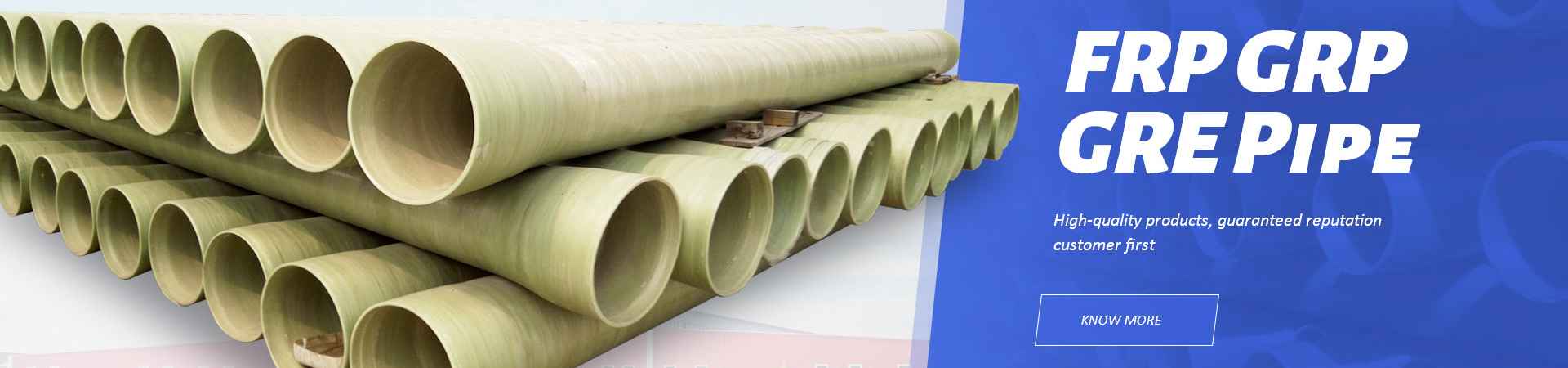

When it comes to industrial storage, quality is non-negotiable. FRP tanks are widely used because they combine corrosion resistance, strength, and long service life—but only if they meet strict quality standards.
Understanding FRP tank quality standards helps you:
Select reliable tanks for chemical, water, or industrial storage
Ensure long-term performance and safety
Avoid costly maintenance or failures
In my experience, clients who prioritize quality standards almost always have better performance and fewer operational issues.
FRP tanks are designed to handle corrosive chemicals, water, and other liquids. Without proper standards, tanks can:
Leak due to poor lamination
Delaminate under pressure
Fail chemically if improper resin is used
Pose safety hazards to personnel and facilities
Standards ensure that tanks are manufactured consistently, perform as expected, and comply with safety regulations.
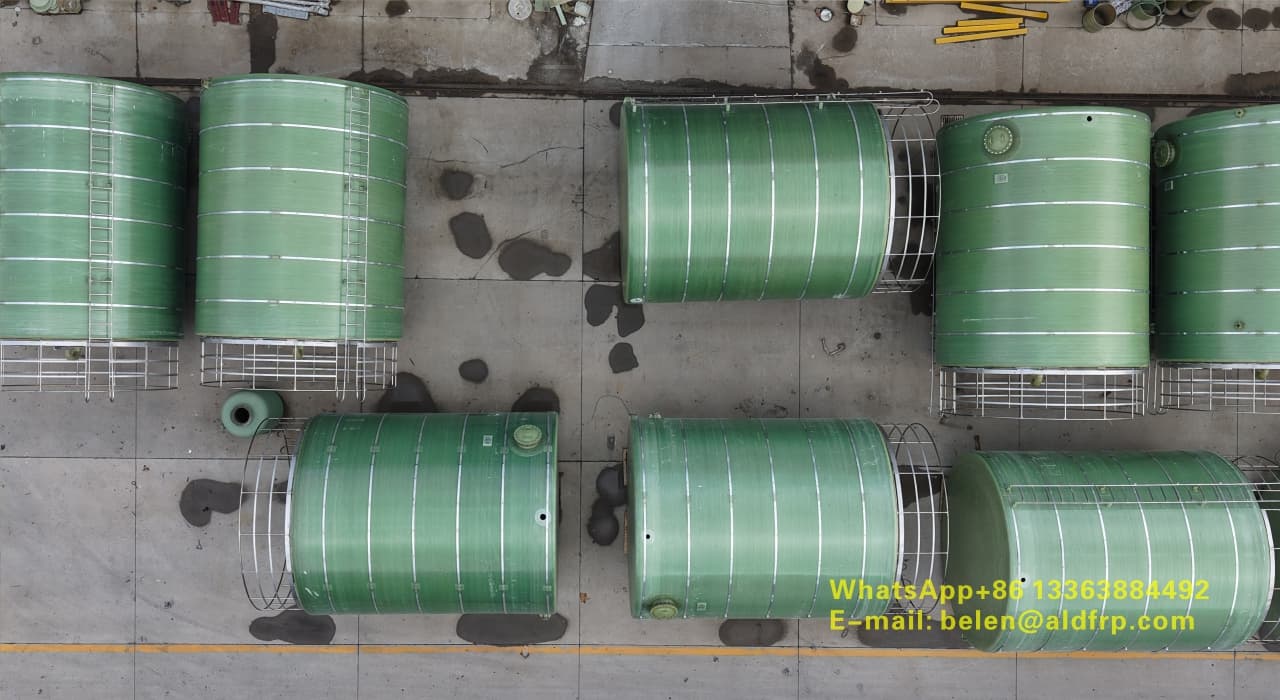
The International Organization for Standardization (ISO) provides specifications for FRP tanks, covering:
Material selection
Manufacturing processes
Testing and inspection methods
ISO-compliant tanks are widely recognized for reliability and consistent quality in global markets.
ASTM (American Society for Testing and Materials) sets detailed guidelines for composite tanks. Key points include:
Wall thickness requirements
Chemical resistance tests
Pressure testing and mechanical performance
Following ASTM standards ensures that tanks can handle industrial stress safely.
Depending on your location, additional standards may apply, such as:
EN (European Norm) standards for tank design
BS (British Standards) for structural integrity
Local regulations for chemical storage
Compliance with these standards is critical for industrial projects, especially for export.
A quality FRP tank is more than its appearance. Critical elements include:
The type and quality of fiberglass and resin used in construction directly affect:
Strength
Corrosion resistance
Longevity
High-quality materials are a must to meet FRP tank quality standards.
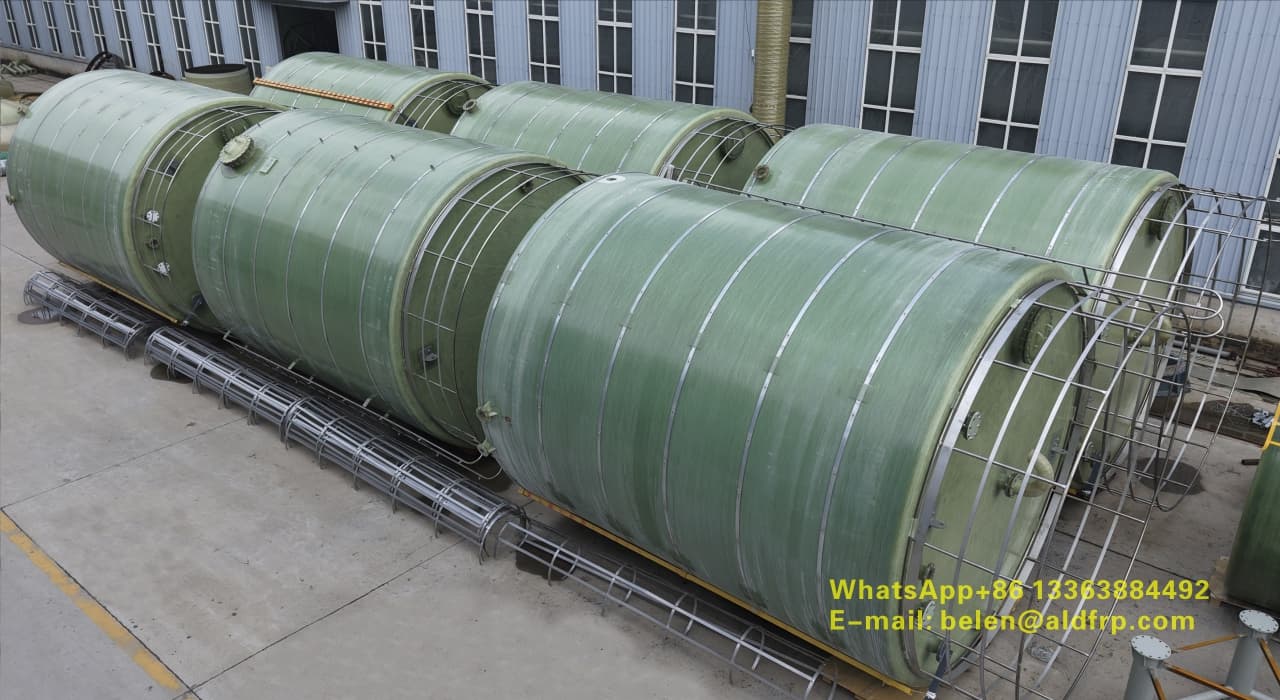
Standards dictate minimum wall thickness based on:
Tank size
Type of liquid stored
Operating pressure
Proper lamination ensures uniform strength and prevents weak spots.
Quality standards require proper curing of resin and bonding with fiberglass layers.
Incomplete curing leads to:
Reduced structural integrity
Risk of delamination
Shortened service life
Manholes, nozzles, and flanges must meet standards for:
Strength
Corrosion resistance
Leak prevention
Even small components affect overall tank performance.
Tanks are checked for surface defects, voids, cracks, or air bubbles.
Wall thickness, diameter, and height are measured to ensure compliance with design specifications.
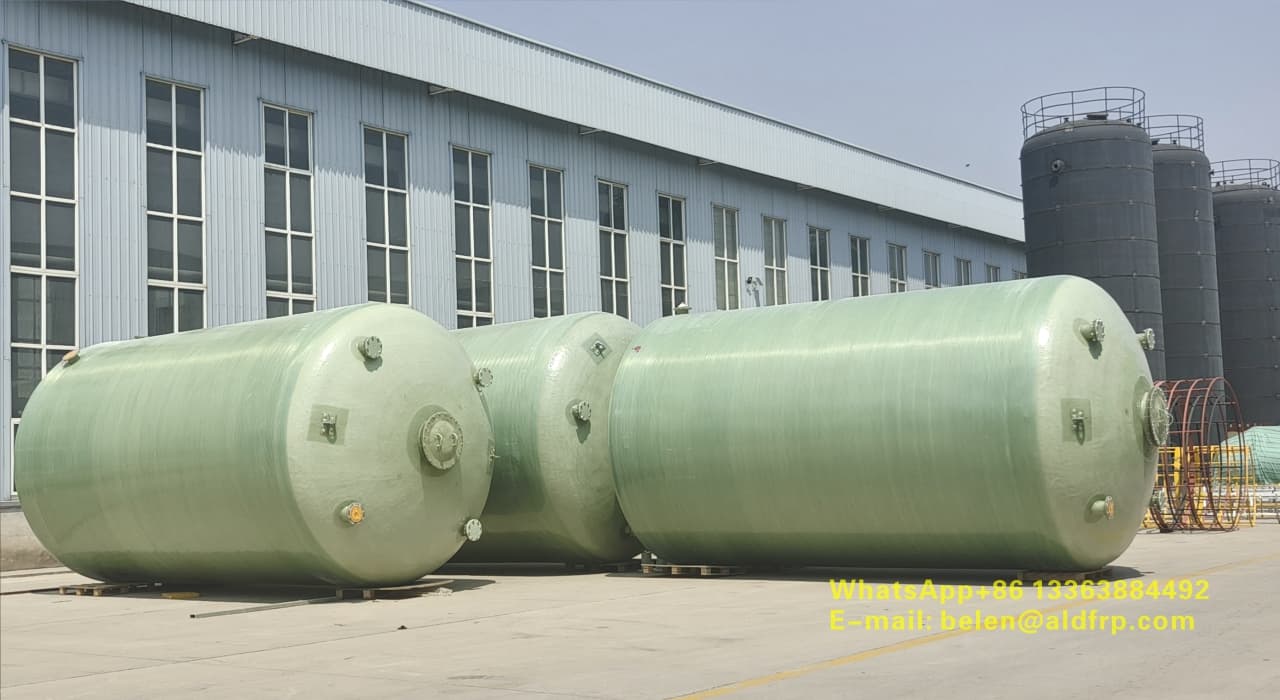
Tanks are filled or pressurized to test structural integrity. This ensures they can handle real-world operating conditions safely.
Samples or finished tanks are exposed to chemicals to confirm resin compatibility and long-term resistance.
Enhanced safety for personnel and operations
Longer service life and reduced maintenance costs
Predictable performance under chemical or mechanical stress
Compliance with local and international regulations
Clients I’ve worked with often report that tanks built to recognized FRP tank quality standards outperform others, even in harsh chemical environments.
When selecting an FRP tank supplier, consider:
Compliance with ISO, ASTM, or EN standards
Proven quality control procedures
Experience in chemical and industrial tank production
Ability to provide inspection reports and certifications
Choosing a manufacturer who strictly follows FRP tank quality standards ensures peace of mind and reduces long-term operational risks.
A chemical plant I consulted for had two options: a local FRP tank manufacturer with minimal certification, or an ISO/ASTM-compliant supplier.
Although the certified tanks were slightly more expensive, they delivered:
Zero leaks over 5 years
Minimal maintenance
Consistent performance under harsh chemical exposure
The decision to prioritize standards paid off in reliability and reduced downtime.
FRP tank quality standards are the foundation of safe, reliable, and long-lasting storage solutions.
By following international standards, ensuring material quality, verifying wall thickness, and performing rigorous testing, manufacturers can produce tanks that withstand chemical, mechanical, and environmental stresses.
For industrial applications, choosing FRP tanks that meet recognized quality standards is an investment in safety, durability, and operational efficiency.