
When it comes to industrial storage solutions, FRP tanks (Fiberglass Reinforced Plastic) are widely favored due to their strength, corrosion resistance, and long service life. However, the value of an FRP tank is heavily influenced by the FRP tank manufacturing process. Understanding how these tanks are designed and produced helps buyers select reliable suppliers and ensures long-term performance for chemical, water, or wastewater storage.
In this guide, we’ll break down the typical FRP tank manufacturing process, highlight quality control measures, and explain why proper engineering matters.
The first step in the FRP tank manufacturing process is understanding the storage requirements. This includes:
Type of liquid (water, chemicals, wastewater)
Storage capacity
Installation environment (above-ground, underground)
Pressure and mechanical load considerations
A professional manufacturer evaluates these factors to determine the optimal tank size, wall thickness, and reinforcement structure.
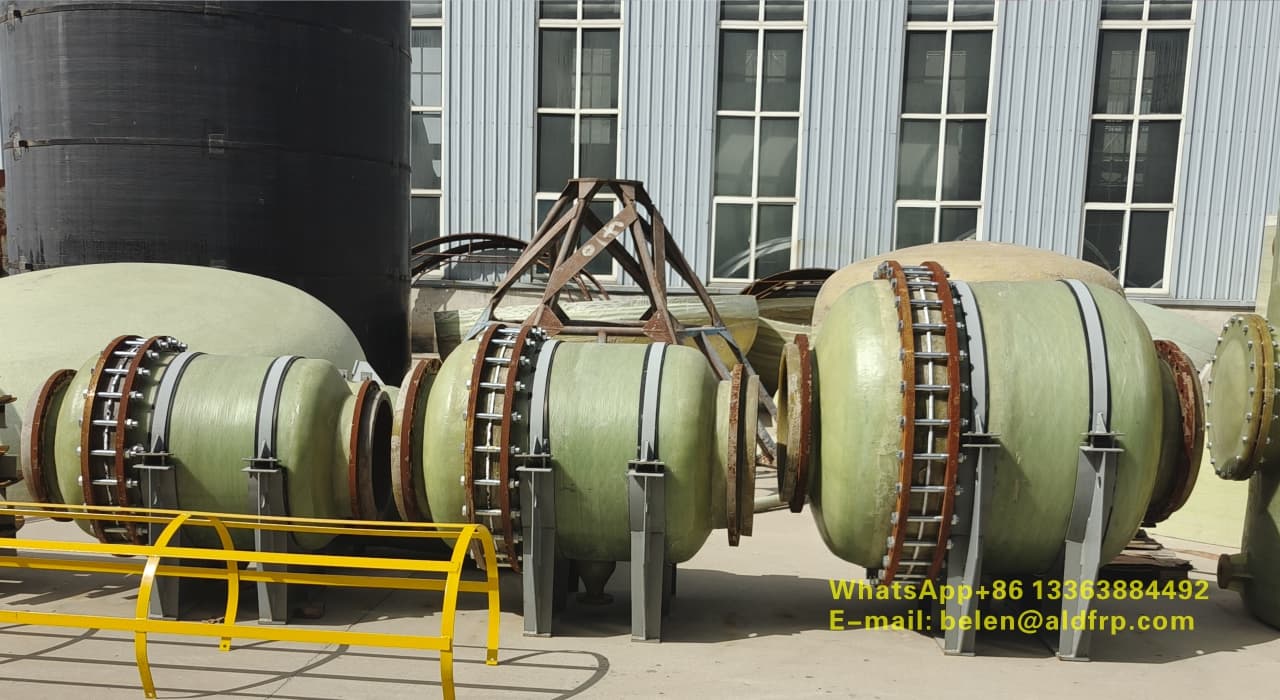
Once requirements are clear, the supplier creates detailed engineering drawings. This step ensures that the tank will:
Fit within the installation site
Handle the intended chemical load
Meet local and international standards (e.g., ISO, ASTM, CE)
Custom design is particularly important for large or complex industrial projects.
Material choice is critical to the FRP tank manufacturing process. Fiberglass reinforcement and resin type are selected based on the intended application.
Resin selection: Polyester, vinyl ester, or epoxy resins are commonly used.
Fiberglass reinforcement: Woven roving or chopped strands are applied depending on structural needs.
This combination determines corrosion resistance, mechanical strength, and durability.
Filament winding is one of the most common methods in the FRP tank manufacturing process for large-scale tanks. It involves:
Fiberglass strands are coated with resin.
The strands are wound around a rotating mandrel at precise angles.
Layers are added to achieve the required thickness and strength.
This process produces tanks with uniform wall thickness, excellent structural integrity, and resistance to internal pressure and external forces.
For smaller tanks or specialized shapes, hand lay-up may be used. Layers of resin-impregnated fiberglass are applied manually to a mold. This technique allows more flexibility in design but requires careful quality control to ensure strength and durability.
After laying or winding, the tank must cure to harden the resin and form a solid structure. Controlled curing ensures:
Proper bonding between fiberglass and resin
Uniform mechanical properties
Resistance to chemical attack
Once cured, tanks may undergo additional post-processing such as trimming, sanding, or coating to prepare for installation.
Quality control is a crucial part of the FRP tank manufacturing process, particularly for industrial and chemical applications. Key checks include:
Thickness measurement: Ensures wall meets design specifications
Leak testing: Confirms the tank is watertight
Structural integrity inspection: Verifies strength and uniformity
Raw material verification: Ensures resin and fiberglass meet standards
A rigorous quality control process guarantees that the finished tank performs reliably over decades.
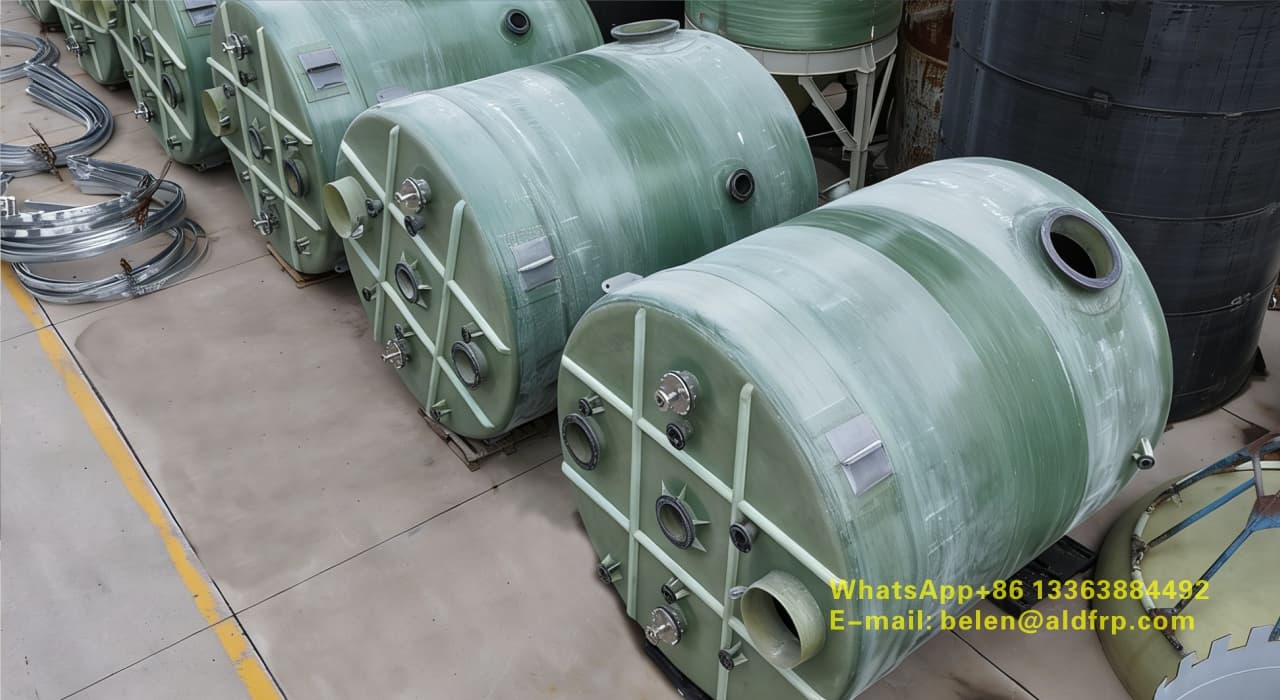
Before delivery, FRP tanks are often fitted with:
Nozzles, flanges, and manholes
Supports or saddles for above-ground installation
Reinforced bases for underground tanks
Proper preparation during the manufacturing stage simplifies on-site installation and reduces risk of damage during transportation.
FRP tanks are widely used across industries:
Chemical storage: Acids, alkalis, and industrial solvents
Water storage: Municipal, industrial, and irrigation water
Wastewater treatment: Sludge storage, effluent tanks
Rainwater harvesting: Underground or above-ground storage
The versatility of FRP tanks stems from the careful execution of the FRP tank manufacturing process, which ensures durability and chemical compatibility.
step-by-step FRP tank manufacturing process
custom FRP tank production for chemical storage
industrial fiberglass tank manufacturing guide
quality-controlled FRP tank fabrication
corrosion-resistant FRP tank manufacturing workflow
The timeline depends on tank size, design complexity, and customization. Small tanks may take a few days, while large industrial tanks can require several weeks.
Yes. The FRP tank manufacturing process allows for resin selection, fiberglass reinforcement, and wall thickness adjustment to suit the chemical or water type.
Absolutely. Tanks can be reinforced and engineered to handle soil pressure, groundwater, and other underground conditions.
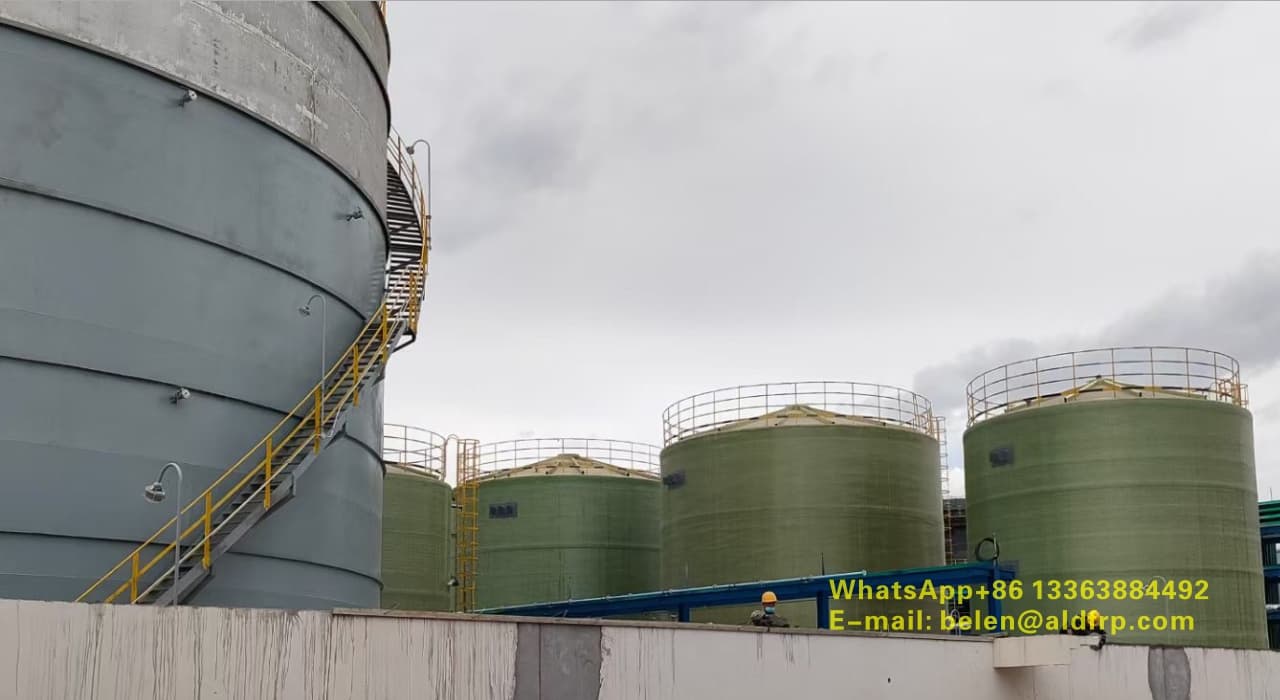
Quality is maintained through strict checks on thickness, resin bonding, leak testing, and raw material verification at every stage of the FRP tank manufacturing process.
Chemical plants, water treatment facilities, agricultural irrigation, wastewater treatment plants, and rainwater harvesting systems rely on FRP tanks due to their corrosion resistance and long lifespan.