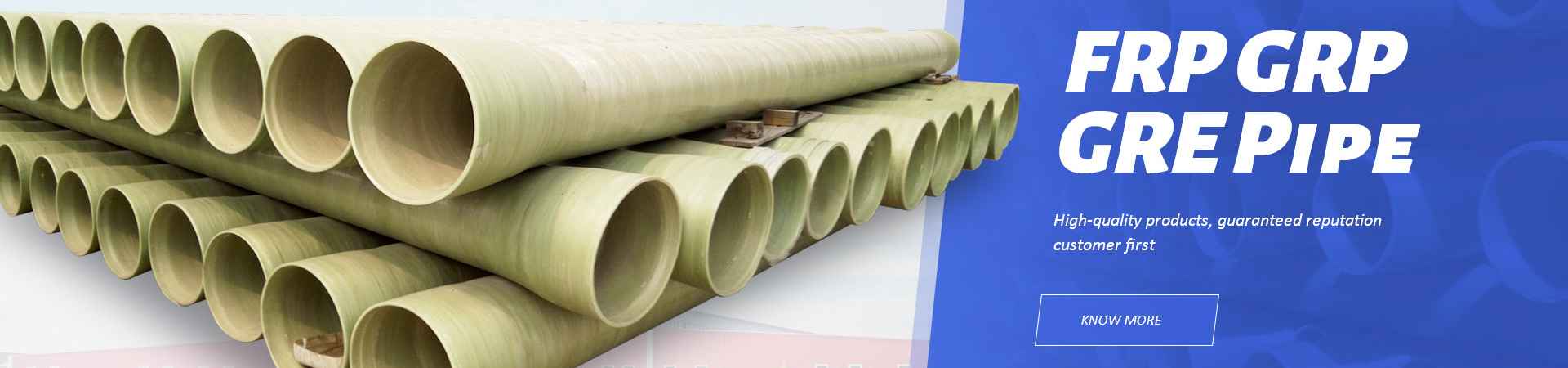

Choosing the right storage solution is critical for industries that deal with corrosive chemicals, water treatment, or agricultural liquids. Fiberglass reinforced plastic (FRP) tanks are a durable, corrosion-resistant, and cost-effective option. Selecting a trusted FRP tank manufacturer ensures safety, quality, and long-term performance.
In this article, we’ll discuss what makes a reliable FRP tank manufacturer, how FRP tanks are produced, their benefits, applications, and what to look for when sourcing tanks for industrial use.
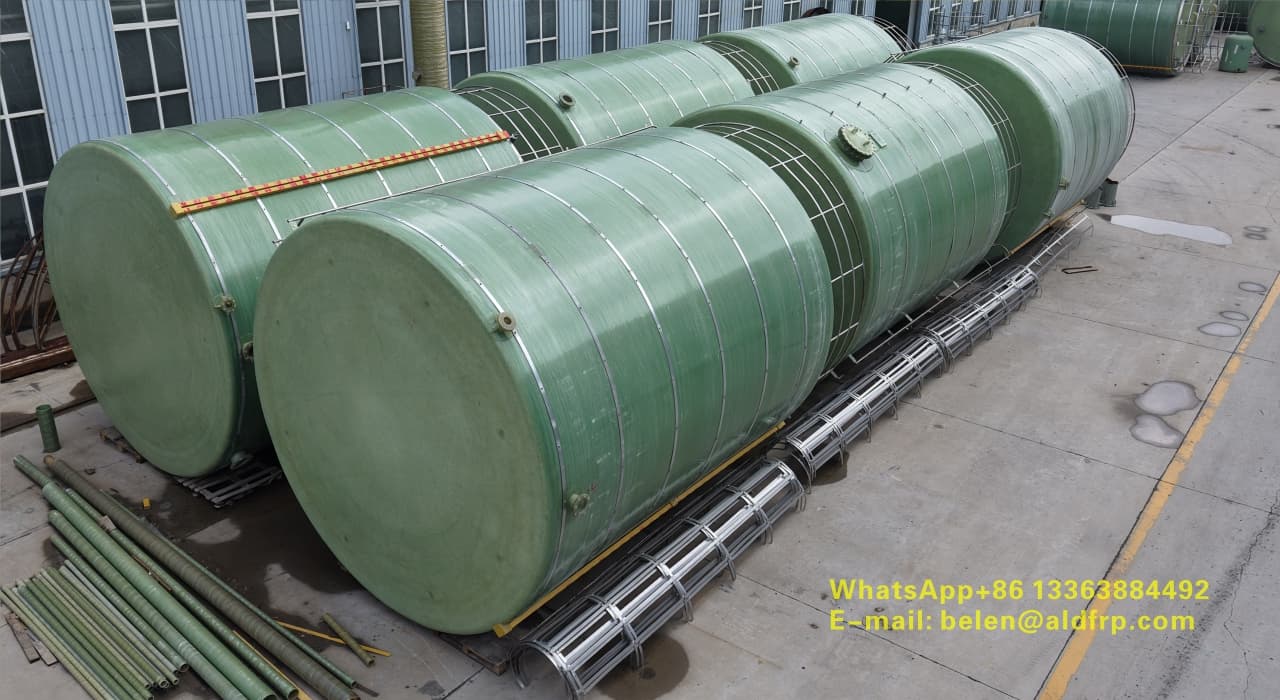
An FRP tank manufacturer is a company specializing in designing, producing, and supplying fiberglass reinforced plastic tanks. These tanks are lightweight, durable, and resistant to corrosion and chemical damage.
Leading manufacturers provide standard and custom tank solutions to accommodate various industrial needs, from chemical storage to water treatment. Their expertise ensures the tank meets operational and environmental requirements.
Working with an experienced FRP tank manufacturer brings multiple benefits:
Industrial facilities often require tanks with specific dimensions, wall thickness, or chemical resistance. Professional manufacturers can provide:
Custom tank sizes and shapes
Resin systems for chemical compatibility
Proper placement of nozzles, manholes, and flanges
Reliable manufacturers employ processes such as:
Filament winding: Ensures high structural strength and uniform wall thickness.
Hand lay-up: Provides flexibility for small or custom tanks.
Trusted FRP tank manufacturers adhere to standards such as:
ASTM D3299 for filament-wound chemical storage tanks
BS 4994 for composite vessels
ASME RTP-1 for pressure-resistant FRP equipment
High-quality manufacturers implement strict quality control, including:
Wall thickness inspections
Hydrostatic testing
Chemical compatibility and structural integrity evaluation
FRP tanks from reputable manufacturers provide distinct advantages over traditional steel or concrete tanks:
Corrosion Resistance: Safe storage of acids, alkalis, and solvents.
Long Service Life: Tanks can last 20–30 years with minimal maintenance.
Lightweight Design: Easier to transport and install.
Low Maintenance: Minimal upkeep compared to steel tanks.
Flexible Customization: Tailored for chemical plants, water treatment, and agriculture.
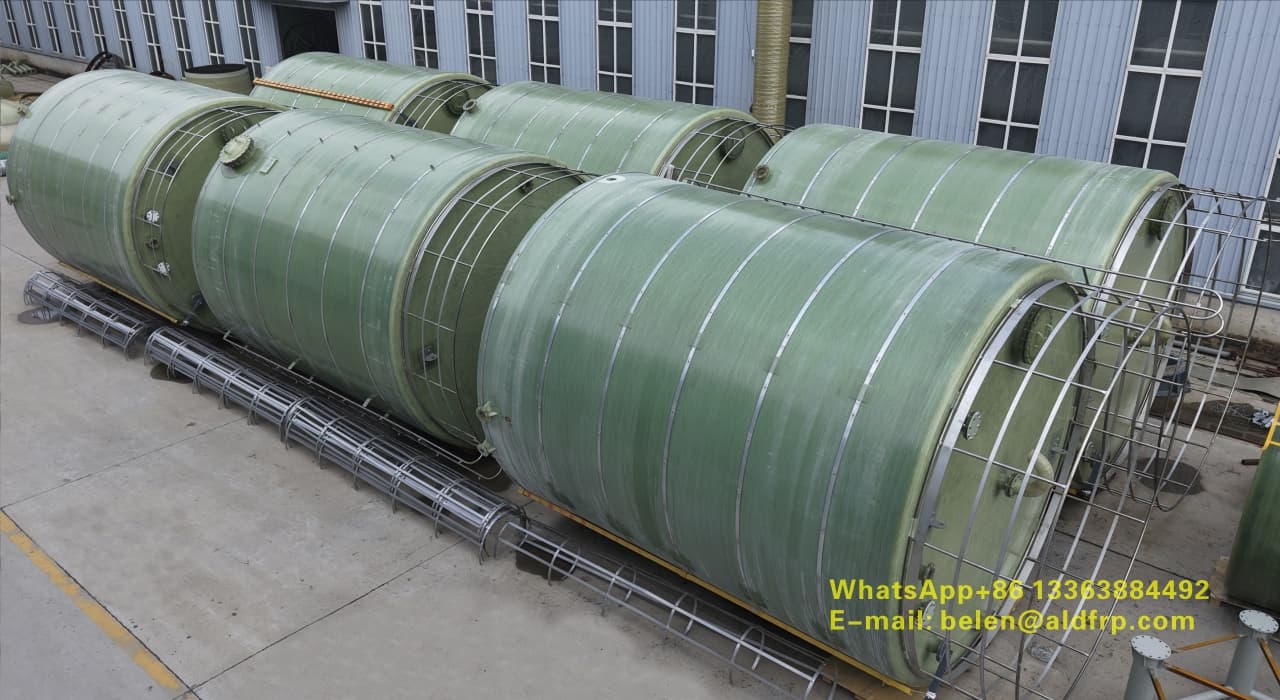
FRP tanks are versatile and widely used in various industries:
Used for acids, alkalis, and solvents, FRP tanks provide long-term corrosion protection.
Municipal and industrial facilities use FRP tanks for water, sludge, and chemical storage.
FRP tanks safely store liquid fertilizers and corrosive chemicals with minimal maintenance.
Certain FRP tanks meet hygiene standards for water and non-corrosive liquid storage in food processing.
Choosing a manufacturer requires careful evaluation:
The manufacturer should have experience designing tanks for various industrial applications and offer guidance on specifications.
Ability to provide tailored solutions, including dimensions, resin types, and wall thickness.
Certifications such as ISO 9001, ASTM, and CE ensure the tank meets quality and safety standards.
Manufacturers should provide guidance for installation, maintenance, and troubleshooting.
Ensure your selected manufacturer is trustworthy by:
Checking references and past projects
Inspecting manufacturing facilities
Requesting sample quality reports
Evaluating communication and technical support
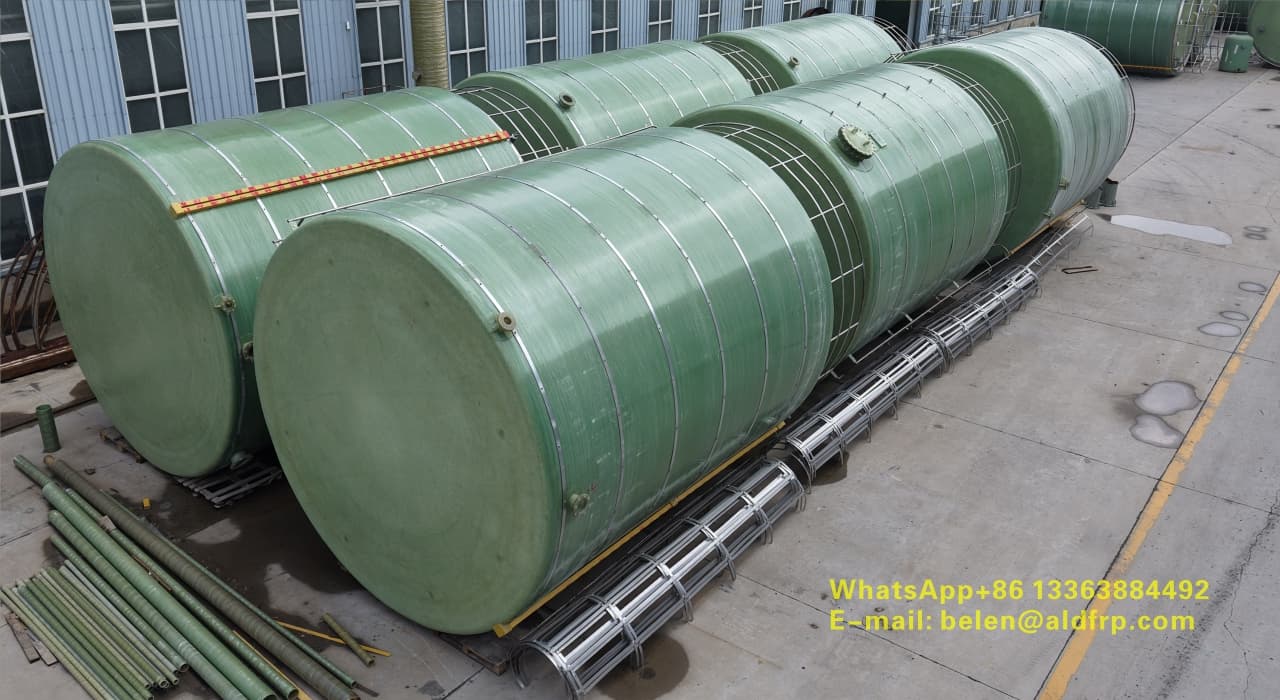
A professional FRP tank manufacturer delivers safe, durable, and customizable storage solutions for industrial needs. Their expertise ensures tanks are designed according to recognized standards, built with high-quality materials, and capable of long-term operation.
Partnering with a trusted manufacturer provides reliable, low-maintenance, and cost-effective storage solutions for chemical, water treatment, agricultural, and food processing applications. Investing in quality FRP tanks is a smart decision for industries looking to safeguard their operations and storage efficiency for decades.