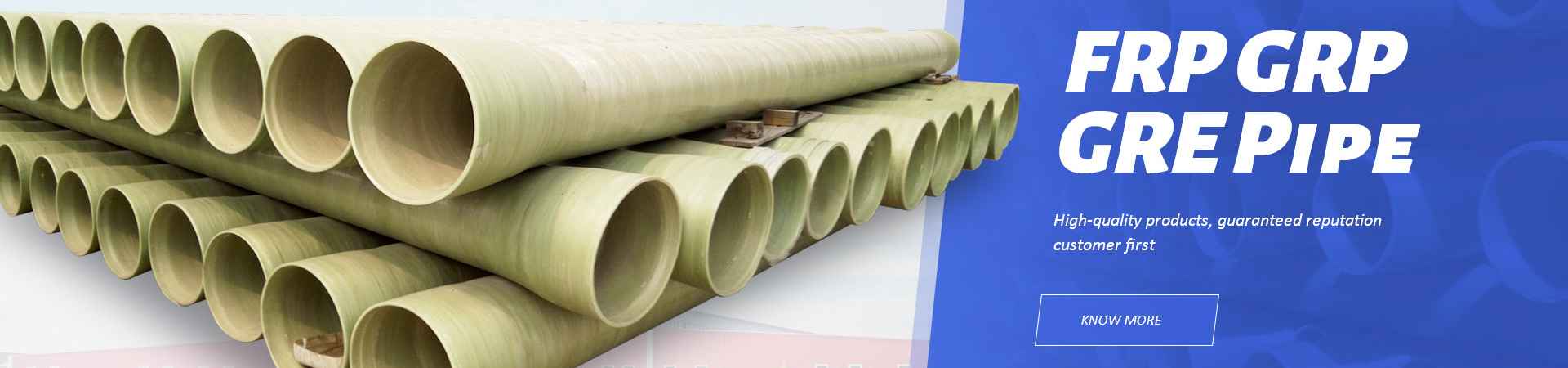

The civil engineering world is undergoing a transformation. Fiberglass rebar advantages are no longer speculative—they are measurable, documented, and shaping decisions for modern infrastructure. Traditional steel reinforcement, despite decades of widespread use, is vulnerable to corrosion in moisture-rich, chloride-laden, or chemically aggressive environments. Bridges, wastewater facilities, and chemical plants often see structural degradation within 15–25 years due to rust-induced cracking, delamination, and spalling. FRP (fiberglass reinforced polymer) rebar, on the other hand, maintains performance for over 50 years in similar conditions. Engineers no longer ask whether FRP can match steel strength—they ask whether steel can survive the environment without constant maintenance.
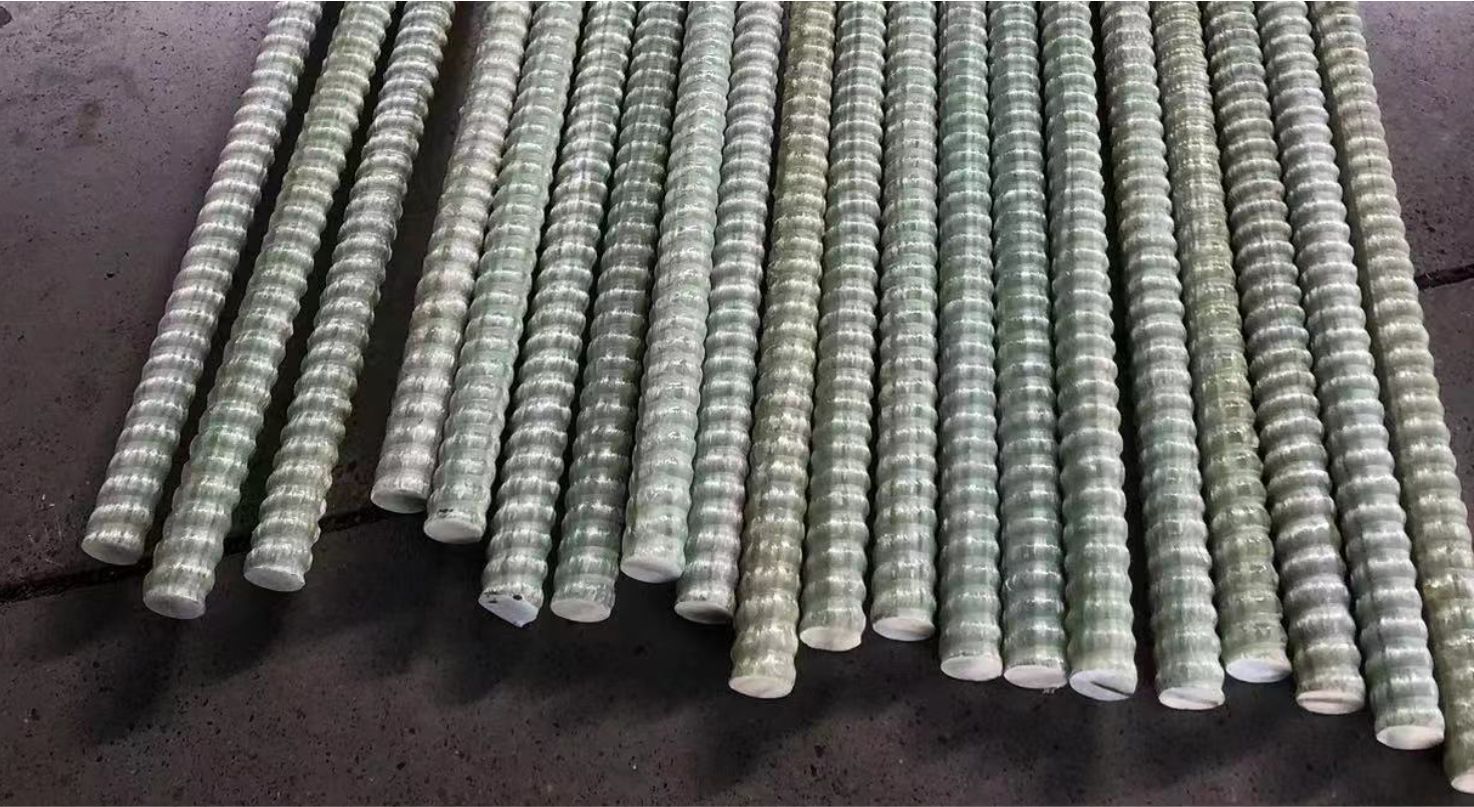
Corrosion is the silent killer of concrete structures. Steel reacts with oxygen and water, forming rust that expands internally, cracks concrete, and ultimately weakens the structure. Coastal or marine structures, exposed to saltwater or de-icing salts, may require partial replacement every 15–20 years. FRP rebar advantages lie in their complete resistance to electrochemical corrosion. Composed of glass fibers embedded in a polymer matrix, FRP does not oxidize. Field studies from Florida, the Middle East, and Japan show FRP-reinforced structures remaining intact for more than 50 years with zero corrosion-related maintenance.
By removing corrosion as a limiting factor, engineers extend inspection intervals, reduce protective coating requirements, and avoid labor-intensive repairs. This is not a minor benefit—it fundamentally shifts infrastructure planning and cost estimation. Predictable long-term performance improves safety, reduces downtime, and stabilizes operating budgets.
Fiberglass rebar weighs 65–75% less than equivalent steel, yet retains comparable tensile strength in non-prestressed applications. This reduces transportation needs, on-site handling effort, and crane load requirements. A 1,000-ton steel shipment might need 50 truckloads, whereas the same structural capacity in FRP rebar requires only 15–18. Installation time decreases by 20–30%, and worker safety improves.
However, the material’s linear-elastic behavior differs from steel’s ductile yield. While steel provides visual cues through plastic deformation before failure, FRP fails abruptly if overloaded. Engineers must factor higher safety margins, rethink load distribution, and adjust concrete cross-sections. These design adaptations are essential to capture the full benefits of fiberglass rebar.
Initial FRP costs may be 15–30% higher than steel, yet total lifecycle costs are often significantly lower. Steel-reinforced structures typically undergo 3–4 major maintenance cycles over 25 years, including coating replacement, crack repairs, and partial reconstruction. FRP structures often require zero major interventions in the same period.
A case study of a U.S. wastewater treatment plant revealed a 40% total cost saving using FRP over steel after 25 years, even when considering the higher initial investment. These savings include labor, materials, downtime, and inspections. In practice, the cheapest upfront option can become the most expensive in the long term. Predictable maintenance schedules also improve insurance risk profiles and project planning.

FRP's lower modulus of elasticity (40–50 GPa versus 200 GPa for steel) requires thoughtful design. Concrete members reinforced with FRP may exhibit higher deflections under service loads, demanding increased cross-sectional dimensions, closer rebar spacing, or hybrid reinforcement strategies.
Brittle failure behavior also necessitates careful planning in seismic regions. Hybrid FRP-steel reinforcement may be used to combine corrosion resistance with ductile energy absorption. Engineers must integrate load scenarios, material-specific properties, and safety factors into structural models. Precision in pre-fabrication is critical: bending and anchoring points must be defined before production, as on-site adjustment is extremely limited. Mistakes at this stage can be costly.
FRP contributes to sustainable infrastructure development. By reducing repair frequency and material replacement, it lowers raw material extraction, transport-related emissions, and operational disturbances. For marine structures, maintenance work is often disruptive to ecosystems; FRP eliminates these repeated interventions.
For instance, a UAE marine jetty constructed with FRP reinforcement exhibited 50% lower cumulative environmental impact over 50 years compared to a steel-reinforced alternative. Maintenance-related emissions, construction disturbance, and material waste were minimized. Sustainability is no longer optional; it is embedded in material selection.
The benefits of fiberglass rebar are most pronounced in environments where steel fails:
Marine infrastructure: seawalls, docks, offshore platforms exposed to saltwater.
Chemical facilities: wastewater plants, chemical storage areas with limited maintenance access.
Cold-region transportation: bridges, tunnels, and roads exposed to de-icing salts.
In these contexts, FRP reinforcement allows engineers to design structures with longer lifespans, predictable performance, and reduced maintenance costs. Material selection should be driven by environmental exposure and lifecycle cost, not simply by material trendiness.
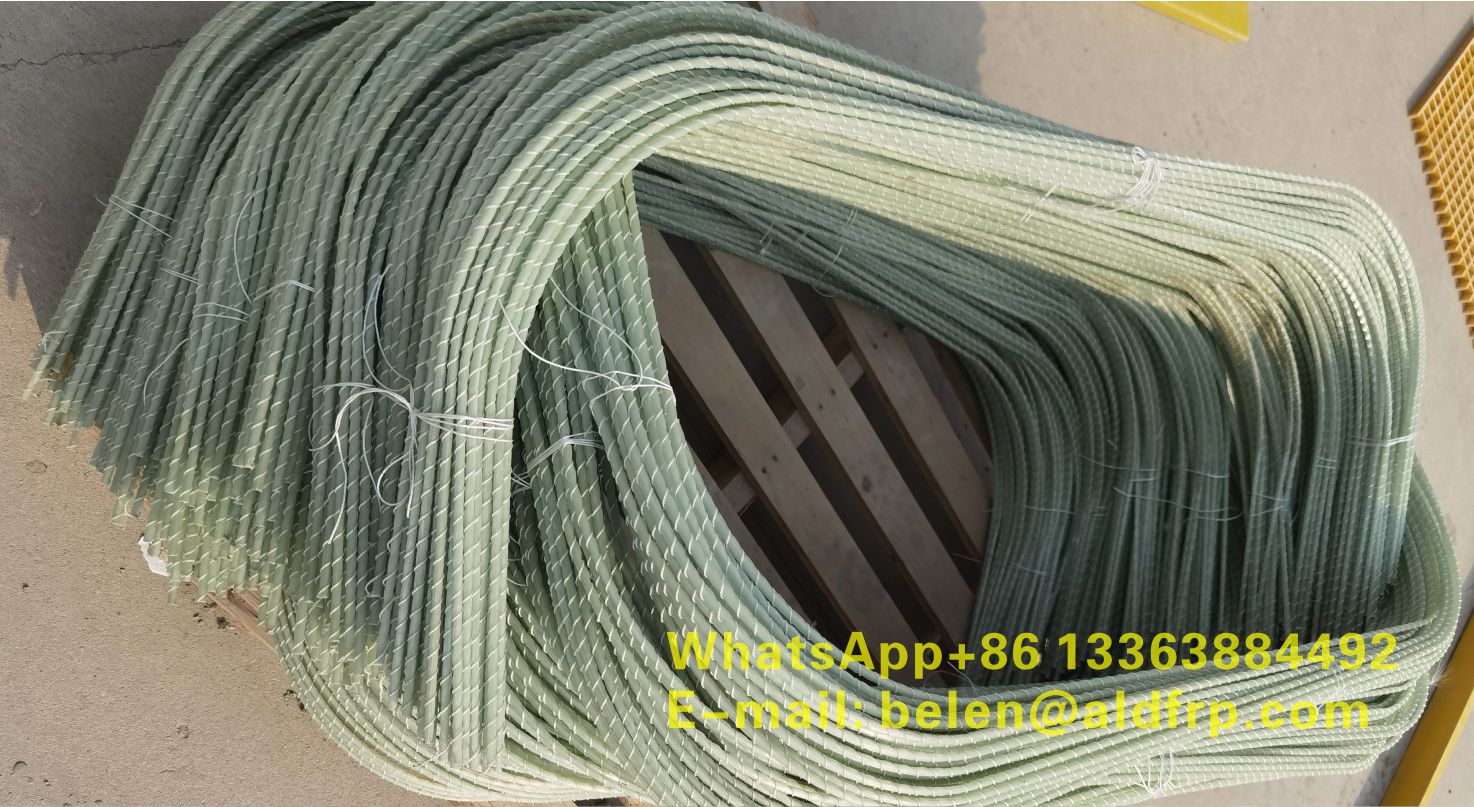
| Parameter | Steel Rebar | FRP Rebar | Notes |
|---|---|---|---|
| Service life in marine environment | 15–20 years | 50+ years | Field data from US and Middle East projects |
| Maintenance cycles (per 25 years) | 3–4 | 0–1 | Includes coating, repairs, partial replacements |
| Transportation & installation labor | Baseline | -25–30% | Due to lower weight and easier handling |
| Modulus of elasticity | 200 GPa | 40–50 GPa | Design adjustments required |
| Lifecycle cost (material + maintenance) | 100% | 60–65% | Total project expenditure comparison |
This comparison quantifies benefits of fiberglass rebar. Decisions can be made with data rather than assumptions.
Steel may corrode tomorrow—FRP keeps performing for decades.
Adopting FRP reinforcement is both an engineering and financial decision. Engineers must account for modulus, brittleness, pre-fabrication constraints, and environmental exposure. Investors consider reduced long-term maintenance, lower operational risk, and improved ROI. Projects exposed to aggressive conditions—marine, chemical, or cold climates—benefit the most.
Lifecycle cost analysis should outweigh material cost alone. Upfront FRP investment is quickly offset by lower labor, maintenance, and downtime over decades. Modern infrastructure design increasingly prioritizes longevity, maintainability, and total lifecycle cost.
Florida Coastal Bridge: 50+ years with zero corrosion, lower inspection costs, and minimal repair intervention.
Spanish Coastal Pier: 30% reduction in labor and logistics costs; load-bearing performance comparable to steel.
UAE Marine Jetty: 50% lower cumulative environmental impact over 50 years; predictable maintenance cycles.
Field evidence consistently demonstrates that FRP outperforms steel in environments where corrosion dominates lifecycle cost.
The adoption of FRP rebar is no longer optional—it is strategic. Its advantages—corrosion resistance, high strength-to-weight ratio, lifecycle cost reduction, sustainability, and predictable performance—address both engineering and financial objectives.
Successful implementation requires:
Structural design adapted for modulus and brittle behavior
Accurate pre-construction planning for geometry and anchoring
Selection based on environmental exposure and lifecycle cost, not initial price
FRP rebar advantages are measurable, documented, and actionable. Benefits of fiberglass rebar extend beyond technical performance—they influence planning, investment, and sustainability, ensuring that structures endure longer, safer, and more cost-effectively than ever before.