
For decades, steel reinforcement has dominated global construction projects because of its strength, availability, and mature engineering standards.
However, modern infrastructure now faces much harsher service environments, including:
marine corrosion
deicing salts
chemical exposure
moisture penetration
rising maintenance costs
As a result, engineers are increasingly comparing FRP rebar vs steel rebar for bridges, tunnels, coastal structures, and long-life infrastructure projects.
Unlike traditional steel reinforcement, FRP rebar offers:
excellent corrosion resistance
lightweight handling
high tensile strength
non-conductive performance
lower long-term maintenance requirements
At the same time, steel rebars still remain important in many conventional structural applications.
So which material is better?
The answer depends on:
project environment
service life expectations
lifecycle cost
structural design requirements
maintenance strategy
This guide compares FRP rebar vs steel rebar from the perspectives of performance, applications, durability, cost, and long-term engineering value.
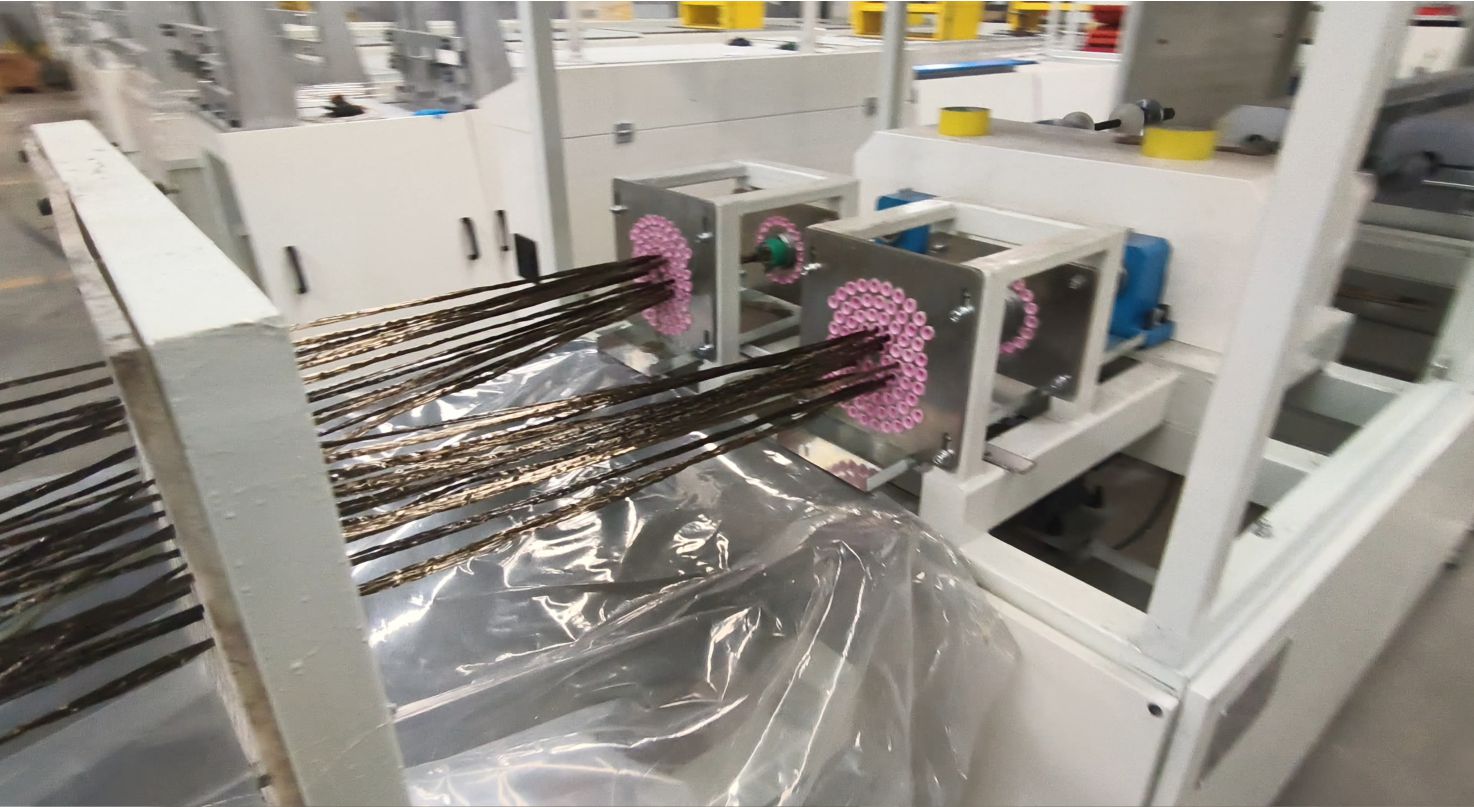
FRP rebar (Fiber Reinforced Polymer rebar) is a composite reinforcement material manufactured from:
fiberglass, basalt fiber, or carbon fiber
thermosetting resin systems
surface treatment materials
Unlike steel:
FRP rebars do not rust or corrode.
Common FRP reinforcement types include:
GFRP (Glass Fiber Reinforced Polymer)
BFRP (Basalt Fiber Reinforced Polymer)
CFRP (Carbon Fiber Reinforced Polymer)
Among them, GFRP is currently the most widely used in infrastructure and civil engineering.
Steel rebar is a traditional reinforcement material made from carbon steel.
It is widely used because of:
strong structural performance
mature design standards
high ductility
global supply availability
Steel reinforcement is commonly found in:
buildings
bridges
highways
tunnels
industrial foundations
However, the biggest weakness of steel reinforcement remains:
corrosion.
Once moisture and chlorides penetrate concrete, steel may begin rusting internally, eventually causing:
concrete cracking
spalling
structural weakening
expensive repair work
Steel is highly vulnerable to:
water exposure
chloride attack
salt environments
chemical corrosion
Over time, corrosion expands inside concrete and damages structural integrity.
FRP rebar provides excellent resistance against:
corrosion
seawater
chemicals
alkali environments
moisture penetration
This is one of the biggest advantages of FRP vs steel rebar.
marine structures
coastal bridges
chemical plants
wastewater systems
underground infrastructure
In aggressive environments, FRP rebar often provides much longer service life.
Steel reinforcement is heavy, which increases:
transportation cost
labor requirements
installation difficulty
FRP rebars are typically about 70–75% lighter than steel.
Advantages include:
easier handling
lower shipping cost
faster installation
reduced labor intensity
This becomes especially important in:
remote infrastructure projects
bridge construction
elevated structures
Lightweight performance is a major advantage in the FRP rebar vs steel rebar comparison.
Steel offers:
balanced structural behavior
high ductility
reliable performance under load
FRP rebars often provide:
higher tensile strength than steel by weight.
However, FRP behaves differently because it has:
lower elastic modulus
different deformation characteristics
This means structural design must follow FRP engineering standards.
Steel is:
electrically conductive
magnetically active
This may interfere with sensitive facilities.
FRP is:
✔ non-conductive
✔ non-magnetic
✔ electrically insulating
Important applications include:
MRI rooms
hospitals
laboratories
subway systems
power facilities
Steel transfers heat rapidly.
FRP has much lower thermal conductivity, which may improve:
thermal insulation
energy efficiency
temperature stability in some structures
Steel corrosion may eventually lead to:
concrete cracking
reinforcement expansion
structural maintenance shutdowns
costly repairs
Infrastructure in marine or chloride environments often requires:
protective coatings
regular inspections
long-term repair programs
FRP rebar offers:
corrosion resistance
chemical stability
moisture resistance
low maintenance requirements
This may significantly extend the lifespan of:
bridges
tunnels
seawalls
ports
coastal highways
Long-term durability is one of the strongest advantages of FRP vs steel rebar.
Steel usually has:
✔ lower upfront purchase cost
FRP rebars generally have:
❌ higher initial material cost
because of:
composite materials
resin systems
specialized manufacturing technology
Although FRP may cost more initially, long-term infrastructure economics can be very different.
In corrosive environments, FRP rebar may reduce:
maintenance frequency
repair cost
downtime
replacement expenses
This is why many engineers now evaluate lifecycle cost, not just initial material price.
Advantages:
familiar construction methods
easy field bending
mature contractor experience
Limitations:
heavy transportation
higher labor demand
corrosion protection requirements
Advantages:
lightweight transportation
easier handling
faster installation
Challenges:
different cutting methods
limited field bending capability
specialized engineering standards
Steel remains suitable for:
residential buildings
standard commercial construction
low-corrosion environments
conventional reinforced concrete projects
FRP reinforcement performs especially well in:
Saltwater environments rapidly corrode steel.
Long-term durability reduces maintenance cost.
FRP resists chemical attack better than steel.
Non-conductive properties improve safety.
Reduced chloride corrosion extends service life.
Modern infrastructure increasingly prioritizes:
sustainability
maintenance reduction
long-life structures
Steel production and repair often involve:
high energy consumption
corrosion protection systems
repeated maintenance cycles
FRP may help reduce:
maintenance frequency
replacement cycles
infrastructure downtime
lifecycle environmental impact
Not true.
Steel and FRP each have suitable engineering applications.
Incorrect.
Many FRP rebars provide very high tensile strength.
Initial cost may be higher, but lifecycle cost can be lower in aggressive environments.
Global infrastructure increasingly demands:
corrosion-resistant reinforcement
low-maintenance structures
longer service life
sustainable engineering materials
As a result, global demand for FRP rebar continues growing in:
marine infrastructure
transportation projects
bridges
coastal engineering
smart city construction
| Property | FRP Rebar | Steel Rebar |
|---|---|---|
| Corrosion Resistance | Excellent | Poor in harsh environments |
| Weight | Very light | Heavy |
| Tensile Strength | High | High |
| Electrical Conductivity | Non-conductive | Conductive |
| Magnetic Interference | None | Present |
| Maintenance Requirement | Low | Higher |
| Initial Cost | Higher | Lower |
| Lifecycle Cost | Lower in corrosive environments | Higher in corrosive environments |
| Durability | Excellent in aggressive environments | Corrosion-sensitive |
The discussion of FRP rebar vs steel rebar is not simply about which material is universally better.
The real question is:
which reinforcement material performs better in a specific engineering environment.
Steel rebars remain effective for many conventional construction projects because of:
lower initial cost
mature construction standards
widespread industry familiarity
However, FRP rebars provide major advantages in:
✔ corrosion resistance
✔ lightweight installation
✔ chemical durability
✔ non-conductive performance
✔ lower long-term maintenance cost
As modern infrastructure increasingly focuses on:
lifecycle performance
sustainability
durability
corrosion prevention
FRP reinforcement materials are expected to play an increasingly important role in the future of global construction and infrastructure engineering.