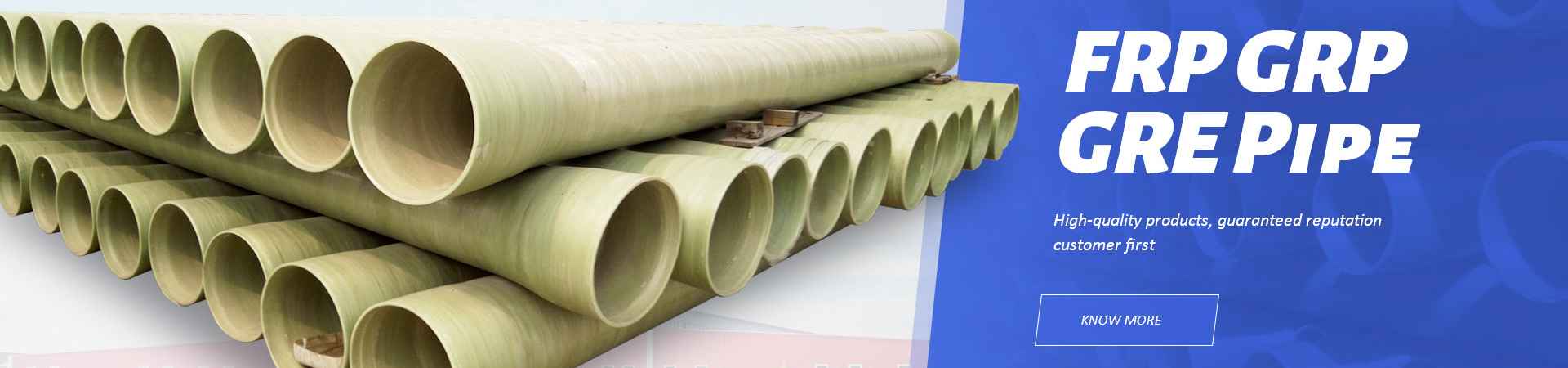

Underground storage solutions play a critical role in industries like chemical processing, water treatment, agriculture, and fuel storage. Traditional steel or concrete tanks often face challenges such as corrosion, cracking, and costly maintenance. That’s where FRP underground tanks come in. Made from fiberglass reinforced plastic, these tanks combine strength, corrosion resistance, and design flexibility, making them an ideal choice for long-term storage.
In this article, we explore the advantages, manufacturing processes, applications, and selection criteria for FRP underground tanks, helping you make informed decisions for your industrial storage needs.
An FRP underground tank is a storage container designed to be installed below ground level. Constructed with layers of fiberglass reinforced plastic, these tanks resist corrosion from soil, groundwater, and stored chemicals. Unlike steel tanks, FRP underground tanks do not rust or require frequent lining replacements, making them highly durable.
These tanks are used to store:
Chemicals and acids
Water and wastewater
Fuel and petroleum products
Agricultural fertilizers
Industrial process liquids
FRP underground tanks can be customized in diameter, height, wall thickness, and resin type to suit specific project requirements.
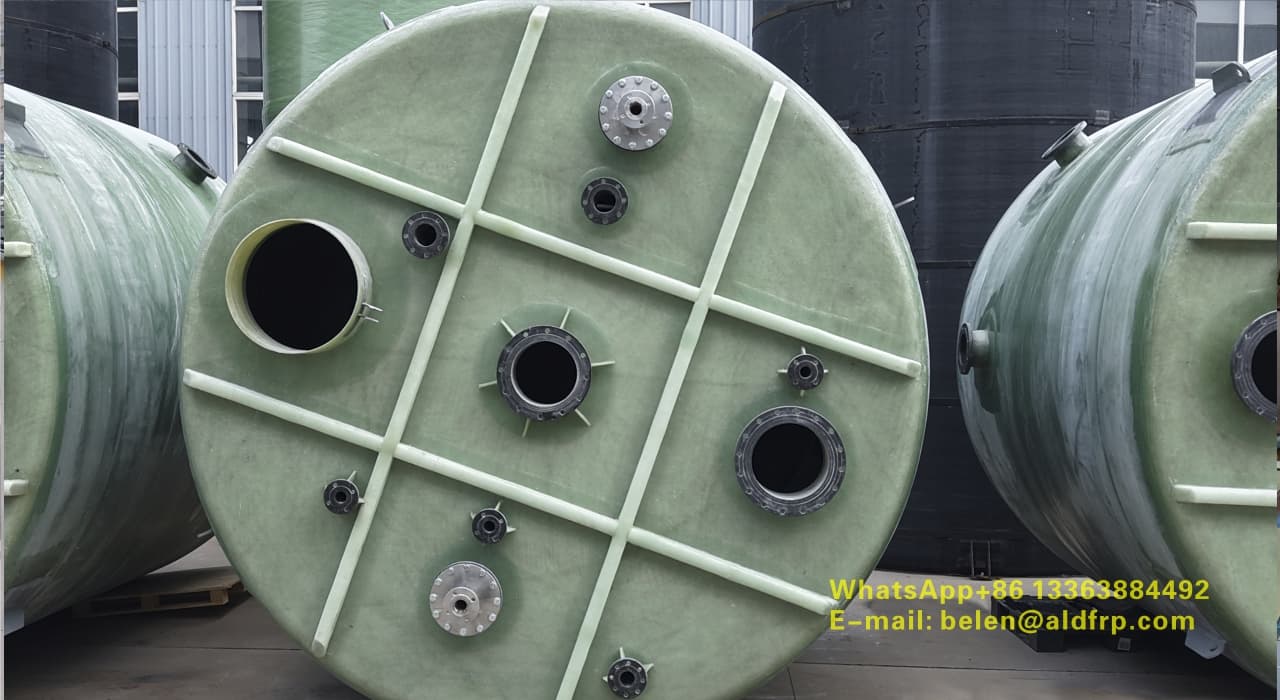
One of the most important benefits of an FRP underground tank is its corrosion resistance. The fiberglass and resin composite prevents chemical or soil-induced deterioration, ensuring the tank maintains its structural integrity for decades.
FRP underground tanks can last 20–30 years or more with minimal maintenance. Their resistance to chemical and environmental stress reduces the risk of leaks, cracks, or failures compared to traditional steel or concrete tanks.
Fiberglass construction makes these tanks lighter than steel or concrete alternatives. Lighter tanks are easier to transport and install, often reducing labor and equipment costs.
Once installed, FRP underground tanks require little maintenance. There is no need for repainting, anti-corrosion coating, or frequent inspections typical of metal tanks.
Professional manufacturers can provide FRP underground tanks with:
Custom dimensions and shapes
Chemical-resistant resin layers
Reinforced walls for high-pressure environments
Manholes, nozzles, and flanges as per operational needs
Most industrial FRP underground tanks are produced using the filament winding process. Fiberglass filaments are coated with resin and wound around a rotating mold to create a consistent, strong wall structure. Layer angles are designed to provide optimal resistance to internal pressure and external soil forces.
For small or customized tanks, manufacturers may use the hand lay-up method, applying fiberglass mats and resin manually. This process is more flexible for complex shapes but less efficient for large-scale production.
After the fiberglass layers are applied, tanks undergo curing to harden the resin. Once cured, components such as manholes, flanges, and lifting lugs are added, and the tank is ready for underground installation.
FRP underground tanks are widely used in chemical plants to store acids, alkalis, and solvents. Their corrosion resistance ensures long-term storage without degradation.
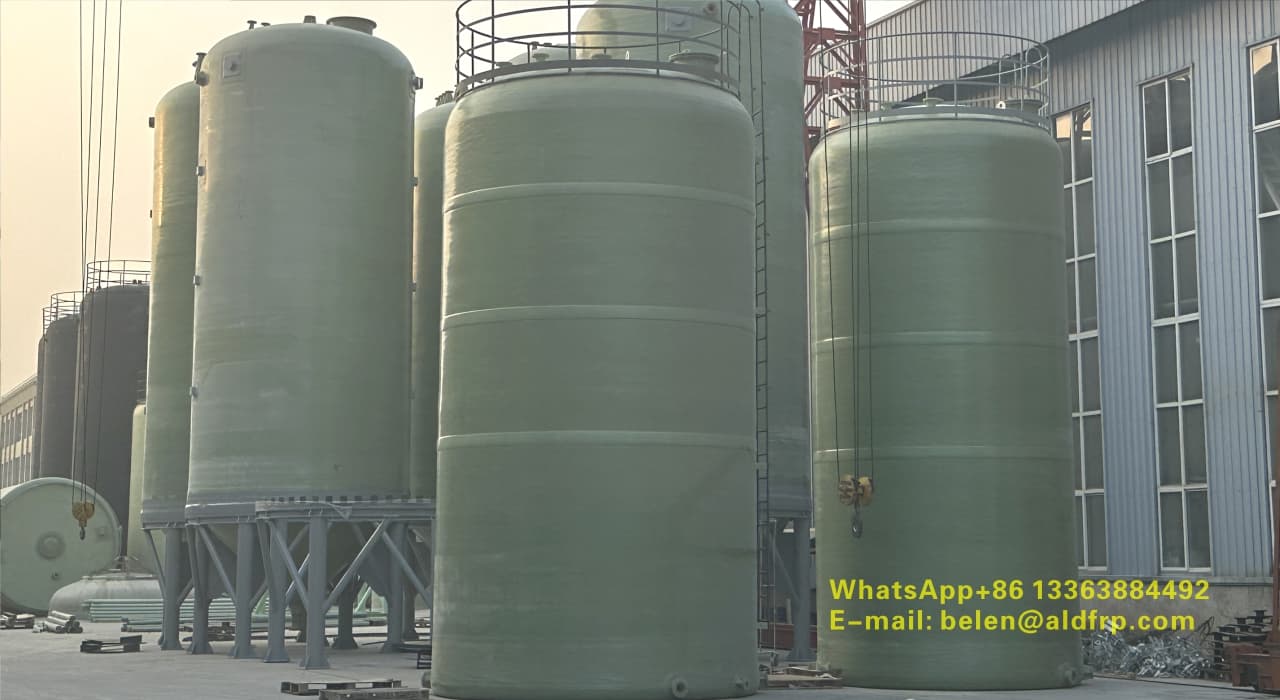
Municipal and industrial water treatment facilities use FRP underground tanks for storing water, sludge, and treatment chemicals safely.
Liquid fertilizers and agricultural chemicals are corrosive, making FRP underground tanks a safe and durable storage solution.
FRP underground tanks provide leak-proof, corrosion-resistant storage for diesel, gasoline, and other petroleum products in industrial and commercial settings.
Choosing the right FRP underground tank requires consideration of several factors:
Chemical Compatibility: Ensure the resin system matches stored liquids. Vinyl ester resin is ideal for highly corrosive chemicals.
Tank Size and Capacity: Determine the required storage volume and consider installation space constraints.
Soil and Environmental Conditions: Account for groundwater pressure, soil type, temperature variations, and potential seismic activity.
Quality Certification: Look for ISO, ASTM, or CE certified tanks for guaranteed quality and compliance.
Customization Needs: Select tanks with appropriate wall thickness, reinforcements, and access ports for operational efficiency.
Partnering with a reputable FRP tank manufacturer ensures:
Compliance with international standards (ASTM D3299, BS 4994, ASME RTP-1)
Expert guidance on tank design, resin selection, and installation
High-quality materials and advanced manufacturing methods
Long-term after-sales support and maintenance recommendations
corrosion-resistant FRP underground tank for chemicals
custom fiberglass underground storage tank solutions
industrial FRP underground tank for water treatment
high-strength FRP tank for underground installation
durable FRP tank manufacturer for corrosive liquids
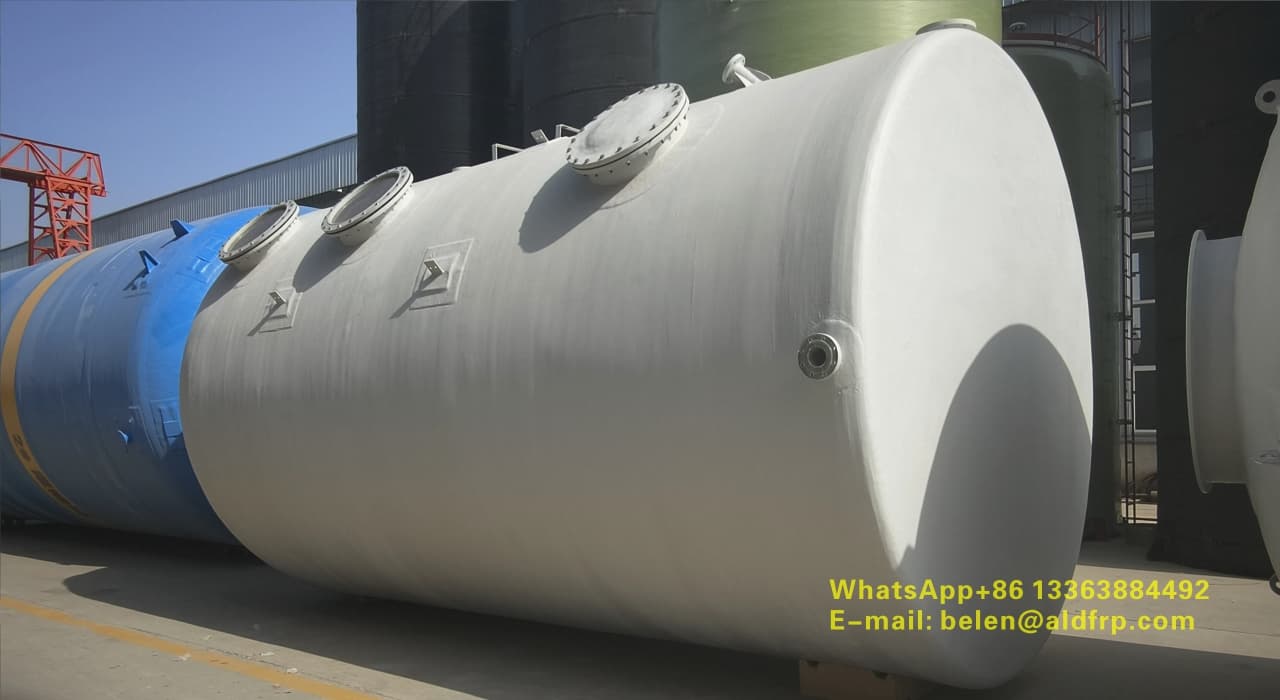
FRP underground tanks offer a durable, corrosion-resistant, and low-maintenance solution for industrial, chemical, water treatment, and agricultural applications. With proper design, material selection, and installation, these tanks provide decades of reliable storage. Choosing a professional FRP tank manufacturer ensures tanks meet international standards, are customized to project requirements, and deliver long-term operational efficiency.
Investing in high-quality FRP underground tanks protects your facility, reduces maintenance costs, and ensures safe storage for corrosive or sensitive liquids.