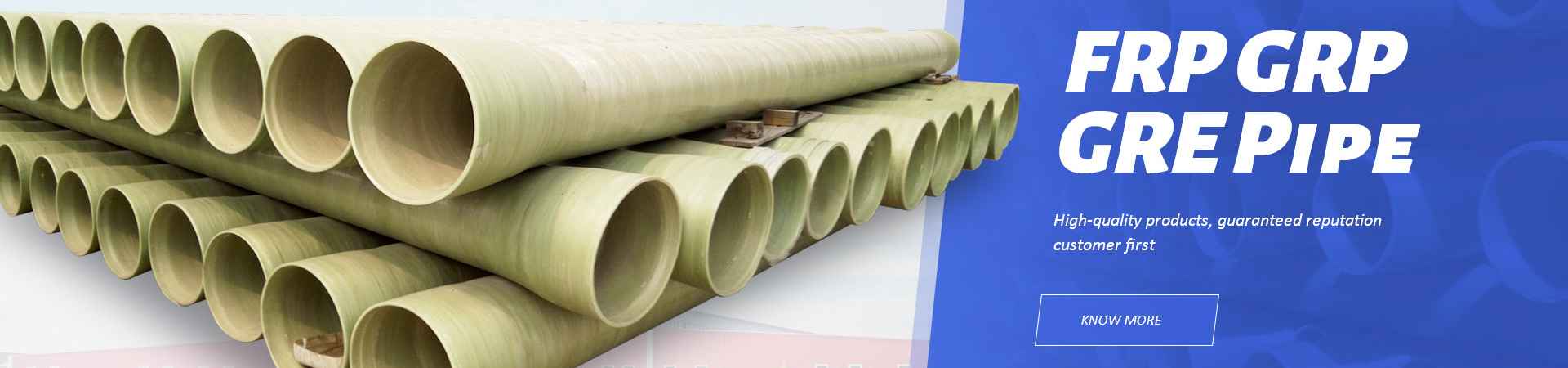

Storing acids safely is one of the most critical challenges in chemical, industrial, and agricultural facilities. Traditional storage tanks, such as steel or concrete, are prone to corrosion, leaks, and structural damage when exposed to strong acids. This is why a FRP tank for acid storage has become an essential solution for modern industrial operations. Fiberglass reinforced plastic (FRP) tanks offer superior chemical resistance, long lifespan, and customizable designs tailored to your facility’s needs.
In this article, we will explore the advantages, manufacturing process, applications, and selection criteria for FRP tanks designed specifically for acid storage.
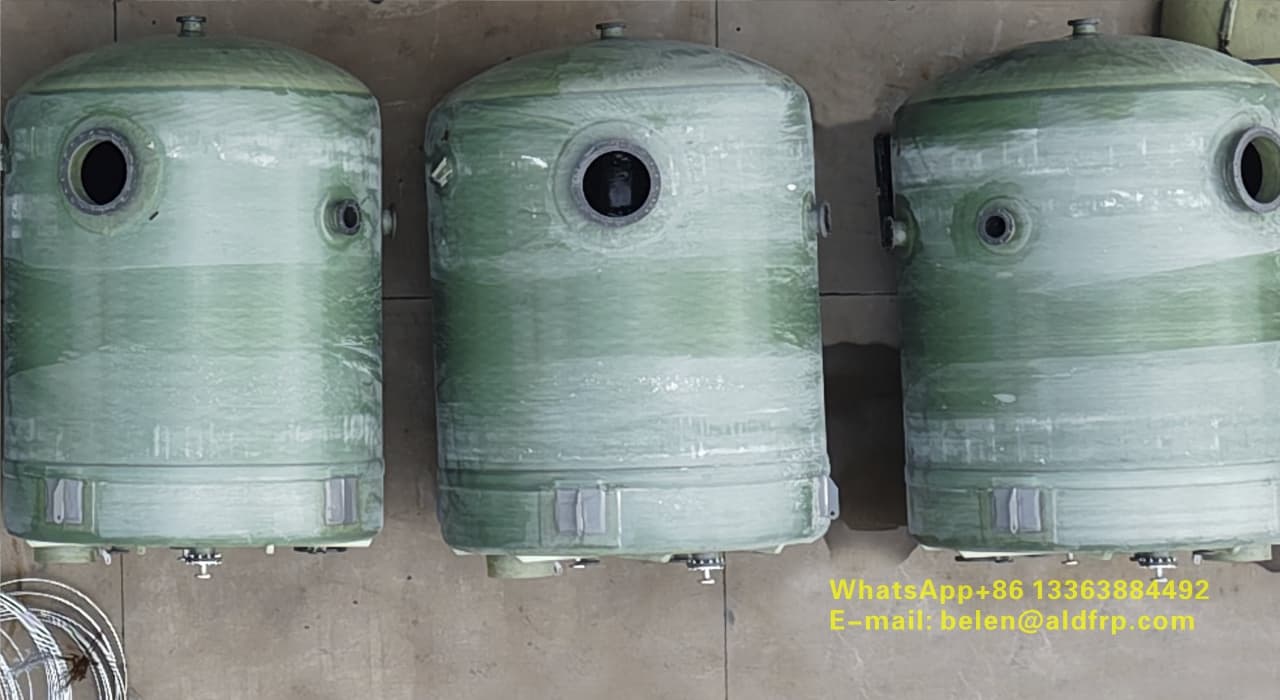
An FRP tank for acid storage is made from fiberglass reinforced plastic, a composite material combining glass fibers and chemical-resistant resin. The fiberglass provides structural strength, while the resin forms a protective barrier against corrosive liquids.
These tanks are engineered to store a wide range of acids, including:
Sulfuric acid
Hydrochloric acid
Nitric acid
Phosphoric acid
FRP tanks maintain structural integrity even under prolonged exposure to highly corrosive chemicals, unlike steel tanks, which can quickly corrode or require frequent lining replacements.
The primary advantage of an FRP tank for acid storage is its resistance to corrosion. The resin coating prevents the fiberglass structure from being damaged by strong acids, ensuring safe and long-term storage.
FRP tanks can last 20–30 years or more when properly maintained. Their resistance to chemical and environmental stress minimizes the risk of leaks, structural failure, or contamination.
Compared to steel or concrete tanks, FRP tanks are much lighter, which simplifies transport and installation. This can reduce labor costs and the need for heavy lifting equipment.
FRP tanks require minimal maintenance. There’s no need for frequent anti-corrosion treatments, repainting, or lining replacement, which is often necessary for steel tanks in acid storage applications.
Professional manufacturers offer customizable FRP tanks for acid storage, including:
Diameter, height, and wall thickness adjustments
Chemical-resistant resin selection for specific acids
Placement of nozzles, flanges, and manholes according to operational needs
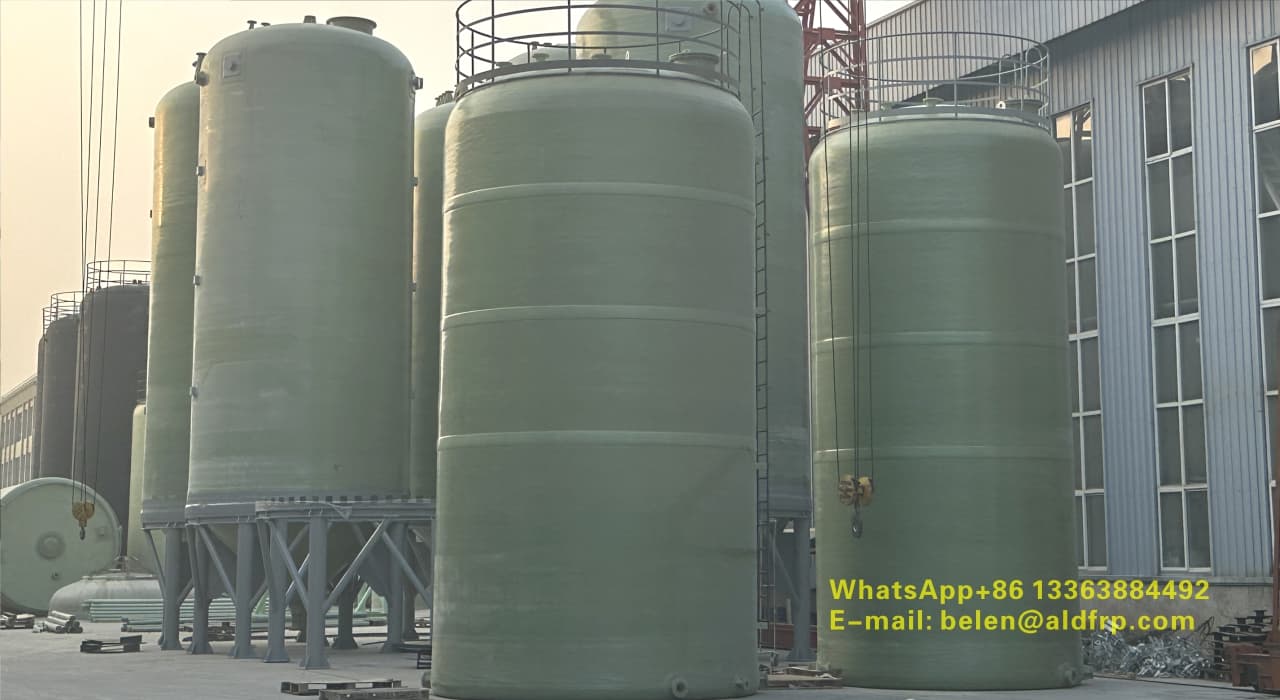
Most high-quality FRP acid storage tanks are produced using the filament winding process. Fiberglass filaments are coated with resin and wound around a rotating mold in precise angles to achieve optimal structural strength and pressure resistance. Layer by layer, the tank wall is built to meet design specifications.
This method ensures:
Uniform wall thickness
High structural integrity
Resistance to internal pressure and chemical attack
For smaller or custom-shaped tanks, the hand lay-up method is used. Layers of fiberglass mats are manually applied and saturated with resin on the mold. While slower, this method allows for highly customized designs.
After application, the resin cures to form a hard, durable composite. Tanks are then fitted with essential components, such as:
Manholes
Flanges
Lifting lugs
This ensures the tank is ready for safe and efficient acid storage.
FRP tanks are widely used in chemical plants to store sulfuric acid, hydrochloric acid, and other corrosive chemicals. Their corrosion resistance protects both the stored acid and the surrounding environment.
Certain acids, like hydrochloric acid, are used in water treatment processes. FRP tanks provide safe and durable storage for these chemicals, preventing leaks and contamination.
Sulfuric and phosphoric acids are essential in fertilizer manufacturing. FRP tanks allow for large-scale, safe storage of these chemicals without risk of corrosion-related failures.
Smaller FRP acid storage tanks are used in laboratories, pilot plants, and industrial facilities where precise and safe storage of acids is required.
Choosing the right FRP tank for acid storage involves careful consideration of:
Chemical Compatibility: Ensure the resin type is suitable for the specific acid concentration and temperature. Vinyl ester resin is often preferred for highly corrosive acids.
Tank Capacity and Dimensions: Select the size and volume to meet your operational requirements.
Installation Environment: Consider temperature, soil conditions (for underground tanks), and potential pressure or seismic load.
Quality Certification: Look for ISO 9001, ASTM, or CE certifications to guarantee safe and reliable performance.
Customization Needs: Ensure the tank can be customized for wall thickness, reinforcements, nozzles, and flanges.
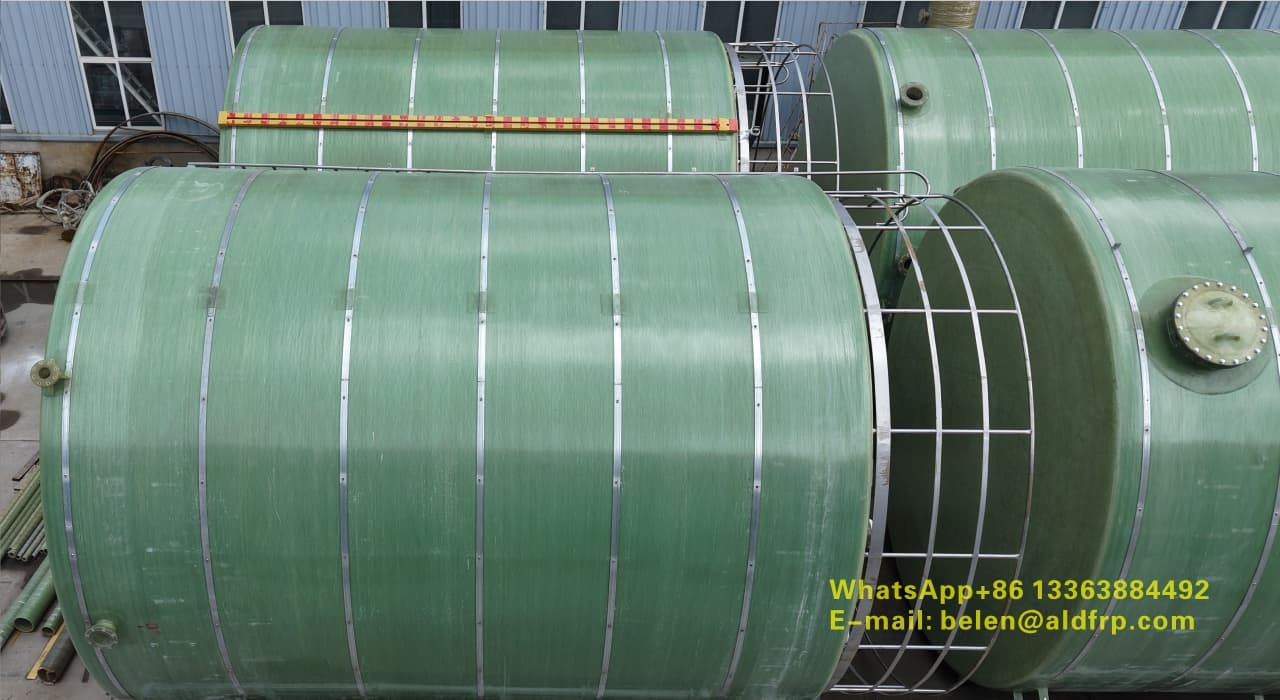
A trusted FRP tank manufacturer ensures:
Compliance with international standards for acid storage tanks
Expert guidance on resin selection, tank design, and installation
High-quality manufacturing processes like filament winding
Long-term after-sales support for maintenance and troubleshooting
corrosion-resistant FRP tank for acid storage
custom fiberglass acid storage tank solutions
industrial FRP tank for sulfuric acid
durable FRP tank for hydrochloric acid storage
professional FRP tank manufacturer for corrosive liquids
FRP tanks for acid storage offer a safe, durable, and low-maintenance solution for industrial, chemical, and agricultural applications. With corrosion resistance, long service life, and customizable designs, these tanks outperform traditional steel or concrete tanks in handling highly corrosive acids.
Partnering with a professional FRP tank manufacturer ensures tanks meet international standards, are tailored to your operational needs, and provide decades of reliable storage. Investing in a high-quality FRP acid storage tank safeguards your facility, reduces maintenance costs, and ensures safe chemical handling.