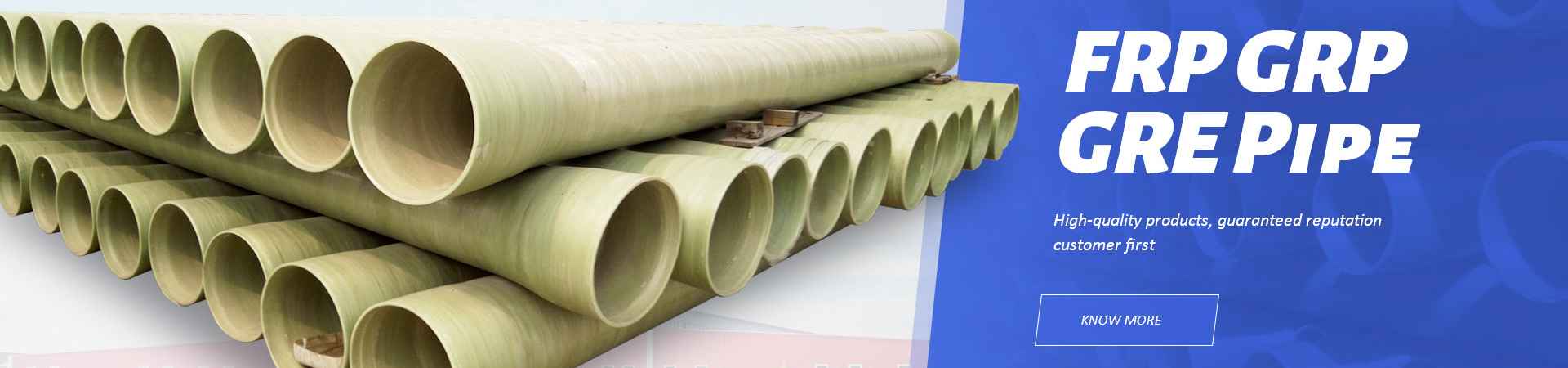

When industrial facilities need to store liquids safely and efficiently, off-the-shelf solutions are often insufficient. That’s where a custom fiberglass storage tank comes in. Unlike standard tanks, these storage systems are designed specifically for your operational needs, offering superior chemical resistance, durability, and flexibility.
Fiberglass reinforced plastic (FRP) tanks have become a preferred choice in industries such as chemical processing, water treatment, agriculture, and wastewater management. They combine strength, corrosion resistance, and customizable design, making them an excellent investment for long-term operational efficiency.
In this article, we’ll explore the advantages of custom fiberglass storage tanks, how they are manufactured, their applications, and key considerations for selecting the right manufacturer.
A major benefit of choosing a custom fiberglass storage tank is the ability to tailor the tank to exact requirements. Manufacturers can design tanks based on:
Required capacity and dimensions
Chemical compatibility
Installation environment (above-ground, underground, or enclosed space)
Special features such as manholes, flanges, or nozzles
This ensures that the tank is optimized for both safety and performance.
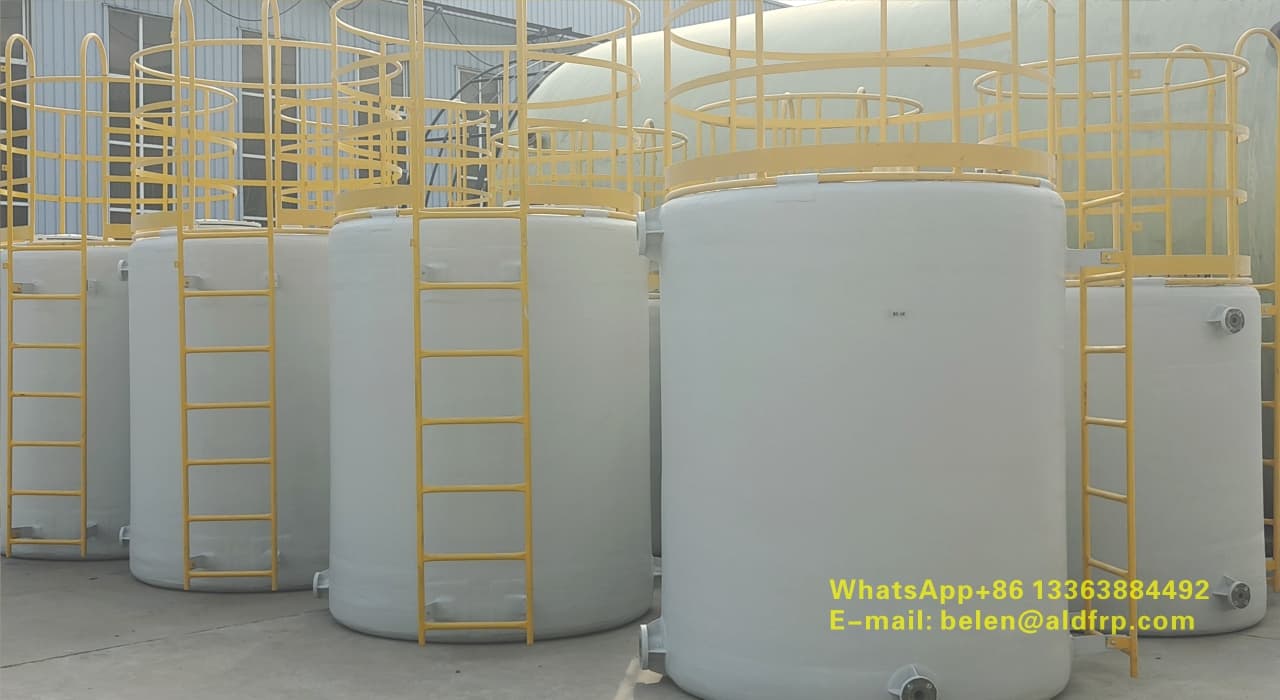
Fiberglass reinforced plastic naturally resists corrosion, making it ideal for storing acids, alkalis, fertilizers, and wastewater. With the correct resin system, FRP tanks withstand harsh chemical environments that would quickly degrade steel or concrete alternatives.
High-quality custom fiberglass storage tanks can last 20–30 years or more. While the upfront cost may be higher than traditional materials, the long-term savings in maintenance and replacement costs make FRP tanks a cost-effective solution.
FRP tanks are significantly lighter than steel or concrete tanks, reducing transportation costs and simplifying installation. Large industrial tanks can be installed quickly with minimal site disruption.
Once installed, custom FRP tanks require minimal upkeep. Unlike steel tanks, they do not need painting or lining, and routine inspections are typically sufficient to ensure safe operation.
The filament winding process is commonly used for industrial FRP tanks. Fiberglass fibers are coated with resin and wound around a rotating mold. This produces:
Uniform wall thickness
High structural integrity
Excellent chemical resistance
Filament winding is ideal for large-capacity or high-pressure tanks.
For tanks with unique shapes or smaller production runs, the hand lay-up method is preferred. Fiberglass mats are manually applied and combined with resin to create the desired tank structure, offering flexibility for highly customized designs.
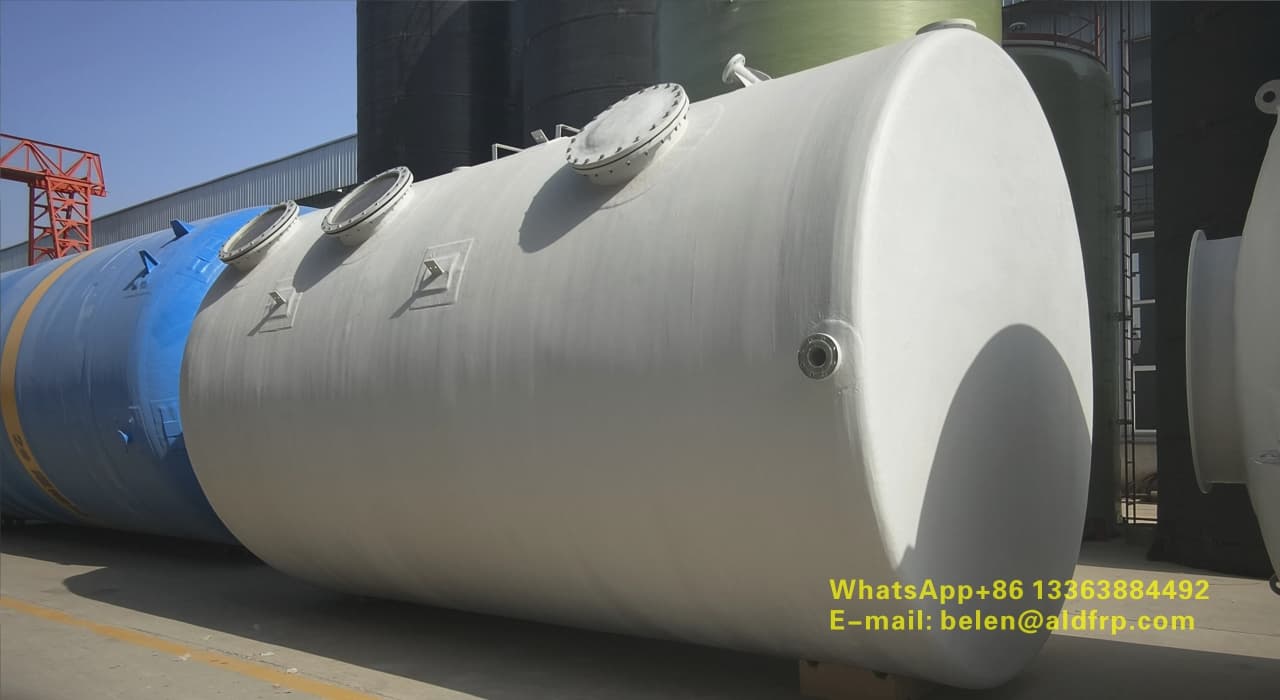
After forming, tanks are cured to harden the resin. Reputable manufacturers perform rigorous tests including:
Hydrostatic and leak testing
Laminate thickness verification
Chemical resistance evaluation
These quality checks ensure the tank meets safety standards and operational requirements.
Custom FRP tanks safely store acids, alkalis, and other corrosive chemicals, protecting both the liquid and the surrounding infrastructure.
These tanks are ideal for storing treatment chemicals, effluent, and wastewater in municipal and industrial facilities, offering long-term corrosion resistance and operational efficiency.
Custom FRP tanks are used for storing liquid fertilizers and chemical additives, providing safe and reliable storage with minimal maintenance.
FRP tanks can safely store wastewater, sludge, and other industrial byproducts, ensuring compliance with environmental regulations.
Ensure the selected resin is suitable for the chemicals you intend to store. Vinyl ester is often recommended for aggressive acids, while polyester or epoxy resins may be suitable for less corrosive substances.
Determine the appropriate tank volume and dimensions based on your operational needs. Decide between above-ground and underground tanks according to space and site conditions.
Consider environmental factors such as UV exposure, temperature fluctuations, soil conditions, and potential seismic loads. These influence tank wall thickness and reinforcement.
Partnering with an experienced custom fiberglass storage tank manufacturer ensures:
Design consultation and engineering support
High-quality, standardized manufacturing
Installation guidance and technical support
Compliance with ASTM, ISO, and CE standards
This guarantees a safe, durable, and reliable storage solution.
custom fiberglass storage tank for chemical industry
corrosion-resistant FRP storage tank solutions
industrial fiberglass tank manufacturer
custom FRP tank for water and wastewater
durable fiberglass storage tank for acids and alkalis
A custom fiberglass storage tank is a versatile and reliable solution for industries requiring safe, durable, and low-maintenance liquid storage. Its corrosion resistance, long lifespan, and customizable design make it superior to traditional steel or concrete tanks.
Working with a professional manufacturer ensures tanks are optimized for chemical compatibility, site conditions, and operational needs, providing a long-term storage solution that supports safety, efficiency, and regulatory compliance.