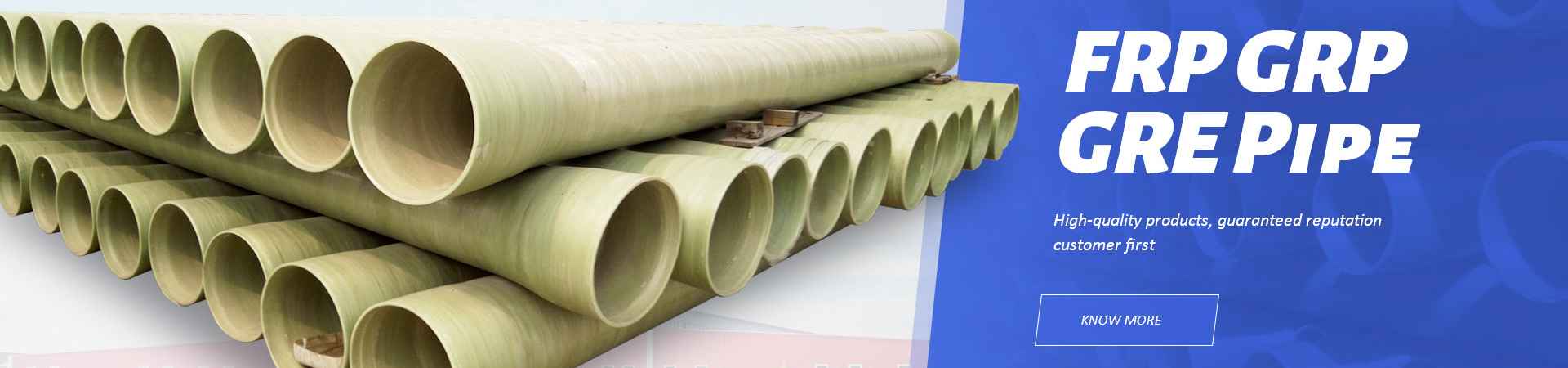

When industrial operations depend on safe and efficient liquid storage, standard solutions don’t always meet the requirements. Different industries handle different chemicals, capacities, and environmental conditions, which is why working with a custom fiberglass storage tank manufacturer is often the smartest choice.
Fiberglass reinforced plastic (FRP) tanks are known for their durability, corrosion resistance, and flexibility. But what truly makes them stand out is the ability to customize every detail—from size and structure to material composition—based on real operational needs. In this article, we’ll walk through the benefits, manufacturing process, applications, and key factors to consider when choosing the right manufacturer.
A custom fiberglass storage tank manufacturer focuses on designing and producing tanks tailored to specific industrial requirements. Unlike off-the-shelf tanks, custom solutions are engineered to match exact conditions such as chemical compatibility, space limitations, and operational demands.
These manufacturers typically provide:
Design consultation based on application needs
Material and resin selection for chemical resistance
Engineering support for installation and long-term use
Fabrication of tanks in various sizes and configurations
This level of customization ensures that the final product is not only functional but also optimized for safety and efficiency.
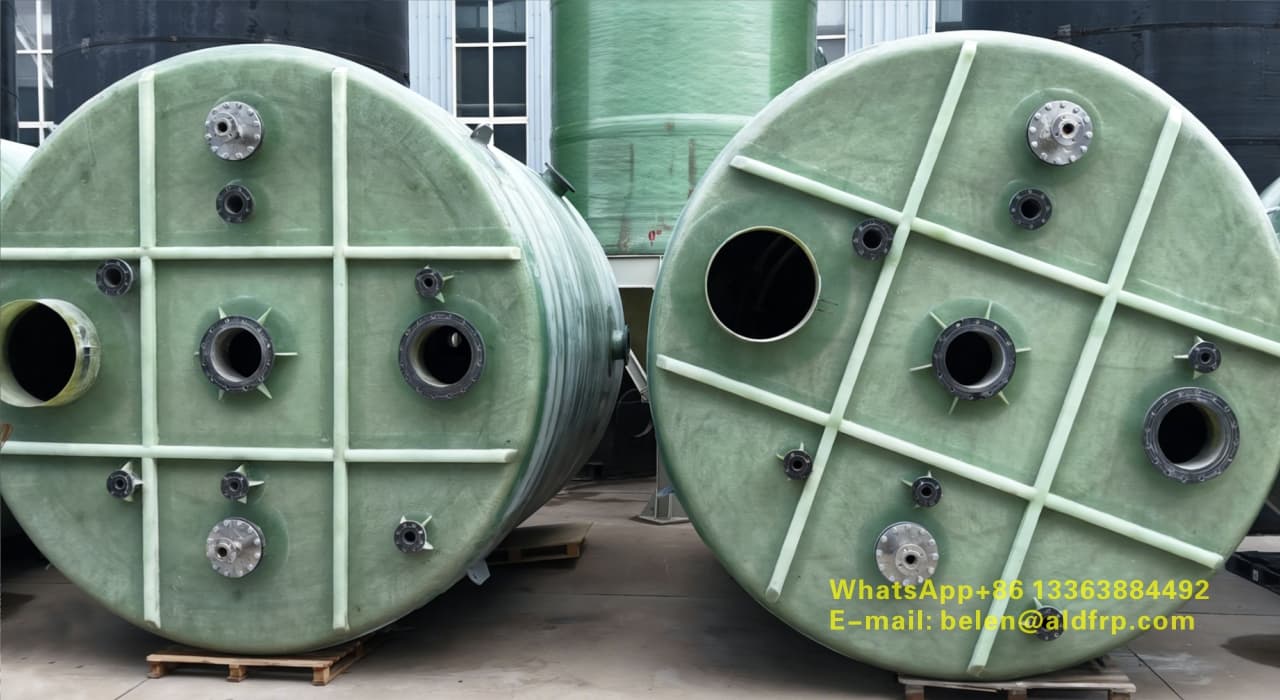
One of the biggest advantages of working with a custom fiberglass storage tank manufacturer is flexibility. Tanks can be designed to meet precise specifications, including:
Tank diameter and height
Wall thickness for pressure requirements
Internal linings for aggressive chemicals
Custom nozzles, manholes, and fittings
For example, a chemical plant storing sulfuric acid will require a different resin system than a facility storing water. Customization ensures optimal performance in each case.
Fiberglass tanks are naturally resistant to corrosion, especially when paired with the right resin system. This makes them ideal for storing:
Acids and alkalis
Wastewater and sludge
Fertilizers and agricultural chemicals
A properly designed FRP tank prevents leaks and degradation, even in harsh environments.
A well-built fiberglass tank can last over 20–30 years. While the initial cost may be higher than basic steel tanks, the reduced maintenance and longer lifespan result in lower total cost over time.
Compared to steel or concrete tanks, fiberglass tanks are significantly lighter. This reduces transportation costs and simplifies installation, especially for large industrial projects.
FRP tanks do not require regular painting or anti-corrosion coatings. Once installed, maintenance is minimal, which helps reduce downtime and operational expenses.
The most advanced method used by a custom fiberglass storage tank manufacturer is filament winding. In this process, fiberglass fibers soaked in resin are wound around a rotating mold.
This technique provides:
Uniform wall thickness
High structural strength
Excellent resistance to internal pressure
The winding angle and layering are carefully controlled to meet specific design requirements.
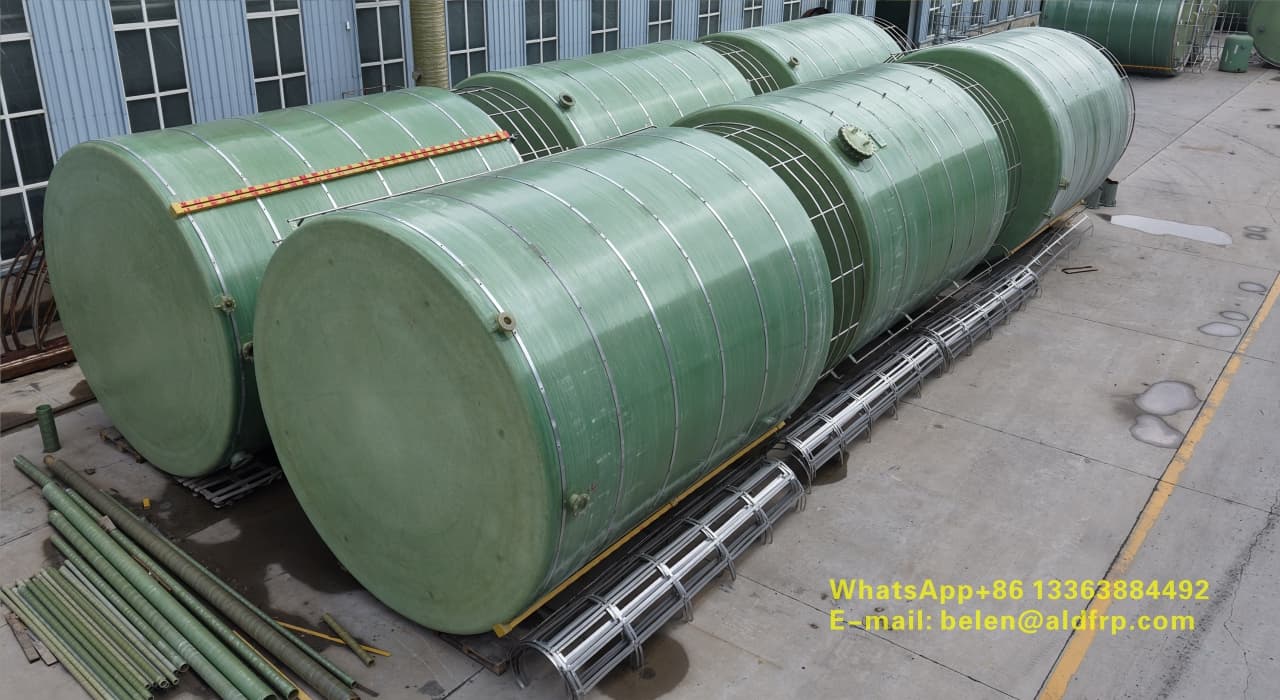
For tanks with complex shapes or smaller production runs, the hand lay-up method is used. Fiberglass mats are manually layered and combined with resin to create the desired structure.
This method allows for greater design flexibility and is ideal for highly customized tanks.
After forming, the tank undergoes curing to harden the resin. Once cured, additional components such as flanges, manholes, and supports are installed.
High-quality manufacturers also perform inspections and testing to ensure durability and compliance with standards.
Custom FRP tanks are widely used for storing corrosive chemicals. Their ability to resist chemical reactions makes them essential for safe operations.
Facilities rely on custom fiberglass tanks for storing water, treatment chemicals, and sludge. Custom sizing helps maximize space efficiency.
Liquid fertilizers and pesticides require corrosion-resistant storage. FRP tanks provide long-lasting solutions with minimal maintenance.
Certain fiberglass tanks can be designed to meet hygiene standards, making them suitable for storing water and non-corrosive liquids in food processing.
Choose a custom fiberglass storage tank manufacturer with proven experience in your industry. They should understand chemical compatibility, structural design, and installation challenges.
The manufacturer should be able to provide full customization, including design drawings, material selection, and structural calculations.
Reliable manufacturers follow standards such as:
ASTM D3299 for filament-wound tanks
BS 4994 for composite structures
ASME RTP-1 for reinforced plastic equipment
This ensures safety and global acceptance.
Look for manufacturers that perform:
Leak and pressure testing
Material inspections
Structural evaluations
These steps ensure long-term reliability.
A professional manufacturer provides installation guidance, maintenance recommendations, and technical support throughout the tank’s lifecycle.
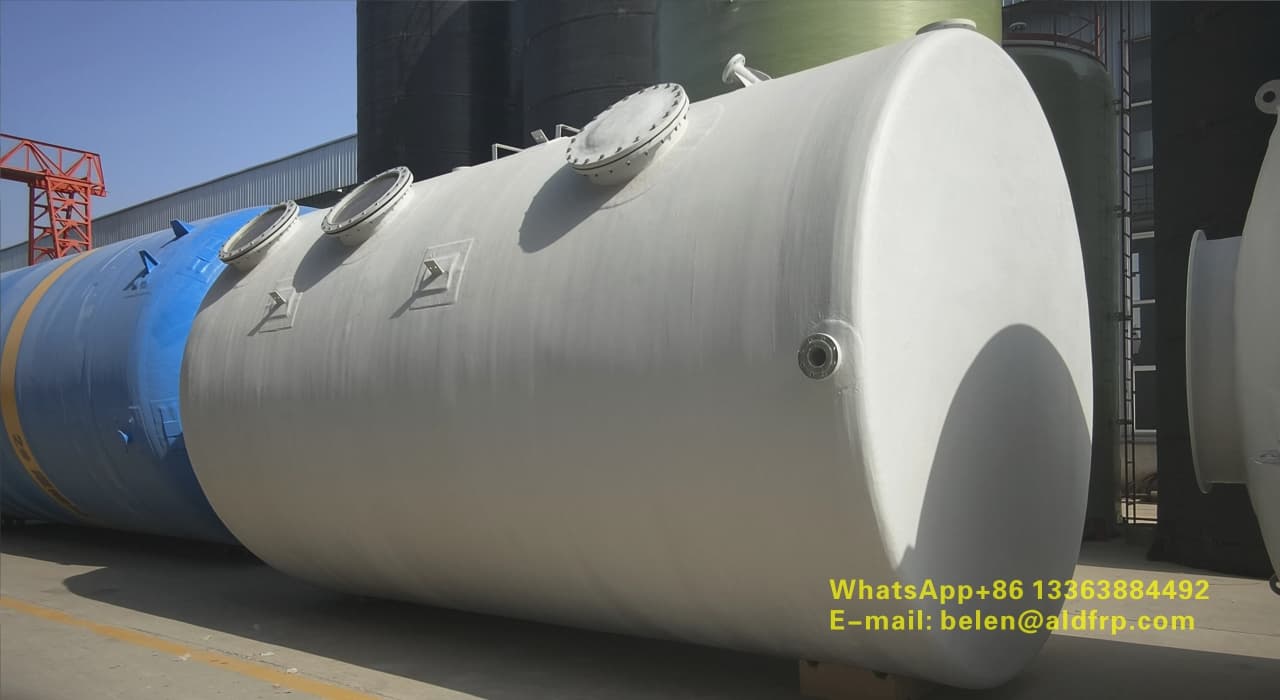
custom fiberglass storage tank manufacturer for chemicals
industrial fiberglass storage tank customization solutions
corrosion-resistant FRP tank manufacturer for liquids
custom fiberglass tank for water treatment systems
professional FRP storage tank manufacturing company
Working with a custom fiberglass storage tank manufacturer gives industries the flexibility to design storage solutions that truly match their needs. From chemical compatibility to structural requirements, every detail can be optimized for safety, durability, and efficiency.
Fiberglass tanks offer long service life, corrosion resistance, and low maintenance, making them a smart investment for industrial applications. By choosing a reliable manufacturer with strong technical expertise and quality standards, businesses can ensure their storage systems remain safe and efficient for decades.