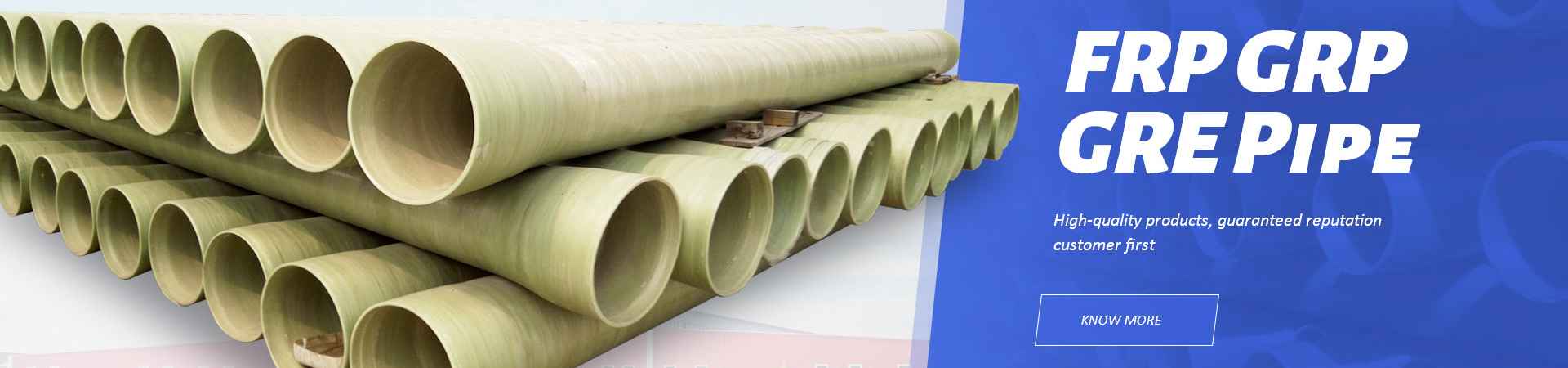

In industries where strong acids are used daily, storage safety is not just important—it’s critical. Acids like sulfuric acid, hydrochloric acid, and nitric acid can quickly damage traditional storage materials such as carbon steel or even certain plastics. That’s exactly why more companies are turning to FRP tank for acid storage solutions.
Fiberglass reinforced plastic (FRP) tanks are designed to handle highly corrosive environments while maintaining structural strength over time. Whether you are operating a chemical plant, fertilizer production line, or water treatment facility, choosing the right acid storage tank can directly impact safety, maintenance costs, and long-term efficiency.
In this article, we’ll walk through how FRP tanks perform in acid storage applications, why they are a better alternative, and how to choose the right solution for your project.
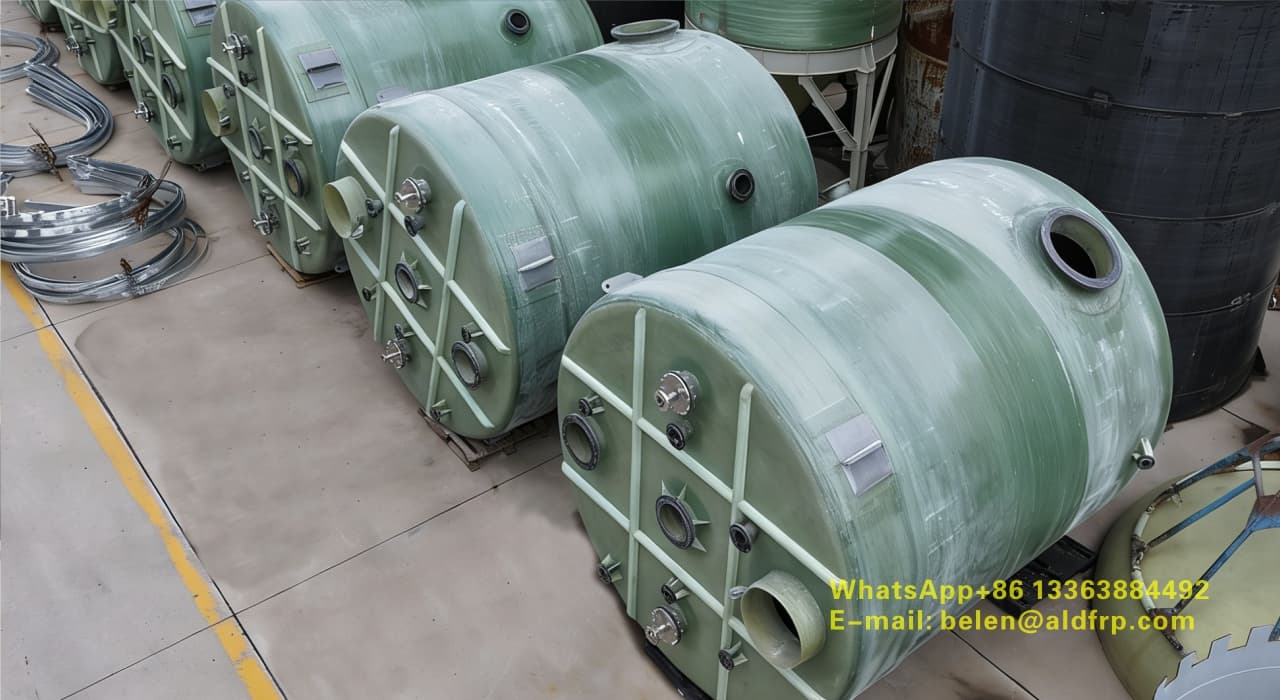
An FRP tank for acid storage is built using fiberglass combined with a chemical-resistant resin system. This structure creates a multi-layer barrier that protects the tank from corrosion while maintaining mechanical strength.
The inner liner is typically designed specifically for acid resistance, while the outer structural layers provide support against pressure and environmental stress. This layered design ensures that even highly aggressive acids cannot penetrate or degrade the tank easily.
Compared to traditional tanks, FRP offers stable performance even under continuous exposure to corrosive chemicals, making it a reliable long-term solution.
One of the biggest reasons industries choose an FRP tank for acid storage is its ability to resist corrosion. By selecting the right resin—such as vinyl ester—the tank can safely store strong acids without internal damage.
This is especially important in applications involving:
High-concentration sulfuric acid
Hydrochloric acid storage systems
Mixed chemical environments
FRP tanks typically last 20–30 years or more when properly designed. Unlike steel tanks, which may require frequent anti-corrosion treatment, FRP tanks maintain their performance with minimal degradation over time.
This makes them ideal for long-term industrial projects where downtime and replacement costs must be minimized.
Maintenance is a major concern in acid storage systems. Steel tanks require coatings, linings, and regular inspections. In contrast, an FRP tank for acid storage significantly reduces maintenance needs.
No repainting, no internal lining replacement, and fewer shutdowns mean lower operational costs across the entire lifecycle.
FRP tanks are much lighter than metal tanks. This simplifies transportation and installation, especially for large-capacity storage systems.
For example, in remote industrial sites or developing regions, easier installation can save both time and labor costs.
A major advantage of working with a professional manufacturer is customization. A high-quality FRP tank for acid storage can be designed based on:
Specific acid type and concentration
Required tank capacity
Installation environment (indoor or outdoor)
Underground or above-ground use
This flexibility ensures optimal performance for each project.
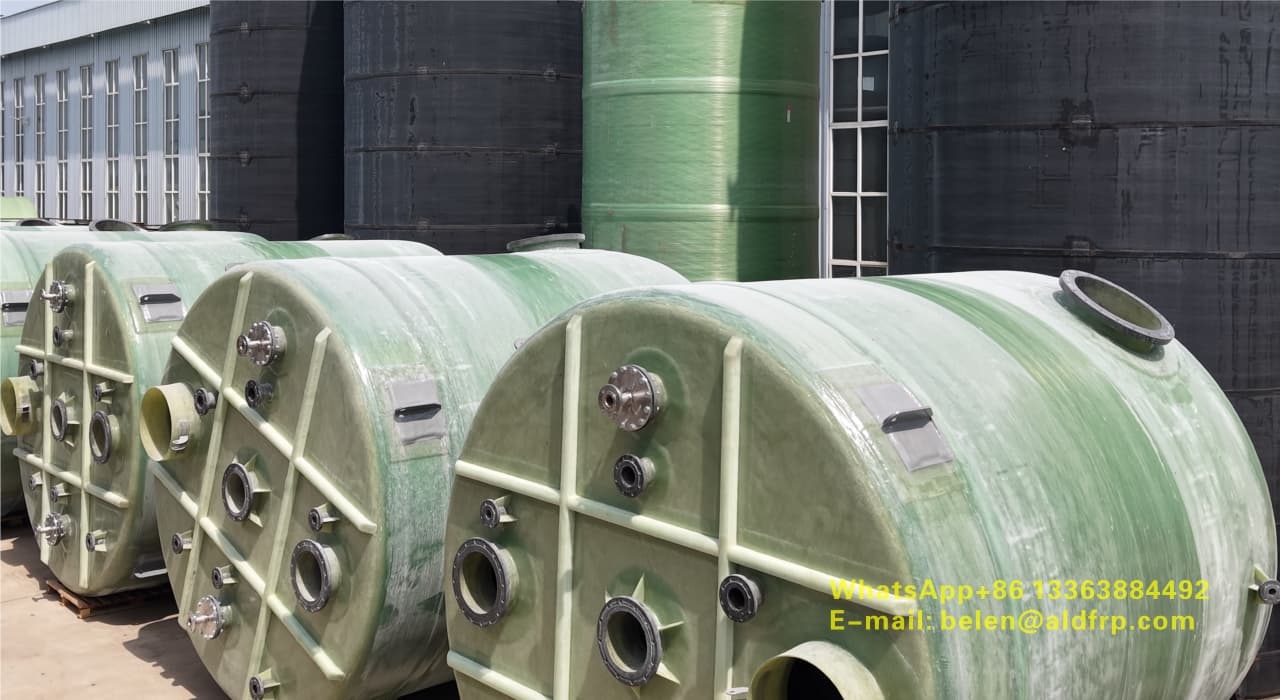
Most industrial tanks are produced using filament winding technology. Fiberglass fibers soaked in resin are precisely wound around a mold, creating a uniform and high-strength structure.
This process ensures:
Consistent wall thickness
High load-bearing capacity
Strong resistance to internal pressure
The performance of an FRP tank for acid storage depends heavily on resin selection. Common options include:
Vinyl ester resin for strong acid resistance
Polyester resin for general chemical storage
Epoxy resin for specialized applications
Choosing the correct resin is critical for ensuring long-term compatibility with stored acids.
Reliable manufacturers conduct strict testing before delivery, including:
Leak and hydrostatic testing
Laminate thickness inspection
Chemical resistance verification
These steps ensure that each tank meets industrial safety standards.
FRP tanks are widely used for storing raw materials and intermediate acids in chemical production. Their corrosion resistance ensures safe and stable storage.
Sulfuric acid and phosphoric acid are essential in fertilizer production. Using an FRP tank for acid storage helps prevent corrosion-related failures and ensures continuous operation.
Acids are commonly used for pH adjustment in water treatment. FRP tanks provide reliable storage without contamination risks.
Many industrial cleaning processes involve acid solutions. FRP tanks offer a safe and durable storage option for these applications.
Different acids require different resin systems. Always confirm compatibility based on concentration and temperature.
Consider external factors such as:
UV exposure
Temperature fluctuations
Wind or seismic loads
These conditions influence tank design and reinforcement requirements.
Depending on your facility, you may need:
Vertical storage tanks
Horizontal tanks
Underground FRP acid storage tanks
Each type has its own design considerations.
A reliable supplier will provide:
Engineering design support
Custom manufacturing solutions
Installation guidance
Long-term technical support
This ensures your tank performs safely over time.
corrosion-resistant FRP tank for acid storage
industrial FRP tank for sulfuric acid storage
custom fiberglass tank for chemical acid storage
durable FRP storage tank for hydrochloric acid
FRP acid storage tank for wastewater treatment
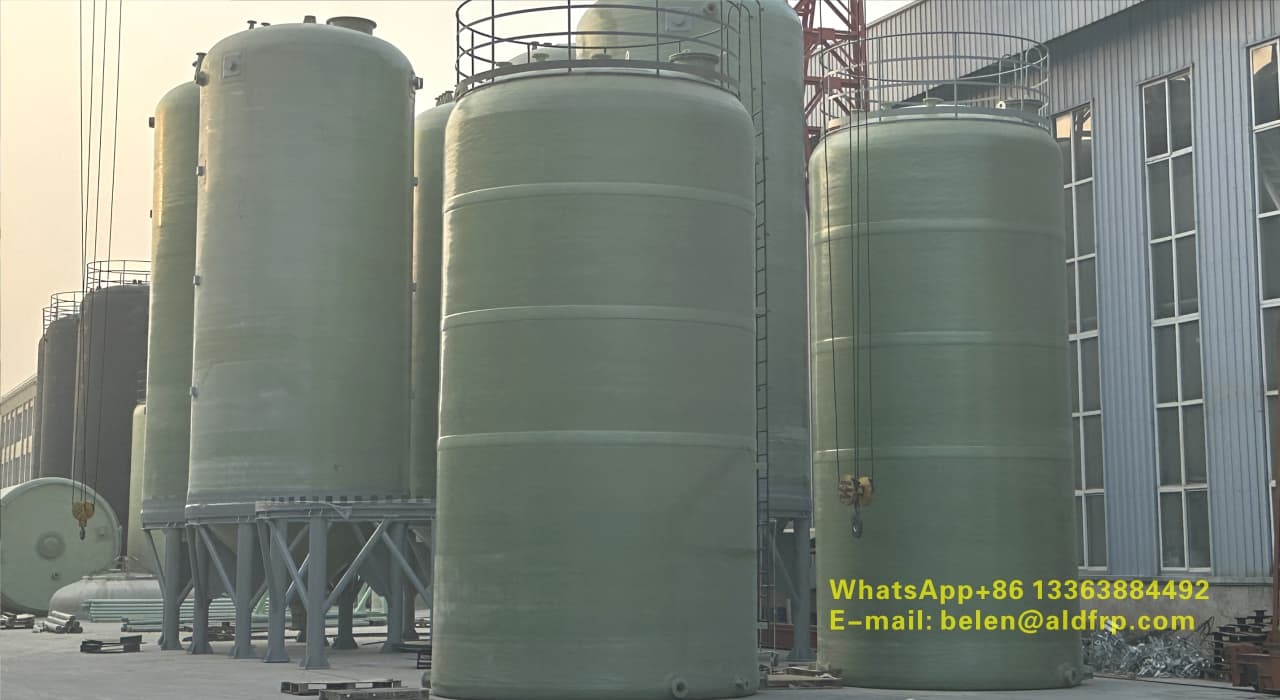
Choosing the right FRP tank for acid storage is essential for industries dealing with corrosive chemicals. With excellent corrosion resistance, long service life, and low maintenance requirements, FRP tanks offer a reliable and cost-effective solution for modern industrial applications.
By working with an experienced manufacturer and selecting the right materials and design, businesses can ensure safe, efficient, and long-lasting acid storage systems. In the long run, investing in high-quality FRP tanks not only protects equipment but also improves overall operational stability and cost efficiency.