


In many industrial sectors, safe and reliable storage of chemicals is a critical requirement. Traditional storage tanks made from steel or concrete often struggle to withstand harsh chemical environments over long periods of time. That’s why many industries are turning to FRP chemical storage tank solutions as a more durable and cost-effective option.
Fiberglass reinforced plastic (FRP) tanks are designed to resist corrosion, handle aggressive chemicals, and provide long service life with minimal maintenance. Today, these tanks are widely used in chemical plants, wastewater treatment facilities, fertilizer production, and many other industries that require secure liquid storage.
In this article, we will explore what an FRP chemical storage tank is, how it is manufactured, its advantages, and why it has become an essential piece of equipment in modern industrial operations.
What Is an FRP Chemical Storage Tank?
An FRP chemical storage tank is a storage container made from fiberglass reinforced plastic, a composite material consisting of glass fibers embedded in a resin matrix. The fiberglass provides structural strength, while the resin offers chemical resistance and environmental protection.
This combination creates a tank that is both lightweight and extremely durable. Unlike traditional metal tanks, FRP tanks do not rust, corrode, or degrade easily when exposed to chemicals.
Because of these properties, FRP chemical storage tanks are commonly used to store substances such as:
Sulfuric acid
Hydrochloric acid
Sodium hydroxide
Industrial solvents
Liquid fertilizers
Wastewater treatment chemicals
By selecting the appropriate resin system, manufacturers can customize the tank to handle specific chemical environments safely.
Why Industries Choose FRP Chemical Storage Tanks
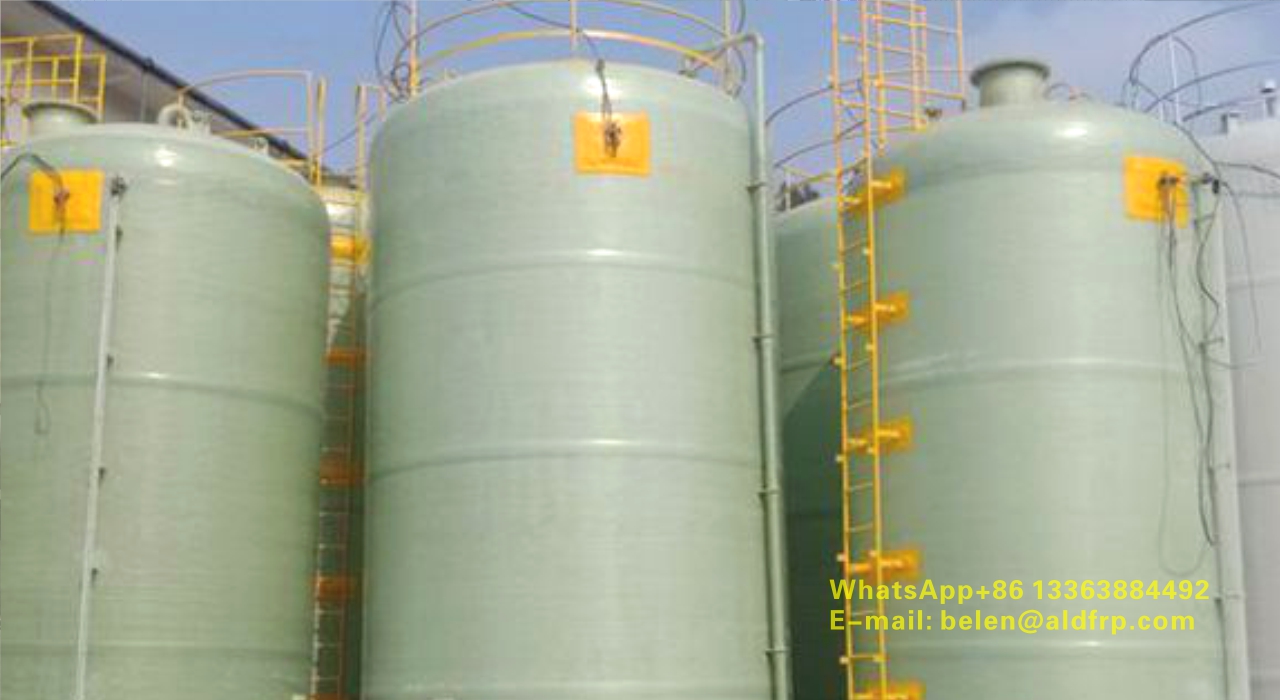
Many industries are replacing traditional storage tanks with FRP chemical storage tank systems due to several significant advantages.
Excellent Corrosion Resistance
One of the biggest benefits of FRP tanks is their superior corrosion resistance. Metal tanks can corrode when exposed to acids, alkalis, or saltwater, which eventually weakens their structure.
FRP tanks, on the other hand, are designed to resist chemical attack. The resin layer acts as a protective barrier that prevents chemicals from damaging the tank structure.
For industries dealing with aggressive chemicals, this resistance greatly improves safety and reliability.
Long Service Life
Another advantage of an FRP chemical storage tank is its long operational lifespan. In many applications, FRP tanks can last more than 20–30 years with proper installation and maintenance.
Because the material does not rust or deteriorate easily, companies often experience fewer equipment replacements and lower lifecycle costs.
Lightweight and Easy Installation
Compared with steel or concrete tanks, FRP tanks are significantly lighter. This lightweight design makes transportation, handling, and installation much easier.
For example, installing a large steel tank may require heavy lifting equipment and extensive preparation. An FRP tank can often be installed faster and with less labor, reducing project costs.
Low Maintenance Requirements
Traditional storage tanks may require frequent maintenance, including repainting, corrosion protection, and structural repairs.
FRP tanks typically require far less maintenance. Because the material naturally resists corrosion and chemical damage, the tanks can operate for long periods without extensive upkeep.
This makes FRP chemical storage tank systems an attractive solution for facilities looking to reduce maintenance expenses.
How FRP Chemical Storage Tanks Are Manufactured
The production of a high-quality FRP chemical storage tank involves several specialized manufacturing processes designed to ensure strength and durability.
Filament Winding Technology
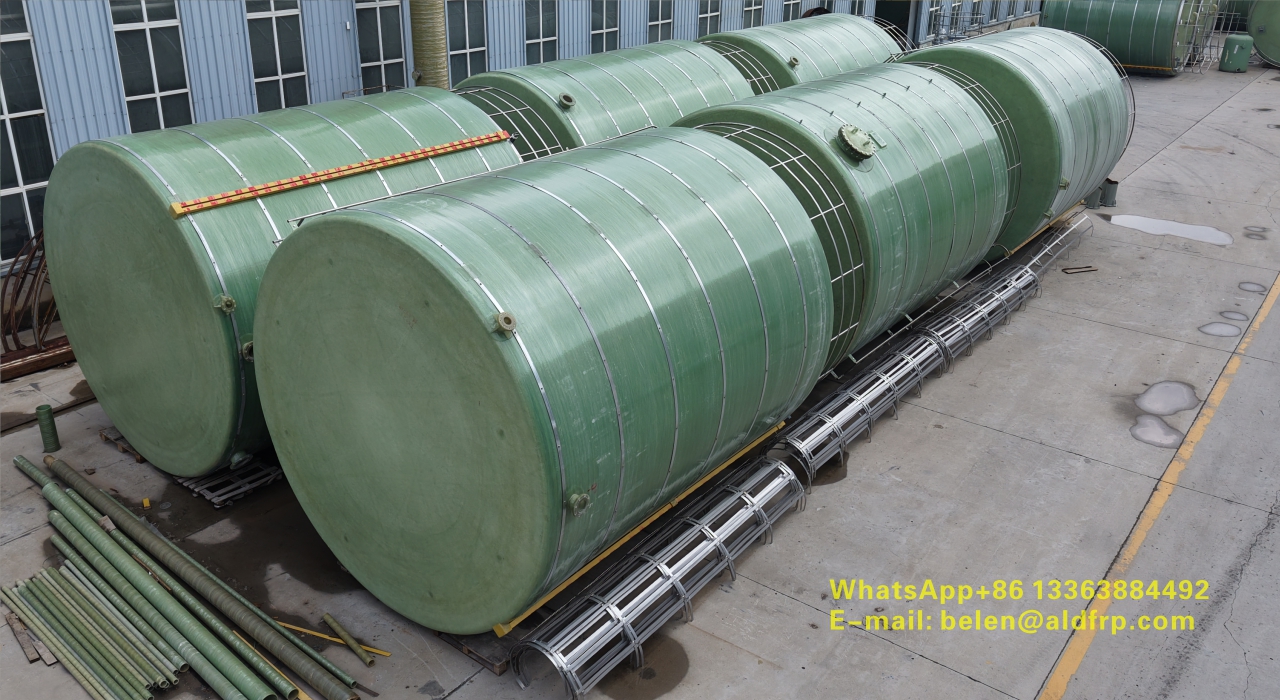
One of the most common manufacturing methods is filament winding. In this process, fiberglass fibers are soaked in resin and then wound around a rotating mold or mandrel.
Layer by layer, the tank wall is formed until it reaches the required thickness and structural strength.
Filament winding offers several advantages:
Uniform wall thickness
High structural strength
Consistent quality
Efficient large-scale production
Because of these benefits, filament winding is widely used for producing large industrial tanks.
Resin-Rich Inner Liner
The interior surface of an FRP chemical storage tank typically includes a corrosion-resistant liner. This inner layer contains a higher concentration of resin and special additives designed to resist chemical attack.
The liner protects the structural fiberglass layers from direct exposure to aggressive chemicals, extending the tank’s lifespan.
Structural Reinforcement Layer
Outside the liner, manufacturers add multiple layers of fiberglass reinforcement. These layers provide mechanical strength and allow the tank to withstand internal pressure, external loads, and environmental stress.
Types of FRP Chemical Storage Tanks
Depending on the application, several types of FRP chemical storage tank designs are available.
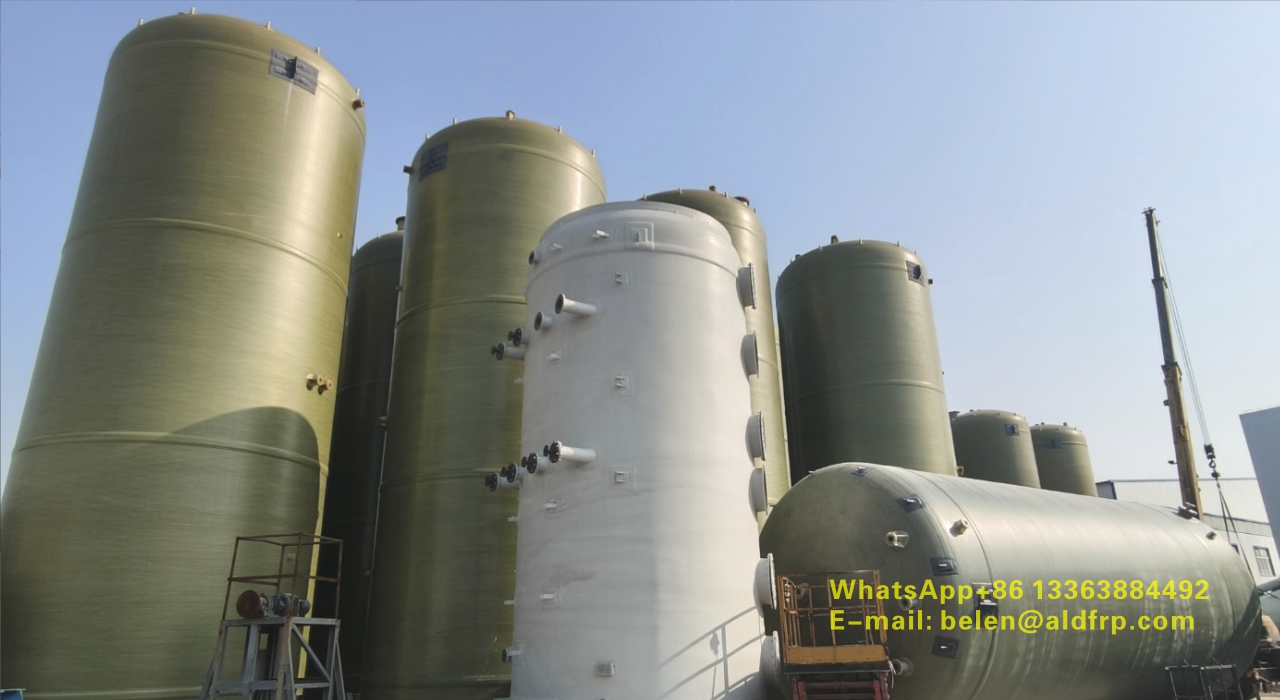
Vertical FRP Tanks
Vertical tanks are commonly used in industrial plants because they maximize storage capacity while occupying minimal floor space. They are widely used for storing acids, alkalis, and water treatment chemicals.
Horizontal FRP Tanks
Horizontal tanks are typically installed on support frames or transport vehicles. These tanks are often used when height restrictions exist or when mobile storage is required.
Underground FRP Tanks
Underground tanks are designed to withstand soil pressure and environmental conditions when buried beneath the ground. These tanks are often used for chemical storage in industrial facilities where surface space is limited.
Applications of FRP Chemical Storage Tanks
The versatility of FRP chemical storage tank systems makes them suitable for a wide range of industries.
Chemical Processing Plants
Chemical factories store large quantities of acids, solvents, and other aggressive substances. FRP tanks provide reliable corrosion resistance in these environments.
Water and Wastewater Treatment
Water treatment facilities use FRP tanks to store chemicals such as chlorine, sodium hypochlorite, and other treatment agents.
Fertilizer Industry
Liquid fertilizers and chemical solutions used in agricultural production are often stored in FRP tanks because of their durability and corrosion resistance.
Food and Pharmaceutical Industries
Certain FRP tanks are designed to meet hygiene standards and can be used for storing purified water or other non-corrosive liquids in food processing and pharmaceutical manufacturing.
Key Factors When Choosing an FRP Chemical Storage Tank
When selecting an FRP chemical storage tank, several factors should be considered to ensure the tank meets operational requirements.
Chemical Compatibility
The resin system used in the tank must be compatible with the stored chemical. Different resins offer different levels of resistance to acids, solvents, and other substances.
Tank Size and Capacity
The required storage volume will determine the tank’s diameter and height. Manufacturers can produce tanks in various sizes to meet specific project needs.
Structural Strength
The tank must be designed to withstand internal pressure, external loads, and environmental conditions such as wind or seismic forces.
Quality Certification
Reliable manufacturers typically follow international quality standards and provide testing reports to ensure product reliability.
Future Trends in FRP Chemical Storage Tanks
As industrial processes become more complex and environmental regulations become stricter, demand for corrosion-resistant storage solutions continues to increase.
Modern FRP chemical storage tank manufacturers are investing in advanced technologies such as automated filament winding systems, improved resin formulations, and digital quality monitoring.
These innovations help produce stronger tanks with better chemical resistance and longer service life.
Conclusion
An FRP chemical storage tank provides a safe, durable, and cost-effective solution for storing corrosive and industrial liquids. With advantages such as corrosion resistance, lightweight construction, long service life, and minimal maintenance requirements, FRP tanks have become an essential component in many modern industries.
From chemical plants to wastewater treatment facilities and fertilizer production sites, these tanks play a vital role in ensuring safe and efficient liquid storage.
As technology continues to improve, FRP chemical storage tanks will likely remain one of the most reliable and widely used storage solutions for industrial applications worldwide.