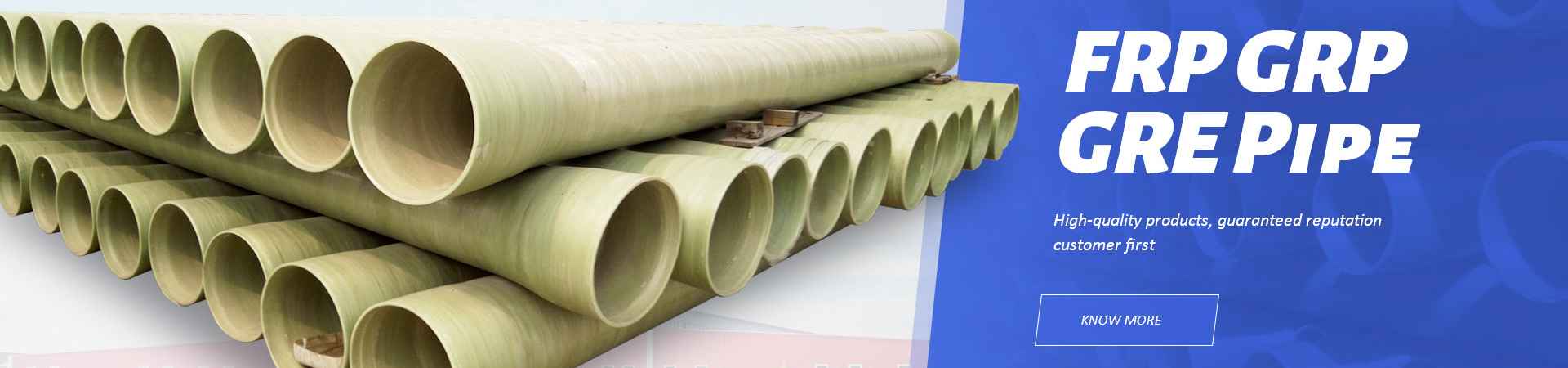

When you start planning storage solutions for water, chemicals, wastewater, or industrial liquids, one of the first questions decision‑makers ask is about frp tank price. The price of a fiberglass reinforced plastic (FRP) tank isn’t a single number—you’ll see a range because many variables affect the final cost.
Understanding what drives the FRP tank price helps you budget smarter, compare suppliers accurately, and avoid low‑quality purchases that lead to premature failures or unexpected maintenance costs.
In this guide, we’ll walk you through the key cost factors, manufacturing impacts, customization considerations, and real pricing guidance so you can make a purchasing decision with confidence.
Before diving into costs, it’s important to know what you’re buying:
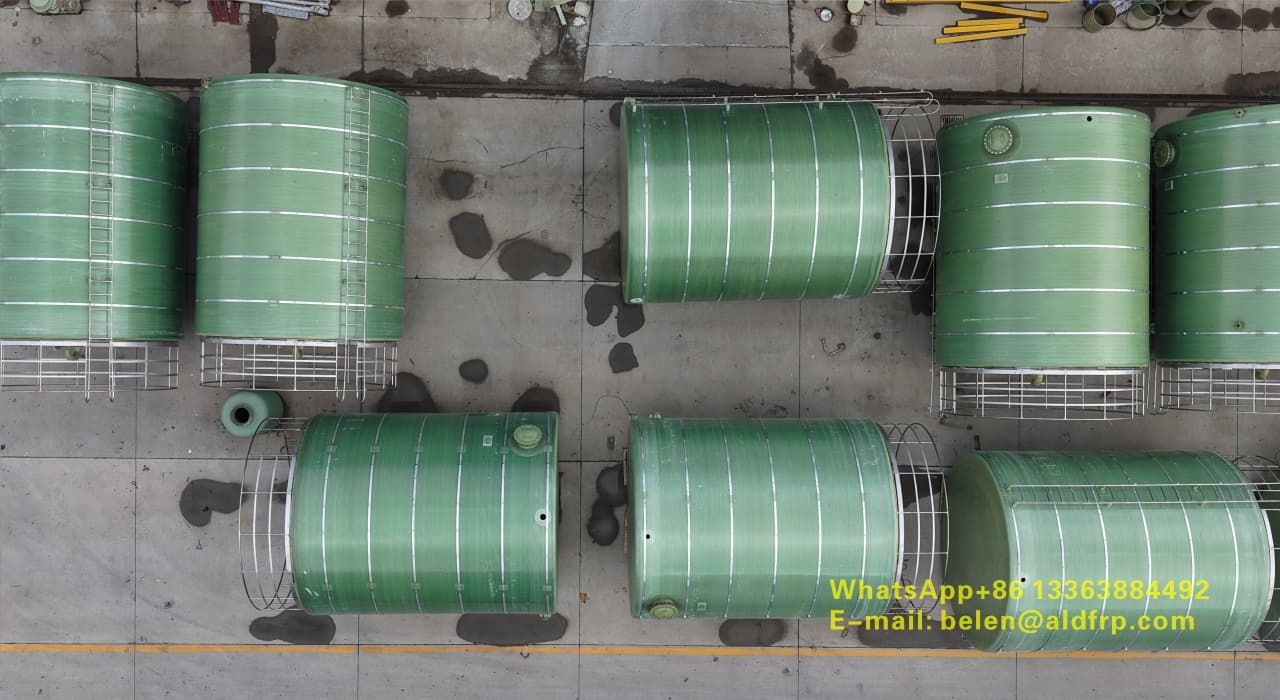
An FRP tank is made from fiberglass reinforcement and resin. The combination delivers:
Excellent corrosion resistance
Lightweight yet high strength
Customizable designs
Long service life
Resistance to chemicals, water, and environmental stress
Because FRP tanks are engineered systems, their frp tank price reflects more than just material—it includes design, manufacturing process, quality control, and installation support.
One of the biggest influences on frp tank price is tank volume. Larger tanks require:
More raw materials
Longer production time
Larger molds and winding cycles
Example rough pricing trend:
| Tank Capacity | Typical Price Range* |
|---|---|
| Small (500–2,000 L) | Lower end |
| Medium (2,000–10,000 L) | Mid range |
| Large (10,000–50,000+ L) | Higher end |
*Note: Actual prices vary based on region and supplier.
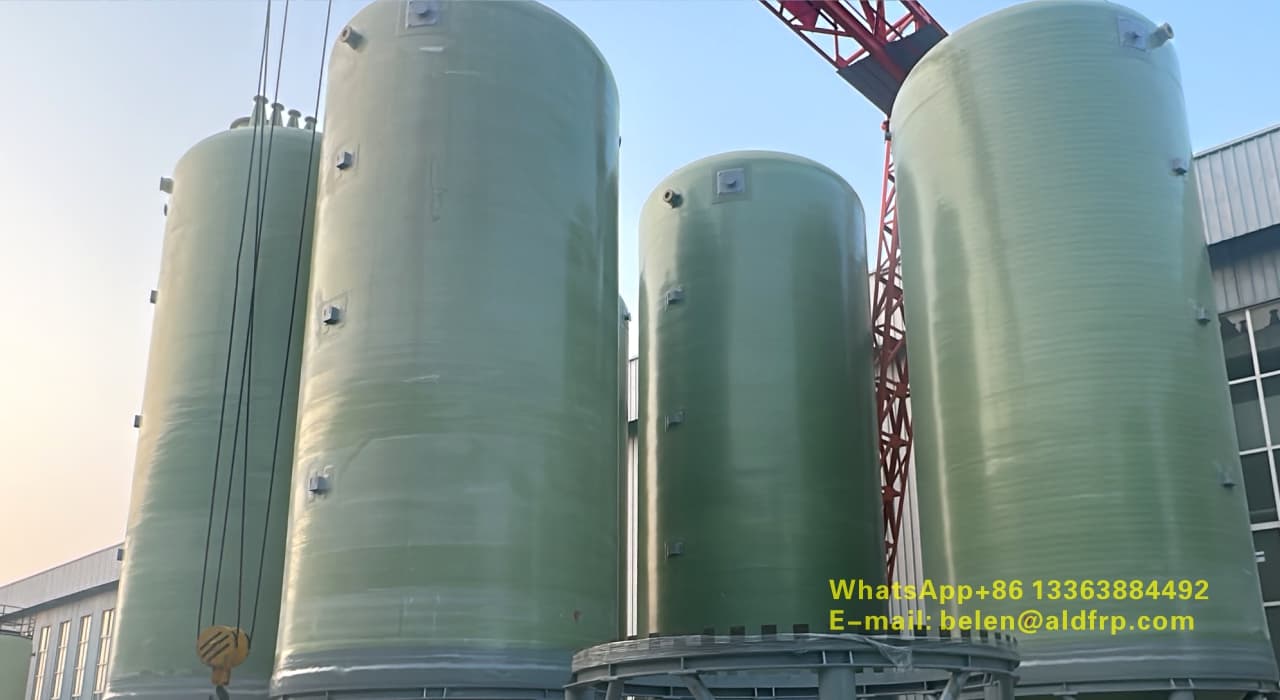
FRP tanks use a combination of fiberglass and resin systems. The resin type dramatically affects corrosion resistance—and price.
Polyester resin: Most cost‑effective, good for general water and mild chemicals
Vinyl ester resin: Better chemical resistance, mid‑range price
Epoxy resin: High performance against aggressive chemicals, premium price
Higher quality resin = higher frp tank price but much longer operational life and lower maintenance costs.
A critical part of the frp tank price formula is wall thickness. Tanks designed to handle higher internal pressure or external loads (like underground installation) require thicker walls and additional reinforcement layers.
In some cases, engineers will design multi‑layer structures to deliver:
Greater strength
Improved pressure resistance
Longer service life
All of these increase raw material costs and labor, resulting in a higher FRP tank price.
Standard tanks have lower costs. Once you start adding:
Custom nozzles, flanges, and access ports
Non‑standard shapes or dimensions
Internal baffles
Multiple compartments
…your supplier must spend more engineering hours and production time, which increases the frp tank price.
There are several methods to make FRP tanks:
Filament winding: Common for high‑quality, large tanks
Hand lay‑up: Used for smaller or highly customized tanks
Filament winding generally produces stronger, more consistent tanks, but the tooling and precision control add to cost. This shows up in the frp tank price.
These are often used for potable water, irrigation, municipal systems, or stormwater storage. They do not need the highest‑grade chemical linings, so the frp tank price remains relatively moderate.
Typical scenarios:
Underground water storage
Above‑ground potable water
Rainwater harvesting
Water storage tanks generally fall into a more affordable price range than chemical tanks with the same volume.
When storing acids, alkalis, or aggressive chemicals, tanks must be designed with specialized resins and thicker walls. This naturally increases the frp tank price.
Examples of chemical environments requiring premium design:
Sulfuric acid storage
Hydrochloric acid systems
Industrial solvents
In these cases, premium resins like vinyl ester or epoxy are often required, which increases tank cost but reduces risk of failure.
A complete FRP solution is more than just the tank body. Logistics and installation can add to project cost:
Large tanks require special transport
Undersized doorways or restricted sites may need modular tank design
Some suppliers include supervision or on‑site installation guidance. This affects the frp tank price, but it can reduce risk and ensure correct installation.
Heavy or underground installations may require concrete pads or reinforced bases—which is often a separate cost.
Note: Actual prices vary by market, supplier, exchange rates, and customization.
| Application | General Price Relative |
|---|---|
| Small FRP Water Tank (1,000–2,000 L) | $500 – $1,500 |
| Medium Industrial Tank (5,000–10,000 L) | $2,000 – $5,000 |
| Large Chemical Tank (20,000–50,000 L) | $5,000 – $15,000+ |
| Underground FRP Storage System | Higher due to reinforcement + installation |
These figures are indicative trends, not fixed quotes. Speak with your supplier for exact pricing based on specifications.
When evaluating frp tank price, don’t just look at the upfront number. The real cost includes:
Expected lifespan
Maintenance requirements
Corrosion resistance
Supplier support
Compliance with industry standards
Downtime risk in case of failure
A slightly higher price for a well‑engineered FRP tank often leads to lower total cost of ownership (TCO) over time.
frp tank price per liter cost comparison
corrosion‑resistant FRP storage tank pricing
industrial FRP tank customization price factors
underground FRP tank cost breakdown
fiber reinforced plastic tank pricing guide
The biggest factors are tank capacity, resin type, wall thickness, and customization. Aggressive chemical storage or underground installation usually increases price.
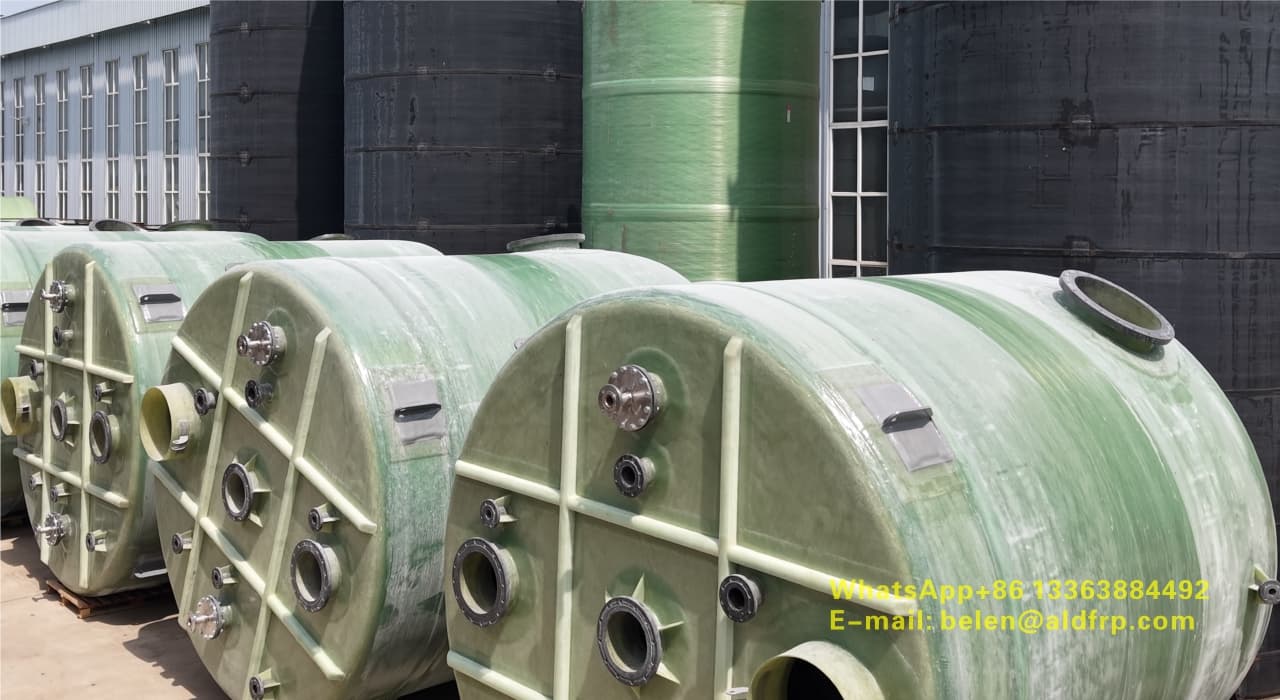
In most cases, yes. FRP tanks are generally more cost‑effective than stainless steel tanks, especially for large volumes and corrosive environments.
Absolutely. Standard dimensions, fewer customization features, and lower‑grade resin for non‑corrosive liquids can reduce the price.
Often not—installation, foundation work, and logistics are typically quoted separately unless specified.
Provide your supplier with:
✔ Liquid type and chemical compatibility
✔ Required volume
✔ Installation method (above or underground)
✔ Material and pressure requirements
✔ Custom fittings
A detailed specification leads to more accurate pricing.