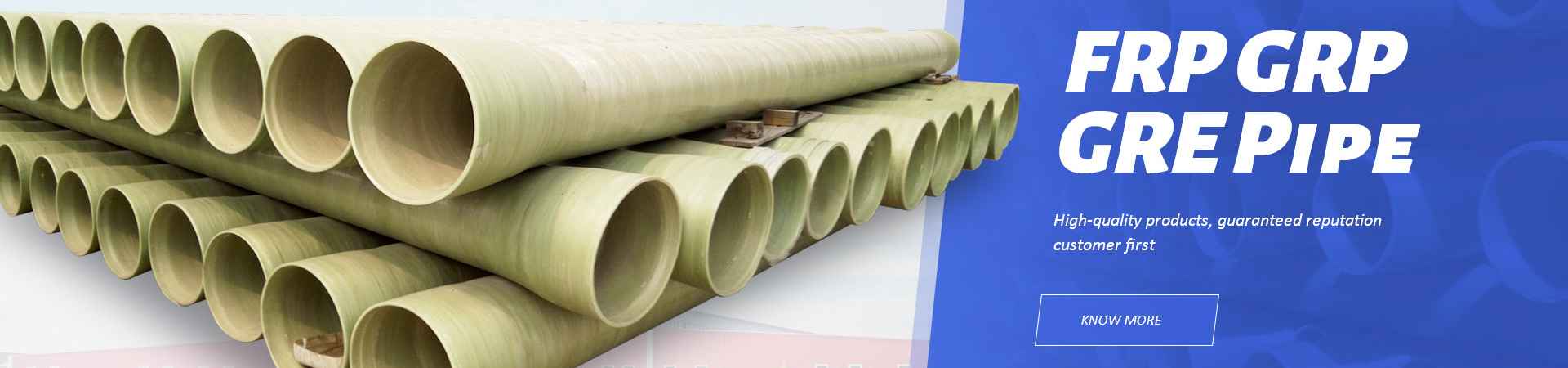

In modern industrial storage, FRP tanks are widely used because of their corrosion resistance, strength, and long service life. But what really determines the tank’s performance is the filament winding process for FRP tank.
I’ve worked on several projects where clients didn’t understand the difference in manufacturing methods. The result? Tanks that looked fine externally but failed under pressure or chemical exposure.
Understanding this process helps you select high-quality FRP tanks and ensures reliable long-term storage.
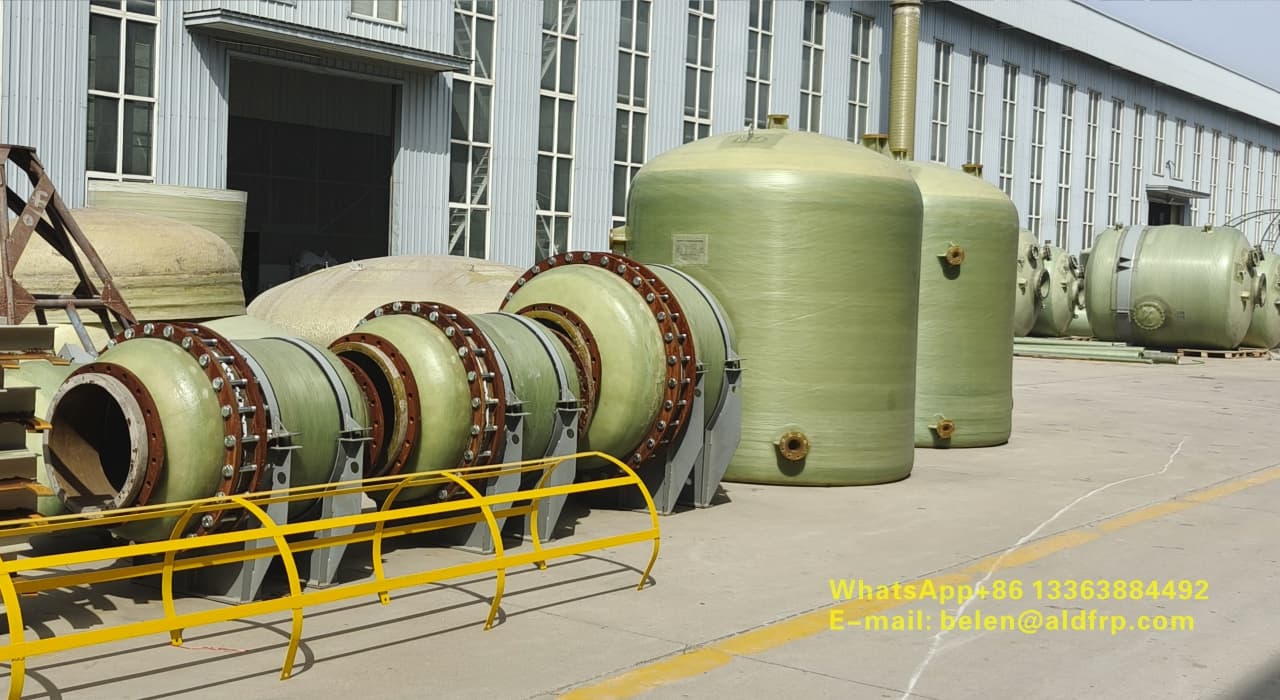
Filament winding is a method of creating composite tanks by winding continuous fiberglass strands around a rotating mold. The fibers are impregnated with resin, which binds them into a strong, corrosion-resistant structure.
This process allows for precise control of:
Wall thickness
Fiber orientation
Structural strength
It’s the backbone of FRP tank manufacturing for industrial, chemical, and water storage applications.
Fiberglass provides the main structural strength. Continuous strands, often arranged in precise patterns, allow the tank to withstand internal pressure and external forces.
Different fiber types can be selected depending on the chemical resistance and mechanical load requirements.
The resin binds the fiberglass strands together and provides chemical resistance. Common resins used in the filament winding process for FRP tank include:
Polyester resin for general use
Vinyl ester resin for high chemical resistance
Epoxy resin for specialized applications
The correct resin choice ensures long-term performance and prevents leaks or structural degradation.
The mold, typically cylindrical, is cleaned and coated with a release agent. Proper mold preparation ensures smooth tank surfaces and prevents sticking.
Fiberglass strands are passed through a resin bath or a resin impregnation system. This ensures each fiber is thoroughly coated with resin before winding onto the mold.
The resin-fiber ratio is critical. Too much resin leads to brittleness, too little reduces chemical resistance.
The impregnated fibers are wound around the rotating mold in precise patterns.
Hoop winding strengthens the tank circumferentially.
Helical winding adds longitudinal strength.
The winding angles are calculated to optimize mechanical performance, ensuring the tank can withstand internal pressure and external loads.
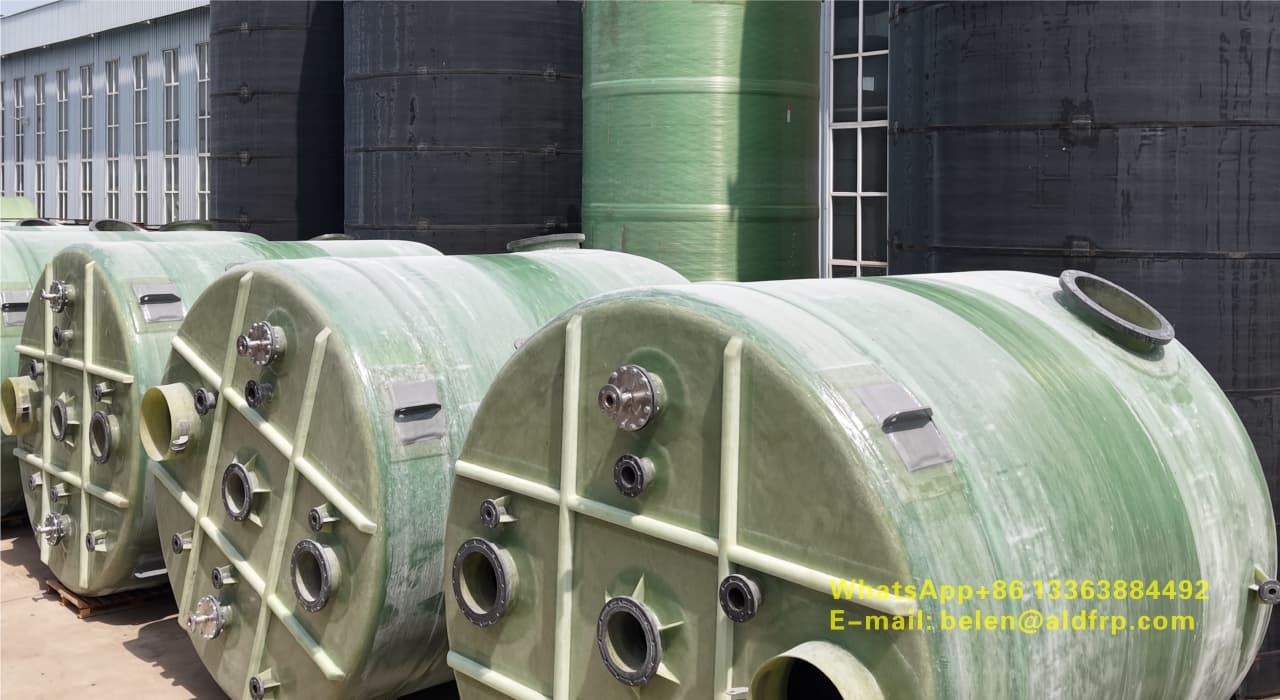
Multiple layers of fiberglass and resin are wound to achieve the required wall thickness. Each layer is carefully controlled to prevent air pockets or uneven distribution.
In large tanks, additional reinforcement such as chopped strand mat may be added to enhance strength.
After winding, the tank is allowed to cure. Depending on the resin, curing can be at room temperature or under controlled heat.
Proper curing ensures:
Maximum structural integrity
Chemical resistance
Dimensional stability
Incomplete curing is a common cause of weak spots or future leaks.
Once cured, the tank is removed from the mold.
Finishing steps include:
Trimming excess material
Sanding or smoothing surfaces
Installing fittings like flanges, manholes, or nozzles
A well-executed finishing process ensures the tank is ready for safe operation.
Quality control is essential. During the filament winding process for FRP tank, manufacturers perform:
Visual inspection for surface defects
Thickness checks to ensure design specifications
Leak testing to confirm seal integrity
Mechanical testing for structural performance
These measures guarantee that each tank meets industrial standards and performs reliably.
Using filament winding offers several benefits over other methods:
Uniform wall thickness for consistent strength
High chemical resistance without relying on coatings
Lightweight compared to steel tanks
Ability to produce large-capacity and complex-shaped tanks
In short, tanks made with proper filament winding are long-lasting and reliable.
Tanks produced with this process are widely used in:
Chemical storage, including acids and alkalis
Water and wastewater treatment plants
Industrial liquid storage
Fertilizer or agricultural applications
The process ensures they can handle harsh environments without structural failure.
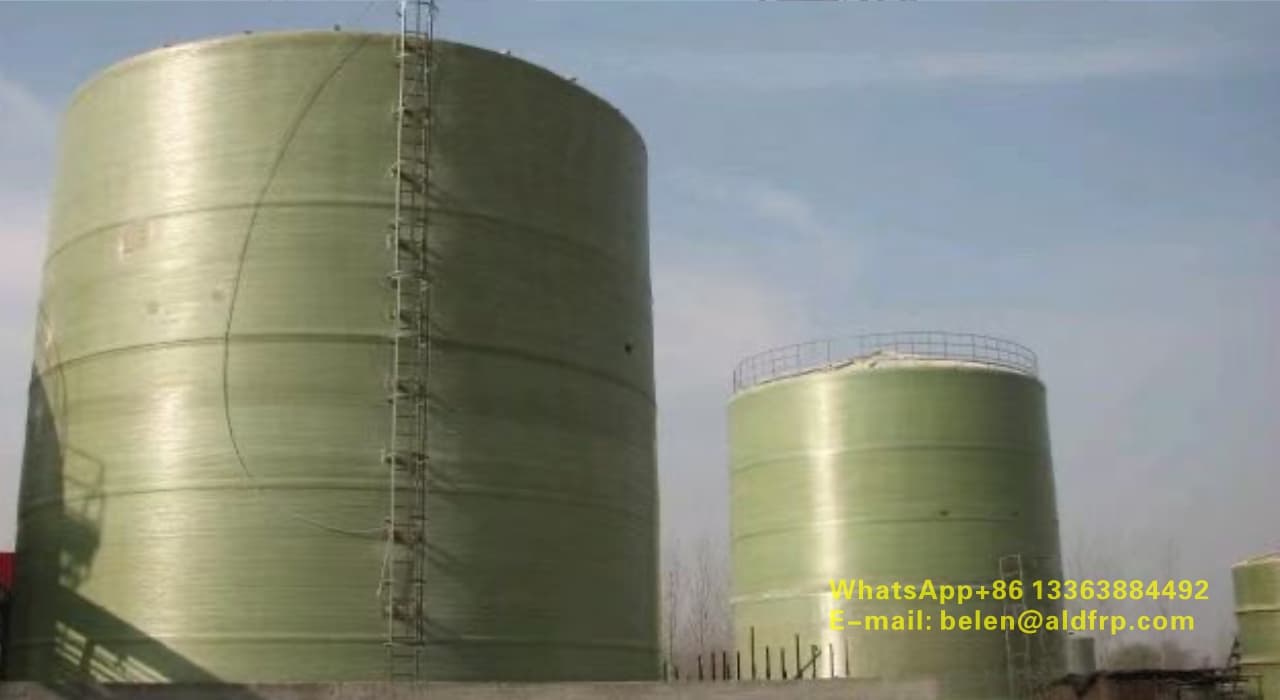
I once worked with a facility that initially installed hand-layup FRP tanks. After a few years, some tanks showed delamination under chemical exposure.
After switching to tanks made with the filament winding process for FRP tank, performance improved dramatically. No leaks, no corrosion, and much less maintenance.
This highlights why understanding and choosing the right manufacturing process matters.
The filament winding process for FRP tank is central to producing strong, corrosion-resistant, and long-lasting storage solutions.
From resin impregnation to precise fiber winding, curing, and quality checks, each step ensures the tank meets demanding industrial standards.
When selecting FRP tanks, always consider how they are manufactured. Investing in tanks made with a proper filament winding process is a decision that ensures reliability, safety, and long-term performance.