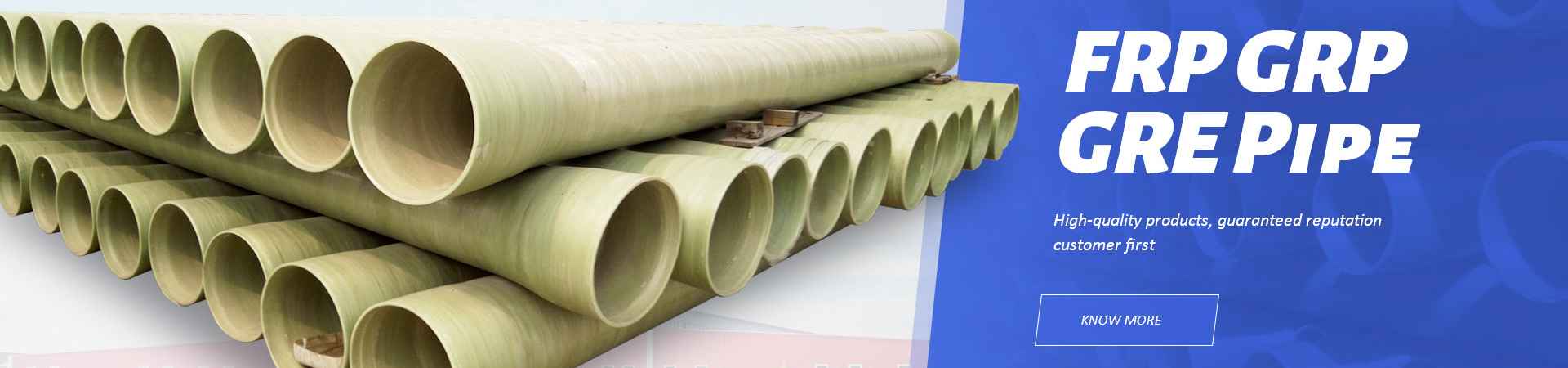

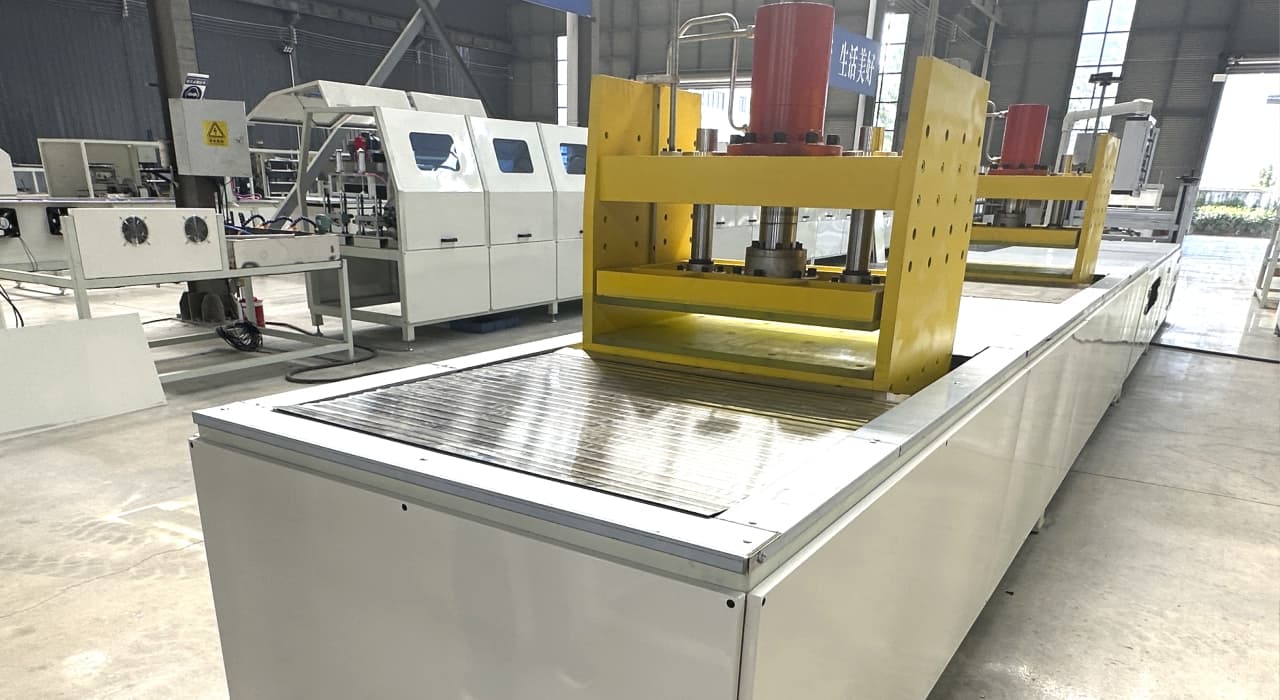
If you want high‑quality composite profiles without compromising safety or efficiency, a durable fiberglass pultrusion machine with CE certification is the only choice. CE certification guarantees compliance with international standards, while durability ensures long-term production stability. For manufacturers seeking reliable FRP rods, beams, and custom profiles, this is a must-have investment.
Combining robust construction, precise temperature control, and automated features, these machines deliver consistent output and minimal maintenance. They are suitable for both small-scale operations and industrial production, offering manufacturers a sustainable solution for high-strength, lightweight, corrosion-resistant composites.
CE certification is more than a label—it signals that your machine meets stringent European safety, health, and environmental standards. This is especially critical for companies exporting composite profiles internationally or operating in regulated markets.
CE-certified machines are built with safety interlocks, reliable electrical systems, and operator-friendly designs. For manufacturers, this translates into fewer accidents, reduced downtime, and assurance that all production steps meet global compliance requirements. When paired with durability, a CE-certified fiberglass pultrusion machine represents long-term reliability and peace of mind.
Durability in a fiberglass pultrusion machine affects every aspect of production. A well-engineered frame, high-quality rollers, and stable pulling systems reduce vibration and wear, ensuring consistent profile quality over time.
Long-term durability also reduces the need for frequent maintenance, decreasing operational costs and unplanned downtime. For small and medium manufacturers, investing in a robust machine may cost more upfront, but the lower total cost of ownership (TCO) and higher output quality quickly justify the investment.
The backbone of a durable machine is its structural integrity. Reinforced frames and precision-machined pulling systems maintain alignment, reduce vibration, and ensure smooth production of rods, channels, and grating profiles.
Temperature consistency is critical in pultrusion. High-quality machines use multiple heating zones with precise digital control to cure resin uniformly. This guarantees strong, lightweight, and defect-free composite profiles.
Modern fiberglass pultrusion machines often include PLC or touchscreen interfaces. Real-time monitoring and automatic safety interlocks improve efficiency, reduce human error, and provide consistent production quality.
Durable machines accommodate a wide range of fibers and resin systems, including glass, carbon, polyester, vinyl ester, and epoxy. Versatility allows manufacturers to produce custom profiles without reconfiguring the entire line.
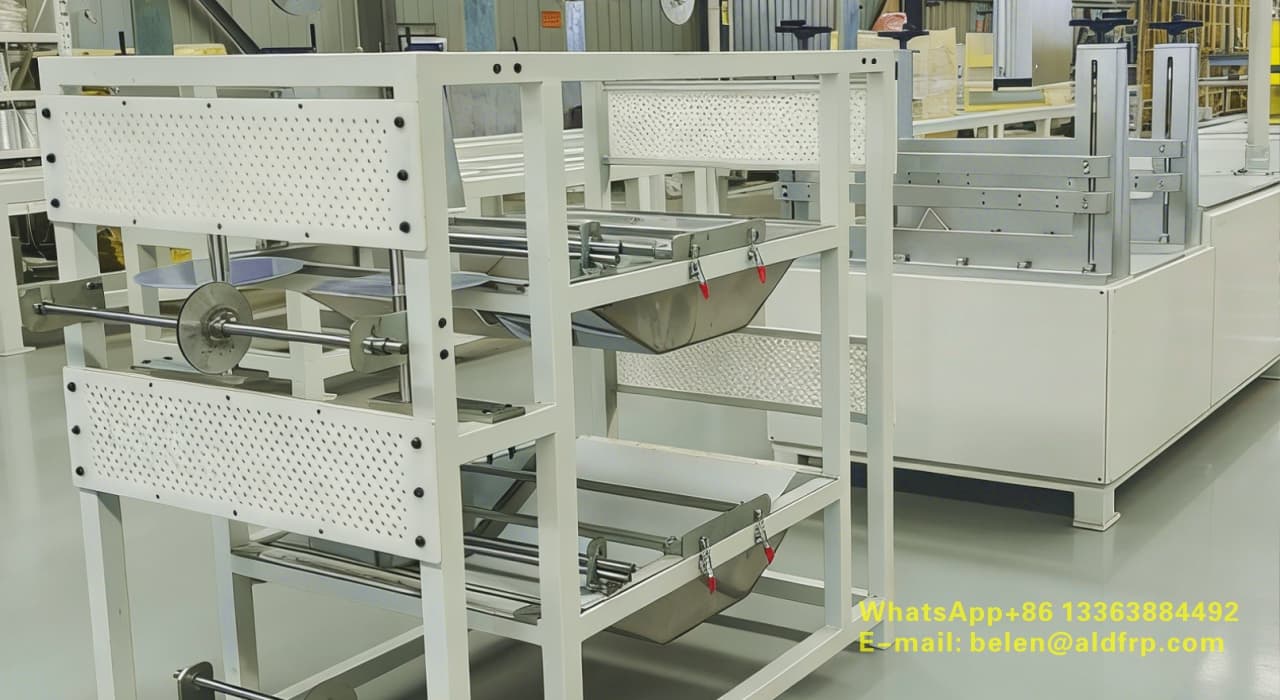
High-end systems come with synchronized cutting and stacking units. This reduces manual handling, maintains accuracy, and ensures every piece meets specifications.
When evaluating durable fiberglass pultrusion machines with CE certification, price depends on several key factors:
Production Capacity: Larger machines with higher throughput require more powerful motors and larger heating systems.
Automation Level: Fully automated machines cost more but reduce labor and increase production consistency.
Material Compatibility: Machines that handle multiple resin types or reinforcement fibers typically cost more.
Customization: Special dies, profile shapes, and integration with other equipment can increase the initial investment.
Turnkey Solutions: Complete lines with all auxiliary equipment and software controls are priced higher than standalone machines.
Understanding these factors helps manufacturers balance cost with performance and long-term ROI.
For manufacturers, the choice of pultrusion machine should reflect both current production goals and future scalability. Consider the following:
Production Volume: Match the machine to expected output to avoid overpaying for unnecessary capacity.
Profile Requirements: Identify all intended shapes, sizes, and materials to ensure compatibility.
After-Sales Support: Installation, training, and maintenance support from the supplier are crucial for sustained production efficiency.
Total Cost of Ownership: Factor in energy consumption, maintenance, downtime, and spare parts, not just the upfront price.
Small and medium manufacturers often operate on tighter budgets, but a durable CE-certified machine offers clear advantages:
Reliable Production: Minimize defects and rework.
Lower Maintenance Costs: High-quality components reduce repair frequency.
Regulatory Compliance: CE certification simplifies international sales and inspections.
Scalable Operation: Modular designs allow incremental upgrades as production grows.
By prioritizing durability and compliance, SMEs can compete with larger manufacturers without compromising quality.
Q1: Why should I invest in a CE-certified machine?
A CE-certified machine ensures compliance with international safety standards, reduces workplace risks, and facilitates exports.
Q2: Can a durable machine handle multiple resin types?
Yes, many modern systems support polyester, vinyl ester, epoxy, and hybrid fiber-resin combinations.
Q3: Is automation necessary for small manufacturers?
Semi-automated machines may suffice initially. Full automation improves quality and efficiency but increases initial investment.
Q4: How long do these machines last?
With proper maintenance, a durable fiberglass pultrusion machine can last 10+ years with consistent output quality.
Q5: What is the total cost of ownership?
Beyond upfront cost, consider energy consumption, maintenance, downtime, spare parts, and potential upgrades.
A durable fiberglass pultrusion machine with CE certification is not just equipment—it’s a long-term investment in efficiency, quality, and regulatory compliance. Its durability ensures minimal downtime, consistent production, and reduced maintenance costs, while CE certification provides assurance of safety and international market acceptance.
For manufacturers seeking to produce high-strength, lightweight, and corrosion-resistant profiles, choosing the right pultrusion machine is the foundation of business success.